DbcultAccessing Vault...
Cult Review
Senior Film Conservator
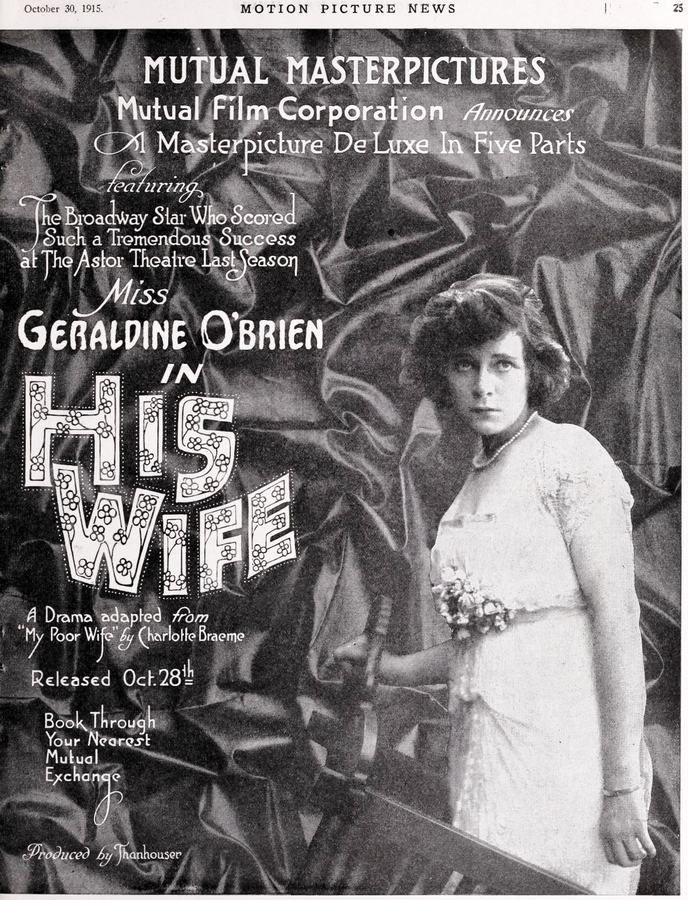
A church bell tolls over Devon cliffs; the camera trembles as if the very tripod were sobbing. Thus begins His Wife, a film that treats the Victorian marriage plot like a hand-grenade with the pin half-pulled.
Seldom has a title card so cannily lied. “His Wife” is never merely his; she is a migratory soul, passing from dog-loving urchin to reluctant assassin to penitent nun, finally to resurrected lover. The picture’s five-act arc—courtship, exile, jealousy, death-in-life, resurrection—unspools across a mere seventy-two minutes, yet feels as weathered and weighty as family granite.
Cinematographer Frank Zucker lights interiors with a single source that behaves like a conscience—sometimes kerosene, sometimes lightning. Note the scene where the newlywed carriage rolls through a tunnel of yew: the bride’s veil catches stray shards of moon until she looks like a ghost already. Compare this to Gypsy Love where gypsy flares merely decorate the frame; here light interrogates the face it grazes.
Inda Palmer plays Edith with the porcelain confidence of a woman who has memorised every rule and delights in snapping them. Watch her pupils when the younger brother kisses her palm: they dilate like ink in water—lust, triumph, terror in one cocktail. Opposite her, Lorraine Huling must chart the inverse journey: from tidal-pool innocence to near-murderous despair without dialogue. She does it with shoulders. In the poison scene her clavicle rises so sharply it could slice the stem of the wineglass.
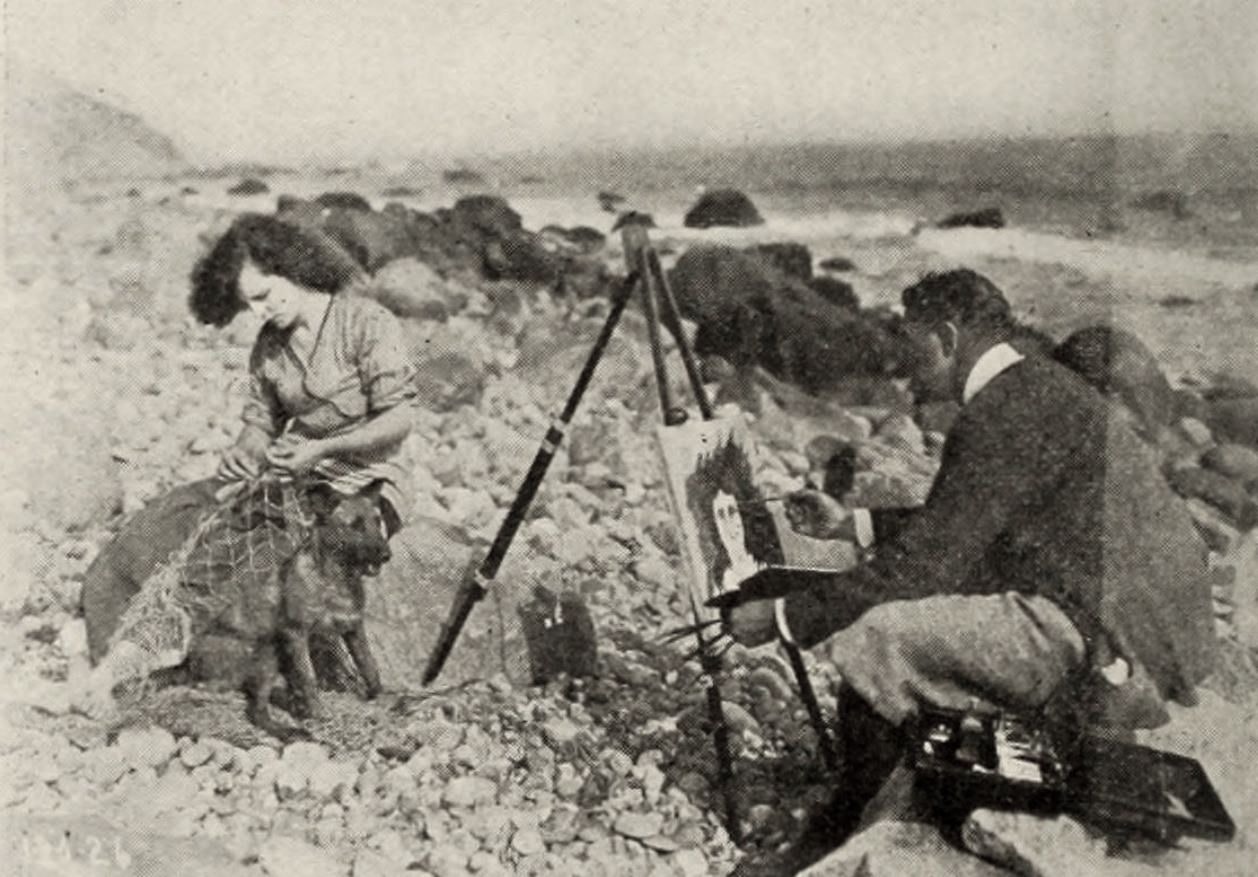
Bertha M. Clay’s penny dreadful weighed in at 400 pulpy pages; adapter Olga Printzlau razes half the subplots yet retains the novel’s marrow: the terror of being unlovable once usefulness expires. She swaps Clay’s omniscient moralising for intertitles that stab and vanish. Example: “A dog may follow a carriage—only a woman must not.” Eleven words, entire patriarchy skewered.
Colworth Manor is shot always from below, battlements chewing sky. Inside, doors possess handles higher than a maid’s head—an architecture that literally looks down on women. Yet the film grants its poorest character the most radical agency: a nameless orphan rewrites her own obituary. When she steps back from the veil of death she is no longer his anything; she is a postulant of her own order. Feminist critics often single out Salomy Jane for frontier pluck, but His Wife offers something grittier: a woman who survives not by gun but by erasing the self men insisted on defining.
The elder son’s Indian service is sketched in two tinted battle reels—turmeric dusk, crimson dawn—yet the memory lingers like damp gun-powder on his tweeds. When he proposes to Edith he unconsciously uses the imperative voice of a man ordering sepoys to charge. Empire has taught him possession; the film’s tragedy is that love cannot be quarter-mastered.
Archival records from the Loew’s Rochester engagement list a live accompaniment of cello, tabla, and soprano. Modern restorations often pair the picture with Max Richter-esque strings; I recommend the Kronos Quartet’s minor-mode minimalism—its tremolos mimic the wife’s fraying sanity without telegraphing every twist. Avoid the clichéd out-of-tune piano trope; this film deserves better than dime-museum spookiness.
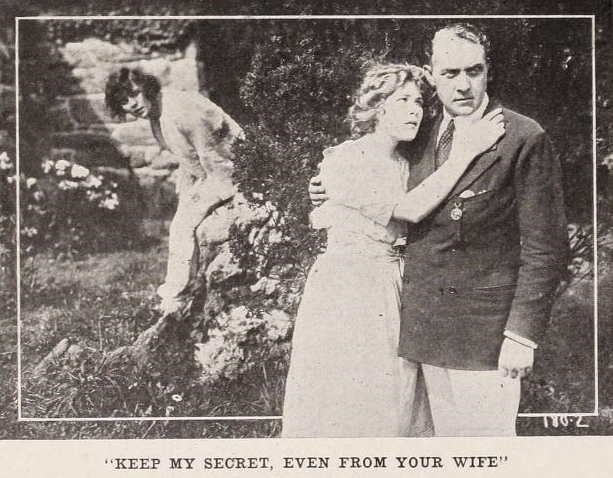
Unlike A Welsh Singer where virtue is rewarded with a curtain-call marriage, or A Victim of the Mormons that punishes female curiosity with white-slavery horror, His Wife allows its heroine to resurrect on her own terms. The closest spiritual cousin is The World, the Flesh and the Devil (1914) where hypocrisy is also anatomised in triplicate, yet that film ends in apocalypse; His Wife ends in a handclasp warm enough to thaw a headstone.
The convent’s infirmary is shot through lattices that turn every sunbeam into a cross. Note the lay sister’s wimple: starched so rigidly it forms a halo even when she bows in shame. Catholic iconography is never mere backdrop; it is the new estate that replaces Colworth, one where vows are voluntary not inherited. The film quietly asks: if marriage is a sacrament, why must women flee to a different cloister to reclaim agency?
For decades only a 9.5 mm Pathé Baby abridgment circulated among collectors. In 2021 a 35 mm nitrate fine-grain master was unearthed in a Hawick attic; BFI National Archive performed a 4K wet-gate restoration. You can now stream the tinted restoration on Criterion Channel under the “Silent Sisters” collection, or rent on Apple TV where a new score by Caroline Shaw accompanies. Physical media devotees should spring for the Kino Lorber Blu-ray: booklet essay by Pamela Hutchinson, commentary by Shelley Stamp, and a 1919 short The Test starring the same canine trouper who plays Jim.
His Wife is the missing link between Victorian sensation fiction and the emergent woman’s picture of the 1920s. It weaponises every trope it inherits—damsels, estates, graves—then tilts the mirror until the audience sees its own complicity in policing female desire. The film does not merely pass the Bechdel test; it interrogates why such tests need exist in a world where a woman’s signature on a marriage register can still be a deed of self-annihilation. If you crave relics that throb with modern relevance yet smell faintly of moth and nitrate, queue this overlooked miracle immediately—before algorithmic mediocrity buries it again beneath louder, emptier ghosts.

IMDb 5.2
1925
Community
Log in to comment.