DbcultAccessing Vault...
2/10
Senior Film Conservator
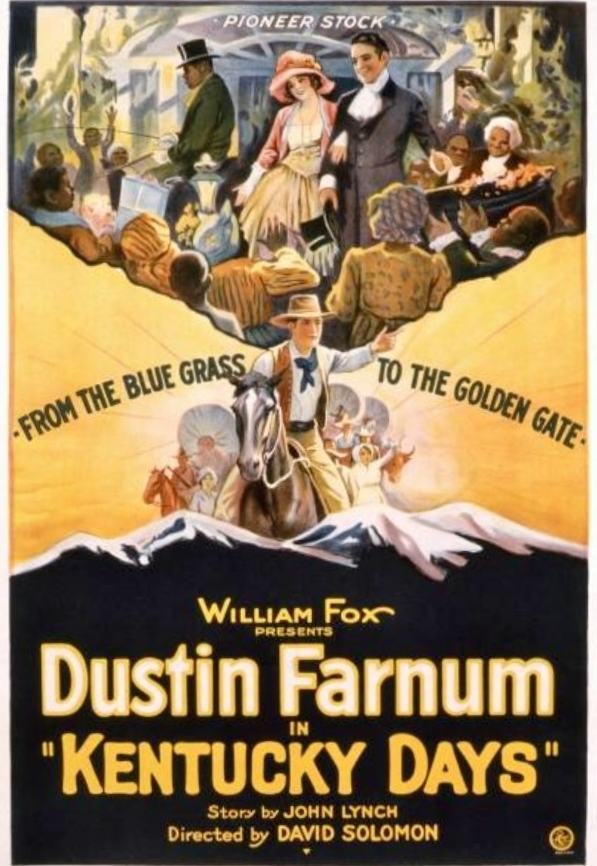
A definitive 2/10 rating for a film that redefined the boundaries of cult cinema. Kentucky Days remains a cornerstone of transgressive art.
Ah, the silent era! A time when narratives unfurled with a grand theatricality, unburdened by dialogue, yet brimming with an emotional intensity often lost in our sound-saturated age. 'Kentucky Days', a cinematic artifact from 1923, plunges us into such a world, offering a sweeping melodrama rooted in the American South of 1853, before whisking us away to the untamed West. It's a tale that, despite its century-old vintage, grapples with themes as timeless as the human heart itself: ambition, trust, betrayal, and the often-perilous journey towards redemption. The film, penned by the collaborative talents of Dorothy Yost and John Lynch, and brought to life by a cast led by the formidable Dustin Farnum, is a fascinating study in the conventions and emotional power of early cinema.
Our protagonist, Don Buckner, a young man of noble Southern lineage, finds his family's prosperity waning. With a recent marriage to the beautiful Elizabeth having further depleted his coffers, Don makes a fateful decision: to seek his fortune in the gold-rich lands of the burgeoning American West. It's a noble, if misguided, endeavor fueled by love and a desire to provide. His grand scheme, however, hinges on a deeply flawed premise: maintaining absolute silence. He envisions a triumphant return, a dazzling surprise for Elizabeth and his beloved mother, Margarite, believing that the eventual abundance will justify his prolonged, uncommunicated absence. This narrative conceit, while serving as the engine for the ensuing drama, immediately highlights the fragile foundation upon which the entire plot is built. It’s a classic dramatic irony, a ticking bomb of misunderstanding set to explode.
While Don toils in the distant gold fields, striking it rich but stubbornly adhering to his 'surprise' vow, darkness descends upon his Kentucky home. His own cousin, a character utterly consumed by an insidious infatuation with Elizabeth, seizes upon Don's silence. He weaves a deceitful web, convincing Elizabeth that Don has met his end in the unforgiving West. This manipulative psychological torment culminates in a vile act: a forced kiss, a moment of profound violation that scars Elizabeth and sets in motion a chain of tragic events. The film masterfully uses this moment to pivot from romantic adventure to harrowing domestic drama. Margaret Fielding, as Margarite, delivers a poignant portrayal of a mother's heartbreak, her character's demise—from a broken heart, believing her daughter-in-law unfaithful—serving as a stark, visceral consequence of the cousin's perfidy and Don’s communication vacuum. It’s a narrative device that, while perhaps melodramatic by modern standards, resonated deeply with silent film audiences, who understood emotional shorthand and grand gestures.
Miss Woodthrop, in the role of Elizabeth, portrays a character of remarkable resilience. Despite the public shaming and Don's furious rejection, her love remains steadfast. Her determination to follow him, to plead her case, to reclaim her husband, is the emotional anchor of the latter half of the film. It's a portrayal that elevates Elizabeth beyond a mere damsel in distress, endowing her with agency and an unwavering spirit. The journey west, initially undertaken by Don in solitude, quickly becomes a shared ordeal. The film’s climax, a harrowing sandstorm in which Elizabeth becomes lost, is the narrative crucible that forces Don to confront his own lingering feelings. It's in the desperate search for her, the fear of losing her truly and irrevocably, that he realizes the depth of his enduring love. This moment of clarity, amidst the chaotic fury of nature, is a powerful testament to the idea that true affection can weather the most devastating storms of misunderstanding and betrayal. It echoes the dramatic tension seen in other films of the era that placed characters against the unforgiving elements, such as the struggles depicted in Prisoners of the Pines, where human spirit is tested by the wilderness.
The brilliance of 'Kentucky Days' lies in its visual storytelling, a hallmark of the silent film era. Without spoken dialogue, emotions had to be writ large on the actors' faces and bodies, conveyed through expressive gestures, and amplified by dramatic lighting and set design. The cinematography, though perhaps rudimentary by today's standards, effectively captures the contrasting aesthetics of the genteel Southern plantation and the rugged, expansive Western frontier. The burning of the Buckner estate is a particularly striking visual metaphor, symbolizing the destruction of the past and the painful, fiery birth of a new, uncertain future. The wide shots of the Western landscapes, complete with Chief Yowlachie in a supporting role that adds a touch of authentic frontier flavor, evoke the vastness and indifference of nature, a stark contrast to the intimate, intense human drama unfolding within it. The film’s ability to communicate complex emotional states and narrative twists purely through imagery and intertitles is a testament to the skill of its creators and performers.
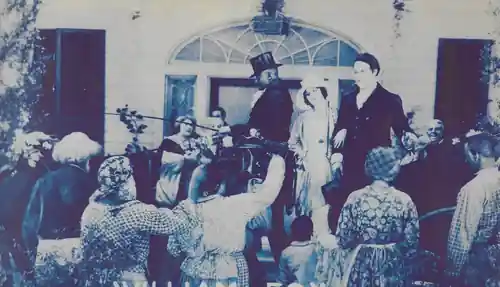
At its core, 'Kentucky Days' is a profound exploration of trust, or rather, the catastrophic consequences of its absence and breakdown in communication. Don's well-intentioned but ultimately disastrous decision to withhold information from his wife and mother is the original sin from which all subsequent tragedy springs. It highlights how easily even noble intentions can pave the road to ruin when transparency is sacrificed for surprise. The film implicitly argues for the vital importance of open dialogue, especially in relationships. The cousin's villainy, while overt, is enabled by Don's silence. Margarite's death underscores the fragility of human connection and the devastating power of misinterpretation. This thematic thread resonates even today, reminding us that assumptions and unaddressed grievances can unravel the strongest bonds.
The narrative also delves into themes of honor and vengeance, particularly in Don's swift retribution against his cousin. This was a common trope in Westerns and melodramas of the period, reflecting societal values where personal honor was paramount and often defended with violence. However, the film moves beyond mere vengeance, evolving into a narrative of redemption. Don's initial impulse to abandon Elizabeth and retreat into solitary bitterness is gradually overcome by her persistence and his own reawakened love. This arc, from self-destructive rage to a renewed commitment to love, is where the film finds its most enduring emotional power. It's a journey of self-discovery as much as it is a physical trek across the continent, a testament to the human capacity for forgiveness and growth, even after profound trauma. We see a similar, though perhaps more comedic, exploration of marital complexities and reconciliation in films like Don't Change Your Husband, showcasing how the challenges to matrimony were a consistent fascination for filmmakers, whether dramatic or lighthearted.
While Farnum and Woodthrop carry the bulk of the emotional weight, the supporting cast provides crucial anchors. William De Vaull and Bruce Gordon, likely playing roles that contribute to the societal backdrop or the cousin's machinations, would have added texture to the film's world. The presence of Chief Yowlachie, often cast in roles depicting Native Americans, suggests the film's engagement with the broader landscape of the American West, though the depth of his character's contribution would, of course, be limited by the conventions of the time. These ensemble players, though perhaps not receiving the same screen time as the leads, were vital in creating the believable, intricate world in which Don and Elizabeth's tumultuous romance unfolds. Their performances, even in smaller capacities, contribute to the overall authenticity and dramatic impact, grounding the larger-than-life emotions in a tangible reality.
'Kentucky Days' might not be as widely discussed as some other silent epics, but it stands as a compelling example of early American filmmaking. Its blend of historical setting, frontier adventure, and intense personal drama would have captivated audiences of its time. For contemporary viewers, it offers a window into the storytelling techniques and cultural values of the 1920s, showcasing how filmmakers used visual language to convey complex narratives without the benefit of sound. The film's enduring appeal lies in its exploration of universal human experiences: the pursuit of wealth, the complexities of love, the agony of betrayal, and the possibility of forgiveness. It reminds us that even a century ago, cinema was capable of weaving intricate tapestries of human emotion, drawing audiences into worlds both familiar and fantastical. Much like the intricate web of relationships explored in Matrimonial Web, 'Kentucky Days' delves into the often-tangled complexities of romantic attachment, albeit with a more dramatic and Western-infused backdrop.
In its final moments, 'Kentucky Days' delivers a powerful message of enduring love. The reunion of Don and Elizabeth, forged in the crucible of separation, betrayal, and the harsh realities of the Western wilderness, is a poignant testament to the resilience of the human heart. Their decision to continue to California, not as broken individuals but as a reunited couple, signifies a triumph over adversity and a commitment to building a future together, free from the shadows of the past. It's a conclusion that, while perhaps neatly tied, feels earned through the characters' trials and tribulations. The film leaves us with the sense that true love, once rediscovered and reaffirmed, possesses an unbreakable strength, capable of overcoming even the most profound misunderstandings and the most devastating betrayals. This journey of hardship leading to a stronger bond is a narrative pattern seen across many genres, from the dramatic intensity of Nerven to the more lighthearted, yet still challenging, paths to happiness in films like A Jazzed Honeymoon, illustrating cinema's persistent fascination with the tests and triumphs of human connection.
Ultimately, 'Kentucky Days' is more than just a silent film from a bygone era; it is a resonant piece of cinematic history that speaks to the enduring power of storytelling. It reminds us of the fundamental human desires for love, fortune, and belonging, and the often-circuitous, painful paths we take to achieve them. Its dramatic flourishes, expressive performances, and visually driven narrative make it a compelling watch for anyone interested in the roots of American cinema and the timeless tales it sought to tell.
IMDb —
1923
Community
Log in to comment.