DbcultAccessing Vault...
Cult Review
Senior Film Conservator

From the moment the screen flickers to life, The Flames of Johannis plunges its audience into a world steeped in the stark realities of rural Pennsylvania, a landscape as unforgiving as the human heart. This is not merely a story; it is a profound exploration of destiny, sacrifice, and the intricate, often agonizing, dance between duty and desire. Alfred Hickman and Hermann Sudermann, with their masterful screenplay, craft a narrative that resonates with the timeless echoes of classical tragedy, yet feels intensely personal, drawing us into the lives of characters bound by circumstance and torn by unspoken affections.
The film opens in a crucible of hardship: a winter of terrible drought, a metaphor for the emotional desiccation that permeates the lives of its protagonists. Vogel, a man whose prosperity is matched only by his stern demeanor, is thrust into an unexpected guardianship. His brother’s suicide, a shadow of ignominy, leaves young George orphaned and dependent, a burden Vogel seemingly accepts with a mixture of obligation and barely concealed resentment. This foundational act of reluctant charity sets the stage for a lifetime of complex emotional debts.
Almost immediately, another twist of fate introduces Marika, an infant found on the brink of death, clutched by an old gypsy woman. Vogel's decision to adopt Marika alongside George is less an act of pure benevolence and more a calculated acquisition, severing her ties to her nomadic heritage for a sum of money. This chilling transaction, where a mother relinquishes her child for a pittance, foreshadows the transactional nature of love and belonging that will plague Marika throughout her existence. She and George become known as the "calamity children," a label that clings to them like a shroud, predicting a future fraught with misfortune. This early setup, reminiscent of the poignant foundling narratives found in films like The Fairy and the Waif, immediately establishes a sense of predestination and the weighty influence of one's origins.
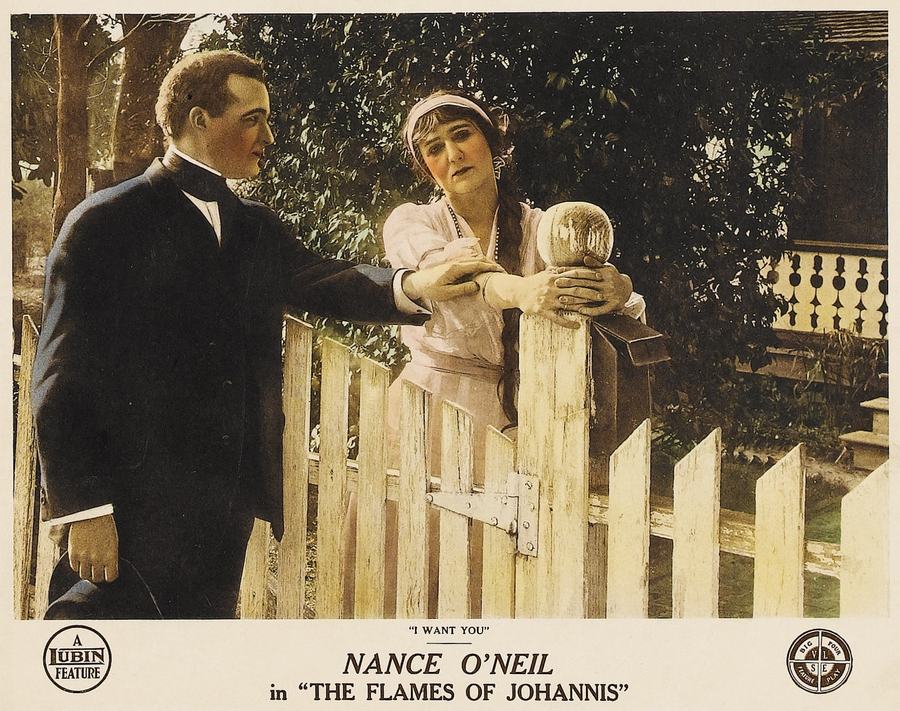
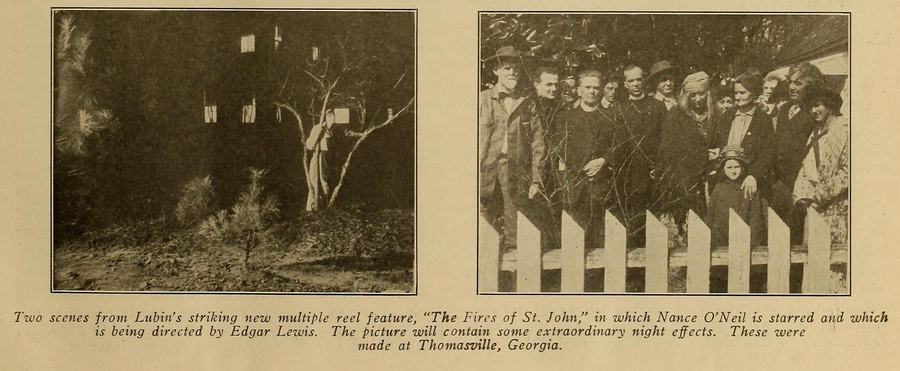
Their early years are marked by an innocent, burgeoning affection. Marika and George grow together, their bond deepening amidst the rustic simplicity of their lives. The planting of their "sweetheart tree" is a moment of exquisite tenderness, a symbol of their burgeoning love, rooted in shared experience and burgeoning dreams. It's a universal image, yet here, it carries a delicate fragility, an almost doomed beauty. James Cassady as George and Nance O'Neil as Marika (presumably in their younger iterations, or perhaps the roles are shared across actors for different ages, though the plot doesn't specify) imbue these early scenes with a genuine warmth that makes their eventual separation all the more heart-wrenching.
However, the shadow of Vogel's (Victor Sutherland) harsh pragmatism looms large. His contempt for George's "sentimental silliness" is a chilling harbinger of the emotional repression he embodies. The subsequent revelation of George's father's suicide and the burden of debt Vogel bore is a calculated strike, delivered with venomous intent. This cruel disclosure is the catalyst for George's self-imposed exile, a dramatic turning point that echoes the themes of shame and reputation explored in films like Public Opinion. His vow to return only when he can repay Vogel in full is a testament to his wounded pride and burgeoning sense of honor, simultaneously noble and tragically misguided. The film powerfully portrays how a single, cutting remark can alter the course of entire lives, setting in motion a chain of events that no one can fully control.
Years later, the narrative gracefully transitions to Marika and Gertrude (Ethel Tully) as young women, their lives having unfolded against the backdrop of George’s absence. Marika, her heart a repository of steadfast affection, learns of George's prosperity and impending return. The anticipation is palpable, a quiet storm brewing beneath her composed exterior. Yet, the reunion is not the joyful culmination of childhood dreams. Vogel, ever the orchestrator of destinies, now sees George as a suitable match for his biological daughter, Gertrude, a pragmatic alliance designed to consolidate wealth and status, blind to the deep currents of emotion flowing beneath the surface.
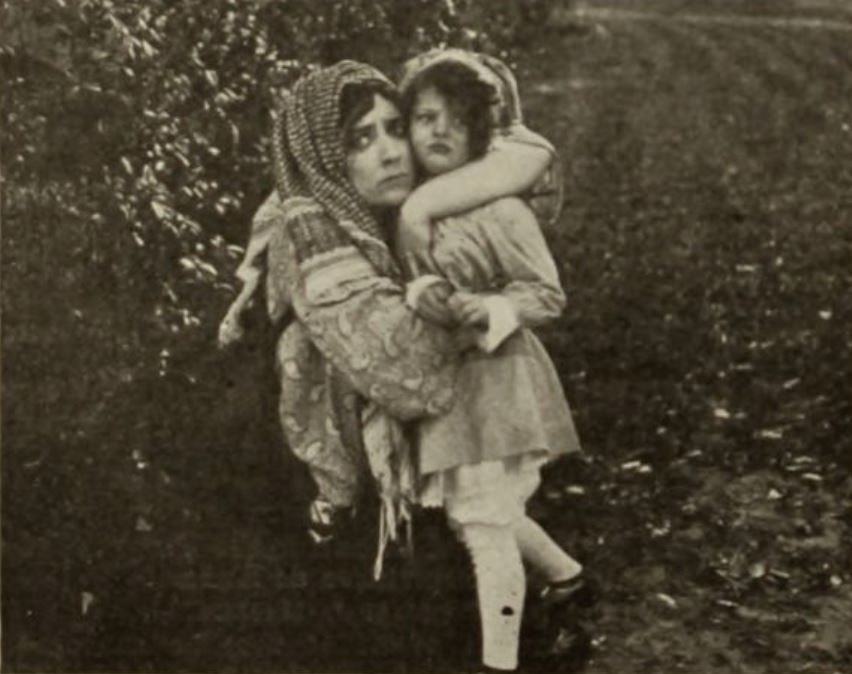
Marika, driven by a profound, almost pathological, sense of gratitude to Vogel for her upbringing, stifles her own desires. Her love for George, once an open blossom, becomes a tightly guarded secret, a burning ember within her breast. This act of self-abnegation is a central pillar of the film's emotional architecture. It's a choice born of perceived duty, a tragic misinterpretation of loyalty that leads her to erect an impenetrable barrier between herself and the man she loves. George, bewildered by her inexplicable aloofness, interprets her reserve as indifference, leading to a fit of pique and a hasty proposal to Gertrude. This agonizing misunderstanding, a classic dramatic device, is rendered with exquisite pain, each character trapped in a web of their own making, or rather, a web woven by the patriarchal hand of Vogel. The performances here, particularly O'Neil's portrayal of Marika's internal struggle, are critical in conveying the depth of this emotional chasm. It's a silent suffering, a testament to the power of unspoken words and unfulfilled longings, reminiscent of the societal pressures and hidden desires explored in The Climbers.
Marika's self-imposed penance continues as she insists on preparing the marital home for George and Gertrude in a neighboring village. These frequent, solitary journeys become a symbolic pilgrimage, a journey deeper into her own fractured identity. On one such night, fate, or perhaps the relentless pull of blood, intervenes. She encounters the old gypsy woman (Mary Carr), her biological mother, who seizes her, calling her "daughter." The recognition is jarring, a visceral shock that shatters Marika's carefully constructed world.
Returning home, Marika overhears her foster family discussing the long-ago incident of meeting the gypsy. The pieces fall into place, revealing the full, devastating truth: the "old hag" is her mother, the woman who sold her, the specter who has haunted the fringes of her memory. This realization is a double-edged sword: it explains the mysterious incident at Gertrude's christening, the vague sense of otherness, but it also strips away the last vestiges of her childhood innocence, leaving her adrift between two worlds. The film masterfully uses this revelation to amplify Marika's isolation, making her an outsider even within the family she sacrificed everything for. The dramatic weight of this discovery, an intricate unveiling of long-held secrets, bears a thematic kinship with the intricate plots and hidden truths found in Mysteries of the Grand Hotel, where identities and past events shape present destinies.
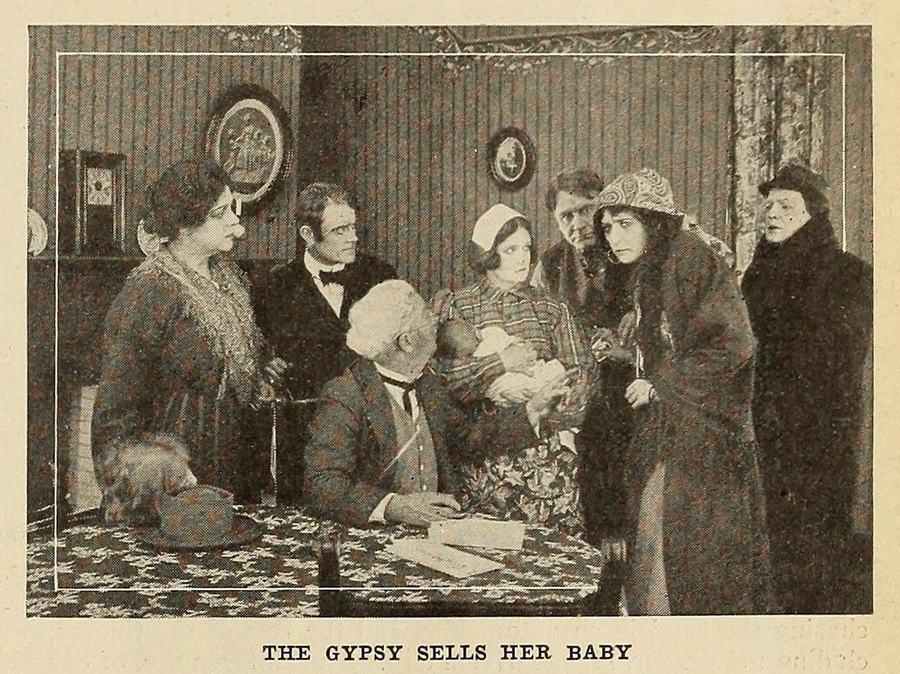
The narrative hurtles towards its emotional zenith on St. John's Eve, a night traditionally associated with magic, passion, and the unraveling of inhibitions. It is two days before George and Gertrude's wedding, and Marika is to make her final trip. The air is thick with unspoken tension. George, unable to sleep, remains awake to keep Marika company until her train. In the quiet intimacy of the night, with the impending finality of his departure from her life, Marika's carefully constructed emotional dam breaks. The pent-up passion of years, the love she has so fiercely suppressed, erupts in a desperate plea for George to take her in his arms. It is a moment of raw, unbridled emotion, a fleeting victory for the heart over the suffocating dictates of duty.
Tragically, this tender, illicit embrace is witnessed through the window by the old gypsy woman, Marika's mother, who, with chilling opportunism, immediately recognizes the potential for blackmail. This cynical intrusion injects a layer of sordid reality into the romantic tragedy, highlighting the harsh consequences of hidden desires. As dawn breaks, George, emboldened by Marika's reciprocated affection, begs her to let him confess their love to Vogel, to break the engagement. But Marika, ever the martyr, refuses. Her refusal is not born of weakness, but of an almost superhuman capacity for self-sacrifice. She envisions the devastation to Gertrude, the heartbreak to her foster parents, and chooses to bear the burden of her love in silence, a decision that seals her fate and elevates her to a tragic heroine of immense emotional fortitude. This moment of choice, between personal happiness and familial devastation, is reminiscent of the moral quandaries faced by characters in The Long Chance, where the stakes of a single decision can ripple through an entire community.
The wedding day itself is a tableau of exquisite agony. Marika stands by, a silent witness to the union of the man she loves with her foster sister. Her breaking heart is a palpable presence, a testament to Nance O'Neil's profound ability to convey deep emotion without a single word. The irony is excruciating: the very act of love she has nurtured is now being consecrated to another, a direct consequence of her own unwavering loyalty.
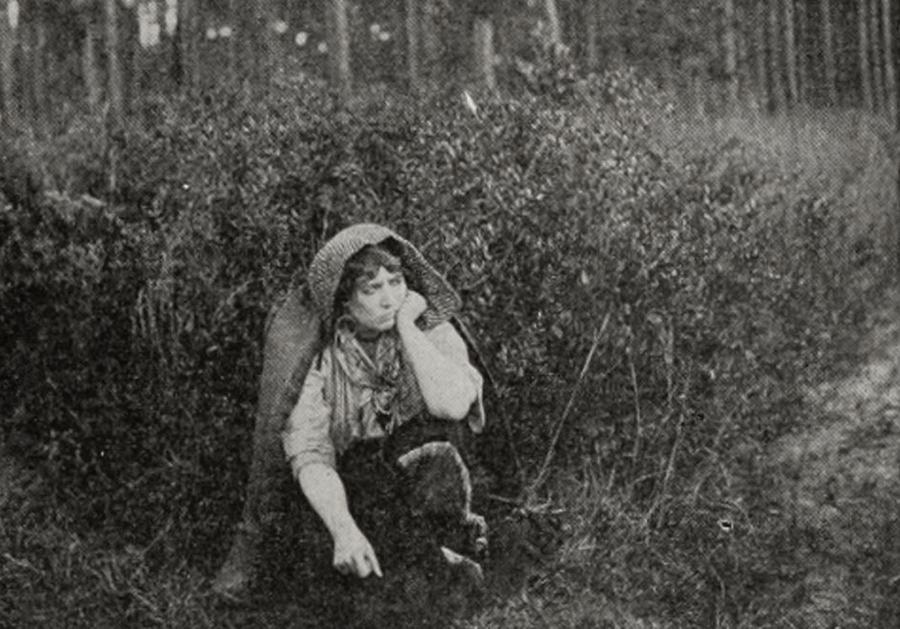
Meanwhile, the old gypsy woman, a symbol of Marika's repressed past and the darker aspects of human nature, makes her final, dramatic appearance. Discovered intoxicated in Vogel’s cellar during the wedding festivities, she is arrested, her degradation a stark contrast to the sanctity of the ceremony above. Marika, learning of her mother's plight, rushes to her side in jail, finding her gravely ill. The gypsy dies in delirium, a tragic figure whose life of hardship and opportunism ends in squalor. Her death, though perhaps a relief from the threat of blackmail, leaves Marika with a complex legacy of abandonment and a stark reminder of her own precarious identity.
The film concludes with a moment of quiet, profound solace. Pastor Hoffman (Isaac Dillon), a character who has silently loved Marika throughout her trials, finds her bending over her deceased mother in the prison cell. His embrace is not one of romantic fervor, but of deep, compassionate understanding. It is an offer of unconditional love, a sanctuary from the storms of her life. Marika leaves the prison with him, her future uncertain, but no longer alone, no longer burdened by the immediate demands of her past or the crushing weight of her unrequited love. This ending, while not a conventional "happily ever after," offers a powerful message of redemption through acceptance and the enduring power of human kindness. It suggests that true love might not always be the passionate, all-consuming kind, but rather the steady, unwavering support that allows one to heal and move forward. This understated resolution provides a stark contrast to the dramatic climaxes often seen in contemporary dramas, emphasizing the emotional journey over sensationalism, akin to the nuanced character developments in Doctor Nicholson and the Blue Diamond, which often delve into the moral complexities of human relationships.
The Flames of Johannis is a rich tapestry woven with threads of profound thematic resonance. At its core lies the eternal conflict between individual desire and societal expectation, between the impulse of the heart and the chains of duty. Marika's character embodies this struggle most acutely. Her self-sacrifice, while admirable in its purity, also highlights the destructive potential of excessive altruism. She is a figure of tragic beauty, her happiness consistently deferred for the sake of others, her agency often curtailed by the manipulations of those around her.
The film also delves into the complex nature of family. Vogel's household is a microcosm of fractured relationships, where adoption, blood ties, and emotional manipulation intertwine. The concept of "calamity children" speaks to a prevalent societal belief in predestination, a kind of inherited misfortune that shapes their identities. The gypsy element introduces questions of social class, prejudice, and the longing for belonging. Marika's dual heritage — adopted into a respectable farming family yet born of a nomadic, marginalized culture — makes her a perpetual outsider, a theme that resonates with many narratives of the era. The way society judges and labels individuals, often based on their origins, is a powerful undercurrent, forcing characters to navigate a world that often refuses to see beyond superficial categories.
The motif of the "sweetheart tree" is particularly potent, symbolizing the natural, organic growth of love that is ultimately stunted by human interference and external pressures. It stands as a silent witness to both the blossoming of innocent affection and its eventual, painful suppression. The title itself, The Flames of Johannis, evokes the pagan rituals of St. John's Eve, traditionally a time for bonfires, revelry, and divinations of love. Here, the "flames" are symbolic: the burning passion between Marika and George, the fire of truth that reveals Marika's heritage, and the destructive sparks of Vogel's cruelty. It's a title that perfectly encapsulates the blend of naturalistic drama and symbolic weight.
The ensemble cast delivers performances that elevate the material beyond mere melodrama. Nance O'Neil's Marika is a study in restrained anguish, her expressive eyes conveying volumes of unspoken pain and unwavering resolve. She carries the emotional weight of the film, making her sacrifices believable and her plight deeply affecting. James Cassady brings a youthful earnestness to George, depicting his journey from impetuous youth to a man torn between love and honor with convincing depth. Victor Sutherland's Vogel is a masterclass in controlled villainy – not a mustache-twirling caricature, but a man whose rigid morality and self-righteousness inflict profound damage. Ethel Tully's Gertrude, though perhaps less central, portrays the unsuspecting bride with a quiet dignity, making Marika's sacrifice for her all the more poignant. Even the minor roles, such as Mary Carr's old gypsy woman, are imbued with a gritty realism, adding texture and complexity to the narrative.
From a cinematic perspective (imagining its original presentation), one can envision the masterful use of chiaroscuro to emphasize the moral shadows and emotional light, particularly in the intimate scenes between Marika and George. The stark winter landscapes, contrasted with the lushness of the "sweetheart tree" in bloom, would visually underscore the internal conflicts. The direction, likely focused on nuanced facial expressions and body language, would have been crucial in conveying the film's powerful emotional undercurrents, especially given the narrative's reliance on unspoken feelings and suppressed truths. The subtle shifts in lighting during St. John's Eve, from the warm glow of an indoor lamp to the encroaching chill of dawn, would have perfectly mirrored the characters' emotional states.
Ultimately, The Flames of Johannis transcends its specific period setting to deliver a timeless meditation on the human condition. It explores the enduring power of love, the corrosive nature of secrets, and the profound impact of choices made in the name of duty or perceived obligation. While the film’s narrative might seem to lean into the melodramatic, its execution, particularly through the nuanced characterizations and the thoughtful unraveling of its intricate plot, elevates it to a work of significant artistic merit. It's a story that lingers long after the final frame, prompting reflection on the sacrifices we make, the truths we conceal, and the enduring search for a place where one truly belongs. Much like The Intrigue, it masterfully demonstrates how secrets, once unearthed, can shatter lives and reshape destinies, leaving an indelible mark on all involved.
IMDb 6.1
1924
Community
Log in to comment.