DbcultAccessing Vault...
4.8/10
Senior Film Conservator
A definitive 4.8/10 rating for a film that redefined the boundaries of cult cinema. Hitchin' Posts remains a cornerstone of transgressive art.
The annals of early cinema are replete with narratives that, despite their often sparse plot descriptions, throb with an intense, raw emotionality. Among these, 'Hitchin' Posts' emerges as a compelling exemplar, a silent drama that, with a mere handful of narrative brushstrokes, paints a vivid tableau of betrayal, honor, and the volatile nature of familial bonds. At its heart lies a confrontation so primal, so deeply human, that it transcends the limitations of its era, speaking volumes without uttering a single word. This is not merely a story of two men coming to blows; it is an exploration of shattered trust, of societal expectations, and the explosive consequences when personal morality collides with the sacred ties of kinship.
The film’s central conflict, orchestrated by writers George C. Hull and Harold Shumate, is deceptively simple: Jefferson Todd, a man seemingly anchored by his familial obligations, discovers his brother-in-law, Louis Castiga, in a compromising situation with an unknown woman aboard a Mississippi River steamer. This single event, a moment of stark, unwelcome revelation, acts as the fulcrum upon which the entire dramatic weight of the film pivots. The choice of a Mississippi River steamer as the setting is nothing short of inspired. It’s a microcosm, a floating world where escape is impossible, where social decorum is both amplified and, paradoxically, tested to its limits. The river itself, an endless, indifferent current, serves as a powerful metaphor for the relentless march of consequences, carrying its passengers—and their secrets—towards an inescapable destination.
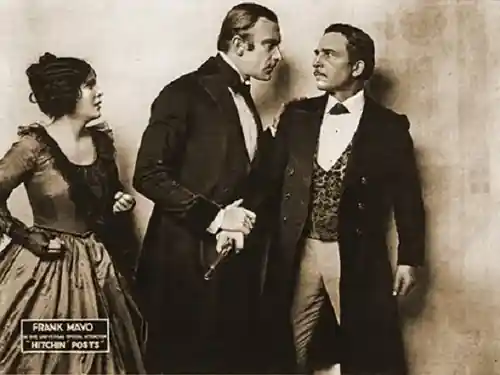
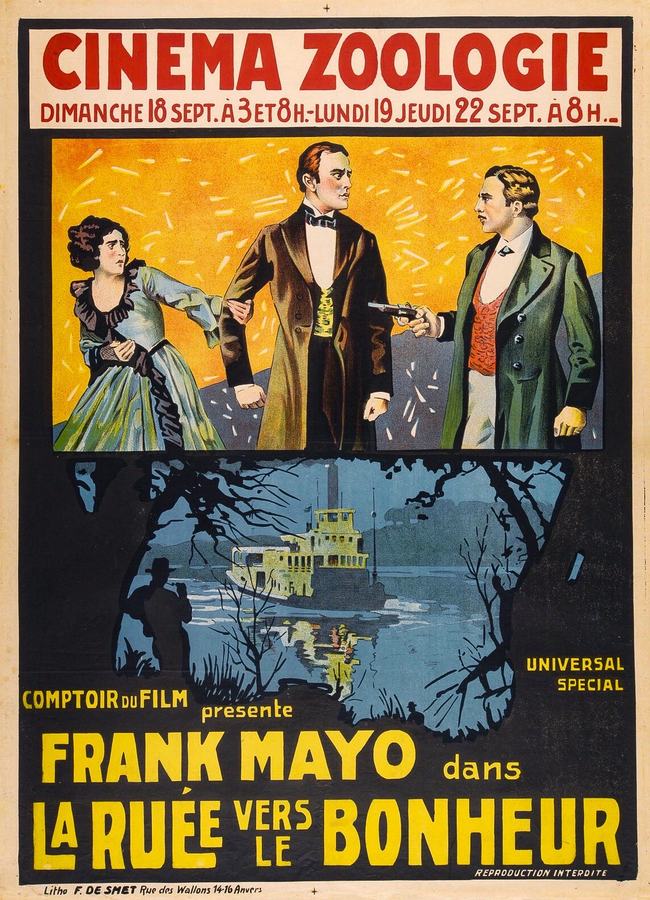
In an era devoid of spoken dialogue, the burden of conveying complex emotions and intricate motivations fell squarely upon the shoulders of the actors and the visual language of cinema. 'Hitchin' Posts' would have demanded performances of remarkable subtlety and power. The moment Jefferson Todd (likely portrayed with simmering indignation by an actor like Frank Mayo, known for his strong presence) confronts Louis Castiga (perhaps played by a more nuanced C.E. Anderson or Matthew Biddulph, capable of conveying both charm and duplicity), the tension would have been palpable. Every flicker of the eye, every clenched jaw, every tremor of the hand would have been meticulously choreographed to communicate the seismic shift occurring between these two men. This is where the true artistry of silent film shines, transforming gestures into soliloquies, expressions into declarations.
The narrative, while succinct, hints at layers of unspoken history and presumed fidelity. The term "brothers-in-law" immediately establishes a bond of trust, a familial expectation that has been profoundly violated. The "woman" remains anonymous in the plot synopsis, yet her presence is the catalyst, a silent symbol of transgression. This anonymity only amplifies the universal nature of the betrayal; she could be anyone, and the impact remains devastating. One can imagine the swift, dramatic intertitles, stark white text on black, cutting through the visual narrative to deliver pivotal lines or contextual explanations, guiding the audience through the emotional labyrinth the characters inhabit. The pacing, too, would have been critical – a slow build-up of suspicion, followed by the explosive climax of the confrontation, then perhaps a more contemplative resolution or lingering aftermath.
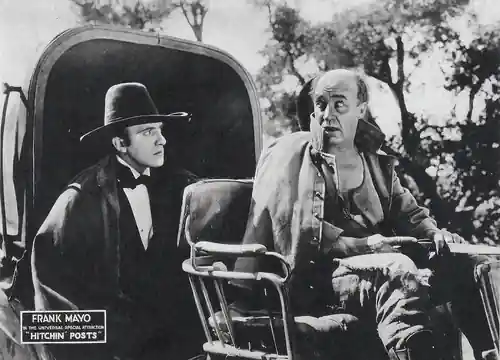
While specific roles beyond the two protagonists aren't detailed in the plot, the listed cast members—Beatrice Burnham, C.E. Anderson, Matthew Biddulph, Mark Fenton, Dagmar Godowsky, Joe Harris, Duke R. Lee, J. Farrell MacDonald, and Frank Mayo—suggest a formidable ensemble capable of delivering the dramatic weight required. Beatrice Burnham, often lauded for her expressive capabilities, might have portrayed a pivotal female role, perhaps the aggrieved sister of Jefferson Todd and wife of Louis Castiga, her heartbreak and disillusionment conveyed through powerful, non-verbal cues. Dagmar Godowsky, known for her vampish or dramatic roles, could have been the mysterious "woman," adding a layer of sophisticated allure or tragic complicity to the affair. J. Farrell MacDonald and Duke R. Lee, stalwarts of the era, would have brought gravitas and authenticity to supporting roles, perhaps as fellow passengers, ship crew, or figures of moral authority witnessing the unfolding drama.
Each actor's physicality, their mastery of pantomime and facial expression, would have been paramount. Consider the nuanced ways in which the shock of discovery, the heat of anger, the shame of exposure, or the quiet agony of a betrayed spouse would have been communicated. The art of silent acting was a highly developed craft, relying on exaggerated yet precise movements, a keen understanding of emotional trajectory, and the ability to project complex inner states to a distant audience without the aid of sound. 'Hitchin' Posts', by its very premise, demands such a tour de force from its performers, transforming a simple plot into a profound human drama.
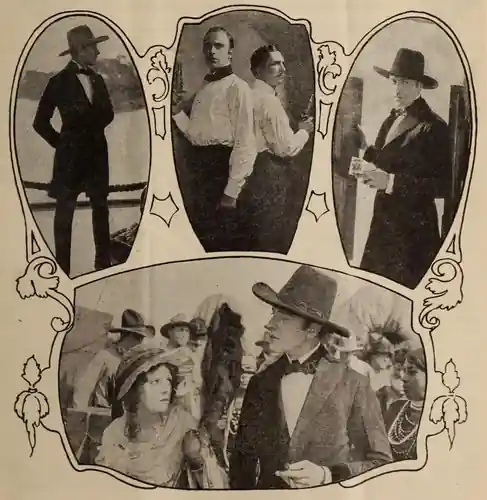
The film delves into universal themes that resonate far beyond its specific historical context. At its core, it's a profound meditation on trust—its establishment, its violation, and its catastrophic breakdown. The "hitchin' posts" of the title itself could be a metaphorical nod to the ties that bind, perhaps marital vows or familial allegiances, which are now being unhitched, undone by infidelity. The confrontation isn't just a physical altercation; it's a battle for honor, for the perceived integrity of the family name, and for the moral standing of individuals within their community. In an era where societal judgment held immense sway, such a public display of betrayal, even if confined to a steamer, would have carried significant social repercussions.
The writers, George C. Hull and Harold Shumate, demonstrate an acute understanding of human psychology, distilling complex emotional dynamics into a potent, cinematic conflict. Their ability to craft a compelling narrative from such a concise premise speaks to the strength of their storytelling. One might draw parallels to other films of the period that explored similar domestic strife and moral quandaries. For instance, the exploration of marital fidelity and its breakdown in The Better Wife or the societal pressures on women in Should a Wife Forgive? touch upon similar veins of social commentary, albeit perhaps from different angles. 'Hitchin' Posts' likely contributes to this rich tapestry of early cinema's engagement with the complexities of human relationships and the moral fabric of society.
While the raw power of 'Hitchin' Posts' lies in its dramatic confrontation, its enduring appeal, if viewed today, would also stem from its historical significance. It offers a window into the narrative conventions, acting styles, and thematic preoccupations of a nascent art form. The technical aspects, from the cinematography that captured the moving river and the confined spaces of the steamer to the editing that dictated the rhythm of the drama, would have been cutting-edge for its time. One can imagine the use of evocative close-ups to emphasize a character's emotional turmoil, or wide shots to establish the isolated grandeur of the river setting.
The film's exploration of personal and familial crisis, set against a backdrop that is both intimate and expansive, speaks to a timeless human experience. It's a reminder that even in the absence of spoken words, cinema possesses an extraordinary capacity to communicate the deepest currents of human emotion and conflict. The visceral impact of a brother-in-law discovering a betrayal, the subsequent eruption of violence, and the implied fallout for all involved create a narrative that is both specific to its characters and universal in its resonance. It’s a testament to the power of early filmmakers to craft compelling, emotionally charged stories that continue to captivate and provoke thought, proving that some tales of the human heart require no dialogue to be profoundly heard.
In an era where spectacle often dominated, 'Hitchin' Posts' likely stood out for its focus on deeply personal drama. It eschewed grand historical events or fantastical journeys, instead honing in on the seismic shifts within a family unit. This intimate scale, combined with the high stakes of honor and betrayal, would have made it a gripping experience for contemporary audiences, much as it would for modern viewers capable of appreciating the nuances of silent film. The strength of the performances, guided by the vision of Hull and Shumate, would have ensured that the emotional core of the story remained front and center, leaving an indelible impression long after the credits rolled. It's a film that, despite its brevity in plot description, promises a rich and complex emotional journey, a true gem in the silent era's crown.
IMDb 7.8
1918
Community
Log in to comment.