DbcultAccessing Vault...
Cult Review
Senior Film Conservator
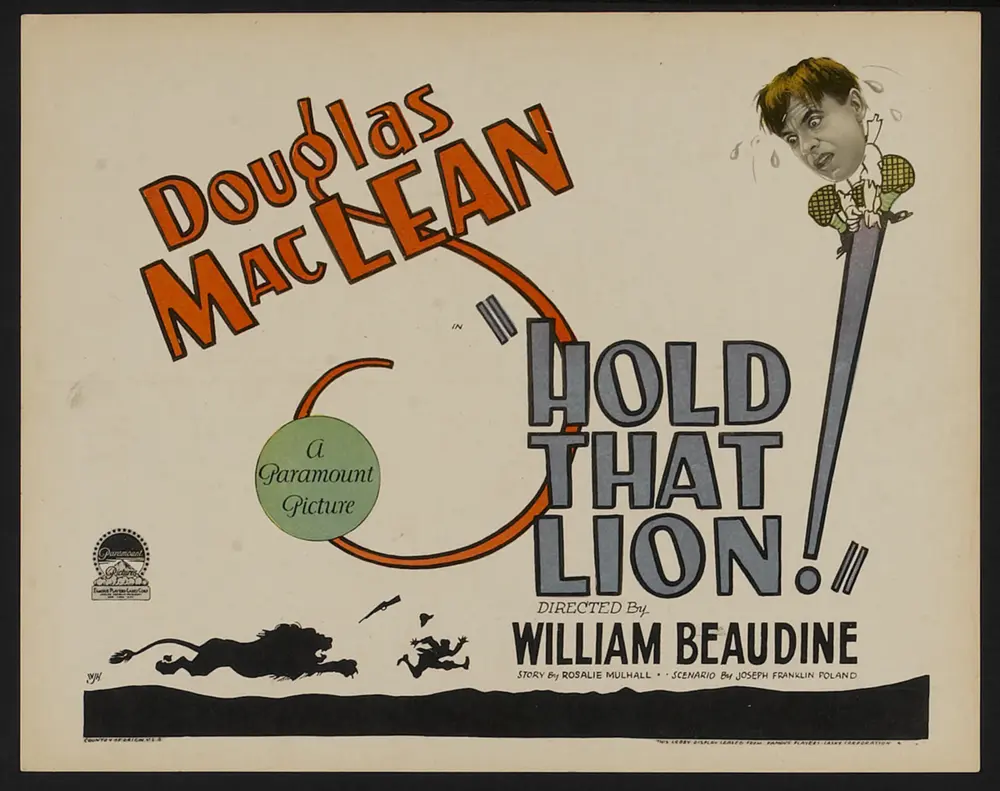
Is "Hold That Lion!" a film worth seeking out in the modern cinematic landscape? Short answer: yes, but with significant caveats that demand a specific taste. This silent-era romp is absolutely for those who appreciate the foundational mechanics of physical comedy and a narrative built on charming absurdity, yet it will likely leave viewers accustomed to contemporary pacing and nuanced character development feeling somewhat underwhelmed.
Early silent comedies often present a challenge to contemporary audiences, but "Hold That Lion!" carves out a niche. This film works because of its unwavering commitment to a singular comedic premise, allowing its lead, Walter Hiers, to fully embody the bewildered everyman caught in an escalating series of misinterpretations. It fails, however, in its often-sluggish pacing and reliance on broad stereotypes that, while common for its era, can feel grating to modern sensibilities. You should watch it if you're a devoted student of early cinema, a fan of physical comedy that predates the talkies, or simply looking for a lighthearted escape that demands little more than a willingness to embrace its quaint charm.
At its core, "Hold That Lion!" is a masterclass in comedic misdirection, a narrative device as potent in 1926 as it is today. The film hinges entirely on Jimmie Hastings's almost pathological infatuation with Marjorie Brand, an obsession so profound it propels him and his long-suffering friend, Dick Warren, across continents. This immediate, almost cartoonish love is the engine of the plot, demanding a suspension of disbelief that silent cinema often effortlessly achieves.
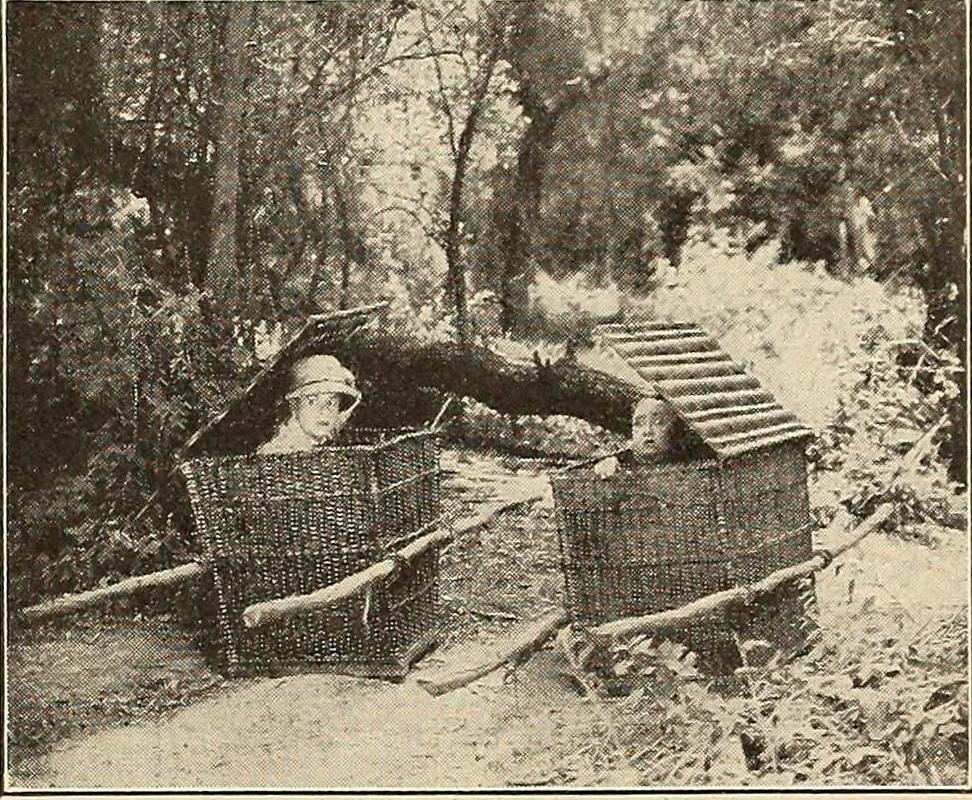
The writers, Rosalie Mulhall and Joseph F. Poland, craft a screenplay that, while simple, is remarkably effective in building anticipation. They understand that the humor lies not just in the eventual reveal, but in Jimmie's naive conviction that his grand romantic gesture will be met with equally grand affection. His pursuit of Marjorie is less about genuine connection and more about the pursuit itself, a comedic odyssey fueled by unrequited, yet persistent, desire.
The setup in Africa is particularly well-handled. The exotic setting immediately elevates the stakes, promising adventure while simultaneously setting the stage for the central misunderstanding. When Marjorie invites Jimmie on a hunt for "cats," the audience, much like Jimmie, likely conjures images of majestic, albeit dangerous, felines. The genius of the script is in playing on this expectation, allowing Jimmie's romanticized view of the world to collide head-on with a far more mundane, yet equally amusing, reality. It's a classic fish-out-of-water scenario, but with a clever twist.
What truly elevates the writing beyond mere slapstick is the character dynamic between Jimmie and Dick. Dick Warren serves as the grounded, often exasperated, voice of reason, a necessary foil to Jimmie's starry-eyed foolishness. This partnership provides a consistent source of humor, demonstrating that even in the silent era, strong character relationships were paramount to comedic success. Their interactions, though wordless, speak volumes about their enduring, if often strained, friendship.
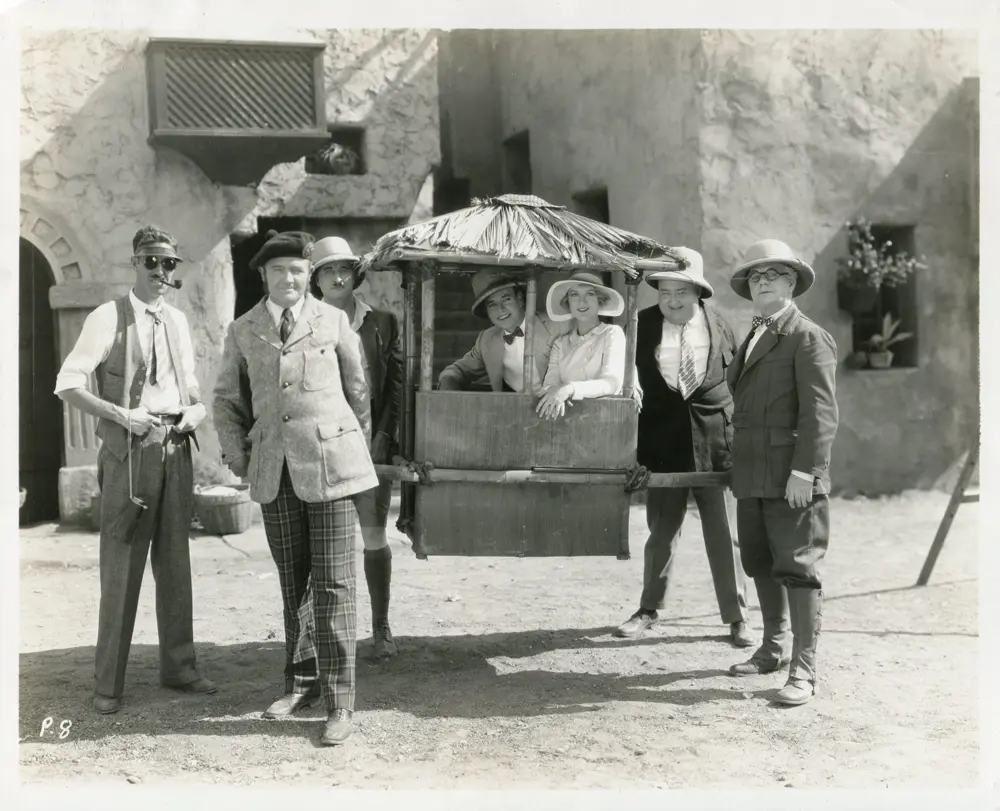
"The film's comedic strength lies in its ability to build an absurd premise with a straight face, only to pull the rug out from under its protagonist with delightful precision."
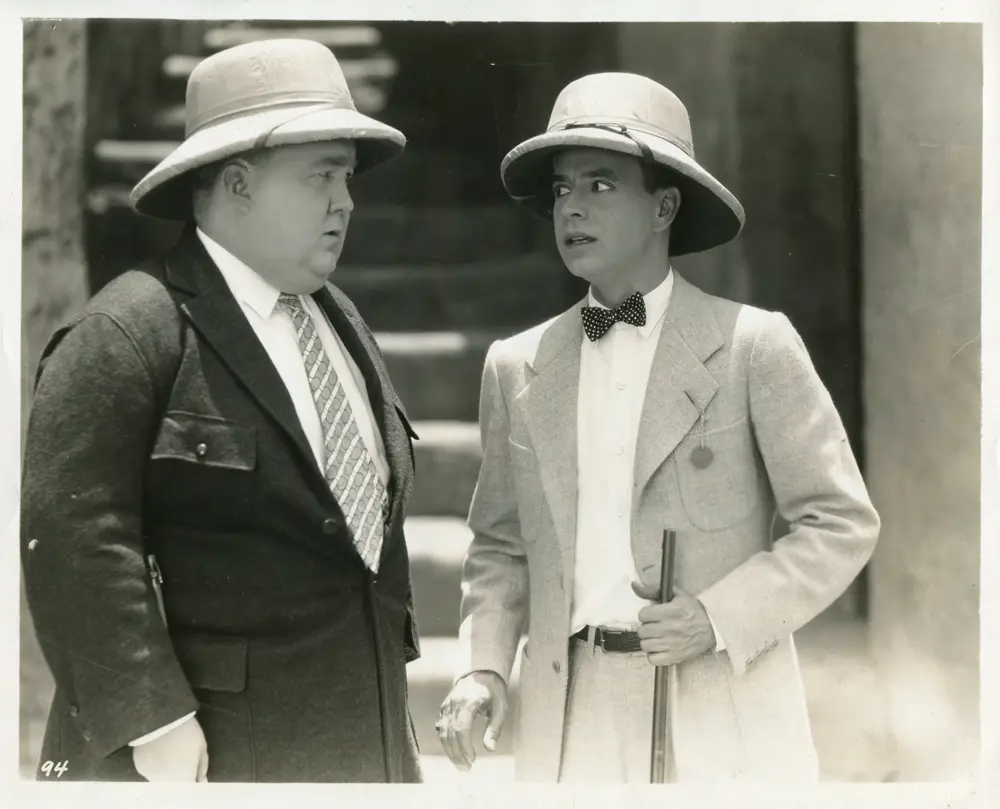
Walter Hiers, as Jimmie Hastings, is undeniably the lynchpin of "Hold That Lion!" His performance is a masterclass in silent-era physical comedy, relying heavily on exaggerated facial expressions, a lumbering gait, and a perpetually bewildered demeanor. Hiers isn't a subtle performer; he's a broad, theatrical presence, and the film is all the better for it. His specific brand of humor is less about precision and more about earnest, often clumsy, enthusiasm.
Consider Hiers's reactions to Marjorie. His eyes widen to an almost comical degree, his posture stiffens with an awkward adoration, and his attempts at suave charm invariably result in some form of physical mishap. There's a particular scene where he attempts to impress Marjorie with a grand gesture, only to stumble over his own feet, a moment that perfectly encapsulates his character's endearing ineptitude. This isn't groundbreaking comedy, but it is executed with a charming sincerity that makes Jimmie incredibly likable despite his oblivious nature.
Hiers's strength lies in his ability to convey Jimmie's internal state without a single spoken word. His wide-eyed innocence, his moments of dawning realization, and his eventual exasperation are all writ large on his face and in his movements. He uses his considerable bulk to comedic effect, often appearing out of place or struggling with environments not built for his frame. This visual humor is a hallmark of the era, and Hiers delivers it with a practiced hand.
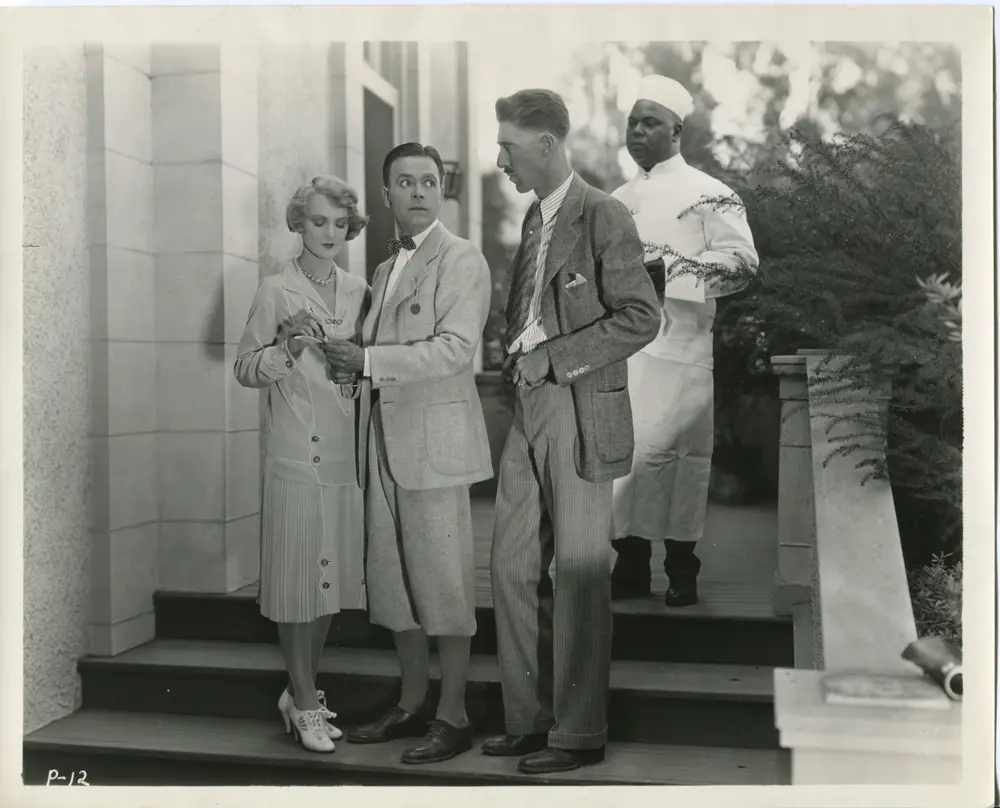
While Hiers carries the film, the supporting cast, particularly George C. Pearce as Dick Warren, provides essential counterpoints. Pearce's more understated, world-weary performance grounds Hiers's flights of fancy, creating a dynamic duo that feels both classic and timeless. Constance Howard, as Marjorie Brand, fulfills her role as the object of affection with a charming, if somewhat one-dimensional, presence. Her character is largely a catalyst, and Howard plays it effectively, embodying the kind of unattainable beauty that would drive a man like Jimmie to such lengths.
Joseph F. Poland's direction in "Hold That Lion!" is straightforward and functional, prioritizing clear storytelling and comedic timing over stylistic flourishes. This isn't a film that aims for artistic grandeur, but rather for efficient humor. Poland understands the mechanics of a good sight gag, allowing scenes to play out with a deliberate rhythm that maximizes their comedic impact. He frames his shots to emphasize Hiers's physical comedy, often using medium shots that capture the full scope of his movements and reactions.
The cinematography, while not revolutionary, is competent for its time. The African setting, likely achieved through a combination of stock footage, studio sets, and local California exteriors, is evoked well enough to establish the adventurous tone. There's a palpable effort to create a sense of exoticism and danger, even if the execution sometimes feels a little stagey. The use of natural light in some outdoor sequences is particularly effective, lending a sense of authenticity to the more adventurous moments.
Poland’s editing, too, serves the comedy. The cuts are generally clean, allowing the audience to follow the escalating absurdity without confusion. There are moments of quick cuts to emphasize a reaction shot or a sudden shift in action, but largely, the pacing is dictated by the need to let the physical gags breathe. This deliberate approach, while potentially slow for modern viewers, was standard for silent comedies and allowed audiences to fully absorb the visual humor.
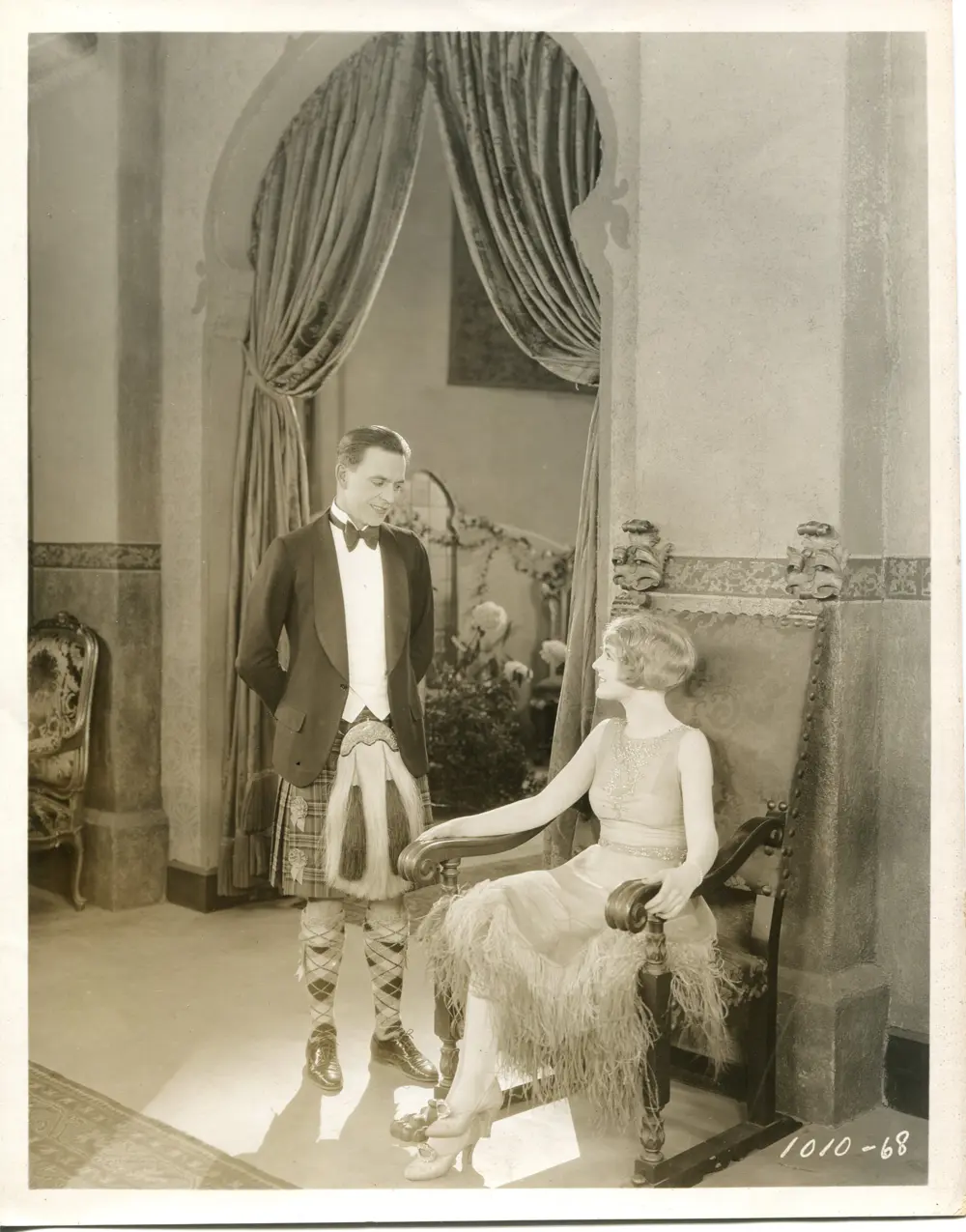
One surprisingly effective element is the use of relatively simple but well-designed sets for the indoor sequences. They provide a believable backdrop for the characters' interactions and allow the physical comedy to take center stage without distraction. The film doesn't try to be anything it's not, and that honesty in its production values is part of its charm. It works. But it’s flawed.
The pacing of "Hold That Lion!" is a significant point of contention for contemporary viewers. It moves with the unhurried grace typical of silent films, allowing scenes to unfold slowly, giving ample time for character reactions and the build-up of gags. This deliberate pace, while an acquired taste, is essential to the film's comedic structure. The journey around the world, for instance, isn't rushed; it's a series of vignettes that establish Jimmie's unwavering devotion and the growing exasperation of his friend.
Modern audiences, accustomed to rapid-fire editing and constant narrative propulsion, might find this languid rhythm challenging. There are stretches where the plot feels less like a locomotive and more like a leisurely carriage ride. However, to judge it by modern standards is to miss the point. Silent cinema operated on a different temporal logic, allowing viewers to savor the visual storytelling and fill in the emotional gaps with their own imaginations.
The tone of the film is overwhelmingly lighthearted and comedic, even when dealing with the implied dangers of an African hunt. There's a genuine sense of adventure that underpins the humor, preventing it from devolving into pure farce. The film never takes itself too seriously, yet it commits fully to its premise, creating a world where romantic obsession can lead to genuinely perilous, and hilarious, situations. This blend of earnestness and absurdity is what gives the film its unique flavor.
The film's tone also manages to sidestep excessive cruelty, a common pitfall for some early comedies. While Jimmie is often the butt of the joke, the humor never feels mean-spirited. Instead, it's rooted in his own innocent ineptitude and the sheer absurdity of his situation. This makes the film a more pleasant viewing experience, even if some of the cultural depictions feel dated by modern standards.
Yes, "Hold That Lion!" is worth watching today, especially for specific audiences. It offers a fascinating glimpse into early cinematic comedy.
It serves as an excellent example of Walter Hiers's comedic talent. The film's central misunderstanding remains genuinely amusing. It's a light, uncomplicated viewing experience. However, its slow pacing and dated elements might deter some. It's best appreciated by those interested in film history.
"Hold That Lion!" is not a lost masterpiece, nor is it a film that will fundamentally alter your understanding of cinema. What it is, however, is a delightfully quaint and surprisingly effective silent comedy that delivers on its simple premise. Walter Hiers is genuinely engaging as the lovestruck, oblivious Jimmie Hastings, anchoring the film with his distinctive brand of physical humor. While its pacing and some of its cultural references undeniably show their age, the core comedic mechanism – the grand misunderstanding – remains timelessly amusing.
For those willing to adjust their expectations and embrace the charm of early cinema, "Hold That Lion!" offers a pleasant diversion. It's a film that reminds us of the foundational power of visual storytelling and the enduring appeal of a good, old-fashioned sight gag. It's not a film for everyone, but for the right audience, it's a solid, if unspectacular, recommendation. It’s certainly worth preserving. If you're looking for a lighthearted journey back to the 1920s, with a few genuine laughs along the way, then by all means, let Jimmie Hastings take you on his peculiar African adventure.
IMDb 6
1935
Community
Log in to comment.