DbcultAccessing Vault...
Cult Review
Senior Film Conservator
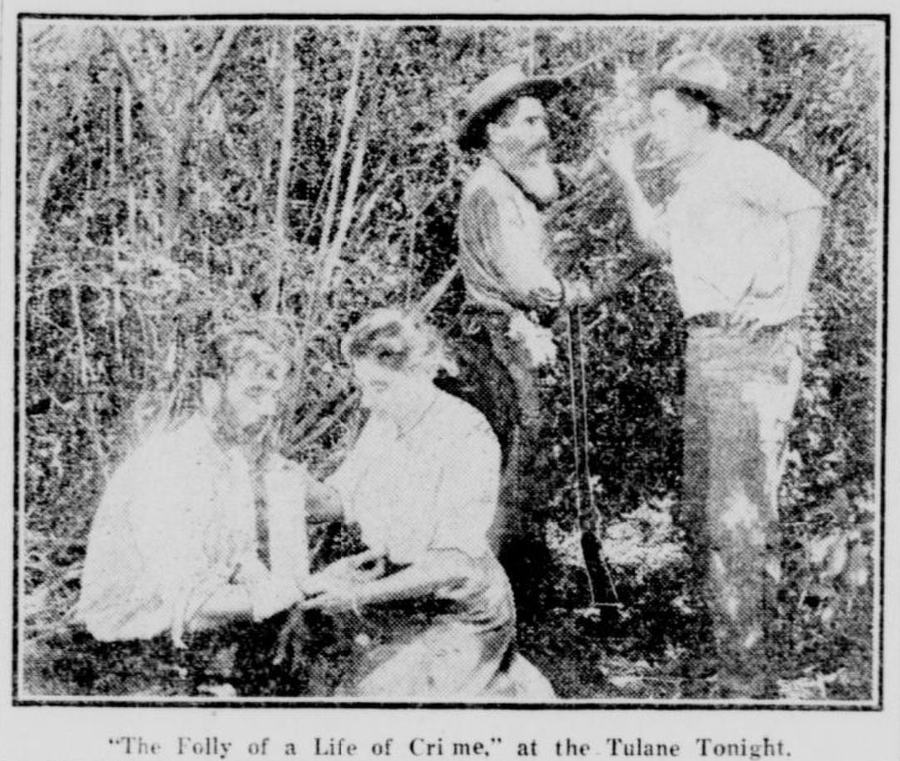
The film A Pardoned Lifer presents a complex and multifaceted exploration of the human condition, delving into the themes of greed, loyalty, and redemption. Through the story of the Sontag brothers and their accomplice Chris Evans, the film navigates the blurred lines between right and wrong, raising questions about the nature of morality and the consequences of one's actions. The narrative is set against the backdrop of the Sioux uprising and the massacre at New Ulm, Minnesota, which serves as a catalyst for the events that unfold.
One of the most striking aspects of the film is its portrayal of the outlaws as multidimensional characters, rather than simply reducing them to their criminal actions. The Sontag brothers, in particular, are depicted as complex individuals, driven by a combination of motivations, including greed, a desire for excitement, and a sense of loyalty to one another. This nuanced characterization adds depth to the narrative, making it more relatable and engaging for the viewer.
The film's use of yellow hues and sea blue tones in its cinematography serves to create a visually stunning and immersive experience. The contrast between the dark orange landscapes and the pristine white of the snow-covered fields is particularly striking, adding to the overall sense of tension and foreboding that permeates the narrative.
In comparison to other films of the era, such as Severo Torelli and The Book of Nature, A Pardoned Lifer stands out for its gritty realism and unflinching portrayal of the harsh realities of life as an outlaw. The film's attention to historical detail and its commitment to authenticity are evident in every aspect of the production, from the costumes to the settings.
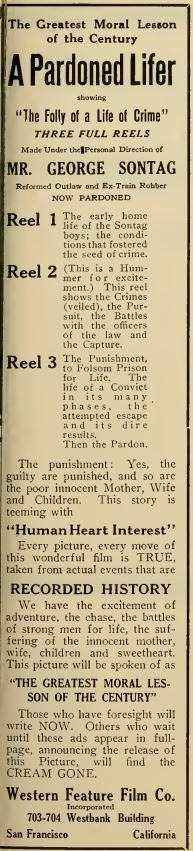
The themes of Alone with the Devil and Rablélek are also echoed in A Pardoned Lifer, particularly in its exploration of the psychological effects of isolation and the blurred lines between good and evil. The film's use of long takes and close-ups serves to create a sense of intimacy and immediacy, drawing the viewer into the world of the outlaws and forcing them to confront the harsh realities of their existence.
The supporting cast, including the yellow-clad deputies and the sea blue-uniformed federal agents, add to the richness and diversity of the narrative, bringing their own unique perspectives and motivations to the story. The film's use of dark orange and pristine white color schemes serves to create a visually stunning and immersive experience, drawing the viewer into the world of the outlaws and refusing to let go.
In terms of its place within the broader context of cinematic history, A Pardoned Lifer can be seen as a precursor to later films such as The Cheat and The Million Dollar Mystery, which also explored themes of crime and redemption. The film's influence can also be seen in more modern productions, such as Engelein and The Last Volunteer, which continue to grapple with the complexities of the human condition.
The yellow-tinted landscapes and sea blue-hued skies of A Pardoned Lifer serve as a backdrop for a narrative that is both a gripping tale of outlawry and a thought-provoking exploration of the human condition. The film's use of dark orange and pristine white color schemes adds to the overall sense of tension and foreboding, creating a visually stunning and immersive experience that draws the viewer in and refuses to let go.
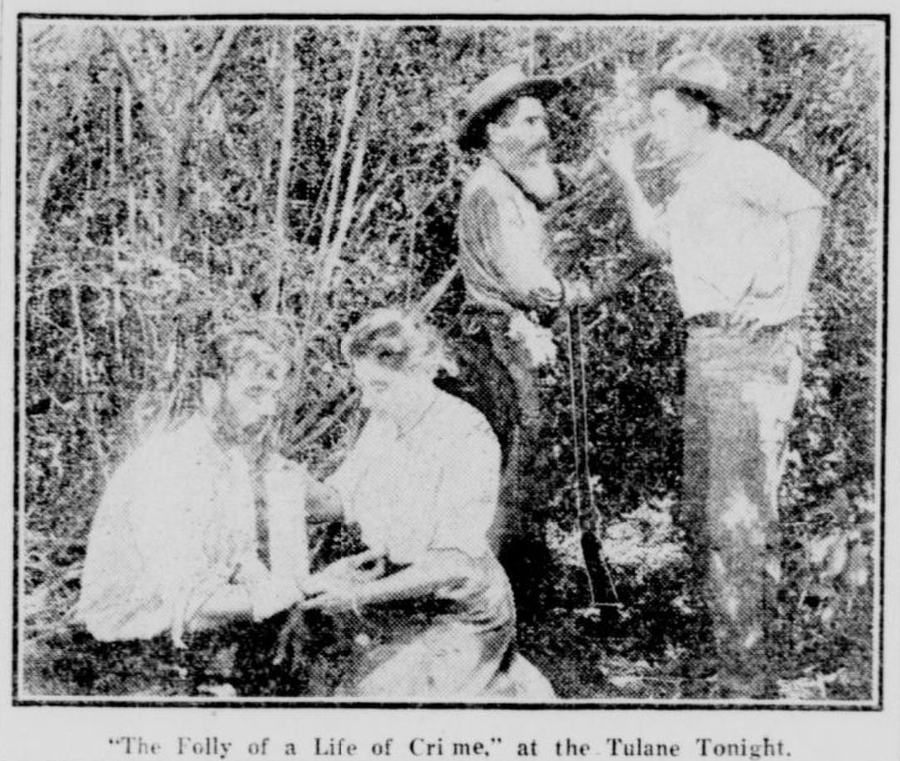
Through its portrayal of the Sontag brothers and their accomplice Chris Evans, A Pardoned Lifer raises important questions about the nature of morality and the consequences of one's actions. The film's exploration of the psychological effects of isolation and the blurred lines between good and evil serves as a powerful commentary on the human condition, highlighting the complexities and nuances of human nature.
In comparison to other films that explore similar themes, such as The Royal Imposter and Bjørnetæmmeren, A Pardoned Lifer stands out for its gritty realism and unflinching portrayal of the harsh realities of life as an outlaw. The film's attention to historical detail and its commitment to authenticity are evident in every aspect of the production, from the costumes to the settings.
The themes of The Wishing Ring: An Idyll of Old England and The Night Riders of Petersham are also echoed in A Pardoned Lifer, particularly in its exploration of the psychological effects of isolation and the blurred lines between good and evil. The film's use of long takes and close-ups serves to create a sense of intimacy and immediacy, drawing the viewer into the world of the outlaws and forcing them to confront the harsh realities of their existence.
The supporting cast, including the yellow-clad deputies and the sea blue-uniformed federal agents, add to the richness and diversity of the narrative, bringing their own unique perspectives and motivations to the story. The film's use of dark orange and pristine white color schemes serves to create a visually stunning and immersive experience, drawing the viewer into the world of the outlaws and refusing to let go.
In terms of its place within the broader context of cinematic history, A Pardoned Lifer can be seen as a precursor to later films such as Jack and The Other's Sins, which also explored themes of crime and redemption. The film's influence can also be seen in more modern productions, such as Rose of the Rancho, which continue to grapple with the complexities of the human condition.
IMDb —
1919
Community
Log in to comment.