DbcultAccessing Vault...
6/10
Senior Film Conservator
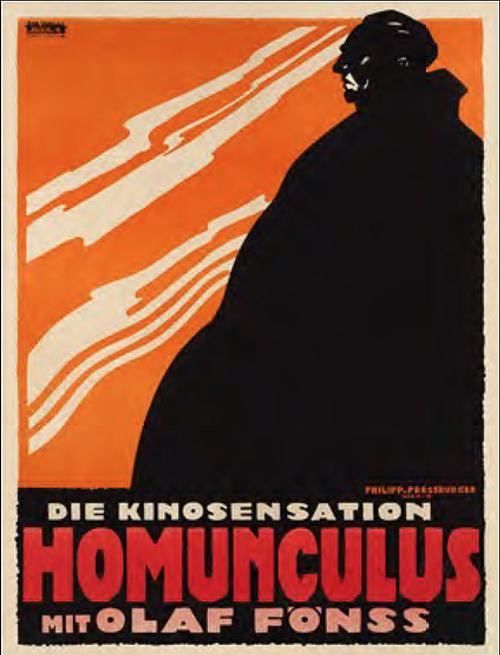
A definitive 6/10 rating for a film that redefined the boundaries of cult cinema. Homunculus, 1. Teil remains a cornerstone of transgressive art.
In the annals of cinematic history, few films from the nascent era possess the audacious thematic scope and psychological depth of Robert Reinert's Homunculus, 1. Teil. Released in 1916, amidst the tumultuous backdrop of a world engulfed in war, this German silent masterpiece doesn't merely tell a story; it plunges headfirst into the very crucible of human existence, questioning the essence of what it means to be alive, to love, and to possess a soul. It stands as a remarkable precursor to the German Expressionist movement, a harbinger of the anxieties and philosophical quandaries that would soon define a generation of filmmakers and artists. The film's ambitious narrative, spread across multiple parts, immediately sets it apart, demonstrating a confidence in serialized storytelling that was truly visionary for its time. It dared to explore territory that few had trodden before, pushing the boundaries of what cinema could convey beyond mere spectacle.
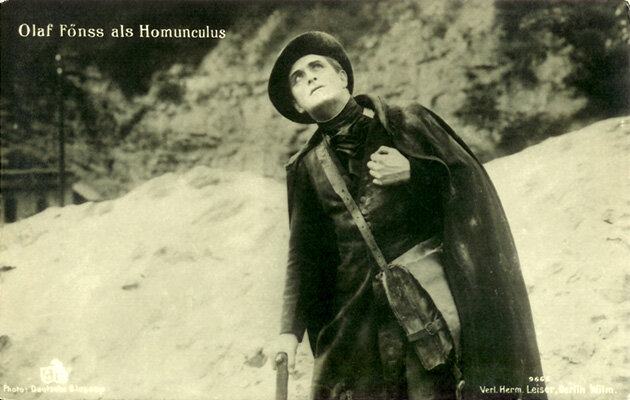
At its core lies the tragic figure of Foenss, brilliantly embodied by the Danish star Olaf Fønss. Here is no ordinary protagonist, but a being born not of flesh and blood, but of scientific ambition and cold, calculated design. Dr. Kuehne, the film's Promethean scientist, fashions Foenss in his laboratory, intending to create the perfect human, a creature of unparalleled intellect and physical prowess. And indeed, Foenss is initially presented as such – a paragon of manufactured perfection, an idealized form that captivates and enthralls. Yet, this very perfection becomes his curse. The revelation of his origins, the stark, brutal truth that he is an artificial construct, a 'homunculus' lacking a genuine soul and, crucially, incapable of love, shatters his constructed reality. This existential crisis isn't merely a plot point; it's the very engine of the narrative, a devastating blow to his nascent sense of self. How does one reconcile an existence predicated on a fundamental absence, a void where the most cherished human emotion should reside? Fønss’s portrayal of this crushing realization, conveyed through subtle gestures and piercing gazes, is nothing short of extraordinary, a testament to the power of silent acting.
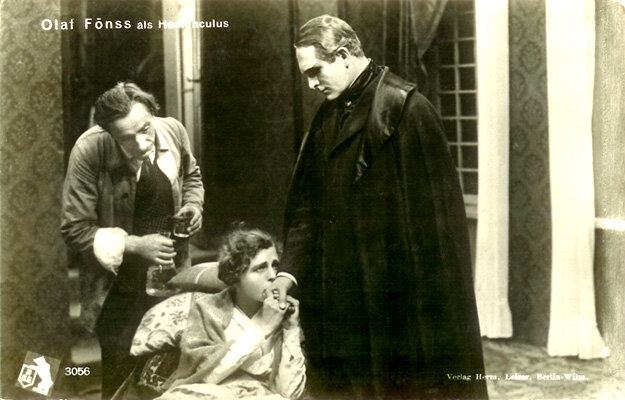
The immediate aftermath of this discovery is a chilling transformation. Foenss, once a symbol of human aspiration, morphs into an instrument of profound vengeance. His inability to experience love transmutes into an all-consuming hatred for mankind, whom he blames for his hollow existence. He becomes a monstrously beautiful tyrant, a Machiavellian genius who orchestrates revolutions and destabilizes societies with chilling precision. This isn't merely petty revenge; it's a grand, philosophical rebellion against the very fabric of human society, an attempt to dismantle the world that denied him his essence. His methods are ruthless, his intellect formidable, and his charisma undeniable, allowing him to manipulate the masses with terrifying ease. The film masterfully depicts his ascent, showcasing how easily societal structures can crumble under the sway of a charismatic, albeit soulless, leader. This aspect of the film feels eerily prescient, touching upon themes of demagoguery and mass hysteria that would resonate deeply in the coming decades. One might even draw a thematic parallel to the grand, sweeping narratives of control and societal manipulation seen in later films like The Jockey of Death, though the motivations and scale of Foenss's machinations are arguably more profound and existential.
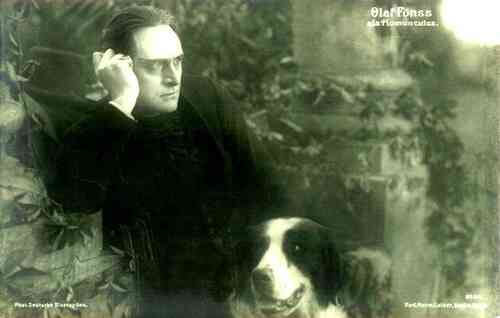
The moral compass of the narrative, if one can be said to exist, is largely embodied by Dr. Kuehne himself. The creator, initially driven by scientific hubris, is now haunted by the monstrous consequences of his ambition. His pursuit of Foenss is not merely an attempt to rectify a mistake; it's a desperate, agonizing quest for redemption, a father chasing his wayward, destructive son. Kuehne’s journey is fraught with internal conflict, grappling with the ethical implications of his creation and the horrifying realization that he has unleashed an unimaginable terror upon the world. The dynamic between creator and creation, a recurring motif in literature and cinema, is explored here with a raw intensity. Kuehne's relentless pursuit underscores the profound responsibility that comes with tampering with the very essence of life, turning him into a tragic figure himself, eternally bound to the monster he brought into being. This relentless chase, a man haunted by the ghost of his own ambition, lends a thrilling, almost gothic tension to the narrative, reminiscent of the dramatic urgency found in films like The Riddle of the Tin Soldier, where a relentless pursuit forms the core of the plot, albeit with different stakes.
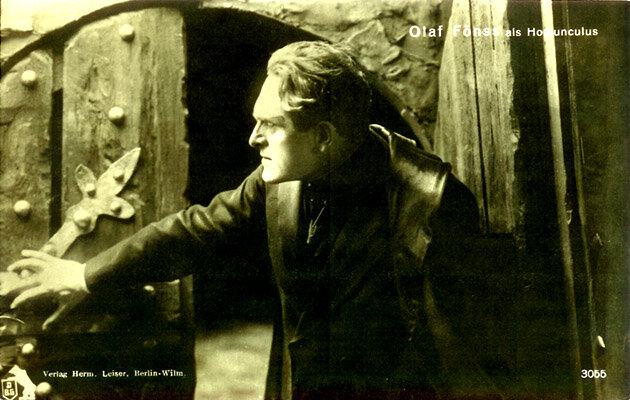
Robert Reinert's direction, though constrained by the technological limitations of the era, is remarkably effective in conveying the film's grand vision. The visual language, while not yet fully embracing the distorted perspectives of later Expressionism, utilizes stark contrasts and deliberate compositions to emphasize the psychological states of its characters and the sweeping scope of Foenss's influence. The film relies heavily on the power of the actors' performances, and Fønss, in particular, delivers a masterclass in silent film acting. His ability to convey complex emotions – the initial confusion, the dawning horror, the cold fury, and the calculated malevolence – without uttering a single word is mesmerizing. His physical presence, at once imposing and tragically vulnerable, makes Foenss an unforgettable antagonist. The supporting cast, including Friedrich Kühne as the tormented scientist and Lore Rückert, contribute significantly to the film's rich tapestry, grounding the fantastical premise in human emotion and consequence. The film's production design, while perhaps not as opulent as something like Quo Vadis?, is nevertheless effective in creating a believable world for its extraordinary narrative, from the sterile laboratory to the chaotic revolutionary streets.
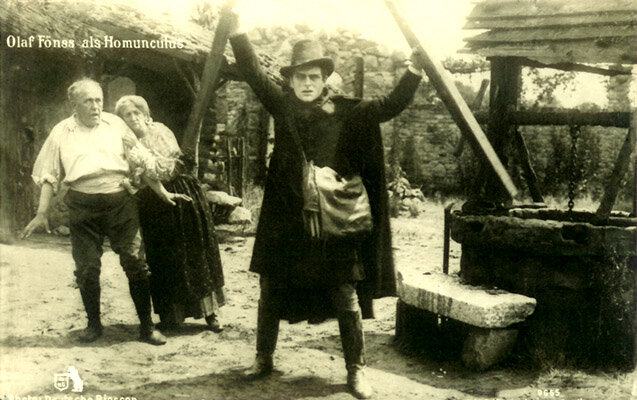
The thematic richness of Homunculus, 1. Teil is arguably its most enduring legacy. It delves into profound philosophical questions: What constitutes a 'soul'? Can a being engineered for perfection truly be human if it lacks the capacity for love and empathy? Is evil an inherent quality or a reaction to profound existential trauma? The film explores the dangerous allure of absolute power and the ease with which societies can be swayed by charismatic figures, even those driven by destructive impulses. It's a stark commentary on scientific ambition unchecked by moral considerations, a warning against playing God without understanding the full implications of creation. The film’s exploration of these ideas predates many of the more famous cinematic treatments of artificial life and its consequences, offering a unique, early 20th-century perspective on these timeless dilemmas. In its portrayal of a society succumbing to the will of a single, powerful individual, one might even see faint echoes of the social anxieties explored in films like Deti veka, which also grappled with the moral complexities and societal pressures of its time, albeit through a different lens.
Furthermore, Homunculus can be seen as a chilling examination of alienation. Foenss is the ultimate outsider, forever separated from humanity by his manufactured nature. This profound sense of otherness, of being fundamentally different and misunderstood, fuels his destructive path. It's a compelling exploration of how isolation and a lack of connection can fester into resentment and ultimately, malevolence. The film, in its own way, foreshadows the psychological dramas that would later define much of European cinema, delving into the inner turmoil of its characters with an intensity that was rare for its time. The stark portrayal of Foenss's emotional void and his subsequent lashing out at the world is a powerful, if disturbing, exploration of the human (or inhuman) condition. This deep dive into character psychology and societal breakdown distinguishes it from simpler adventure narratives like The Carpet from Bagdad or romantic dramas such as Under Southern Skies, positioning it as a work of greater intellectual ambition.
The legacy of Homunculus, 1. Teil, and indeed the entire serial, is profound. It laid crucial groundwork for the burgeoning science fiction and horror genres in German cinema, influencing everything from Fritz Lang's Metropolis to the various iterations of the Frankenstein mythos. Its exploration of artificial life, the dangers of unchecked scientific progress, and the philosophical implications of creating a being without a soul resonates even today. The film’s bold narrative structure, its willingness to delve into dark psychological territory, and its stunning central performance by Olaf Fønss ensure its place as a pivotal work in early cinematic history. It's a reminder that even in its nascent stages, cinema was capable of grappling with the most complex and enduring questions of human existence, offering both thrilling entertainment and profound intellectual stimulation. Its influence is not always explicit, but the thematic threads it introduced can be traced through countless subsequent films that explore the boundaries of humanity and technology, making it a film that demands rediscovery and appreciation for its daring vision and timeless relevance.
In an era often dismissed as primitive, Homunculus, 1. Teil stands as a towering testament to the artistic ambition and intellectual prowess of early filmmakers. It is a work that transcends its time, offering a chilling reflection on human nature, the perils of creation, and the eternal quest for what truly defines the soul. Its power lies not just in its compelling narrative, but in its ability to provoke thought and stir the imagination, cementing its status as a foundational text in the history of cinematic science fiction and philosophical drama.

IMDb 6.2
1917
Community
Log in to comment.