DbcultAccessing Vault...
6.2/10
Senior Film Conservator
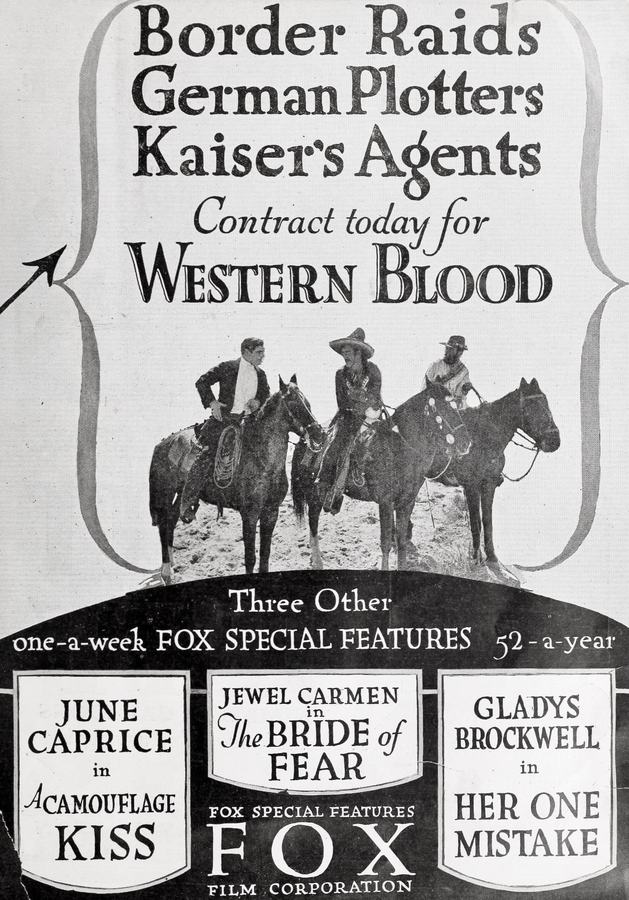
A definitive 6.2/10 rating for a film that redefined the boundaries of cult cinema. Western Blood remains a cornerstone of transgressive art.
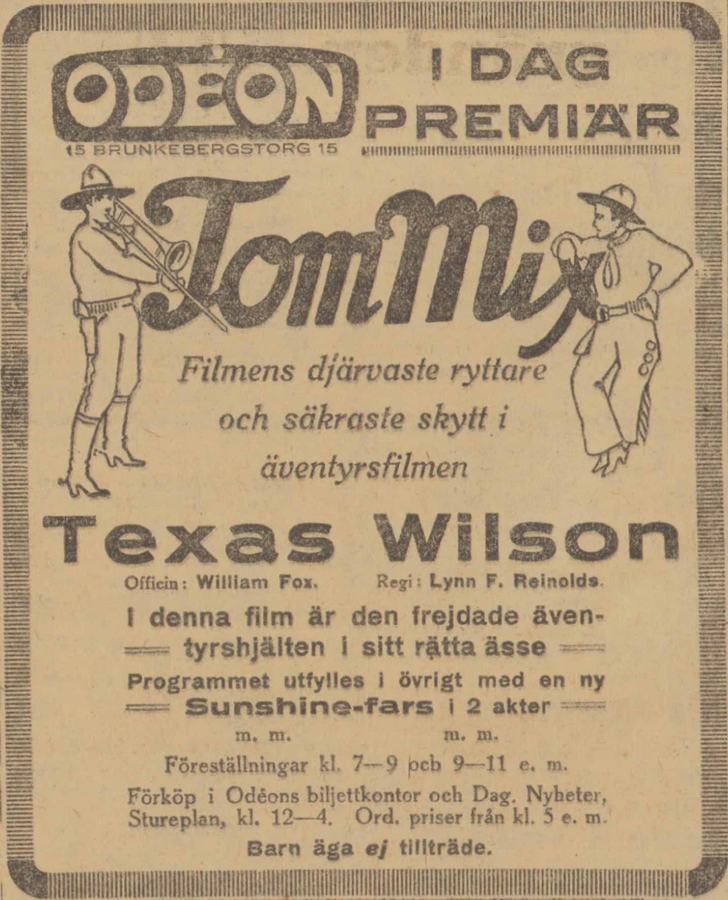
To gaze upon Western Blood is to witness the crystallization of the American Western mythos in its most embryonic and potent form. Released in 1918, a year defined by global upheaval and the shifting sands of the cinematic medium, this film serves as a testament to the charismatic magnetism of Tom Mix. Unlike the somber, moralistic frontiersmen portrayed by William S. Hart, Mix introduced a sense of exuberant athleticism and sartorial flair that would define the genre for decades. In Western Blood, directed by the frequently overlooked but technically proficient Lynn Reynolds, we find a narrative that balances the quaint charm of Victorian social mores with the raw, kinetic energy of the borderlands.
The film’s opening movements establish a fascinating dichotomy between the urban and the rural. Tex Taylor is not merely a cowboy; he is a titan of industry, a ranch owner of significant stature. Yet, his foray into Los Angeles reveals a man who remains uncorrupted by the burgeoning artifice of the city. This thematic thread—the rejection of superficiality—is a common trope of the era, seen in contemporary works like Overalls, where the dignity of labor is contrasted against the decadence of the elite. When Taylor arrives at the Colonel's dance in his travel-worn clothes, it is a deliberate act of honesty in an environment built on performance. He is a man who keeps his word, even if his appearance fails to meet the expectations of the high-society gatekeepers.
The dramatic engine of Western Blood is fueled by the foil to our hero: an agent for the Allies who seeks to secure horses for the war effort in Europe. This character is a fascinating relic of the time, reflecting the Great War's influence even on domestic American narratives. Unlike the domestic intimacy found in Wanted: A Mother, the stakes here are geopolitical and personal. The rival is a creature of shadows and deception, a stark contrast to Taylor's sun-drenched transparency. His pursuit of the Colonel's daughter, played with a blend of grace and grit by Victoria Forde, is less an act of love and more a strategic acquisition.
The mistake made by the bandit messenger is the pivot upon which the entire second act turns. By confusing the rival for Taylor, the narrative underscores a profound irony: the 'civilized' man is more easily ensnared by the lawless elements than the man who actually belongs to the frontier. This sequence of events leads to the capture of the heroine, shifting the film from a social comedy of manners into a high-stakes rescue mission. It is here that Reynolds’ direction truly shines, utilizing the expansive landscapes to create a sense of mounting dread and inevitable confrontation.
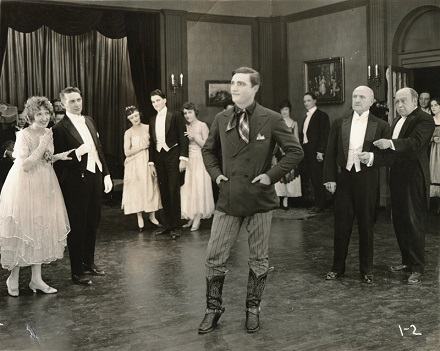
The crossing of the Rio Grande is more than just a plot point; it is a symbolic passage into a realm where the laws of the United States yield to the primal law of the 'right arm.' In this space, Taylor is in his element. The rescue of the heroine from Phul’s Mexican bandits is staged with a level of stunt work that was revolutionary for 1918. Tom Mix, performing his own stunts, brings a visceral reality to the screen that CGI-saturated modern audiences might find surprisingly refreshing. There is a weight to the punches and a genuine peril in the horse chases that anchors the film’s more melodramatic elements.
Consider the technical constraints of the time. Without the benefit of synchronized sound, the emotional weight of the rescue must be carried by the actors' physicality and the rhythmic editing of the action. Reynolds employs a visual language that is remarkably sophisticated, using long shots to establish the isolation of the bandit hideout before cutting into medium shots that emphasize the urgency of Taylor’s intervention. This is not the staged, theatrical movement found in Frou Frou; this is cinema asserting its unique identity as an art of motion.
To understand the significance of Western Blood, one must look at its contemporaries. While Over the Hill explored the domestic tragedies of aging and parental neglect, and Sonho de Valsa delved into the lyrical escapism of the musical-drama, Western Blood remained firmly rooted in the masculine expansionist myth. It shares a certain structural DNA with the Danish film Ansigttyven I, particularly in its fascination with identity and the 'thief' of one's persona, though its resolution is far more celebratory.
Furthermore, the film’s portrayal of the 'other'—in this case, the Mexican bandits—is reflective of the era's xenophobic anxieties, a stark contrast to the historical reverence found in German productions like Ostpreussen und sein Hindenburg. In the American Western, the border is a place of conflict, a crucible where the hero’s virtues are tested against an external threat. This is a far cry from the psychological introspection of Den Vanærede, focusing instead on the externalization of conflict through action and bravado.
The chemistry between Tom Mix and Victoria Forde is palpable, no doubt aided by their real-life marriage. Forde brings a level of agency to the role that was somewhat rare in the 'damsel in distress' era. While she is ultimately the one needing rescue, her decision to follow the rival out of the ranch shows a character driven by action rather than passive observation. She is not the whimsical figure seen in Bab's Burglar or the ethereal presence in A Coney Island Princess; she is a woman of the West, capable of enduring the rigors of the frontier.
Tom Mix, however, is the sun around which the entire production orbits. His performance in Western Blood is a masterclass in silent era charisma. He manages to convey a deep sense of integrity without uttering a single word. His Taylor is a man of few gestures, but each one is imbued with purpose. Whether he is awkwardly navigating a ballroom or expertly navigating a rocky descent on horseback, Mix remains the quintessential hero. His work here lays the groundwork for the archetype that would eventually lead to the likes of John Wayne and Clint Eastwood.
The cinematography of Western Blood is surprisingly modern in its use of natural light. The outdoor sequences possess a clarity and depth that suggest a sophisticated understanding of the medium's potential. The final shot—the hero and heroine riding back together on a single horse—is an iconic image of unity and triumph. It resolves the narrative tension not through a complex political settlement, but through the simple, resonant image of the 'noble steed.' This return to the ranch signifies the restoration of order, a theme also explored in The Family Cupboard, though with far more dust and gunpowder.
In the broader context of 1918, a year that gave us the spiritual gravity of From the Manger to the Cross and the romantic complexities of The Second in Command, Western Blood stands out for its sheer vitality. It does not seek to preach or to lament; it seeks to thrill. It is a film that understands the primal appeal of the frontier—the idea that out there, beyond the reach of the city and its hypocrisies, a man is judged solely by his actions and his heart.
Looking back at Western Blood over a century later, its flaws—the simplistic portrayal of villains, the occasionally frantic pacing—are easily eclipsed by its historical importance and its raw entertainment value. It is a bridge between the early short-form Westerns and the epic narratives that would follow. It captures a moment in time when the American identity was being forged in the fires of world war and the burgeoning influence of Hollywood. Lynn Reynolds and Tom Mix created something more than a movie; they created a blueprint for the American hero.
For the cinephile, Western Blood is an essential watch. It offers a glimpse into the origins of cinematic tropes that we now take for granted. It is a reminder that even in the silent era, the power of a well-told story and a compelling performance could transcend the limitations of technology. Like the hero himself, the film is unpretentious, rugged, and ultimately, undeniably effective. It stands alongside other 1918 classics like God and the Man as a pillar of early narrative ambition, proving that the blood of the West would continue to pulse through the heart of cinema for a long, long time.
IMDb —
1920
Community
Log in to comment.