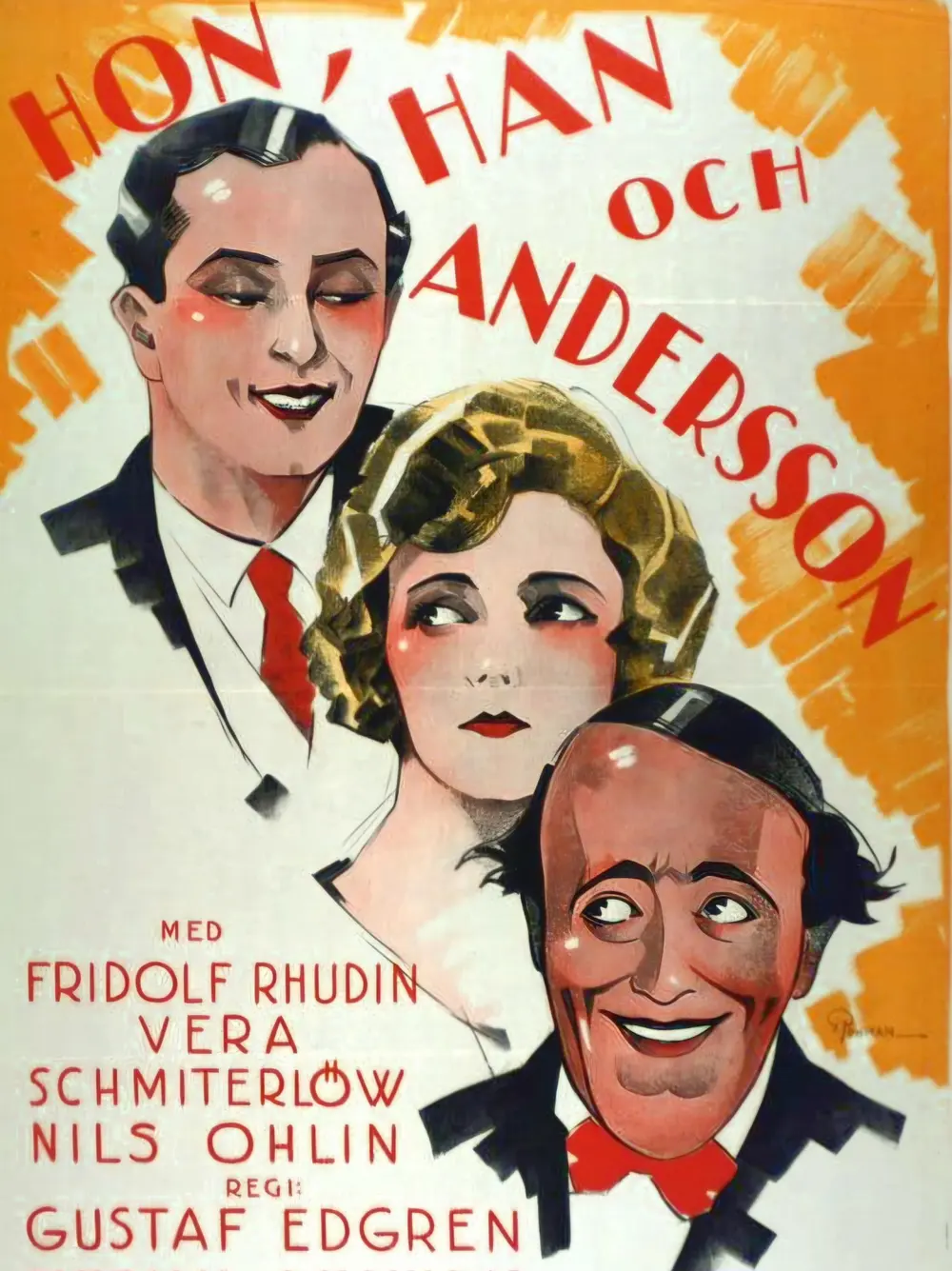
Is 'Hon, han och Andersson' worth your time today? The short answer is a qualified yes, particularly if you appreciate the nuanced charm of early 20th-century Swedish cinema, but it will certainly test the patience of modern audiences accustomed to faster pacing. This film is an essential watch for classic film enthusiasts, scholars of early romantic comedies, and anyone curious about the nascent media landscape depicted in period pieces. It is decidedly NOT for viewers seeking high-octane drama, contemporary humor, or narratives that prioritize speed over character development.
Let’s cut to the chase regarding this often-overlooked gem from a bygone era.
This film works because... it captures a delightful, innocent charm, anchored by surprisingly strong lead performances that transcend the limitations of silent or early sound cinema. Its central premise of journalistic rivalry fused with romance was genuinely innovative for its time, offering a refreshing take on the boy-meets-girl formula.
This film fails because... its pacing often meanders, feeling sluggish by today's standards, and some of its comedic beats, while historically interesting, simply don't land with the same impact. The resolution, while sweet, is undeniably predictable, leaving little room for genuine surprise.
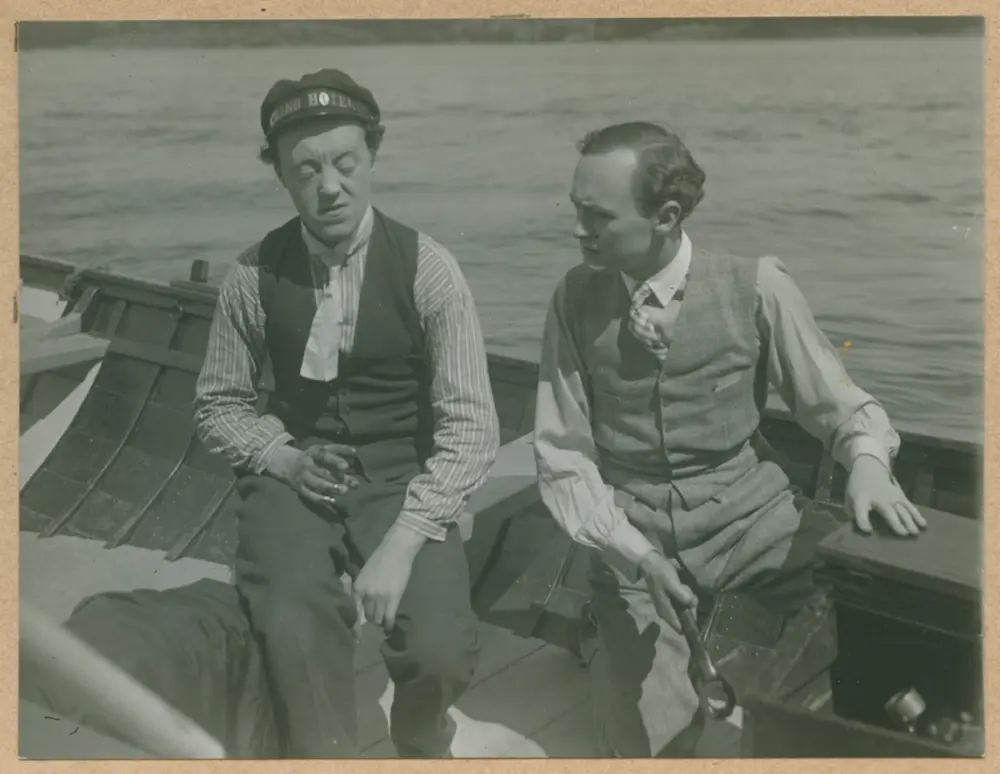
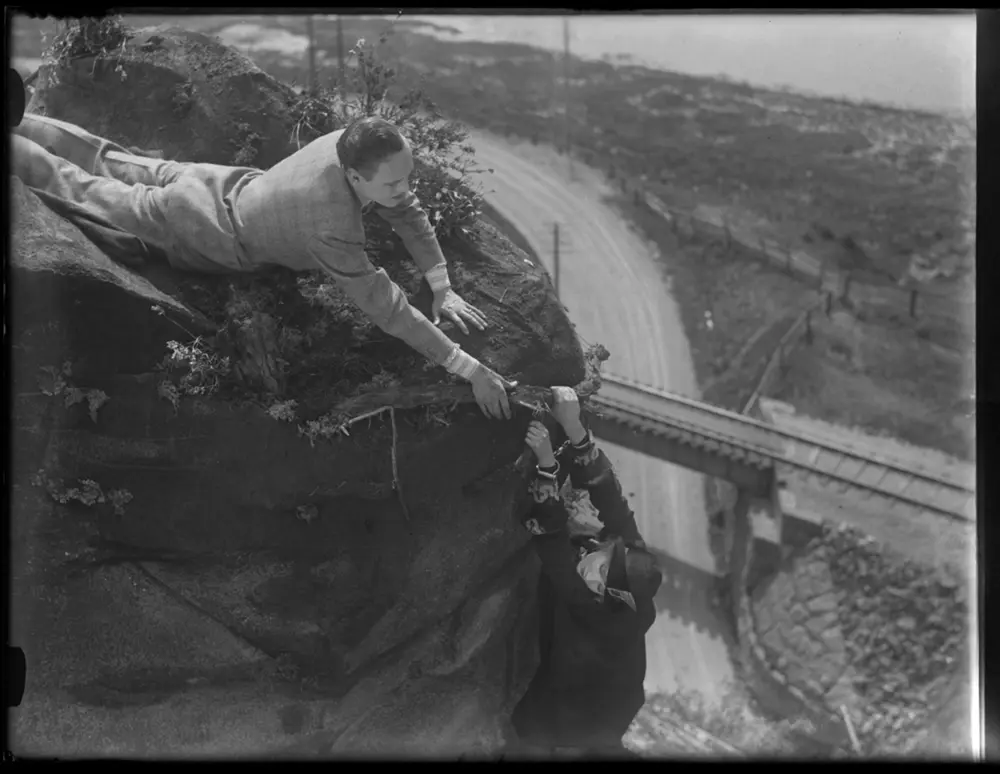
Scene from Hon, han och Andersson
Cinematic perspective: Exploring the visual vocabulary of Hon, han och Andersson (1926) through its definitive frames.
You should watch it if... you are prepared to immerse yourself in a piece of cinematic history, willing to appreciate its artistic merits within the context of its time, and have a soft spot for the quaint, understated humor of early European romantic comedies.
A Glimpse into Early Swedish Cinema: The Allure of 'Hon, han och Andersson'
'Hon, han och Andersson' (She, He and Andersson) emerges from a fascinating period in Swedish filmmaking, a time when the industry was finding its unique voice amidst global cinematic trends. Directed by Gustaf Edgren and written by Edgren himself alongside Sölve Cederstrand, this film is more than just a romantic comedy; it’s a snapshot of societal norms, professional aspirations, and the burgeoning media landscape of its era. It asks a simple question: can love truly blossom when professional loyalties clash?
The film’s premise, though straightforward, is remarkably sturdy: Harry, a successful young journalist, finds his world upended by Maud, a woman who turns out to be his rival from a competing magazine. This setup, while perhaps cliché today, was a novel hook in its time, allowing for a playful exploration of gender roles in the workplace and the ethical dilemmas of competitive reporting.
The Rivalry and Romance: A Plot Re-examined
At its core, 'Hon, han och Andersson' is a charming dance between attraction and ambition. Harry, portrayed by Hugo Lundström, embodies the confident, slightly cocky newspaperman, accustomed to getting his story and, presumably, his way. His initial encounter with Maud, played with captivating grace by Edit Ernholm, sparks an immediate, palpable chemistry.
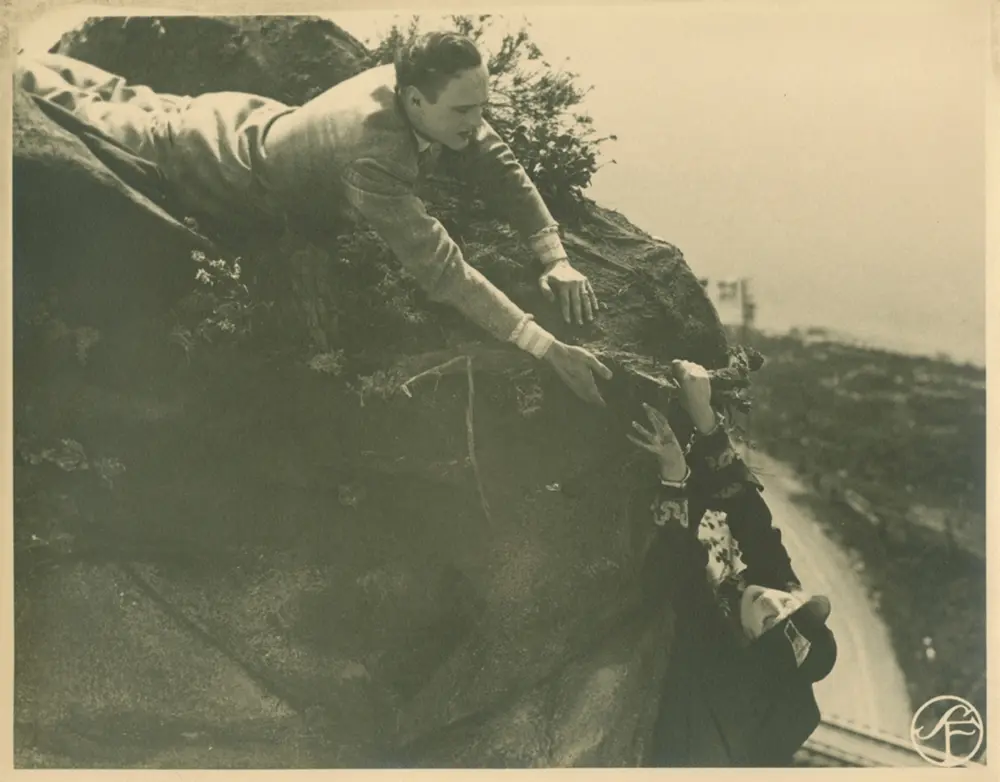
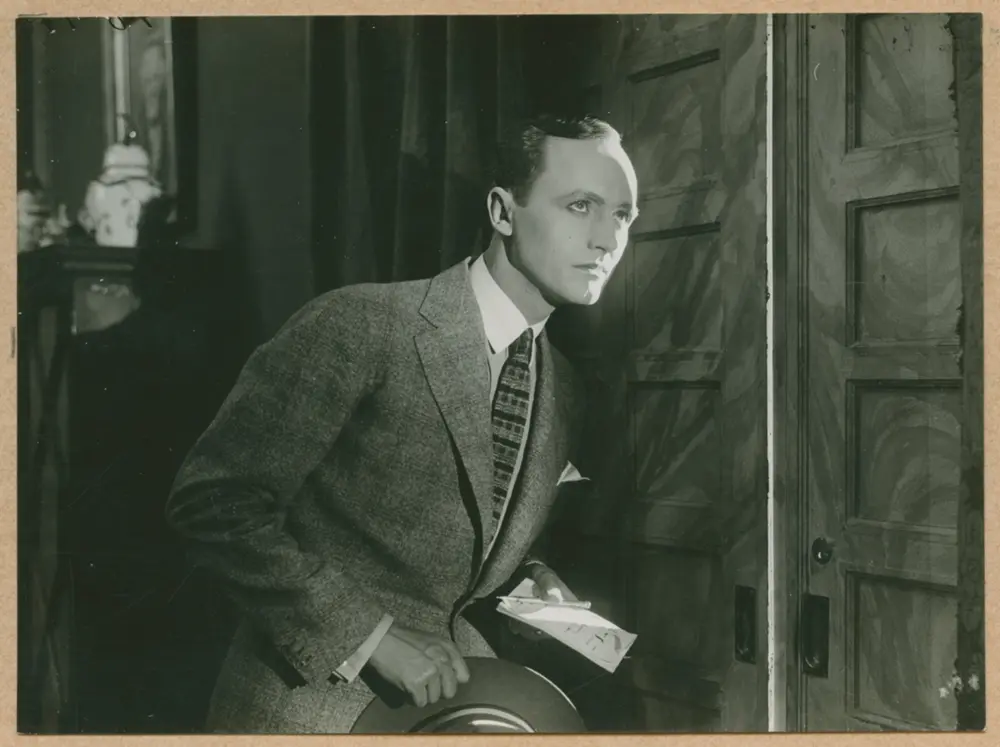
Scene from Hon, han och Andersson
Cinematic perspective: Exploring the visual vocabulary of Hon, han och Andersson (1926) through its definitive frames.
The film excels in building this initial flirtation, with subtle glances and witty repartee that hint at a deeper connection. However, the revelation of Maud's true profession — a journalist for a rival publication — introduces a delicious complication. This isn't just a simple romantic entanglement; it’s a battle of wits, ethics, and headlines.
The narrative then pivots to the duo’s professional skirmishes, often involving clever subterfuge and a race to be the first to break a story. While the stakes might seem low by modern thriller standards, the film cleverly emphasizes the personal cost and professional pride involved. It’s a gentle, almost quaint, portrayal of media rivalry, yet it retains a certain timeless appeal in its depiction of human nature under pressure.
Performances That Endure: Ernholm and Lundström's Chemistry
The success of any romantic comedy hinges on its leads, and 'Hon, han och Andersson' largely succeeds thanks to the captivating performances of Edit Ernholm and Hugo Lundström. Ernholm, as Maud, is a revelation. She brings a nuanced blend of intelligence, charm, and professional resolve to a character that could easily have been a mere romantic interest. Her eyes convey both mischievousness and determination, making Maud a formidable opponent and an alluring love interest.
One particularly effective scene involves Maud subtly outmaneuvering Harry for a crucial interview. Ernholm's expression, a mix of triumph and playful regret, speaks volumes without needing lengthy dialogue, a testament to her command of the craft in an era less reliant on spoken words. This isn't just a woman pining for a man; she’s a professional excelling in her field.
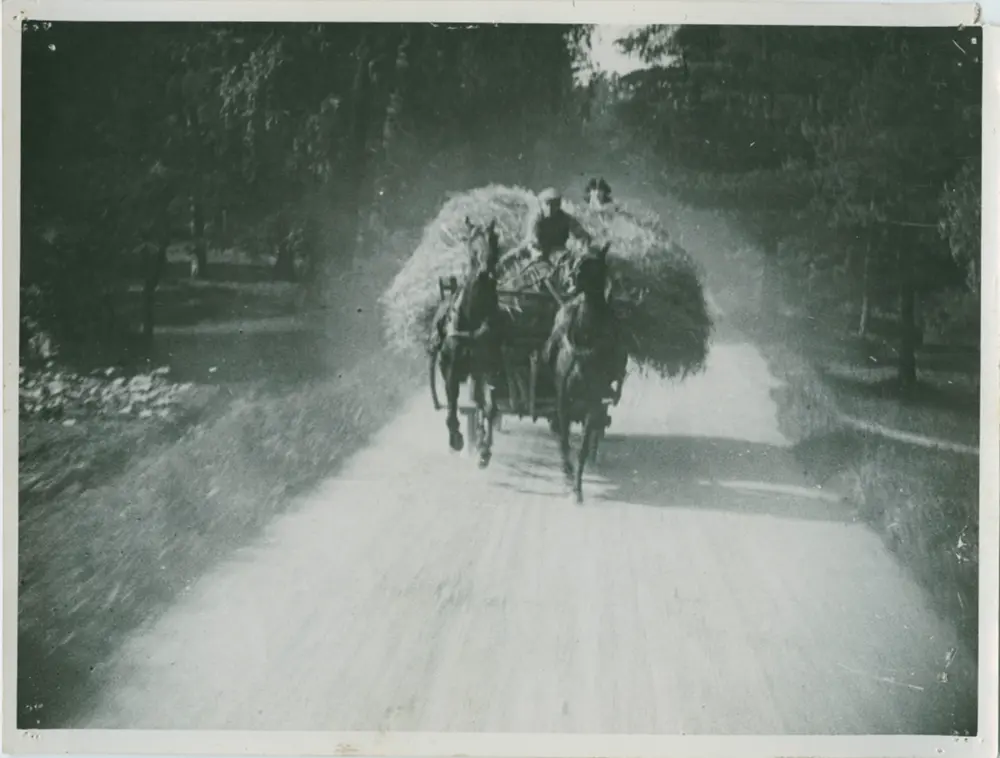
Scene from Hon, han och Andersson
Cinematic perspective: Exploring the visual vocabulary of Hon, han och Andersson (1926) through its definitive frames.
Lundström’s Harry, while perhaps a touch less complex, provides the perfect foil. His initial arrogance slowly gives way to genuine admiration and affection for Maud. His comedic timing, particularly in moments of exasperation when Maud outwits him, is commendable. It’s a classic arc: the confident man humbled by an equally capable woman, and Lundström plays it with convincing sincerity.
The supporting cast, including Vera Schmiterlöw and Wictor Hagman, add texture to the journalistic world, portraying colleagues and minor antagonists with varying degrees of success. Fridolf Rhudin, in particular, offers some memorable comedic relief, grounding the more fantastical elements of the rivalry in relatable human reactions. Their collective efforts create a believable, bustling environment for the central romance to unfold.
Direction and Screenplay: A Pacing Problem?
Gustaf Edgren’s direction, co-written with Sölve Cederstrand, is competent and often inventive for its time. The film utilizes close-ups effectively to convey emotion, and the staging of scenes, particularly the bustling newsroom, feels authentic. There’s a clear understanding of visual storytelling, a hallmark of directors from this transitional period in cinema.
However, the screenplay, while clever in its premise, suffers from a pervasive issue common to many films of this era: pacing. Modern audiences, accustomed to rapid-fire dialogue and quick scene changes, will find 'Hon, han och Andersson' a leisurely affair. Scenes often linger, allowing emotions and situations to fully develop, which can feel protracted.
Scene from Hon, han och Andersson
Cinematic perspective: Exploring the visual vocabulary of Hon, han och Andersson (1926) through its definitive frames.
For example, the initial sequence establishing Harry’s journalistic prowess, while necessary, extends beyond what contemporary viewers might tolerate. This isn't necessarily a flaw of the film itself, but rather a stylistic choice reflective of its time. It demands a certain patience from the viewer, a willingness to slow down and absorb the atmosphere.
Despite this, the dialogue, when present (or implied through intertitles for silent versions), is often sharp and witty, especially between Harry and Maud. The writers clearly enjoyed crafting their back-and-forth, lending the film a sophisticated charm that elevates it beyond a simple genre piece.
Cinematography and Aesthetics: A Window to the Past
The visual language of 'Hon, han och Andersson' is a fascinating study in early cinematic aesthetics. The cinematography, while not groundbreaking, effectively captures the mood and setting. The use of natural light in some exterior shots, contrasted with the more stylized, often high-contrast lighting of interior sets, provides a distinct visual texture.
The production design is another strong suit. The newsroom sets feel lived-in and authentic, complete with clattering typewriters, piles of newspapers, and the general organized chaos one would expect. These details are crucial in immersing the audience in the film’s world, lending credibility to the journalistic rivalry.
Scene from Hon, han och Andersson
Cinematic perspective: Exploring the visual vocabulary of Hon, han och Andersson (1926) through its definitive frames.
Costume design, too, plays a subtle but important role, reflecting the fashion sensibilities of the 1920s. Maud’s attire, in particular, often conveys her independence and modernity, contrasting with the more traditional female roles often seen on screen during this period. It’s a time capsule, visually rich for those willing to observe its details.
Themes and Enduring Relevance: More Than Just a Rom-Com
Beyond the charming romance, 'Hon, han och Andersson' touches upon several themes that remain relevant. The most prominent is the clash between professional ambition and personal connection. Harry and Maud’s struggle to reconcile their feelings with their careers is a dilemma many still face today, albeit in different contexts.
The film also offers an interesting, if lighthearted, commentary on journalistic ethics. While presented comically, the lengths to which both protagonists go to secure a scoop raise questions about integrity and competition. It’s a surprisingly early exploration of media practices, predating many more serious dramas on the subject.
Perhaps its most unconventional observation, however, lies in its subtle subversion of gender roles. Maud is not merely a damsel in distress or a romantic prize; she is an intelligent, capable professional who can hold her own against her male counterparts. This portrayal, while perhaps not overtly feminist by today's standards, was certainly progressive for its time, suggesting a nascent recognition of women's capabilities in professional spheres. It's a quiet defiance, but a defiance nonetheless.
However, one could argue that the film's ultimate resolution, which implies a softening of Maud's professional edge in favor of romance, does somewhat undermine this progressiveness. It’s a debatable point, and one that highlights the complex attitudes towards gender equality during the era. The film gives with one hand and takes with the other, a reflection of societal anxieties of the time.
Is this film worth watching?
Yes, 'Hon, han och Andersson' is absolutely worth watching for specific audiences. It offers a unique window into early Swedish cinema. The performances are genuinely engaging. Its historical context alone makes it valuable. However, be prepared for a slower pace. Don't expect contemporary comedic rhythms. It’s a charming piece of history, not a modern blockbuster.
Key Takeaways
Best for: Enthusiasts of classic romantic comedies, film historians, and those interested in early 20th-century Swedish culture.
Not for: Viewers who prioritize fast-paced narratives, contemporary humor, or high-stakes drama.
Standout element: Edit Ernholm's performance as Maud; her portrayal of an intelligent, capable professional is ahead of its time.
Biggest flaw: Its often-leisurely pacing, which can test the patience of modern viewers accustomed to quicker narrative progression.
Pros and Cons
Pros:
Charming Leads: Edit Ernholm and Hugo Lundström share a delightful, believable chemistry.
Innovative Premise: The journalistic rivalry adds a unique, engaging layer to the romantic comedy genre for its time.
It’s a fresh idea that still resonates conceptually, even if the execution feels dated.
Historical Value: Offers a valuable look into Swedish filmmaking and societal attitudes of the 1920s.
Authentic Production Design: The newsroom and other period sets feel genuinely lived-in and contribute to immersion.
Subtle Progressive Themes: Maud’s character challenges traditional gender roles in a nuanced way.
Cons:
Slow Pacing: The film often feels protracted, a common characteristic of its era but one that can deter modern audiences.
Predictable Plot: The narrative trajectory, while enjoyable, offers few surprises, particularly towards its resolution.
Dated Humor: Some comedic elements, while charming for their historical context, simply don't translate effectively to contemporary sensibilities.
Limited Accessibility: May require a specific appreciation for older films to fully enjoy, potentially alienating casual viewers.
Verdict
'Hon, han och Andersson' is a film that demands a certain kind of viewer: one with patience, an appreciation for cinematic history, and a fondness for understated romance. It's a delightful, if somewhat slow, journey back to a time when journalistic scoops were front-page news and love could blossom amidst professional espionage. The film works. But it’s flawed.
While it won’t shatter your perceptions of cinema or redefine the romantic comedy genre, it offers a charming, well-acted glimpse into a bygone era. Edit Ernholm's performance alone makes it worth seeking out for those curious about the talent that graced early Swedish screens. It’s not a film for everyone, but for its intended audience, it’s a quietly rewarding experience, a pleasant distraction that reminds us of the enduring power of a simple, well-told love story, even one complicated by headlines. Just be sure to bring your historical lens and a generous spirit.