DbcultAccessing Vault...
Cult Review
Senior Film Conservator
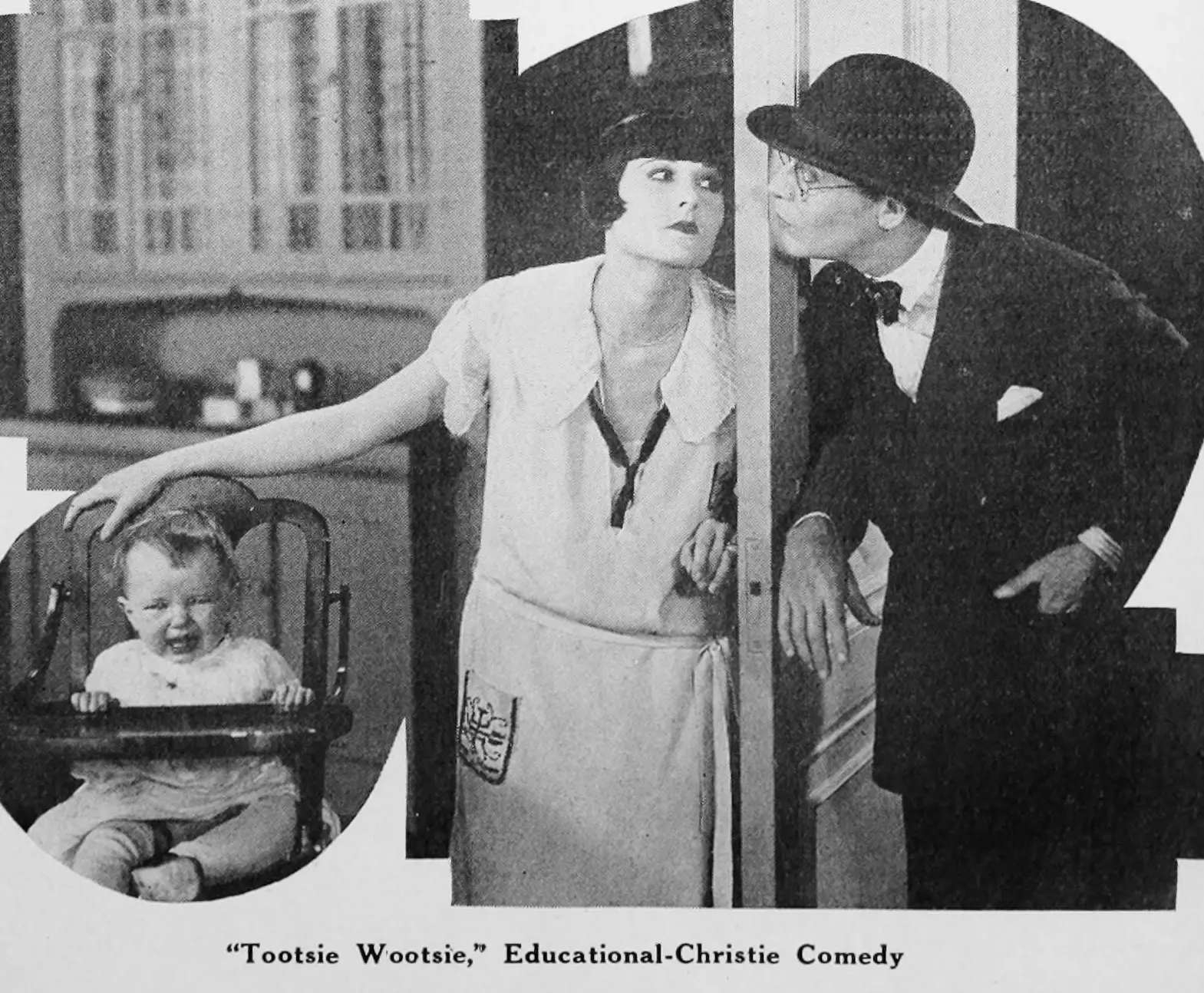
Step into the charming, chaotic world of early 20th-century domesticity with Frank Roland Conklin's delightful silent comedy, Tootsie Wootsie. This cinematic confection, while perhaps not a sprawling epic, offers a potent distillation of universal human experience: the bewildering, exhilarating, and often utterly absurd journey of first-time parenthood. It’s a film that, despite its age, retains a remarkable freshness, its humor derived from a situation as timeless as humanity itself. The premise is deceptively simple: a newly wedded couple, utterly smitten with their inaugural offspring, allow their devotion to spiral into an all-consuming obsession, effectively transforming their lives into a series of increasingly elaborate, and hilariously misguided, acts of solicitude. It’s a masterclass in how a singular, exaggerated character trait can be mined for comedic gold, making it a noteworthy entry in the annals of silent-era farce.
The narrative core of Tootsie Wootsie is an exploration of nascent parental neurosis. We are introduced to a couple whose world, once populated by shared affections and burgeoning romance, suddenly shrinks to encompass only the crib. Their initial joy quickly morphs into a hyper-vigilant state, where every gurgle is analyzed, every nap timed, and every potential germ source is viewed with existential dread. This isn't just doting; it's an extreme form of protective love that borders on the pathological, creating a comedic landscape ripe for visual gags and situational irony. Frank Roland Conklin, the film's writer, demonstrates a keen understanding of human foibles, crafting a scenario where well-intentioned love leads to utter domestic pandemonium. The film doesn't just tell us they are solicitous; it shows us, through a series of escalating comedic tableaux, the sheer extent of their dedication, which involves everything from elaborate baby-proofing schemes that render their home practically uninhabitable for adults, to an almost forensic level of cleanliness that would make a surgeon blush. Their 'tootsie wootsie' becomes the sun around which their entire universe revolves, casting long, comedic shadows over every other aspect of their existence.
In the realm of silent cinema, the success of a comedy hinges almost entirely on the expressive capabilities of its cast, and Tootsie Wootsie is no exception. Vera Steadman and Neal Burns, as the titular overzealous parents, deliver performances that are nothing short of masterful in their physical comedy and nuanced facial expressions. Steadman, with her wide-eyed anxieties and frantic gestures, perfectly embodies the new mother teetering on the brink of exhaustion and adoration. Her movements are fluid yet frenetic, conveying a constant state of mild panic mixed with overwhelming affection. She navigates the domestic chaos with a balletic grace, whether she's tiptoeing around a sleeping infant or frantically searching for a misplaced pacifier. Her ability to switch between tender maternal love and exaggerated comedic despair is truly commendable, anchoring the film's emotional core while fueling its humor. Her performance, much like that of Mabel Normand in many of her earlier shorts, relies on a combination of charm and a willingness to embrace slapstick for maximum effect.
Neal Burns, as the bewildered yet equally devoted father, complements Steadman's energy with a more grounded, often exasperated, comedic presence. His attempts to maintain some semblance of order or rationality amidst the baby-centric chaos provide some of the film's most genuinely funny moments. Burns excels at portraying the well-meaning but ultimately overwhelmed patriarch, his expressions ranging from paternal pride to utter bewilderment as he grapples with the ever-changing demands of their tiny overlord. His physical reactions to the escalating domestic absurdities are priceless, a testament to the power of silent acting. One might draw parallels between his everyman appeal and the early work of Buster Keaton, though Burns leans more into the bewildered husband archetype rather than Keaton's stoic resilience. Together, Steadman and Burns form a formidable comedic duo, their chemistry palpable and their timing impeccable, ensuring that the audience remains invested in their plight, even as they laugh at their excesses. The dynamic between them is the engine that drives the film's comedic momentum, a testament to their skill in conveying complex emotions and rapid-fire reactions without uttering a single word.
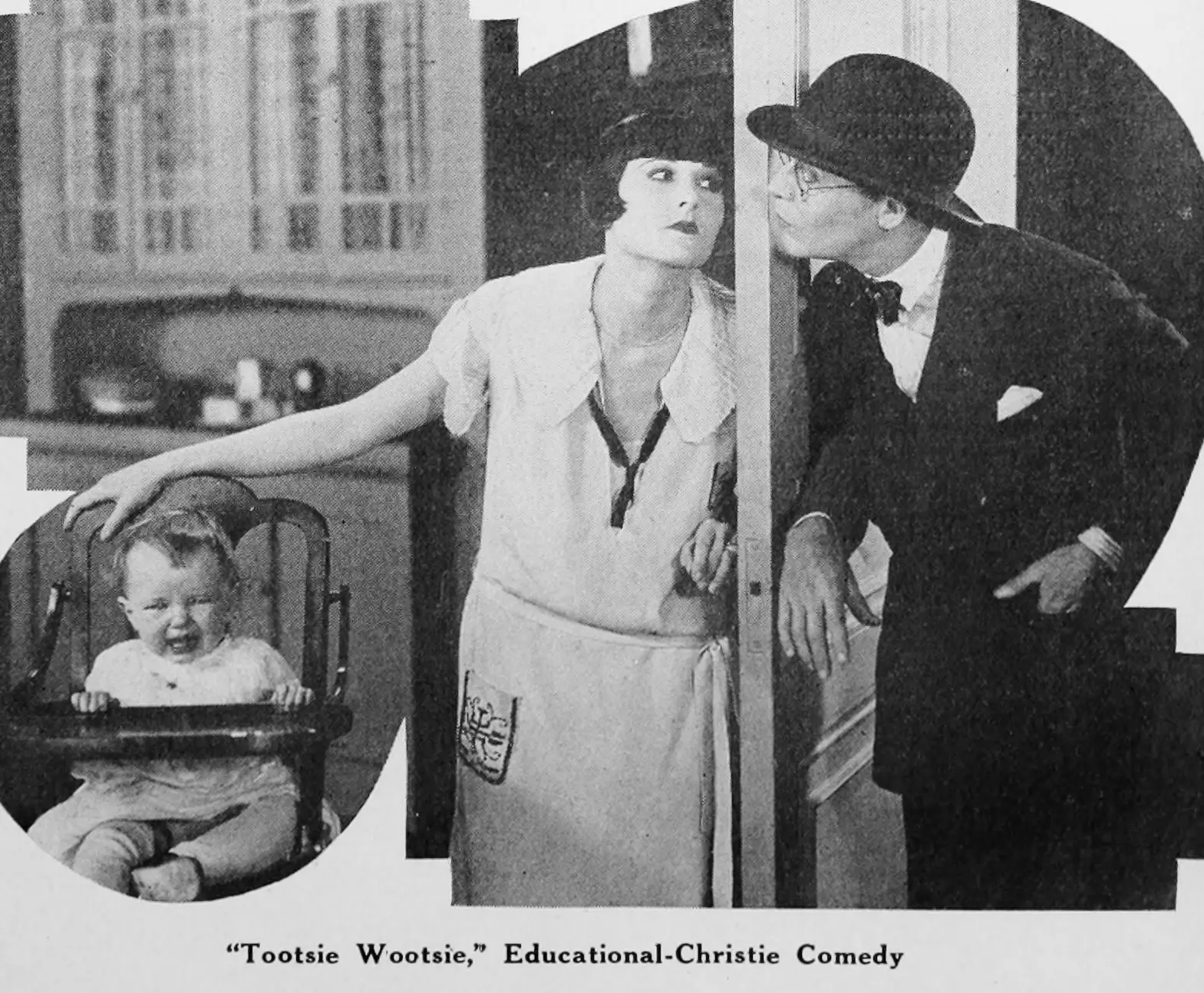
The supporting cast, including Earle Rodney, Natalie Joyce, and Jay Belasco, provides crucial comedic foils to the central couple's obsession. Their reactions to the parents' extreme solicitude often serve as the audience's surrogate, highlighting the absurdity of the situation. Rodney, perhaps as a well-meaning but clumsy friend, might inadvertently cause more chaos, while Joyce and Belasco could portray bewildered relatives or visitors, their incredulity mirroring our own. Such roles, though often brief, are vital in silent comedies for broadening the comedic scope and providing external validation of the central characters' eccentricities. And then, of course, there is Baby Jane, the innocent catalyst for all this domestic pandemonium. The effectiveness of any baby-centric comedy relies heavily on the infant's natural charm and unpredictability, and Baby Jane, with her unwitting contributions to the comedic narrative, serves as the perfect adorable, if demanding, star around whom the entire plot revolves. Her mere presence is enough to trigger a fresh wave of parental anxiety, cementing her role as the film's silent, yet most influential, character.
Frank Roland Conklin, the writer behind Tootsie Wootsie, demonstrates a remarkable talent for transforming a simple, relatable premise into a cascade of comedic scenarios. His writing is characterized by its keen observation of human behavior, particularly the exaggerated anxieties that often accompany major life changes like parenthood. Conklin's script, while lacking dialogue, is rich in visual storytelling, relying on carefully constructed situations and character reactions to convey humor. He understands the mechanics of farce, building tension and then releasing it through a well-timed gag or an unexpected turn of events. The progression of the couple's solicitude, from mild concern to full-blown fanaticism, is expertly paced, ensuring that the comedic escalation feels both natural and increasingly ludicrous. This structural ingenuity is key to the film's enduring appeal, allowing its humor to transcend the specific era of its creation.
Silent film comedies often excelled at domestic farce, translating universal themes of family life, marital squabbles, and the challenges of raising children into highly visual, often slapstick-laden narratives. Tootsie Wootsie fits perfectly into this tradition, offering a microcosm of the anxieties and joys inherent in early 20th-century family dynamics. The film's humor, while broad, is rooted in a deeply relatable human experience, making it accessible across generations. The visual gags – the elaborate contraptions for baby care, the frantic dashes, the exaggerated expressions of worry – are executed with a precision characteristic of the era's best comedic shorts. It’s a testament to the ingenuity of silent filmmakers who, without the aid of spoken dialogue, could convey complex emotional states and intricate comedic timing purely through action, expression, and the judicious use of intertitles.
Tootsie Wootsie, though a product of the silent era, possesses a timeless quality that allows its humor to resonate with contemporary audiences. The universal themes of parental love, anxiety, and the comedic chaos that often accompanies a new arrival are experiences that transcend generations and cultural boundaries. The film serves as a delightful historical artifact, offering a glimpse into the comedic sensibilities of its time, while simultaneously proving that well-executed physical comedy and character-driven farce never truly go out of style. Its simple narrative, brought to life by dedicated performances and intelligent writing, ensures its place as a charming, if understated, gem in the silent comedy canon. It reminds us that sometimes, the greatest adventures and the most profound laughter can be found within the four walls of a home, centered around the smallest, most demanding, and most beloved member of the family. The film’s brevity and directness are, in fact, strengths, allowing its core comedic concept to shine without unnecessary embellishment. It’s a small film with a big heart, and an even bigger laugh.
IMDb —
1936
Community
Log in to comment.