DbcultAccessing Vault...
5.2/10
Senior Film Conservator
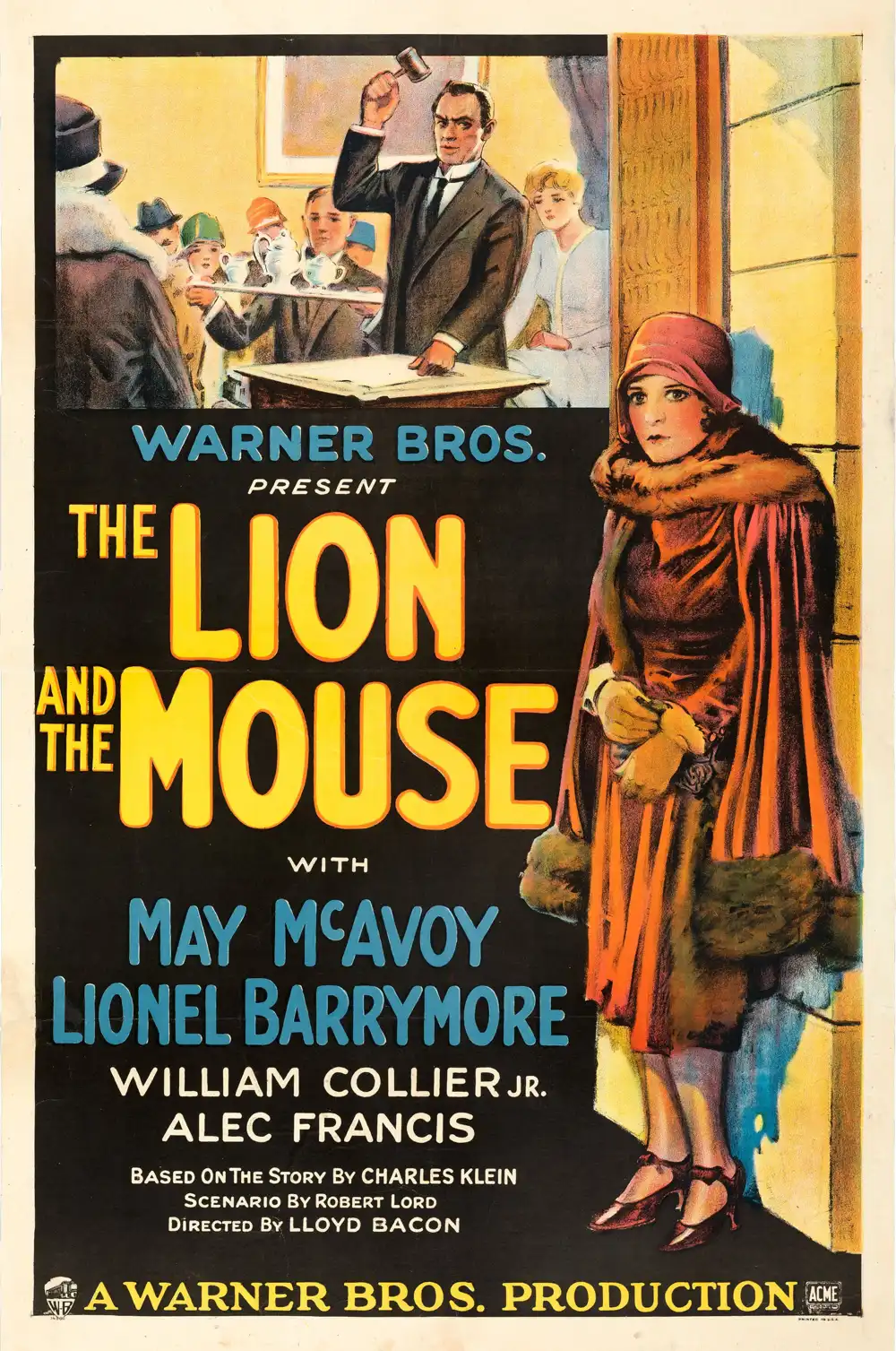
A definitive 5.2/10 rating for a film that redefined the boundaries of cult cinema. The Lion and the Mouse remains a cornerstone of transgressive art.
Okay, so, "The Lion and the Mouse" from 1928. A silent film. Is it worth tracking down today? For silent film buffs, or anyone curious about how stories were told *before* sound, definitely give it a shot. If you're easily bored by slow pacing and a lack of dialogue, probably not your cup of tea. It’s a very specific kind of drama, all about gestures and big eyes.
The story itself is pretty straightforward. Judge Ross, a seemingly upright guy, makes a big court decision. Turns out, he accidentally created a conflict of interest, and some bad folks want to use it against him. His daughter, Shirley, played by Audrey Ferris, becomes the main force fighting back. She’s the heart of this whole thing.
Audrey Ferris, as Shirley, she's got this _fire_. You see her face light up with determination. There’s a scene where she’s just staring down the villains, and even without words, you get it. She’s not backing down. That’s probably the film’s strongest point, her expressive acting. It really pulls you in.
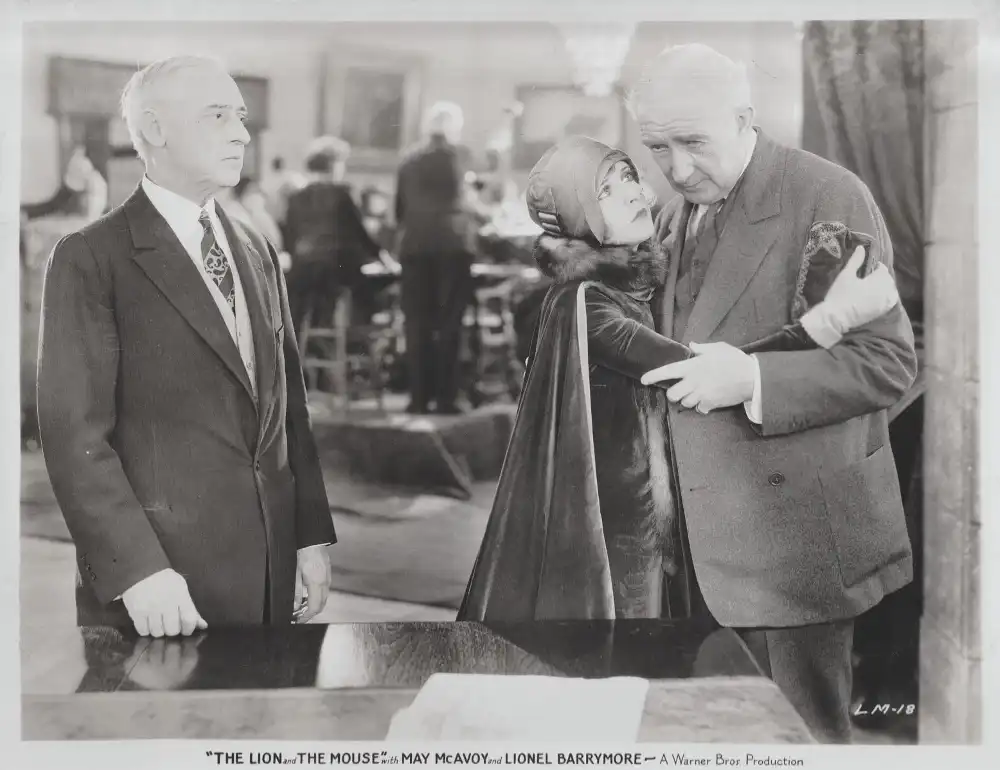
Then there's Lionel Barrymore, playing the antagonist, a Mr. Ryder. He’s just *so* villainous. I mean, he practically _oozes_ ambition and malice. You can practically hear the dramatic organ music swelling every time he's on screen, planning his next move. It’s almost a caricature, but it works for a silent film. He’s the person you love to hate.
The whole premise, this conflict of interest with the judge, it's a neat little twist. You can almost feel the movie trying to convince you this moment matters. Judge Ross himself, Emmett Corrigan, he does a good job conveying the stress. His shoulders seem to slump more and more as the plot thickens. You really feel for the guy, even if he made a mistake.
The movie gets noticeably better once Shirley really takes charge. Before that, it's a lot of boardroom scenes and people looking worried. Once she starts _doing_ things, making her own plans, that's when it picks up. It’s almost like the film realizes its hero isn't the judge, but his daughter.

Pacing-wise, it's very 1928. There are moments that linger. One reaction shot, Judge Ross just realizing the depth of his predicament, feels like it goes on for a solid minute. It's effective for building tension, but sometimes you just want them to get on with it! 🕰️
The sets are quite grand, I noticed. Lots of fancy offices and drawing rooms. It really sells the idea of high society drama. But then there are moments where the crowd scenes have this oddly empty feeling. Like half the extras wandered off for a coffee break. It’s a small thing, but it catches your eye.
What’s interesting is how much of the "proof" in the film hinges on letters and documents. People are constantly handing each other envelopes, or dramatically reading papers. It makes you think about how different legal dramas are portrayed now, with all their technology. Here, it’s all about the paper trail.
You can tell the writers, Jimmy Starr and Robert Lord, along with Charles Klein for the play, put some thought into the setup. It’s not just a simple good-versus-evil. There’s a legitimate ethical dilemma at the core. The resolution, though, feels a little neat. *Almost* too perfect.
This film, it’s a time capsule. It shows you what captivated audiences nearly a century ago. It’s a good reminder that compelling characters, even without spoken words, can carry a story. And Shirley, she really carries it. 💪
So, "The Lion and the Mouse." Not for everyone, certainly. But if you’re into cinematic history, or just appreciate a strong, silent performance, it’s a worthwhile watch. It's got its quirks, but the heart is definitely there.
IMDb 5.2
1931
Community
Log in to comment.