DbcultAccessing Vault...
5.7/10
Senior Film Conservator
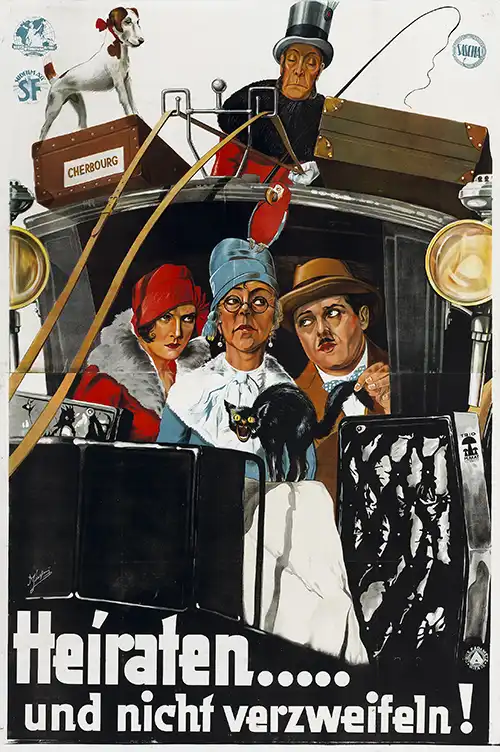
A definitive 5.7/10 rating for a film that redefined the boundaries of cult cinema. Honeymoon Abroad remains a cornerstone of transgressive art.
So, you’re looking for something… different. Something that makes you wonder what people were laughing at back then. Honeymoon Abroad might be it, but you really need to be in the mood. If you appreciate the kind of chaotic, slightly uncomfortable humor that comes from a husband actually arranging the kidnapping of his mother-in-law during his Paris honeymoon, then yes, this is worth a look. If you prefer your comedies to be light, morally sound, or just, well, competently paced, you’ll probably find this a baffling slog.
The premise is, admittedly, brilliant in its audacity: a newlywed, Charles (Charles O'Shaughnessy), absolutely fed up with his wife’s mother, Lena (Lena Halliday), decides to pay a couple of shady characters to abduct her. In Paris. While they’re on their honeymoon. It’s such a wildly inappropriate idea, you almost have to respect the film for even trying to make it funny.
And sometimes, it kind of is. The initial scenes with Charles trying to subtly hint to his wife, Judy (Judy Kelly), that her mother is maybe a *bit* much are actually quite good. O'Shaughnessy has this harried, almost desperate energy that feels genuinely earned. You can see the dark circles forming under his eyes, the way he flinches every time Lena Halliday’s character delivers another cutting remark about his manners or his choice of tie. It’s a very human, if extreme, reaction.
But then the actual kidnapping plot kicks in, and things get... weird. The two men he hires, played by Dino Galvani and Hal Gordon, are less menacing and more like bumbling vaudeville performers who stumbled onto the wrong set. Their initial attempts are so clumsy, you wonder how they’ve ever pulled off anything more complicated than stealing a baguette. There’s a scene where they try to snatch Lena from a bustling market, and it goes awry in such a drawn-out, slapstick fashion that you almost feel sorry for them. It goes on about 30 seconds too long, and the silence from the extras in the background feels less like a natural reaction and more like they were told to freeze.
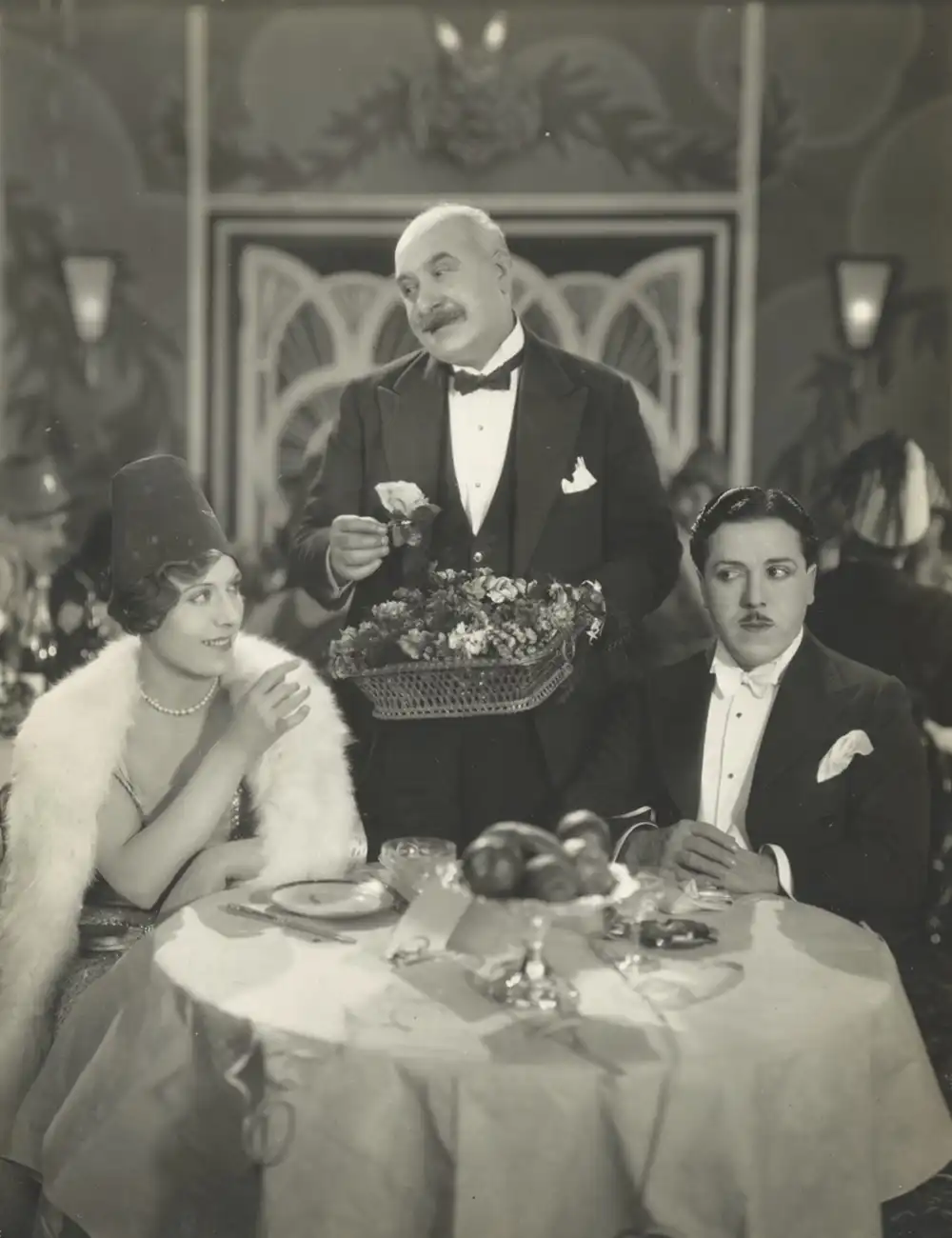
Gillian Dean, as the mysterious woman who connects Charles to these kidnappers, has a presence that’s almost too suave for the rest of the film. She moves through these scenes like she's in a much more sophisticated picture, which creates a strange tonal disconnect. You’re watching these broad comedic performances, and then she glides in with this knowing look, and it just feels a little off. Her costumes, too, are always a notch above everyone else's, making you wonder if she’s secretly in another movie.
The Paris itself is a character, sort of. Or rather, the idea of Paris. A lot of it feels like studio backlots or very carefully selected, quiet streets. The crowd scenes have this oddly empty feeling, like half the extras wandered off for lunch and never quite came back. It’s not a bustling, alive city; it’s a backdrop for a very specific, strange kind of domestic farce.
The dialogue is a mixed bag. Some of Judy Kelly’s lines, especially when she’s trying to defend her mother, feel unnaturally stiff, almost recited. There’s one moment early on where she says, “Mother merely wishes to ensure your comfort,” and the delivery is so flat, it’s hard to believe she means it. You can almost feel the movie trying to convince you this moment matters, but the actors aren't quite selling it.
What really works, unexpectedly, is Lena Halliday as the mother-in-law. She’s not just a caricature; there’s a surprising resilience to her. When she finally *is* taken, her reaction isn’t quite what you’d expect. She’s annoyed, yes, but also a little bit intrigued, like this is just another ridiculous thing her son-in-law has gotten himself into. Her dry wit in captivity is genuinely amusing, and for a film with such an outlandish premise, it gives her character a grounding that the others sometimes lack.
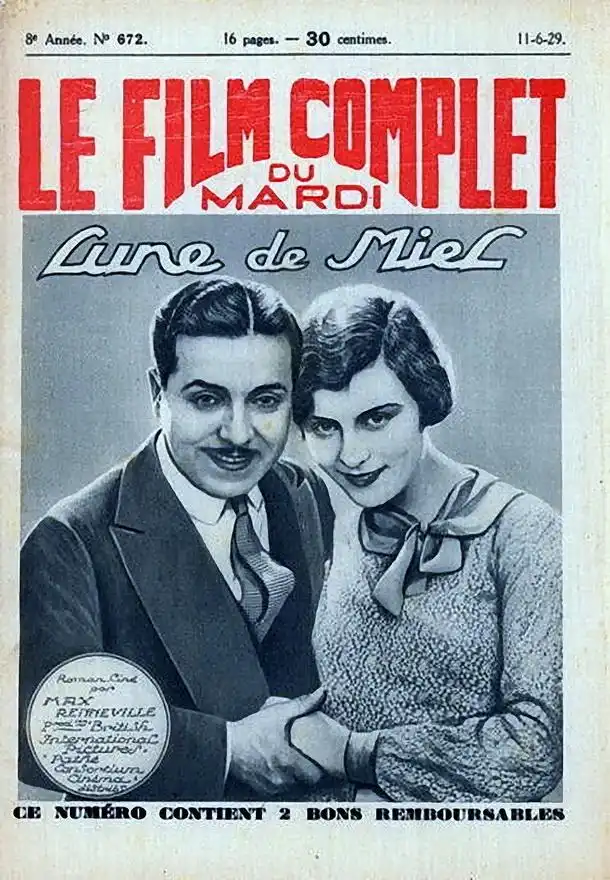
The pacing is… well, it’s a journey. There are stretches where the film drags, particularly when Charles is agonizing over his decision or when the kidnappers are bungling their attempts. Then, suddenly, things will speed up, and you’ll get a rapid-fire sequence of events that feels almost out of place. It’s not a smooth ride, and you often feel the gears grinding.
The chemistry between Charles and Judy is also a bit rocky. In theory, they’re newlyweds, madly in love. In practice, they often feel like two people who just met at a bus stop. There are a few shared glances that suggest affection, but mostly their interactions are defined by the mother-in-law problem. It’s hard to root for their romance when the film is so focused on the dark humor of their familial dysfunction.
A small detail, but Charles's perpetually rumpled suit, even when he's supposed to be trying to impress someone, is a nice touch. It visually communicates his stress better than some of the more overtly comedic scenes. It’s a subtle costume choice that actually works.
Ultimately, Honeymoon Abroad is a curious artifact. It's not a masterpiece, and it certainly hasn't aged perfectly. But there's a certain charm to its sheer audacity, its willingness to go to such dark comedic lengths for a laugh. If you're a film historian, or just someone who enjoys digging up obscure, slightly broken comedies, you might find something to appreciate here. Just don't expect a polished, modern viewing experience. It feels like a film made by people who had a wild idea and just decided to run with it, consequences be damned. And sometimes, that's enough.
IMDb 5.6
1936
Community
Log in to comment.