DbcultAccessing Vault...
6.7/10
Senior Film Conservator
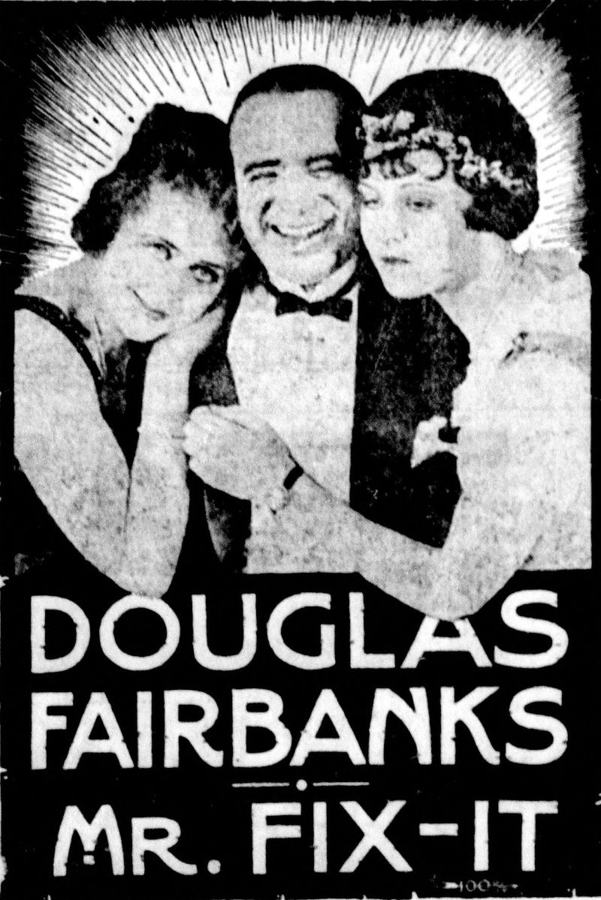
A definitive 6.7/10 rating for a film that redefined the boundaries of cult cinema. Mr. Fix-It remains a cornerstone of transgressive art.
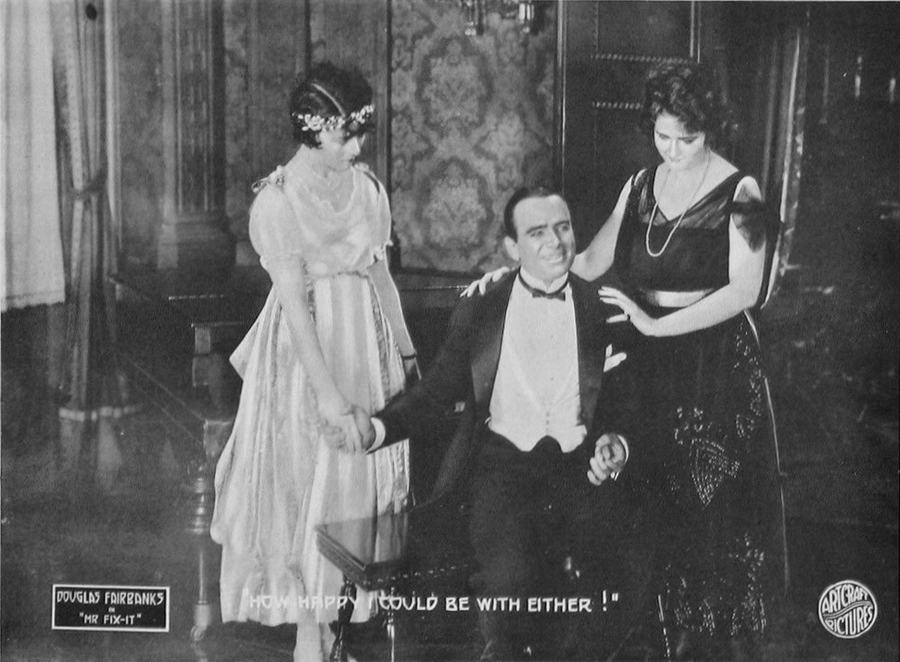
The first time Dick Bradley vaults through the gilded doorway, the film itself seems to inhale like a drunk duke catching wind of contraband champagne. Allan Dwan’s camera—nimble, caffeinated, faintly voyeuristic—tracks our hero as if afraid he might bolt off the edge of the celluloid. And honestly, who could blame him? The mansion is a mausoleum of manners: footmen aligned like chess pawns, parlour maids starched into origami, ancestral portraits dribbling disdain. Into this wax museum swaggers Fairbanks, eyes glittering with the joyful criminality of a child who has just discovered matches.
Impersonation, in most silent comedies, is a plot hinge; here it is a particle collision. Dick’s borrowed dinner jacket fits him the way a straitjacket fits a hurricane. Every monocled glare from Gustav von Seyffertitz’s decrepit patriarch feels like a gauntlet thrown. The gag geometry is delicious: a single errant bowtie ricochets off snobbery, class anxiety and budding desire in one elastic swoop. While The Waif used mistaken identity for syrupy pathos, Mr. Fix-It weaponises it as social C-4.
Then come the women—an entire bouquet of Edwardian femininity, each blossom armed with thorns. Wanda Hawley, as the sanctioned fiancée, flits between porcelain doll and hedgehog; her sidelong glances could slice camembert. Marjorie Daw’s cousin—ostensibly the wallflower—proves to be the film’s moral gyroscope, spinning Dick from prankster to protector with nothing more than a raised eyebrow and a half-smile that lingers like a violin’s last note. It is she who first notices the tell-tale freckle of sincerity under the hero’s mascara of mischief.
But the real earthquake arrives wearing fedoras. The gangsters stomp in like inkblots on lace—urban grime invading pastoral pomp. Their leader, a glowering Charles Stevens, chews scenography the way a goat devours curtains. Suddenly the farce sprouts fangs; the stakes metastasise from bruised egos to broken bones. In 1918, post-war audiences nursed a bruised optimism; the film’s tonal pivot from drawing-room burlesque to pulp peril feels like Dwan grabbing the viewer by the lapels and whispering, “Comfort is a lie—watch your back.”
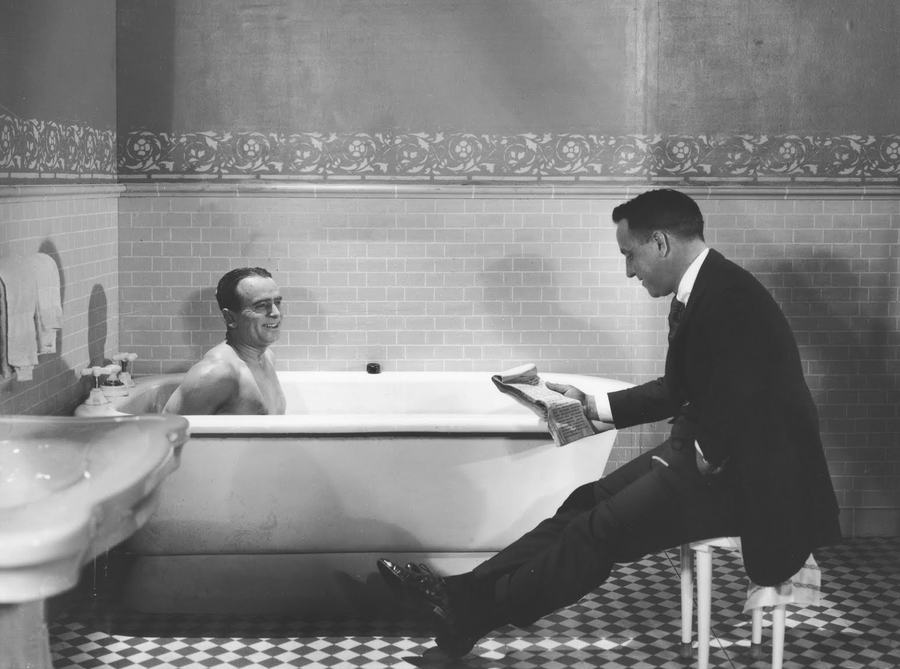
What follows is seven minutes of choreography so kinetic it could power a city block. Fairbanks ricochets off balustrades, somersaults across banquet tables, and wields a candelabrum like Errol Flynn’s rapier on a sugar bender. Douglas Fairbanks, remember, was not yet the swashbuckling silhouette of Robin Hood; here he is proto-swash, a gymnast of the psyche, turning parlour athletics into existential rebellion. Each stunt lands with the crisp smack of a rubber stamp on the social contract: VOID.
Compare this melee to the domestic skirmishes in By Right of Possession, where conflict is resolved by a sigh and a sunset. Dwan refuses such lavender escapism. His climax detonates in a swirl of shattered crystal, squealing brakes and the unmistakable perfume of gasoline—an olfactory reminder that the 20th century has already staked its claim on chaos.
Yet for all its pyrotechnics, the film’s coup de grâce is whisper-quiet. After the thugs are hog-tied with curtain sashes and the police paddy-wagon rattles into moonlight, Dick finds himself alone on the grand staircase. The masquerade is technically over; he could slip out, anonymous, unscathed. Instead he climbs those stairs—slow, deliberate—as if ascending to a confessional. At the landing, the real heir (a wonderfully fey Jack Pickford) waits, nursing a black eye and a grin. Identity, like a coin on a sidewalk, spins on its axis: the impostor extends the hand of friendship, the aristocrat clasps it, and in that handshake a new, shaky covenant is drafted—class rendered obsolete by shared bruises.
Love, of course, is the final anarchy. When Dick finally claims the heroine’s hand—no longer borrowed property—Dwan frames them against a doorway yawning into night. No swelling organ chord, no irising vignette, just two silhouettes tasting the radical possibility that tomorrow might belong to pranksters. It is 1918; the world is busy inventing trench warfare and influenza; cinema, in this sliver of nitrate, imagines a universe where laughter can disarm both snobbery and savagery.
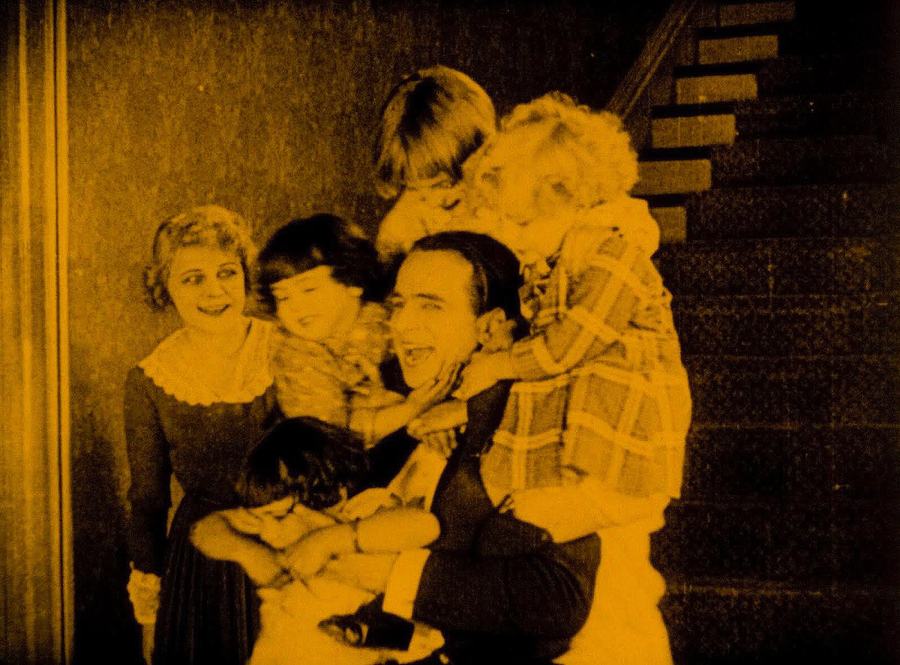
Visually, the movie is a chiaroscuro carnival. Cinematographer Ernest Butterworth (also the credited scribe) bathes parlours in buttery diffusion, then snaps to razor-sharp shadows when the criminals slink in. The tinting—amber for daytime farce, cerulean for nocturnal peril—turns each scene into a mood-ring. One reel exists only in partial hand-coloured form, cherry-red flares flickering across Fairbanks’ waistcoat like embers of revolution.
The intertitles, mercifully sparse, crackle with jazz-age shorthand: “Heir today, gone tomorrow!” or “Manners maketh man—so let’s un-make them.” They wink at the literate without stalling the illiterate; after all, slapstick is Esperanto. Compare this linguistic restraint to the florid verbosity of Pamela Congreve, where intertitles bloom like overwatered orchids, suffocating momentum.
Performances across the ensemble vibrate like tuning forks. John George, as the pint-sized butler with delusions of grandeur, executes a slow-burn take that lasts a full four seconds—an eternity in silent timing—when he spots Dick in dual profile. Margaret Landis floats through in a three-scene cameo, her eyes a silent sermon on the collateral damage of patriarchal real estate. Even the uncredited footmen possess micro-arc; watch how their posture slackens from ramrod to slouch as Fairbanks’ anarchy rewires the household’s DNA.
Yet the film is not flawless. A racially-charged gag involving Stevens’ henchman—an unfortunate artifact of 1910s humour—lands with a thud that even the most charitable archivist can’t varnish. Modern viewers will wince; contextualising it within the era’s endemic xenophobia does not sanitise the sting. Silent cinema, like an attic chest, sometimes exhales ugly dust when pried open.
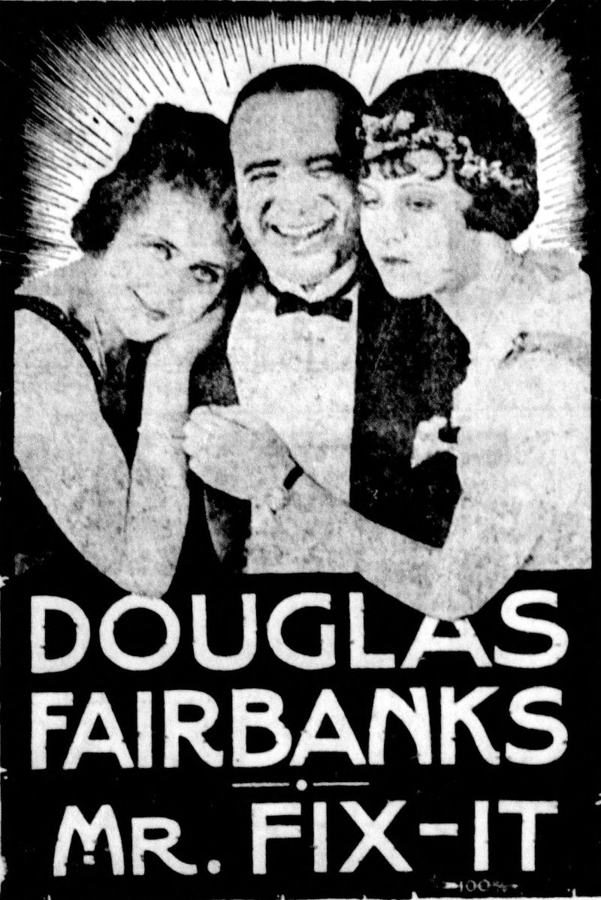
Still, its ideological spine remains defiantly inclusive. The final tableau—servants and masters sharing cigarettes on the front steps—feels utopian, maybe even naïve. But art is not prophecy; it is a rehearsal for possibility. In that sense, Mr. Fix-It prefigures the class-upending romps of Liliomfi and the carnival anarchy of Black Friday, only with a sunnier disposition.
Sound, or its absence, becomes a character. Listen—metaphorically—to the negative space between pratfalls: you can almost hear the audience of 1918 catching its collective breath. That hush is the vacuum where imagination thrives; it invites each viewer to project their own heartbeat onto the screen. It is why the film still feels alive even on a 16mm dupe flecked with eczema. Digital restorations buff away blemishes, yet they also sand the celluloid soul; sometimes the scratches are the story.
Scholars often chain early Fairbanks to the label “athletic comedy,” as though his artistry begins and ends in deltoids. Overlooked is his gift for micro-gesture: the way his pupils dilate the instant before he lies, or how his right thumb rubs against the seam of his waistcoat whenever conscience twinges. These are not stuntman tics but actor choices—proof that even within kinetic frenzy, emotional truth can pirouette.
Dwan’s direction, meanwhile, is a masterclass in elastic geography. He bends space the way cartoonists bend perspective: a corridor elongates to accommodate a chase, a doorway narrows to funnel a kiss. Compare this spatial fluidity to the static tableaux of The Sphinx, where camera and characters feel fossilised in amber. Dwan keeps the lens restless, hungry, perpetually surprised by its own discoveries.
Contemporary relevance? Look no further than the phrase “impersonate your best friend” ricocheting across social media—avatar culture in a nutshell. Dick Bradley’s masquerade anticipates Instagram filters, deep-fakes, and the curated self. The difference: he risks bloodied noses and broken hearts, not merely unfollows. His comeuppance—and redemption—arrive corporeal, not in pixels.
Criterion devotees will kvetch that the film is unavailable on Blu-ray; only a 1999 Kino VHS rip circulates among shadow-collectors. Yet scarcity fertilises mystique. Each scratchy viewing feels contraband, like eavesdropping on Roaring Twenties laughter echoing down a century-long corridor. To watch it is to become complicit in its conspiracy against propriety.
Musical accompaniment—assuming you procure a DVD-R with a MIDI piano score—can make or mar the experience. Seek out a live venue where a dexterous organist improvises ragtime crescendos that sync with Fairbanks’ calf muscles. Under such alchemical conditions, the final kiss does not merely resolve the plot; it detonates the fourth wall, scattering stardust into your popcorn.
Comparative litmus: stack it beside The Cheat, where social transgression ends in branded flesh and downfall. Mr. Fix-It opts for grace notes over flagellation. Its moral universe believes that joy, if pursued with sufficient panache, can outweigh pedigree. A dangerous thesis, perhaps, but one that feels downright medicinal in an age when algorithmic caste systems calcify anew every nanosecond.
Verdict? Mr. Fix-It is a champagne bomb: effervescent, lethal to pretension, and still fizzing a hundred years after the cork popped. It will not soothe your existential ulcers, nor spoon-feed you catharsis. Instead it offers something rarer: the electric jolt of witnessing order dismantled by optimism, of seeing a grin punch a hole through protocol wide enough for love to squeeze through. Catch it however you can—preferably on a rickety 16mm print that clatters like a jalopy—and let Fairbanks’ mischievous eyes remind you that sometimes the most subversive act is simply to laugh while the chandeliers fall.
IMDb 6.1
1936
Community
Log in to comment.