Is Honeymoon Hate worth a viewing in the modern era? Short answer: yes, but with significant caveats that speak to its specific historical context and narrative quirks. This 1927 silent romantic comedy, while undeniably a product of its time, offers a fascinating glimpse into the battle of the sexes as envisioned by early Hollywood, and for the right audience, it’s a surprisingly engaging experience.
This film is absolutely for silent film enthusiasts, those with an appreciation for early cinematic storytelling, and anyone curious about the evolution of the romantic comedy genre. It is decidedly NOT for viewers seeking fast-paced action, contemporary humor, or polished, dialogue-driven narratives. Patience and an open mind are prerequisites here.
The Core of the Conflict: A Battle of Wills
This film works because of its audacious portrayal of a fiery, independent woman clashing with an equally proud, aristocratic man, creating a dynamic that feels surprisingly modern in its psychological undercurrents.
This film fails because its resolution, while dramatically satisfying for the era, leans heavily into tropes that might feel regressive or simplistic to a contemporary audience, particularly concerning female agency.
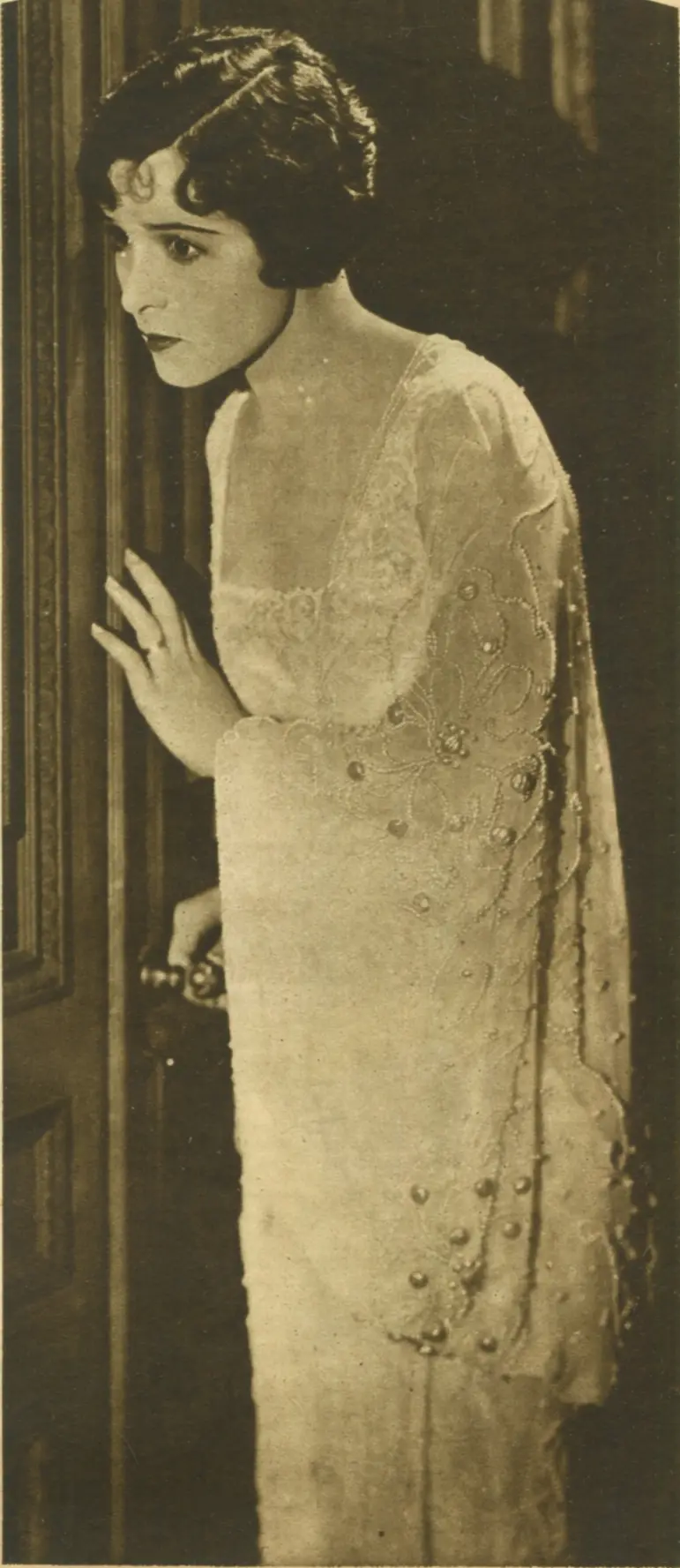
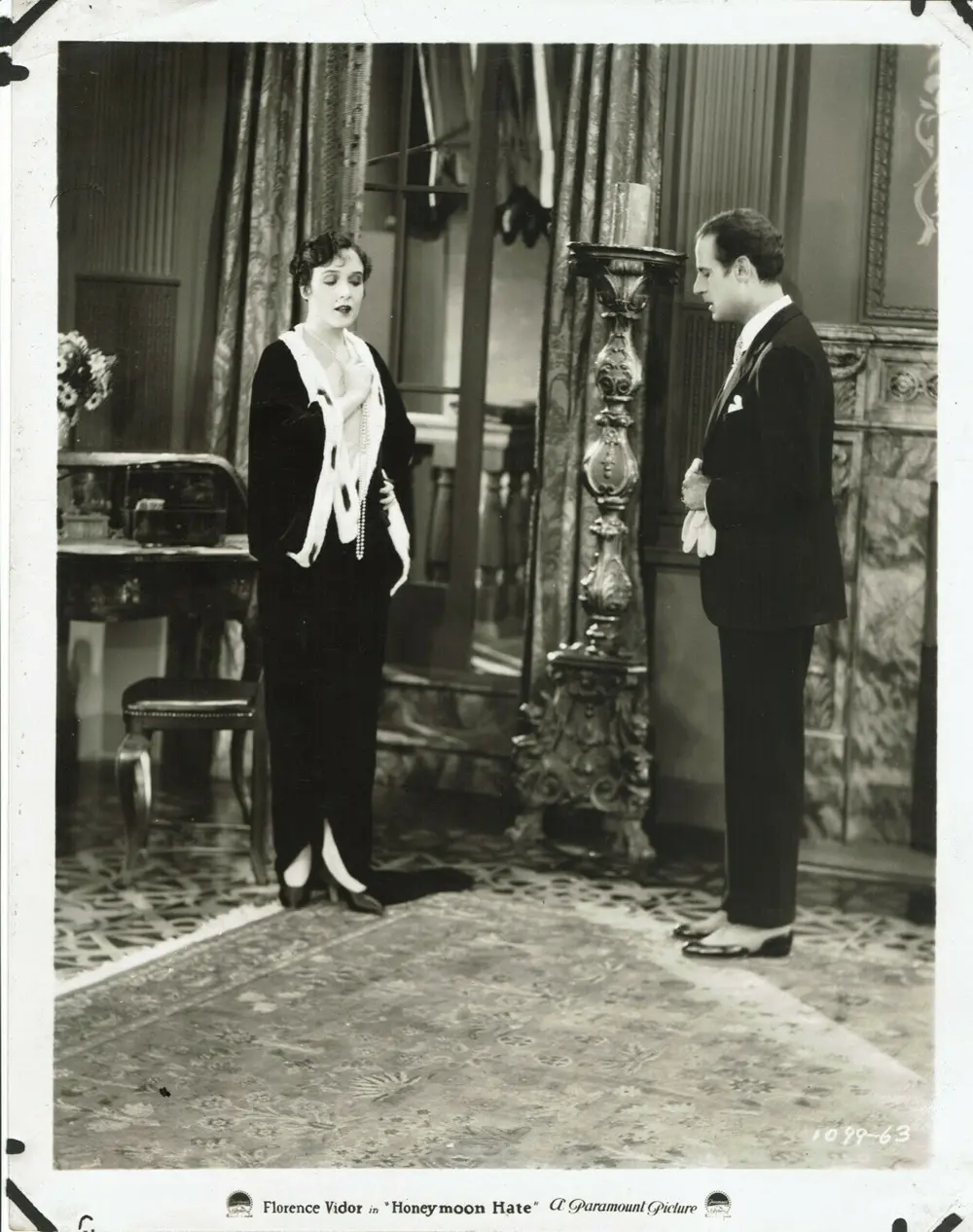
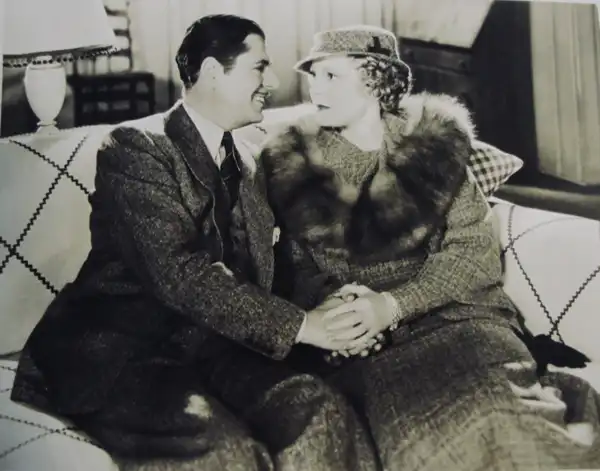
Scene from Honeymoon Hate
Cinematic perspective: Exploring the visual vocabulary of Honeymoon Hate (1927) through its definitive frames.
You should watch it if you appreciate the theatricality of silent acting, the charm of period romance, and the often-overlooked contributions of writers like Herman J. Mankiewicz to early screenplays, even in a silent format.
Honeymoon Hate throws us into the luxurious, almost fantastical world of Venice, a city perfectly suited to the grand romantic gestures and dramatic misunderstandings that define the narrative. Gail Grant, portrayed with a spirited vivacity by Corliss Palmer, is not merely a rich girl; she is a force of nature, a woman accustomed to getting her way. Her demand for the 'Imperial Suite' isn't just about luxury; it's a declaration of her status and her will, setting the stage for every subsequent conflict.
Her foil, Prince Dantarini, played by the dashing Tullio Carminati, is equally formidable. He is not a fawning suitor but a man of old-world charm and undeniable pride, a prince selling off his family's treasures with a dignity that speaks volumes. Their initial attraction is electric, a collision of two powerful personalities, each expecting to dominate. The film excels in establishing this foundational tension, making their subsequent quarrels feel earned rather than manufactured.
A Silent Symphony of Pride and Passion
The screenplay, credited to a team including the legendary Herman J. Mankiewicz, demonstrates a surprising sophistication for a silent film. While we don't hear the dialogue, the intertitles are often sharp, witty, and economical, hinting at the verbal sparring that would define later screwball comedies. The conflict isn't just about a missed honeymoon; it’s about whose will breaks first, a test of ego disguised as a lovers' spat.
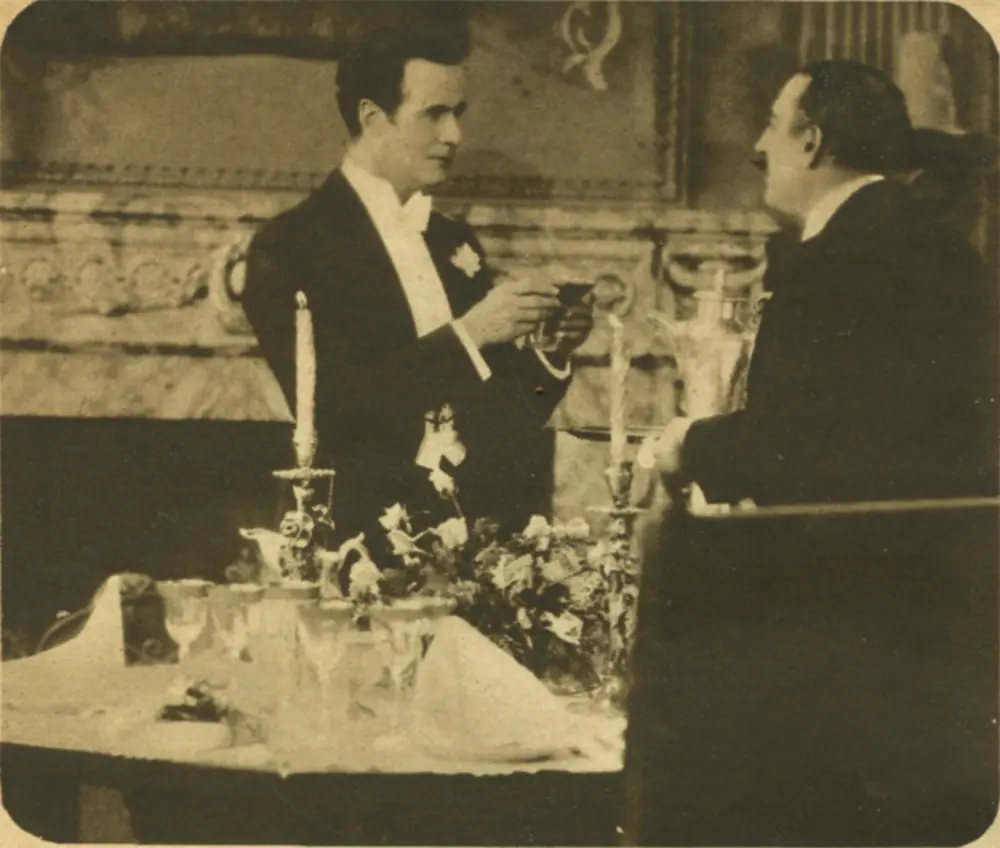
Scene from Honeymoon Hate
Cinematic perspective: Exploring the visual vocabulary of Honeymoon Hate (1927) through its definitive frames.
Director George Marion Jr. (or perhaps A.M. Williamson, given the multiple writer credits and the collaborative nature of silent filmmaking) masterfully uses visual storytelling to convey emotion. Consider the scene where Gail locks herself in the bedroom. Instead of frantic pacing or melodramatic gestures from Dantarini, he calmly sits down to dinner. This moment, stark in its simplicity, speaks volumes about his character – his control, his pride, and perhaps, his calculated strategy in their battle of wills. It’s a powerful visual contrast that defines their relationship.
Performances That Speak Without Words
Corliss Palmer's portrayal of Gail Grant is the film's beating heart. She imbues Gail with a captivating blend of entitlement, vulnerability, and fierce independence. Her expressions, from defiant glares to moments of softened resolve, carry the emotional weight of the narrative. It’s a performance that transcends mere pantomime, conveying genuine character depth through subtle shifts in posture and gaze.
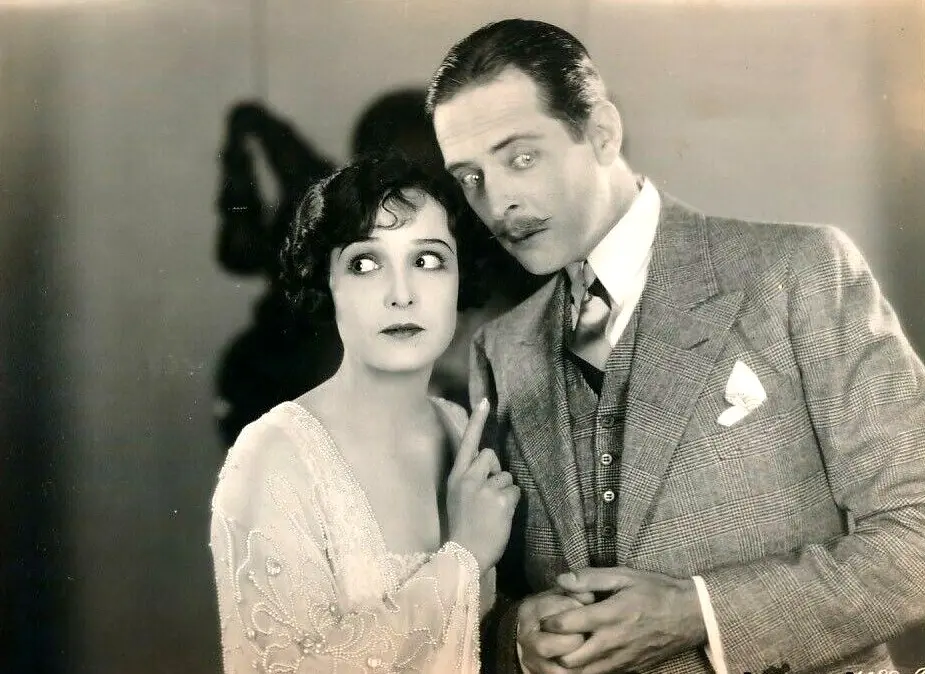
Tullio Carminati, as Prince Dantarini, is equally compelling. His aristocratic bearing is impeccable, and he projects a magnetic charm that makes his sudden jealousy all the more impactful. The scene where he confronts Gail and Banning-Green is a masterclass in silent film acting. His eyes narrow, his jaw clenches, and the shift from calm disdain to simmering rage is palpable, all without a single spoken word. It’s a raw, visceral display of male pride wounded.
The supporting cast, including Effie Ellsler and Florence Vidor, provide solid, if less flamboyant, contributions, grounding the more theatrical central performances. William Austin, as Banning-Green, plays the persistent admirer with just the right touch of earnestness and slight cluelessness, making him a believable catalyst for Dantarini's jealousy rather than a genuine threat.
Scene from Honeymoon Hate
Cinematic perspective: Exploring the visual vocabulary of Honeymoon Hate (1927) through its definitive frames.
Visuals and Vibe: Venice as a Character
The cinematography of Honeymoon Hate, while not revolutionary, effectively captures the romantic allure of Venice. The use of location shots, particularly of the canals and Dantarini’s palace, adds a layer of authenticity and grandeur that elevates the film beyond a mere drawing-room comedy. The visual aesthetic is lush, reflecting Gail's wealth and Dantarini's fading aristocracy. The contrast between opulent interiors and the sun-drenched Venetian exteriors is a subtle yet effective visual metaphor for the characters' internal struggles and external displays.
Pacing is generally brisk for a silent film, particularly in the early courtship scenes. The narrative moves with a confident stride, establishing characters and conflicts efficiently. There are moments of deliberate slowness, such as Dantarini’s calm dinner, which serve to heighten dramatic tension rather than drag the plot. The film understands the rhythm of silent storytelling, allowing expressions and gestures to linger just long enough to convey meaning without becoming tedious.
The tone oscillates between lighthearted romance and a more serious exploration of pride and possessiveness. It’s a delicate balance that the film largely maintains, preventing the comedic elements from undermining the emotional stakes and vice-versa. The shift towards Dantarini's violent jealousy is handled with a gravity that briefly threatens to turn the film into a drama, before pulling back for its romantic resolution.
Unconventional Observations and Debatable Opinions
One might argue that Honeymoon Hate, despite its ostensibly romantic conclusion, is less a love story and more a study in power dynamics. Gail and Dantarini are not drawn together by gentle affection but by a mutual, almost aggressive, respect for each other’s strength of will. Their reconciliation isn't a triumph of love over adversity, but a surrender of Gail's pride in the face of Dantarini's calculated dominance. This makes the film feel less like a traditional romance and more like an early exploration of psychological warfare in relationships.
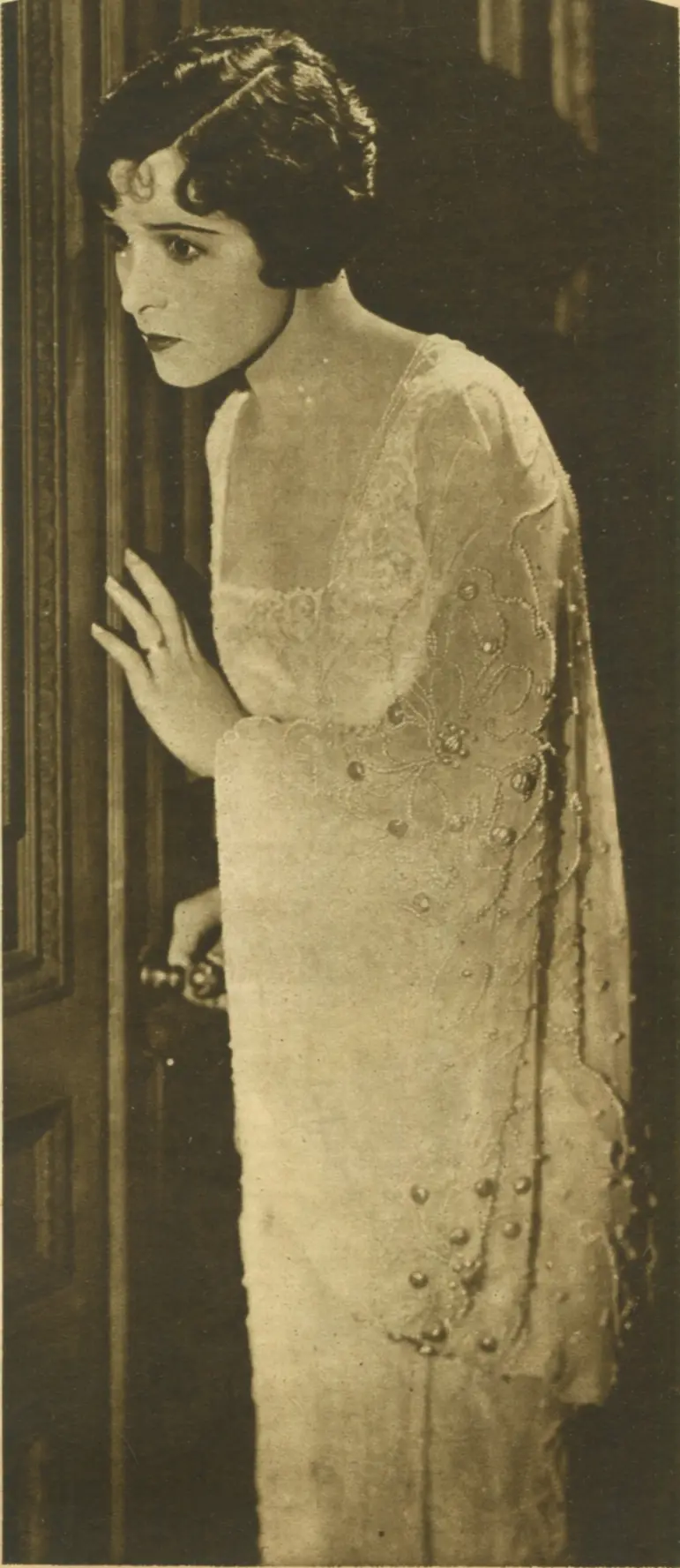
Scene from Honeymoon Hate
Cinematic perspective: Exploring the visual vocabulary of Honeymoon Hate (1927) through its definitive frames.
Furthermore, the character of Banning-Green, often relegated to a mere plot device, actually serves a more profound purpose. He is the external trigger that forces Dantarini to confront his feelings, but more importantly, he is the mirror through which Gail sees her own desires. His bland, persistent admiration highlights the thrilling, dangerous allure of Dantarini's possessive nature, making her choice less about Banning-Green and more about her own attraction to a formidable challenge. It’s a surprising depth for what could have been a one-note character.
I firmly believe that the film's ending, where Gail's will is 'broken' by Dantarini's offer of freedom, is problematic through a modern lens. While it might have been seen as a romantic triumph of masculine resolve in 1927, today it reads as a subtle, yet undeniable, subjugation. It works within the narrative's internal logic, but it’s flawed. This isn't a criticism of the film's execution, but rather a reflection on how societal values shift, making certain narrative resolutions feel uncomfortable decades later.
Key Takeaways
Best for: Enthusiasts of silent cinema, classic romantic comedies, and those interested in early feminist themes (even if complicated by the ending).
Not for: Viewers seeking modern pacing, dialogue-driven humor, or straightforward, unproblematic romance.
Standout element: Corliss Palmer's dynamic performance and the surprising psychological depth of the central conflict between Gail and Dantarini.
Biggest flaw: The resolution, while dramatically effective for its time, feels dated and potentially problematic in its depiction of female agency.
Pros and Cons
Pros:
Engaging Central Performances: Corliss Palmer and Tullio Carminati deliver strong, expressive portrayals that carry the film's emotional weight. Palmer, in particular, showcases a vibrant independence that is compelling.
Sharp Screenwriting (for a Silent): The narrative, likely influenced by the uncredited Herman J. Mankiewicz, is more nuanced than many contemporaries. The intertitles are often witty and propel the story forward with clarity.
Effective Use of Setting: Venice is not just a backdrop; its romantic and opulent atmosphere plays a crucial role in enhancing the film’s tone and character dynamics.
Intriguing Power Dynamics: The film's exploration of a battle of wills between two strong-headed individuals feels ahead of its time, offering a more complex romantic conflict than simple boy-meets-girl narratives.
Historical Significance: As a product of 1927, it offers valuable insight into filmmaking techniques, societal expectations, and popular entertainment before the advent of sound.
Cons:
Dated Resolution: The ending, where the heroine's 'will is broken,' is likely to sit uncomfortably with modern audiences, reflecting outdated gender roles.
Pacing Challenges for Modern Viewers: While well-paced for a silent film, it will still require a different kind of patience from audiences accustomed to contemporary cinema.
Limited Accessibility: As a silent film, it inherently appeals to a niche audience, requiring a certain level of engagement with its unique storytelling conventions.
Predictable Character Arcs (to a degree): While the journey is interesting, the ultimate romantic pairing feels almost inevitable, even if the path there is dramatic.
Lack of Distinctive Cinematography: While competent, the visual style doesn't push boundaries like some other silent masterpieces such as The Eternal Grind or The Sawdust Doll; it serves the story but doesn't elevate it visually in a profound way.
Verdict
Honeymoon Hate is a fascinating, if imperfect, relic from the silent era. It works. But it’s flawed. Its strengths lie in its spirited performances, particularly from Corliss Palmer, and a screenplay that manages to convey genuine emotional and psychological conflict without a single spoken word. The battle of wills between Gail and Dantarini is genuinely compelling, a testament to the enduring appeal of strong characters clashing on screen. The film’s Venetian setting adds a layer of undeniable glamour, making it a visually appealing experience for those who appreciate classic cinema.
However, its resolution, where Gail's spirit is ultimately 'broken' to achieve romantic harmony, is a stark reminder of the social mores of its time. It’s a moment that feels less like mutual understanding and more like capitulation, which can be jarring for contemporary sensibilities. Despite this, for anyone with an interest in silent film history, the evolution of the romantic comedy, or simply a desire to see a vibrant, independent female character navigate the complexities of love and pride in the 1920s, Honeymoon Hate offers much to appreciate. It's not a timeless masterpiece, but it's a valuable and entertaining piece of cinematic history that still sparks conversation.