DbcultAccessing Vault...
Cult Review
Senior Film Conservator
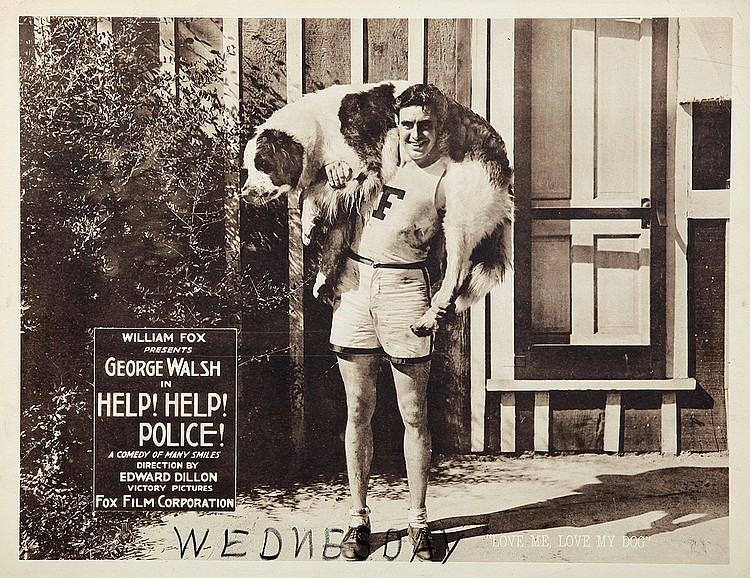
The opening tableau of Help! Help! Police! immerses the viewer in the glittering micro‑cosm of Palm Beach’s elite, where gilded façades mask simmering rivalries. Alan Edwards’ George Welston arrives with a swagger that belies his youth, his eyes immediately fixed on Evelyn Brent’s Eve Pendleton, whose poise radiates both privilege and vulnerability. The film’s mise‑en‑scene, replete with sun‑kissed verandas and marble corridors, functions as a visual metaphor for the fragile veneer of propriety that the characters cling to.
From the outset, the narrative stakes are established through a financial chess match: Edward Welston (Joseph Burke) has pledged a six‑figure deposit to secure a lucrative contract, while Judson Pendleton (Eric Mayne) maneuvers to obtain an option that would tilt the balance of power. George’s impulsive decision to race his father's automobile, a daring stunt that costs the Welstons $100,000, is less a reckless act than a symbolic rupture of filial obedience, underscoring the film’s recurring theme of youthful rebellion against entrenched authority.
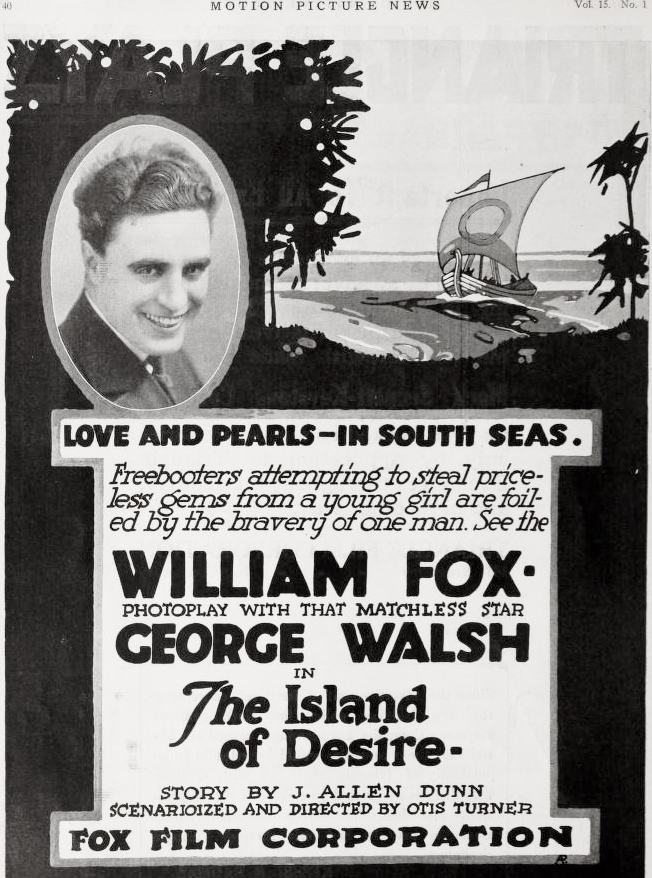
Arthur Trask (George Walsh), introduced with a polished smile and a silk‑tied cravat, epitomizes the duplicitous aristocrat. His genteel demeanor masks a predatory calculus that becomes evident when he covertly observes Eve’s window, a moment captured in a lingering close‑up that heightens suspense. The subsequent chase sequence—George in hot pursuit, the detective (Henry Hallam) in reluctant pursuit—exemplifies the director’s deft handling of kinetic energy within the constraints of silent cinema, relying on rapid intercutting and expressive body language to convey urgency.
The film’s tonal shift occurs when Trask abducts Marian Trevor (Alice Mann), a society belle whose flamboyant attire and confident swagger contrast sharply with Eve’s demure elegance. Trask’s binding and gagging of Marian is rendered with a stark visual economy: rope coiled around wrists, a silk scarf muffling her cries, all bathed in chiaroscuro lighting that accentuates the moral darkness of his intentions. The accidental fire ignited by Trask’s discarded cigarette becomes a literal and figurative blaze, threatening to consume both the physical set and the fragile social order.
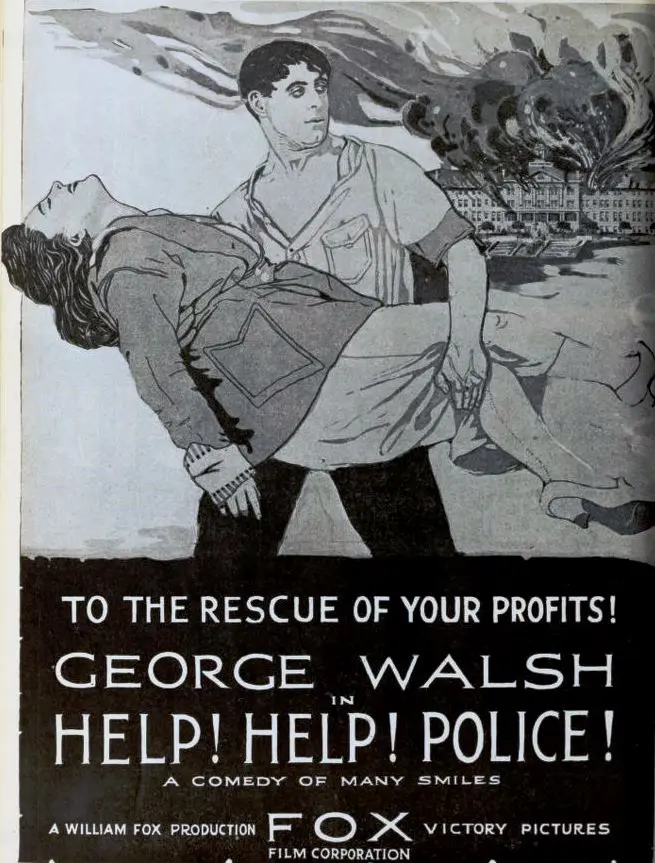
George’s rescue of Marian is a masterclass in heroic choreography. He bursts through smoke‑filled corridors, his silhouette illuminated by flickering flames, embodying the archetypal savior. Yet, the film subverts expectations when Marian, disoriented and terrified, accuses George of the very crimes he has prevented. This accusation introduces a compelling layer of dramatic irony, forcing the audience to grapple with the unreliability of perception and the ease with which truth can be obscured by panic.
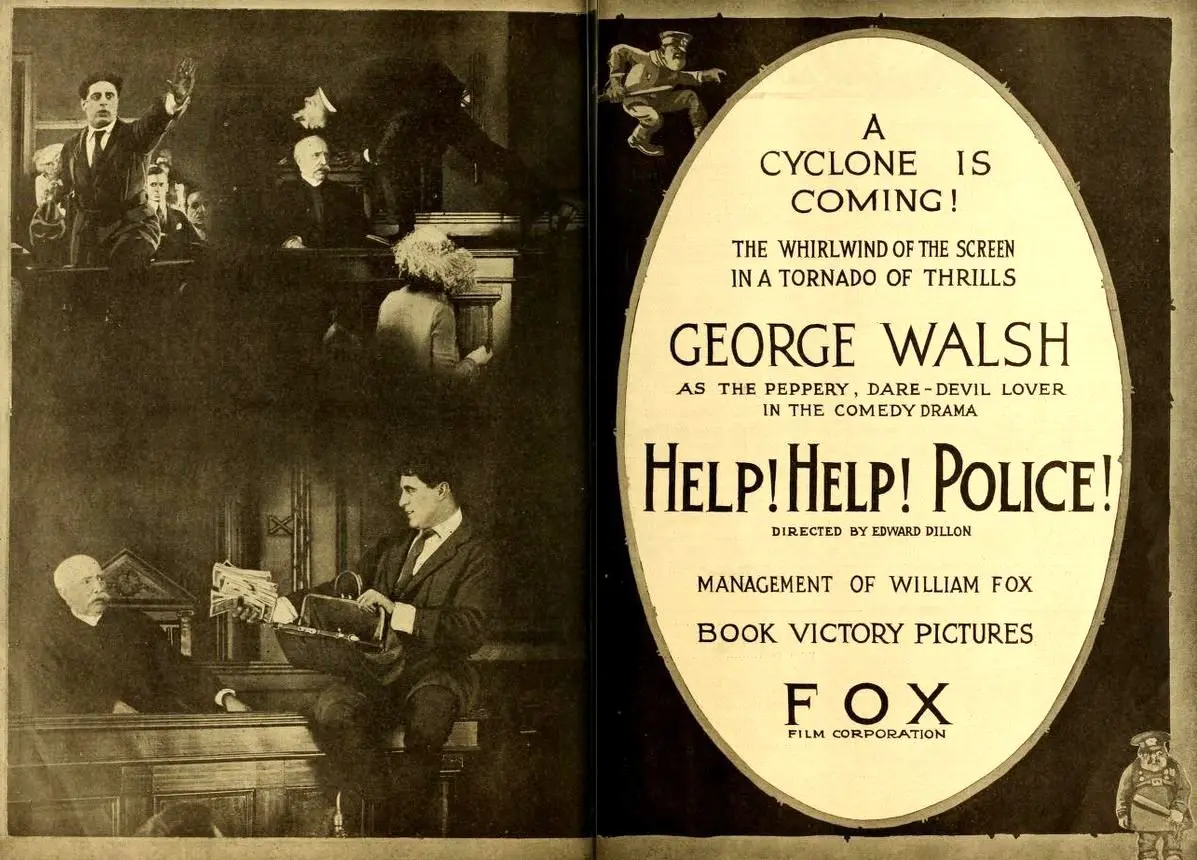
Edward Welston’s decision to post another $100,000 bail is a pivotal moment that underscores the intergenerational dynamics at play. The father’s willingness to jeopardize his own financial standing for his son’s redemption reflects a nuanced portrayal of paternal sacrifice, a motif echoed in contemporary works such as The Lure of Millions where familial bonds are tested by monetary ambition.
The climactic confrontation between George and Trask unfolds on a rain‑slicked dock, the water reflecting the neon glow of distant lanterns. The fight choreography, though restrained by the era’s technical limitations, is charged with raw intensity; each blow is punctuated by intertitles that convey the characters’ internal monologues, a technique reminiscent of the kinetic storytelling in The Forfeit. When George finally subdues Trask, the camera lingers on the fallen antagonist, his once‑impeccable attire now disheveled, symbolizing the collapse of his deceptive façade.
The race to the courtroom is a narrative sprint that compresses time, employing rapid montage to convey the frantic urgency of delivering the recovered $600,000 before the bail is forfeited. The courtroom scene itself is bathed in stark white light, a visual cue that suggests moral clarity emerging from the preceding chaos. Edward and Pendleton’s handshake at the film’s denouement signifies not merely a business alliance but a reconciliation of erstwhile animosities, a resolution that mirrors the thematic arc of unity prevailing over division.
Beyond its plot mechanics, Help! Help! Police! offers a rich tapestry of thematic concerns. The film interrogates the corrupting influence of wealth, the fragility of reputation, and the paradox of heroism that is simultaneously celebrated and doubted. Marian’s false accusation of George serves as a commentary on the volatility of public opinion, a notion that resonates with modern audiences accustomed to the rapid spread of misinformation.
The performances merit particular commendation. Alan Edwards imbues George with a blend of swagger and vulnerability, his expressive eyes conveying a spectrum of emotions without the aid of dialogue. Evelyn Brent’s Eve exudes a quiet strength; her measured gestures and poised demeanor suggest an inner resolve that transcends the conventional damsel archetype. Eric Mayne’s portrayal of Judson Pendleton is layered, oscillating between stern businessman and tender father, thereby enriching the film’s emotional palette.
Cinematographically, the film employs a palette that juxtaposes the luminous whites of the beach with the deep shadows of night‑time intrigue. The use of soft focus during romantic interludes contrasts sharply with the gritty, high‑contrast lighting of the chase sequences, a visual strategy that underscores the duality of the characters’ worlds. The occasional use of tinting—blue for nocturnal scenes, amber for moments of revelation—adds a subtle yet effective emotional cue, a technique also observed in The Man Who Came Back.
From a narrative structure standpoint, the film adheres to a classic three‑act progression while interweaving subplots that enrich the central storyline. The subplot involving Marian’s social circle provides a broader commentary on the decadence of the era’s upper class, echoing the social critiques found in A Woman's Fight. Moreover, the film’s pacing—alternating between languid, character‑driven moments and pulse‑pounding action—maintains audience engagement throughout its runtime.
The screenplay, crafted by Raymond L. Schrock and Irving McDonald, demonstrates a deft balance between exposition and visual storytelling. Intertitles are sparingly used, allowing the actors’ physicality and the director’s framing to convey the bulk of the narrative. When dialogue does appear, it is crisp, purposeful, and often laced with subtext, a hallmark of effective silent‑era scripting.
In terms of cultural impact, Help! Help! Police! occupies a niche within the silent‑film canon as a work that bridges melodrama and early thriller conventions. Its influence can be traced in later genre hybrids, such as The Voice of Destiny, where romantic entanglements intersect with criminal intrigue. The film’s exploration of corporate rivalry predates the more overtly satirical takes on capitalism seen in 1930s cinema, positioning it as a prescient commentary on the American Dream’s darker undercurrents.
The production design deserves special mention; the opulent hotel interiors, replete with crystal chandeliers and polished marble, contrast starkly with the gritty dockyard where the final showdown unfolds. This juxtaposition reinforces the film’s central dichotomy: the polished surface of high society versus the murky depths of human ambition.
Music, though not audible in the text, would have been performed live during screenings, likely employing a ragtime piano accompaniment that accentuated the film’s brisk tempo during chase scenes and a more somber string arrangement during moments of emotional revelation. This auditory layer, while absent from the visual record, would have amplified the film’s emotional resonance for contemporary audiences.
In sum, Help! Help! Police! stands as a testament to the silent era’s capacity for sophisticated storytelling, marrying high‑stakes drama with nuanced character studies. Its enduring relevance lies in its exploration of timeless themes—love versus duty, truth versus perception, and the relentless pursuit of justice—rendered with a visual flair that continues to inspire modern filmmakers. For scholars of early cinema, the film offers a fertile ground for analysis, while for casual viewers, it delivers an exhilarating ride through a bygone epoch of glamour and danger.
IMDb 6.5
1925
Community
Log in to comment.