DbcultAccessing Vault...
Cult Review
Senior Film Conservator
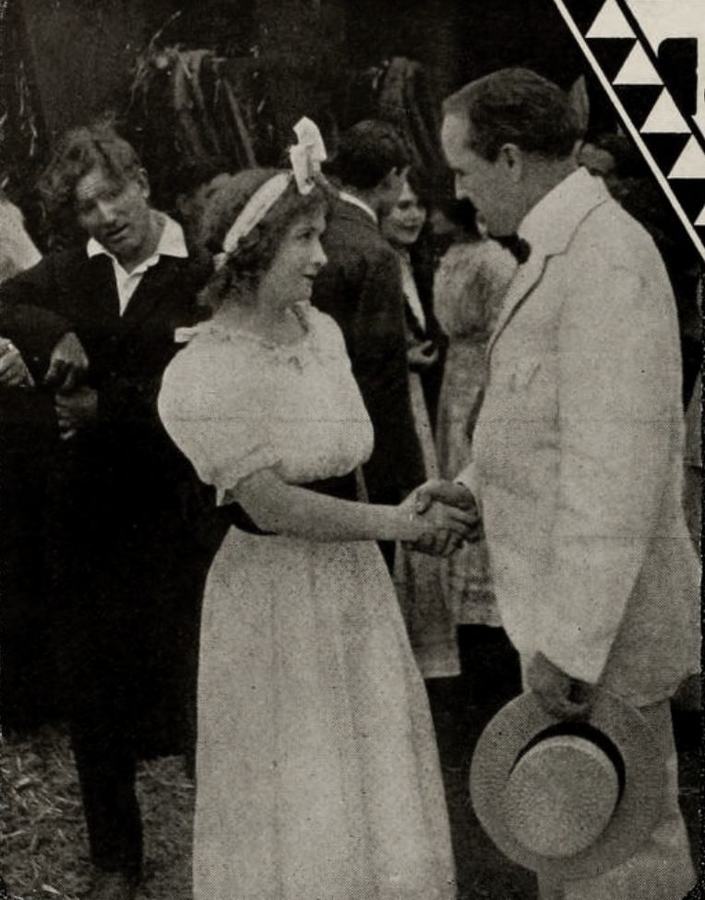
Stepping into the world of Honor's Altar, a silent film from 1916, is akin to unearthing a forgotten treasure map, where the X marks not gold, but the intricate, often treacherous, terrain of the human heart. This cinematic gem, penned by the masterful C. Gardner Sullivan, offers a profound exploration of ambition, disaffection, and the bewildering ways in which love can both be forsaken and, against all odds, rediscovered. It's a narrative that, despite its century-old vintage, resonates with a startling contemporary relevance, dissecting the psychological undercurrents that can erode even the most steadfast of unions.
At its core, the story revolves around Frederick Mallery, portrayed with a compelling mix of ambition and eventual vulnerability by Robert McKim. Frederick is a man who has meticulously sculpted a colossal financial empire from the raw clay of poverty. His ascent to wealth, however, has ironically shackled him to an unforeseen malaise: a profound weariness with his devoted wife, Winnie, played with understated grace by Bessie Barriscale. Winnie, the steadfast anchor during his years of struggle, now represents, to Frederick's jaded eyes, a relic of a past he desperately wishes to shed. This isn't merely a desire for novelty; it's a chilling testament to how prosperity can sometimes breed an insidious ingratitude, blinding individuals to the true value of loyalty and companionship.
The audacious solution Frederick devises to escape his perceived marital prison is nothing short of Machiavellian. He enlists Warren Woods, a former playboy whose fortunes have dwindled, leaving him in a desperate state. For a princely sum of $50,000 – a staggering amount then, signifying the depth of Frederick's desperation and his contempt for his marriage – Warren is tasked with seducing Winnie, thereby providing Frederick with an unimpeachable excuse for divorce. Lewis Stone embodies Warren Woods with a nuanced blend of initial cynicism and burgeoning emotional complexity. It’s a role that demands a subtle evolution, transitioning from mercenary opportunist to a man grappling with genuine affection.
What unfolds is a masterclass in ironic reversal. Warren, initially driven solely by the promise of financial salvation, diligently applies himself to his unseemly task. Yet, the very act of feigning affection for Winnie ignites within him an authentic, profound love. Winnie, oblivious to the nefarious plot against her, remains the epitome of unwavering devotion, a quiet force of moral rectitude amidst the swirling currents of deceit. Her character, brought to life by Bessie Barriscale, is not merely a passive victim but a symbol of enduring fidelity, highlighting the stark contrast between her genuine affection and Frederick's calculated machinations. One cannot help but ponder if Frederick, in his myopic pursuit of personal liberation, ever truly comprehended the depth of the woman he sought to discard. The narrative, in this regard, shares thematic echoes with films exploring moral dilemmas and societal pressures on relationships, such as The Sex Lure or The ABC of Love, where characters navigate complicated romantic landscapes often fraught with external forces.
The plot thickens with Warren's internal conflict. Despite his newfound, sincere affection for Winnie, the pressing need for the promised $50,000 compels him to make a fateful decision. He reports back to Frederick, boasting of his supposed success in seducing Winnie. This fabricated triumph, intended to free Frederick, instead plunges him into an abyss of unexpected, searing jealousy. The very thought of another man possessing Winnie, even through his own design, ignites a primal possessiveness within him. It's a powerful moment of self-discovery for Frederick, revealing that his disaffection was perhaps merely a superficial layer over a deeper, unacknowledged love. This sudden surge of emotion forces him to confront the profound error of his ways, making him realize the true cost of his cynical gamble. The film, through this intricate turn, masterfully illustrates the concept of fatal orgullo (fatal pride), where one's arrogance leads to unforeseen and painful consequences.
Frederick, reeling from this emotional revelation, abruptly calls off the deal with Warren. The money, the divorce, the entire elaborate charade crumbles in the face of his awakened feelings. He rushes to Winnie, confessing his profound love, a sentiment that, though belated, feels entirely authentic in its desperate urgency. This climax is a testament to the power of human emotion to override even the most meticulously planned schemes. It’s a redemption arc, not without its complexities, as the audience is left to ponder the sincerity and longevity of Frederick’s rediscovered devotion, and the potential emotional scars left by his betrayal.
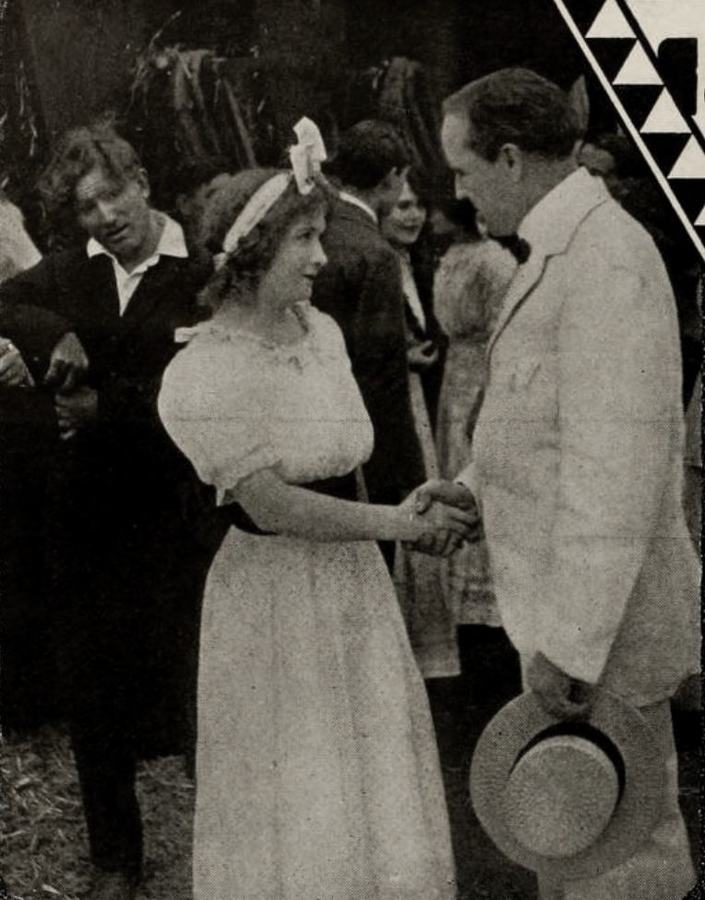
The ensemble cast, while typical of its era, delivers performances that, even through the lens of silent film conventions, convey significant emotional weight. Bessie Barriscale’s portrayal of Winnie is particularly noteworthy for its quiet strength and dignity. She embodies the moral compass of the film, her unwavering loyalty serving as a stark contrast to the shifting ethics of the men around her. Robert McKim as Frederick Mallery skillfully navigates his character’s journey from detached husband to consumed by jealousy, showcasing the often-volatile nature of human desire. Lewis Stone as Warren Woods manages to elicit sympathy despite his character's initial mercenary motives, making his transformation believable and poignant. Supporting roles by Lola May and Walter Edwards further flesh out the world of Honor's Altar, adding layers to the societal backdrop against which this intensely personal drama unfolds.
From a narrative perspective, C. Gardner Sullivan’s script is a marvel of intricate plotting and psychological depth. Sullivan, known for his ability to craft compelling dramas, imbues this story with a moral complexity that elevates it beyond simple melodrama. The twists and turns are not merely for shock value; they serve to illuminate the characters' inner lives and the profound consequences of their choices. His writing often explored the darker facets of human nature and societal pressures, much like his contemporaries who contributed to the rich tapestry of early cinema, sometimes tackling difficult subjects that explored the boundaries of morality, perhaps even paralleling the intricate social critiques seen in films like The Crisis or the grand dramatic scale of Salambo, a $100,000 Spectacle in terms of narrative ambition, if not direct thematic overlap.
The film's direction, though uncredited in the provided information, skillfully employs the visual language of silent cinema to convey emotion and narrative progression. Close-ups emphasize facial expressions, conveying inner turmoil and burgeoning affection without the need for dialogue. The use of dramatic lighting and carefully composed frames enhances the mood, drawing the audience deeper into the characters' psychological landscapes. The pacing, while deliberate, builds tension effectively, culminating in the powerful emotional climax. For those accustomed to modern filmmaking, the expressive power of silent film often comes as a delightful surprise, demonstrating that compelling storytelling transcends spoken words. The visual storytelling here is as potent as any contemporary drama, relying on the actors' nuanced performances and the director's keen eye for composition to convey the narrative's emotional weight.
What truly sets Honor's Altar apart is its fearless examination of human fallibility and the potential for redemption. Frederick’s journey is not one of unblemished heroism, but of a man who makes a terrible mistake, only to be jolted into a profound realization by the very forces he set in motion. It speaks to the idea that sometimes, we only appreciate what we have when faced with the agonizing prospect of losing it. Warren’s arc, too, is compelling, highlighting the transformative power of genuine affection, even when initially prompted by mercenary motives. It reminds us that humanity, even in its most compromised states, retains the capacity for growth and change, a theme also explored in films like Fatherhood, albeit through a different lens of responsibility and love.
In an era where films often focused on simpler moral tales or grand spectacles, Honor's Altar offers a remarkably sophisticated psychological drama. It delves into the messy, often contradictory nature of human relationships, where love and resentment can coexist, and where the pursuit of selfish desires can inadvertently lead to a deeper understanding of one's own heart. It challenges viewers to consider the true meaning of commitment, loyalty, and the often-unseen sacrifices that underpin a lasting partnership. This film, far from being a mere historical curiosity, stands as a vibrant testament to the enduring power of classic cinema to explore universal themes that continue to resonate with audiences today.
Ultimately, Honor's Altar is more than just a tale of romantic intrigue; it's a poignant commentary on the human condition itself. It asks us to consider the price of ambition, the fragility of fidelity, and the unexpected paths to emotional awakening. It's a film that, like a finely aged wine, reveals new nuances with each viewing, inviting contemplation on the complex interplay of love, betrayal, and the profound, sometimes painful, journey towards self-discovery. A truly enthralling piece of cinematic history, it deserves a prominent place in the pantheon of early American cinema for its narrative ambition and emotional depth. Its exploration of moral quandaries, though distinct in its specific plot, evokes the complex ethical dilemmas presented in films like A Boy and the Law, where characters are forced to grapple with profound choices and their repercussions.
IMDb —
1923
Community
Log in to comment.