DbcultAccessing Vault...
Cult Review
Senior Film Conservator
Is Hook or Crook, the 1917 silent comedy featuring Károly Huszár, worth watching today? Short answer: yes, but with significant caveats. This early farce offers a fascinating glimpse into the comedic sensibilities of its era, delivering some genuinely inventive physical humor, yet it's undeniably a product of its time, presenting challenges for modern viewers accustomed to more sophisticated narratives.
This film is a delightful, if fleeting, diversion for silent film enthusiasts, film historians, and anyone with a keen interest in the evolution of comedic cinema. However, it is decidedly not for those seeking polished storytelling, fast-paced contemporary humor, or a film that doesn't require a generous dose of historical context to fully appreciate its charm.
This film works because: It masterfully employs the classic silent film tropes of mistaken identity and physical comedy, driven by a committed, if broad, central performance.
This film fails because: Its narrative, while initially promising, struggles to maintain momentum, relying heavily on situational gags that sometimes feel repetitive or overly simplistic by today's standards.
You should watch it if: You have an appreciation for historical cinema, enjoy the unique artistry of silent film acting, or are curious about the roots of modern comedic storytelling.
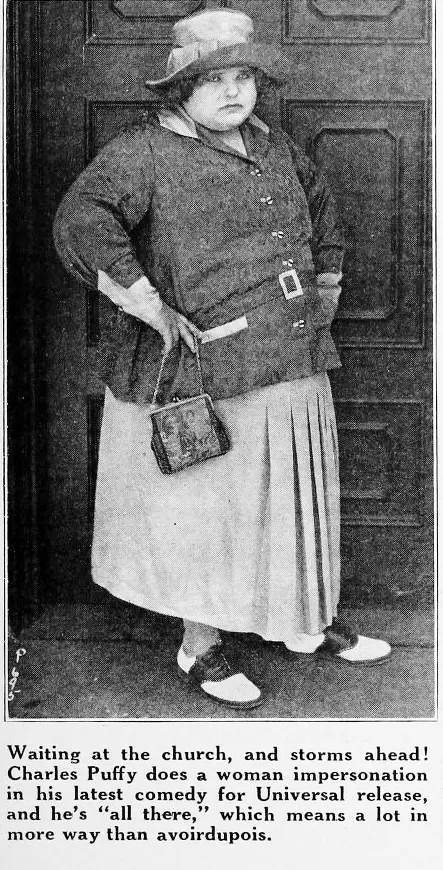
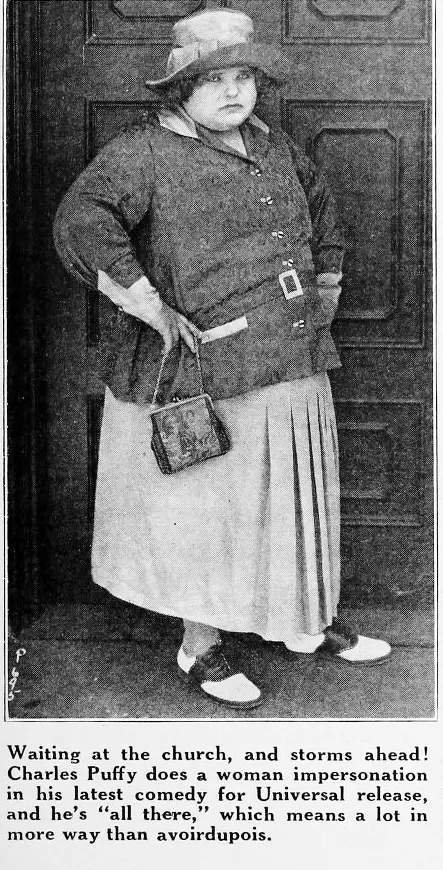
At its core, Hook or Crook hinges on a premise ripe for comedic chaos: a man, Puffy, forced into cross-dressing as a penalty for a lost election bet. This initial setup is inherently fertile ground for farce, immediately establishing a world where social decorum is a thin veneer, easily shattered by a dose of absurdity. Károly Huszár, as Puffy, embraces this role with a physicality that is both the film's greatest asset and, at times, its most glaring anachronism.
The transformation of Puffy into his feminine alter-ego is where the film truly begins to flex its comedic muscles. The scene where his friends 'doll him up' is a standout, brimming with the kind of slapstick enthusiasm that defined early cinema. Here, the humor isn't just in the disguise itself, but in the clumsy, over-the-top application of wigs, dresses, and makeup, each item adding another layer to the burgeoning caricature.
What elevates this beyond simple gender-bending is the subsequent twist: Puffy's new guise accidentally makes him resemble an escaped crook. This stroke of narrative genius immediately raises the stakes, transforming a mere social embarrassment into a frantic, high-stakes flight from justice. The film pivots from lighthearted mockery to genuine, if still comedic, peril, a testament to Richard Smith’s simple but effective screenwriting.
Huszár's performance during these early sequences is crucial. His exaggerated expressions, wide-eyed panic, and flailing attempts to navigate the world in women's clothing are pure silent film gold. He doesn't just wear the costume; he embodies the discomfort, the fear, and the sheer indignity of his predicament. The humor, while broad, is effective, eliciting genuine chuckles at the sheer audacity of the situation.
Hook or Crook is a veritable masterclass in deploying silent comedy's most beloved tropes. Mistaken identity, of course, forms the backbone of the narrative, driving every plot development and comedic beat. Puffy's resemblance to the escaped crook is not just a plot device; it's a commentary on the superficiality of appearances and the ease with which society can misjudge.
The film leans heavily into physical comedy, a necessity in an era devoid of spoken dialogue. We see this in the frantic chase sequences that ensue once the police are on Puffy's trail. These aren't just perfunctory pursuits; they are carefully choreographed ballets of near-misses, pratfalls, and desperate sprints through various urban and domestic landscapes. The pacing here is surprisingly brisk, maintaining a sense of urgency that propels the viewer through the escalating absurdity.
Consider the scene where Puffy, in his cook's attire, attempts to evade a suspicious officer in the winner's home. The tension, conveyed entirely through Huszár’s furtive glances and exaggerated tiptoeing, is palpable. It’s a classic cat-and-mouse scenario, demonstrating how silent films could build suspense and humor simultaneously, relying solely on visual cues and the actors' expressive movements. This particular moment is a direct descendant of gags seen in films like A Hickory Hick, showcasing the shared comedic language of the era.
The film's reliance on these established tropes is both a strength and, for modern audiences, a potential weakness. While it offers a comforting familiarity for those versed in silent cinema, it can feel predictable or unsophisticated to viewers expecting more complex character development or nuanced humor. Yet, within its historical context, it’s a finely tuned machine of comedic mechanics.
Richard Smith's direction in Hook or Crook is pragmatic and effective, prioritizing clarity and comedic impact over stylistic flourishes. In an era where filmmaking was still finding its language, Smith demonstrates a keen understanding of how to convey narrative and emotion without words. His camera work, while not groundbreaking, is functional, ensuring that the audience always understands the unfolding chaos.
The cinematography, though simple, serves the story well. Smith frequently employs wide shots to establish the comedic tableau, allowing the audience to take in the full scope of Puffy's predicaments, whether it’s his awkward movements in a dress or his desperate attempts to hide in plain sight. These wider frames are crucial for the physical comedy, giving Huszár ample space to perform his routines.
However, Smith also understands the power of the close-up, deploying it judiciously to capture Huszár’s expressive face, particularly during moments of panic or indignation. A particularly memorable instance is when Puffy first sees his reflection after being 'dolled up,' a moment of dawning horror beautifully articulated through Huszár's contorted features, magnified for maximum comedic effect. This intelligent use of framing ensures that the emotional core of the farce, Puffy's humiliation, is never lost amidst the slapstick.
The film’s visual storytelling relies heavily on clear blocking and exaggerated gestures, which were the lingua franca of silent acting. Smith orchestrates his scenes to maximize these elements, ensuring that every character’s intention and reaction are immediately comprehensible, even without intertitles. It’s a testament to the director’s skill that such a farcical plot remains coherent and engaging purely through visual means.
While primarily a farce, Hook or Crook inadvertently touches upon fascinating thematic undercurrents concerning gender, identity, and social class. The forced masquerade of Puffy as a woman, while played for laughs, prompts a subtle exploration of societal expectations and the fluidity of identity. For its time, the gender-bending aspect might have been considered daring, even if its primary purpose was to generate comedic discomfort.
Puffy's discomfort in feminine attire isn't just about the physical awkwardness; it's about the erosion of his masculine identity and social standing as a 'clubman.' The film subtly satirizes the rigid gender roles of the era, where a man's public image was paramount. His transformation isn't just a disguise; it's a temporary stripping away of his societal privileges, forcing him into a vulnerable, often subservient, position, particularly when he takes on the role of a cook.
The idea of an election bet serving as the catalyst for such a drastic transformation also offers a satirical jab at the superficiality of political rivalries and the triviality of some social customs. The film suggests that beneath the veneer of gentlemanly conduct, there's a willingness to inflict profound humiliation for the sake of a wager. This is a surprisingly sharp observation for what appears to be a lighthearted comedy.
The ultimate irony, of course, is Puffy's accidental refuge in the winner's home and the subsequent recount that reverses his fortunes. This narrative arc, while overtly comedic, carries a faint echo of social commentary, suggesting that fortunes can turn on a dime and that those at the top are not always as secure as they seem. It’s a playful, yet pointed, critique of social hierarchies, wrapped in a blanket of slapstick.
Károly Huszár's performance as Puffy is, without a doubt, the linchpin of Hook or Crook. He embodies the role with a vigorous commitment that transcends mere pantomime. Huszár doesn't just act; he physically manifests Puffy's escalating predicament, from the initial embarrassment of the disguise to the frantic terror of being mistaken for a criminal, and finally, the quiet triumph of his vindication.
His physical comedy is particularly noteworthy. Whether it's the exaggerated sashay in a dress, the delicate way he tries to hold a broom, or the wide-eyed terror when confronted by a police officer, Huszár's body language speaks volumes. There's a particular scene where he attempts to serve a meal in the rival's home, constantly looking over his shoulder, balancing trays precariously, his entire being radiating anxiety. This attention to detail in his physicality makes the character genuinely endearing, despite his initial foolishness.
Dorothy Gulliver, whose role is less central but still important, provides a grounding presence amidst Huszár’s histrionics. While the plot summary doesn't detail her specific interactions, it's clear her character (likely a member of the winner's household) serves as a foil, reacting to Puffy's bizarre behavior with a mixture of confusion and perhaps a hint of suspicion. Her performance, typical of the era, supports the central comedic engine without overshadowing it.
The supporting cast, though largely unnamed in the provided context, plays their parts with the necessary broadness. Puffy's friends, who initiate the 'dolling up,' are particularly effective in their mischievous glee, setting the tone for the film's playful cruelty. Their reactions to Puffy's predicament amplify the humor, making his plight feel more universal, a shared joke among a community.
The pacing of Hook or Crook is surprisingly consistent for a film of its vintage. It moves with a briskness that prevents the gags from overstaying their welcome, keeping the narrative propelled forward by the ever-present threat of exposure. The film understands the rhythm of farce, building comedic tension through a series of escalating complications, each one adding another layer of absurdity to Puffy's plight.
The tone is undeniably lighthearted, even with the threat of arrest looming over Puffy. It’s a film that wants you to laugh, not to feel genuine distress. The resolution, with the vote recount making Puffy the winner, reinforces this jovial tone, turning what could have been a tale of prolonged humiliation into one of ultimate, satisfying comeuppance. It’s a classic comedic arc, executed with a charming simplicity.
However, for modern viewers, the humor might occasionally feel rudimentary. Some of the gags, while historically significant, lack the layered complexity or rapid-fire delivery of contemporary comedy. It works. But it’s flawed. Yet, the film's lasting impression is one of genial good fun, a testament to the enduring appeal of well-executed physical comedy and a surprisingly clever plot twist.
One unconventional observation: the film, despite its simple premise, inadvertently highlights the anxieties of public image and reputation in a nascent media age. Puffy's predicament, driven by a bet and exacerbated by mistaken identity based on a 'resemblance to an escaped crook,' speaks to a primal fear of public shaming and misrepresentation that resonates even today, albeit through different mediums.
Yes, Hook or Crook is worth watching today, especially for specific audiences. It offers a valuable window into early 20th-century comedic filmmaking.
If you are a student of cinema history or a fan of silent films, this movie provides excellent insight into the genre's conventions. It showcases the foundational elements of physical comedy and mistaken identity plots that influenced generations of filmmakers.
However, if you prefer films with fast dialogue, complex character arcs, or modern comedic sensibilities, this might not be for you. It requires an appreciation for its historical context and a willingness to engage with a different style of storytelling.
Hook or Crook is more than just a historical footnote; it’s a vibrant, if rough-around-the-edges, piece of silent film comedy that showcases the enduring power of a simple, absurd premise. While it won't redefine your understanding of cinema, it offers a delightful escape into a bygone era of physical gags and mistaken identities. Károly Huszár’s performance alone is worth the price of admission (or, more likely, the click of a button on a streaming service).
It’s a film that understands its strengths, leaning into the slapstick and the sheer audacity of its plot. Is it a masterpiece? No. But it is an incredibly charming artifact, demonstrating the foundational elements of screen comedy with a palpable sense of fun. It serves as a vital reminder that humor, in its purest form, often transcends language and time, even if some of its packaging feels distinctly antique.
I firmly believe that dismissing films like Hook or Crook as merely 'old' is a disservice to film history. These early works are the building blocks, the genetic code of what cinema would become. This particular film, with its clever twist and energetic lead, stands as a surprisingly robust example of how early filmmakers learned to captivate an audience with little more than a camera, a compelling idea, and a performer willing to embrace total, glorious farce.
IMDb —
1926
Community
Log in to comment.