DbcultAccessing Vault...
6.9/10
Senior Film Conservator
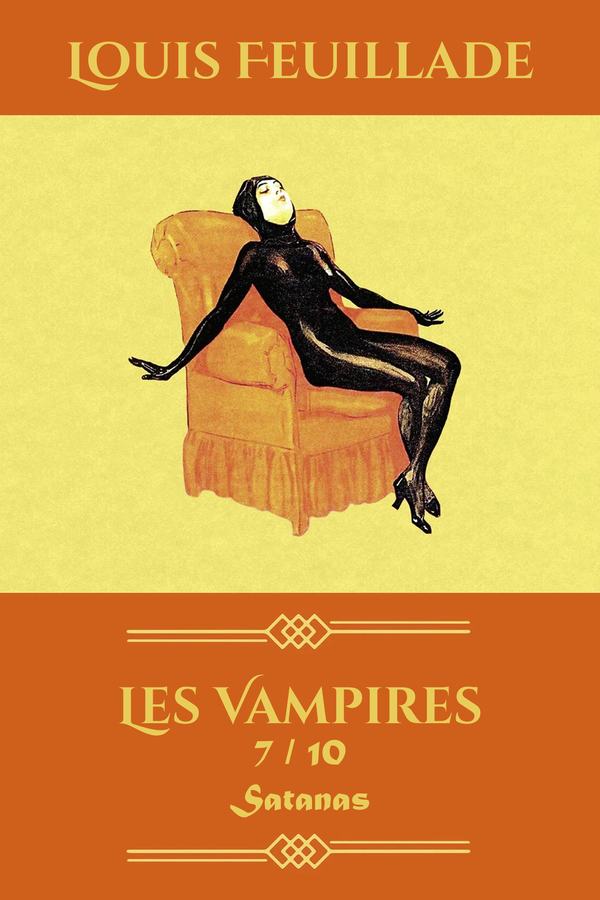
A definitive 6.9/10 rating for a film that redefined the boundaries of cult cinema. The Vampires: Satanas remains a cornerstone of transgressive art.
The cinematic landscape of the early 20th century was a wild, untamed frontier, brimming with audacious experimentation and narrative daring. Amidst this ferment, Louis Feuillade emerged as a titan, a master craftsman whose serialized sagas captivated audiences and defined the very grammar of suspense. His opus, The Vampires, stands as an unparalleled testament to this era, and within its sprawling narrative, the episode titled Satanas carves out a particularly dark and compelling niche. This is not merely a chapter in a longer story; it is a meticulously crafted, self-contained explosion of intrigue, betrayal, and relentless pursuit that solidifies Feuillade's reputation as a progenitor of the modern crime thriller.
From its very inception, Satanas plunges us back into the heart of a conflict already simmering, almost boiling over. The initial capture of Irma Vep and Moreno, two prominent figures in the shadowy Vampires syndicate, provides a false sense of security, a momentary lull before the storm. The guillotining of Moreno, a grim, decisive act, and Irma's subsequent life sentence, were meant to signal the end of the criminal enterprise. Yet, Feuillade, with his characteristic flair for the unexpected, immediately subverts this expectation. The authorities, along with our intrepid reporter Philip Guard, are portrayed as dangerously complacent, blinded by their perceived triumph. This narrative misdirection is a stroke of genius, immediately establishing the cunning and resilience of the criminal underworld, an entity far more hydra-headed than anyone anticipates. It’s a stark reminder that true evil, in Feuillade's universe, is rarely vanquished with a single blow; it merely retreats into the shadows, reconstituting itself with renewed vigor.
The true architect of this resurgence is Satanas, a character whose very name conjures images of diabolical ingenuity. Louis Leubas, in his portrayal of this new leader, imbues him with a chilling blend of intellect and ruthlessness. His introduction immediately shifts the power dynamic, rendering the previously formidable Irma Vep into a pawn, albeit a highly capable one, in his grand design. The scene of Irma's engineered escape is a masterclass in tension and subterfuge. Disguised as a priest, Satanas infiltrates the detention home, delivering his instructions with a deceptive calm that belies the audacious plan he has set in motion. This act of sacrilege, the perversion of a sacred role for criminal ends, underscores the depth of Satanas’s depravity and his utter disregard for societal norms. The 'comforting information' he imparts is, in fact, a blueprint for chaos: feign illness, move to the infirmary, and await the destructive power of his 'wonderful electric gun.'
The destruction of the ship is a spectacle of silent cinema. While the special effects of the era might appear quaint by today's standards, the sheer audacity of the concept, the calculated precision of Satanas’s attack, resonates powerfully. The projectile striking near the bow, the infirmary near the stern – a perfect, deadly confluence designed to free Irma. Feuillade ensures that the audience feels the weight of this act, the casual disregard for human life in the pursuit of criminal objectives. Irma Vep, brought to life with an iconic, mesmerizing intensity by Musidora, emerges from the wreckage, a phoenix from the ashes of a maritime disaster. Her immediate priority is survival, a clandestine return to Paris, where the game of cat and mouse with Philip Guard and Normandin is destined to resume. Musidora’s performance here, even in the absence of dialogue, conveys a potent mixture of vulnerability and steely resolve, solidifying her status as one of cinema’s first truly compelling anti-heroines. Her journey back to Paris, fraught with peril and the need for secrecy, adds another layer of human drama to the grand criminal narrative.
The narrative's focus then sharpens on Philip Guard, the indefatigable reporter played by Édouard Mathé. Guard, a symbol of journalistic integrity and unwavering justice, becomes Satanas’s primary target. This personal vendetta elevates the stakes, transforming the battle from a mere pursuit of criminals into a deadly duel between two formidable wills. The scene where Guard is bound and gagged, left to await the detonation of a bomb, is pure, unadulterated suspense. The ticking clock, a cinematic trope that owes much to early serials like this, creates an almost unbearable tension. Here, Normandin, Guard’s loyal and often underestimated sidekick, steps into the spotlight. Marcel Lévesque imbues Normandin with a grounded heroism, a keen observational skill that allows him to discern the subtle ticking of the infernal machine. His quick thinking – throwing the bomb into the garden – is a moment of exhilarating triumph, a testament to the power of human ingenuity against seemingly insurmountable odds. It's a classic example of Feuillade's ability to build suspense to a fever pitch and then release it with a perfectly timed intervention, a technique that would influence countless thrillers to come, from The Mysterious Man of the Jungle to more modern action fare.
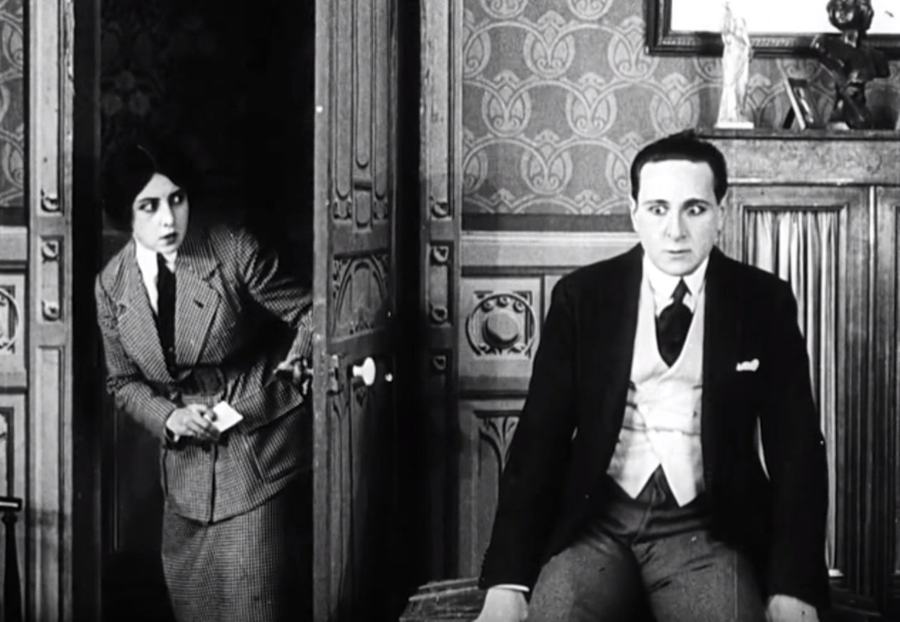
Satanas, ever the chameleon, resurfaces in a new guise, living as a wealthy man, a master of disguise and deception. This constant reinvention is a core theme of The Vampires, highlighting the permeable boundaries between respectable society and the criminal underworld. The faithful Normandin, however, possesses an uncanny knack for penetrating these facades. His discovery of an electric gun shell in Satanas’s new apartment is a pivotal moment, a tangible clue that confirms his suspicions. The subsequent infiltration, orchestrated with the help of Normandin’s son, is a masterclass in silent film espionage. The son's pretext, his subtle admission of his father, the father's concealment in a chest – each beat is carefully choreographed, building to a dramatic confrontation. Feuillade cleverly employs a peep-hole disguised as a mask, revealing Satanas's awareness of Normandin's presence, adding a layer of psychological tension that elevates the scene beyond simple hide-and-seek. This kind of visual storytelling, relying on staging and subtle cues rather than dialogue, is a hallmark of Feuillade’s genius, a skill honed in earlier works like Protéa.
The struggle that ensues between the young Normandin and Satanas is surprisingly brutal. The boy, fearing for his father’s life, confronts the formidable villain, even drawing a revolver. The fight is portrayed with a visceral energy, showcasing the physical prowess of the Vampire leader. The tide only turns with the timely arrival of Philip Guard and the police, a testament to the collaborative effort required to bring such a formidable foe to justice. The resolution of this particular skirmish, however, comes with a touch of Feuillade’s characteristic dark humor: Normandin, released from the chest, is found to have a slight wound – a grazing shot to his 'big nose,' courtesy of his own son’s errant aim. This comedic beat, far from detracting from the tension, humanizes the characters and offers a brief, welcome respite from the relentless suspense, a technique one might see echoed in the lighter moments of adventure serials like The Land of the Lost.
The final act of Satanas is perhaps its most audacious. With their chief captured, The Vampires convene, a scene that allows Musidora’s Irma Vep to make a triumphant, if belated, return. Her reappearance is met with a fervent welcome, underscoring her enduring charisma and importance to the syndicate. It is Venenos, the 'man of poisons' – a chillingly specific epithet – who reveals Satanas’s ultimate contingency plan. From his prison cell, Satanas orchestrates his own demise, a final act of control that defies the very concept of imprisonment. The smuggled letter, steeped in a deadly poison, becomes his instrument of liberation from justice. His chewing of the paper, the slow, deliberate act that culminates in his death, is a profoundly disturbing and memorable sequence. It is a suicide that serves as a defiant statement, a refusal to be broken by the system. This grim, self-inflicted end elevates Satanas to the realm of tragic, almost mythological villains, a figure who would rather choose annihilation than allow his capture to be a true victory for his adversaries. This kind of nihilistic defiance sets The Vampires apart from more conventional crime narratives, offering a darker, more complex vision of criminality that borders on the philosophical. It's a far cry from the more straightforward moralities often found in films like Hypocrites or Samhällets dom, which often aimed for clear-cut ethical messaging.
Feuillade’s direction throughout Satanas is characterized by a remarkable economy of storytelling. He uses long takes, deep staging, and minimal intertitles to allow the actors and the mise-en-scène to convey meaning. The urban landscapes of Paris, both opulent and shadowy, serve as a vivid backdrop, almost a character in itself. The use of natural light and real locations, rather than elaborate studio sets, lends an authenticity to the proceedings that was revolutionary for its time. This aesthetic choice grounds the fantastical elements of the plot in a believable reality, making the daring exploits of The Vampires feel all the more immediate and thrilling. The cast, a stable of Feuillade regulars, delivers performances that are both theatrical and subtly expressive. Musidora, of course, is unforgettable as Irma Vep, embodying a seductive danger that has influenced generations of cinematic femme fatales. Édouard Mathé as Philip Guard and Marcel Lévesque as Normandin provide the moral compass and the grounded heroism necessary to anchor the audience amidst the criminal chaos. Louis Leubas, despite his limited screen time as Satanas, leaves an indelible impression, crafting a villain whose shadow looms large over the entire episode. His cunning and strategic brilliance are palpable, even without a single spoken word.
The influence of The Vampires, and particularly episodes like Satanas, on subsequent cinema is immeasurable. It pioneered the crime serial format, perfected the cliffhanger, and established many of the visual and narrative conventions that would become staples of the thriller genre. The allure of the criminal mastermind, the enigmatic femme fatale, the relentless pursuit by a dedicated hero – all these archetypes found their definitive early expressions here. One can trace lines of influence from Feuillade’s work to the film noirs of the 1940s, to the spy thrillers of the Cold War, and even to contemporary superhero narratives. The sheer audacity of the plot, the intricate web of deception, and the moral ambiguities explored within Satanas continue to resonate with audiences and filmmakers alike. It’s a work that demands to be seen not just as a historical curiosity, but as a vibrant, thrilling piece of cinema that remains as potent today as it was over a century ago. Its legacy is etched not only in the annals of French cinema but in the very fabric of global popular culture, a testament to Feuillade’s unparalleled vision and his enduring ability to tap into our primal fascination with good versus evil, order versus anarchy, and the endless dance between the hunter and the hunted. The dark orange of deception, the yellow glimmer of fleeting hope, and the deep sea blue of the Parisian nights all converge in this unforgettable chapter, leaving an indelible mark on the soul of cinema.
IMDb 5.7
1929
Community
Log in to comment.