DbcultAccessing Vault...
Cult Review
Senior Film Conservator
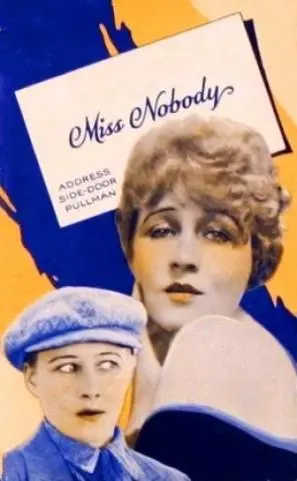
Is Miss Nobody worth watching today? Short answer: yes, but only if you appreciate the gritty social subtext hidden beneath the silent era’s theatricality. This isn't a lighthearted romp; it’s a cynical exploration of how easily a woman’s identity is erased by the clothes she wears and the men who look at her.
This film is for the cinephile who enjoys dissecting the 'New Woman' tropes of the 1920s and those interested in early cinematic gender-bending. It is definitely NOT for viewers who find the slow pacing and exaggerated pantomime of the mid-20s unbearable.
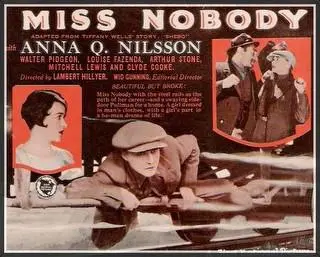
1) This film works because Anna Q. Nilsson delivers a performance that feels grounded in real desperation rather than silent-era melodrama.
2) This film fails because the transition from social drama to a 'man-in-disguise' adventure in the final act feels like it belongs to an entirely different movie.
3) You should watch it if you want to see a 1920s precursor to the radical identity shifts seen in later classic cinema.
The opening of Miss Nobody is a stark reminder of the pre-Depression divide. We see Barbara Brown not as a victim, but as a survivor. The scene where she contemplates her last dime is shot with a claustrophobic tightness that emphasizes her lack of options. It’s a brutal setup. Her beauty is explicitly framed as a 'curse'—a commodity that invites unwanted attention while providing no real security.
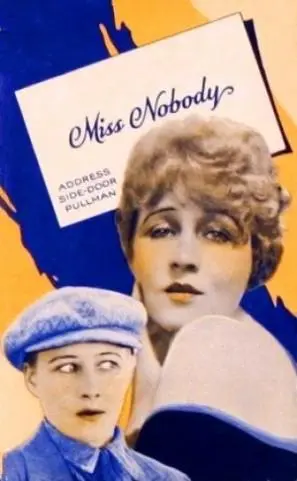
When she enters the world of Nan Adams, the cinematography shifts. The lighting becomes more diffuse, the sets more expansive. This visual contrast highlights the absurdity of wealth. One moment she is a 'nobody,' and the next, simply by standing in the right room, she is a mistress of a household. This isn't just a plot point; it’s a scathing critique of the superficiality of the American upper class in 1926.
J.B. Hardiman, played with a chilling, quiet entitlement by Anders Randolf, represents the darker side of the Jazz Age. Unlike the romanticized leading men in films like The Firing Line, Hardiman is a 'connoisseur of youth.' The way he moves around Barbara in his office feels predatory. He doesn't see a person; he sees an acquisition.
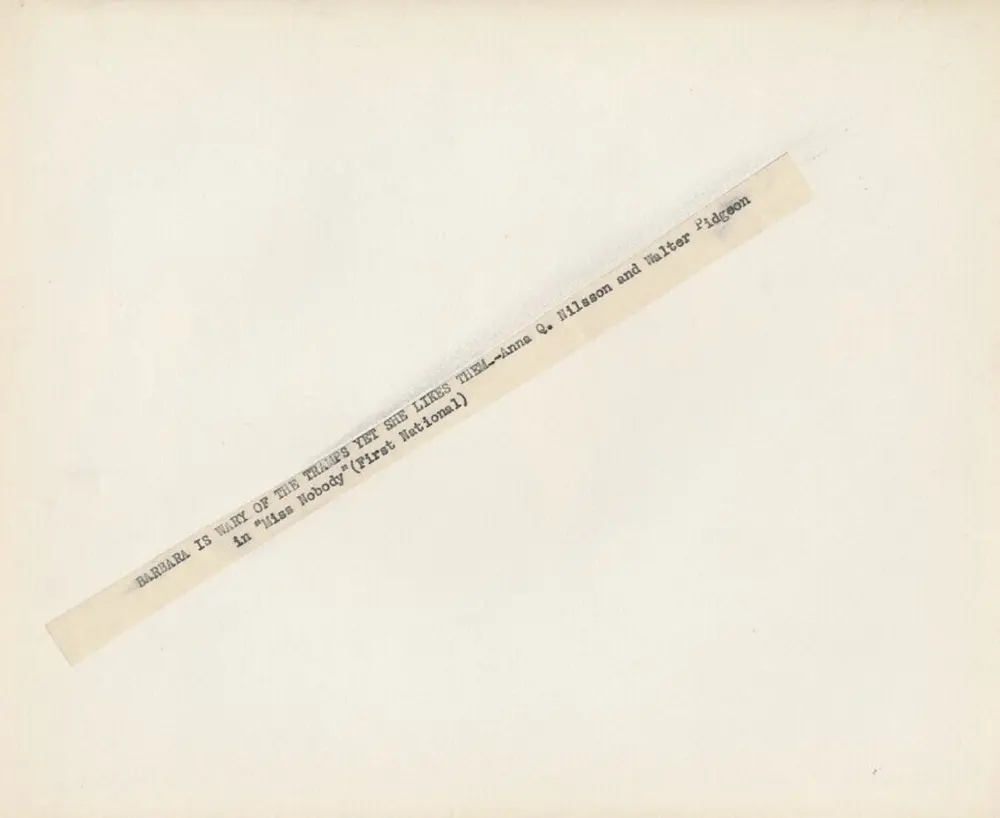
The 'showdown' at Hardiman’s office is the film’s emotional peak. When he forces his attentions on her, the film moves away from social satire into something much more uncomfortable. The subsequent loss of her clothing is a metaphor for her loss of social status. Without the dress of a lady, she is nothing to him. It works. But it’s flawed in its execution, leaning perhaps too heavily on the 'damsel' tropes before the final twist.
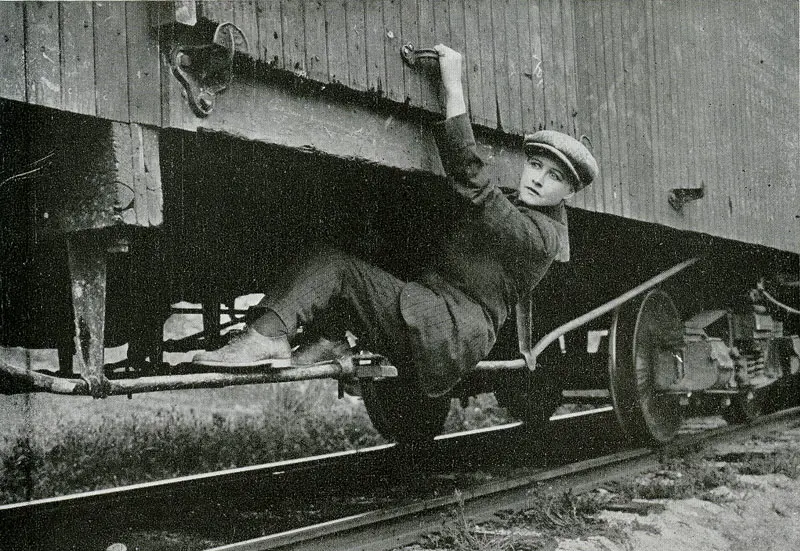
The most surprising turn in Miss Nobody is Barbara’s decision to flee in men's clothing. In the context of 1926, this was a radical visual statement. By shedding her feminine attire, she sheds the 'curse' of her beauty. She becomes invisible, and in that invisibility, she finds a strange kind of agency. This echoes the thematic depth found in other 1920s character studies like Tiger Rose, where the environment dictates the character's survival tactics.
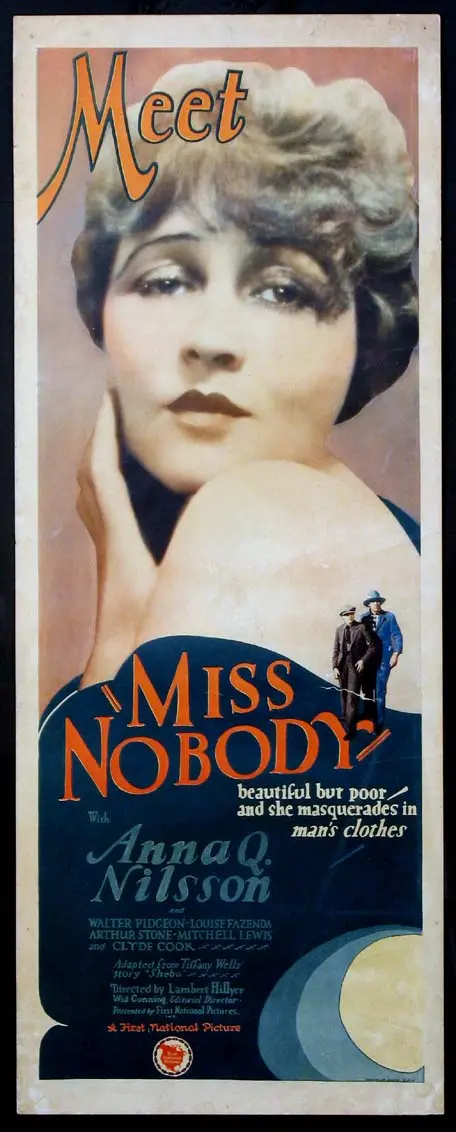
The film suddenly becomes a picaresque adventure. The pacing quickens, and the tone lightens, which is a debatable choice by the director. I find this shift jarring. It undermines the psychological weight of the first two acts. However, seeing Anna Q. Nilsson navigate the world as a man provides a fascinating look at 1920s perceptions of gender performance. She isn't just 'playing' a man; she is hiding within the safety of a different social category.
Yes, Miss Nobody is worth watching for its historical significance and its daring approach to identity. It provides a unique window into the anxieties of the 1920s regarding class mobility and women's safety. While the ending feels rushed, the central performance by Anna Q. Nilsson is powerful enough to carry the film through its tonal inconsistencies.
The inclusion of a young Walter Pidgeon is a treat for classic film fans. Even in this early role, he possesses a screen presence that hints at his future stardom. The directing by Lambert Hillyer (though often associated with Westerns) manages to keep the domestic scenes from feeling too static. He uses mirrors and deep focus to suggest that Barbara is always being watched, whether by servants or by predators.
The pacing is hit-or-miss. The New Year's party sequence drags slightly, feeling like a showcase for set design rather than character development. But once Barbara wakes up in Nan’s bed, the tension ramps up significantly. The film is at its best when it focuses on the psychological terror of being an impostor in a world that could destroy you at any moment.
Pros:
- Anna Q. Nilsson’s versatile and emotive performance.
- Sharp social commentary on the transactional nature of beauty.
- Interesting early use of gender-bending as a plot device.
- High production values for the era, especially the party scenes.
Cons:
- Tonal whiplash between the second and third acts.
- The 'mysterious Nan Adams' subplot is never fully satisfied.
- Some supporting characters feel like flat caricatures.
Miss Nobody is a fascinating, if uneven, relic of the silent era. It dares to suggest that for a woman in 1926, the only way to truly be 'somebody' was to pretend to be someone else—or to stop being a woman entirely in the eyes of society. It’s a film that starts as a tragedy and ends as a question mark. It’s messy. It’s bold. It’s absolutely worth a look for anyone tired of the sanitized versions of the 1920s often presented in modern media. It isn't a masterpiece, but it is a vital piece of cinematic social history.
IMDb 6.2
1936
Community
Log in to comment.