DbcultAccessing Vault...
Cult Review
Senior Film Conservator
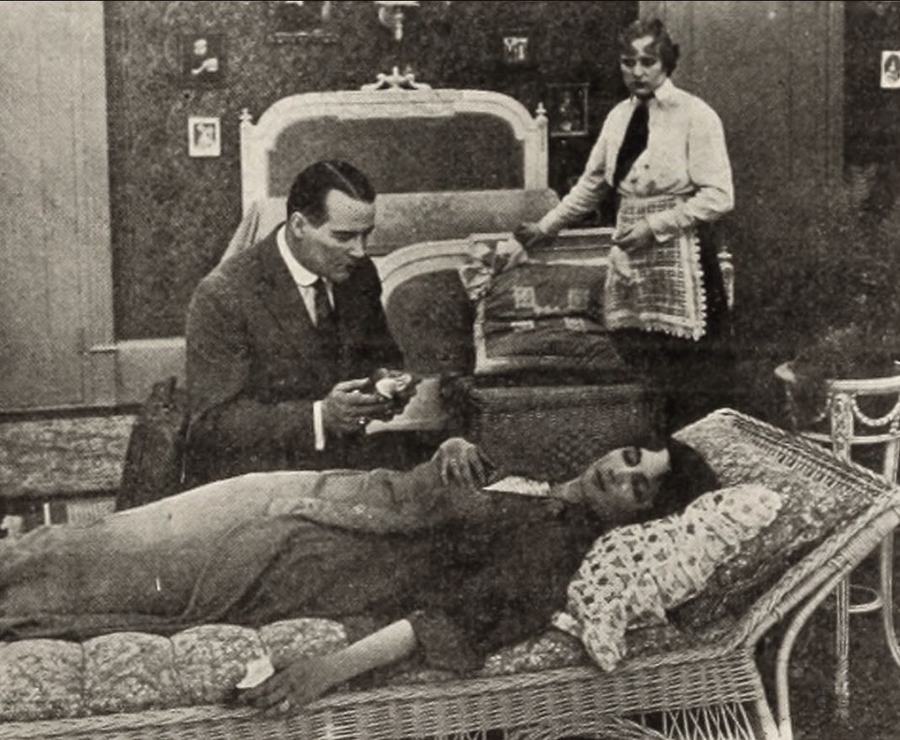
In the annals of early cinema, few voices resonate with the profound social consciousness and incisive psychological depth of Lois Weber. A true pioneer, Weber not only directed but also wrote, produced, and often starred in her films, challenging the patriarchal norms of Hollywood long before the term 'auteur' became fashionable. Her 1916 masterpiece, Hop - The Devil's Brew, stands as a stark testament to her visionary approach, dissecting the insidious tendrils of addiction, the corrosive power of secrets, and the hypocrisies lurking beneath society's polished veneer. This is not merely a film; it is a moral treatise, a harrowing descent into the human psyche, rendered with an emotional intensity that transcends its silent medium.
The film plunges us into a world where societal expectations clash violently with hidden vices. Lydia Jansen, portrayed with agonizing vulnerability by Ethel Weber, is the picture of domestic bliss – a faithful wife, seemingly above reproach. Yet, beneath this placid exterior churns a maelstrom of dependence. Her addiction to opium, or 'hop,' is a secret shame, a silent scream against the constraints of her existence. Weber masterfully illustrates how this personal failing is not an isolated incident but a symptom of a larger, systemic malaise. The very source of Lydia's torment, the illicit opium, flows from the hands of her own father, a prominent politician, brilliantly played by Phillips Smalley, who embodies the ultimate corruption of power and paternal responsibility. This narrative choice elevates the film beyond a simple cautionary tale; it becomes a searing indictment of the societal figures who preach morality while profiting from degradation. It's a theme Weber explored with similar unflinching honesty in The Way of the World, another film that scrutinizes moral decay within seemingly respectable circles.
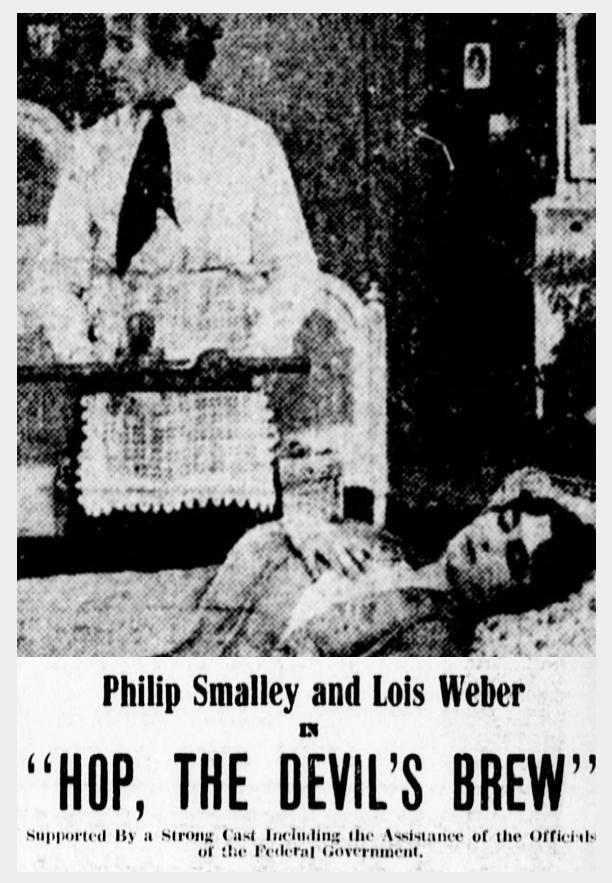
Lydia's desperate struggle to conceal her habit from her husband, a diligent customs inspector, propels her into a terrifying labyrinth of blackmail. Her maid, a character imbued with a chilling opportunism, seizes upon Lydia's vulnerability, extorting her for money to fuel her own aspirations, which are inextricably linked to a stevedore involved in the very smuggling operation that feeds Lydia's addiction. This intricate web of interconnected deceit underscores the pervasive nature of the 'devil's brew' – its tendrils reaching from the highest echelons of power down to the most unassuming domestic spheres. Lois Weber, who also penned the screenplay, demonstrates an uncanny ability to construct a plot that feels both dramatically compelling and socially relevant, reflecting a keen understanding of human fallibility. The tension, palpable even without spoken dialogue, is a testament to her directorial prowess and the expressive power of silent film acting. One might draw parallels to the psychological intensity found in films like Blackbirds, which similarly delved into the dark undercurrents of urban life and hidden vices.
As government agencies close in on the opium smugglers, Lydia's increasingly erratic behavior, driven by her craving, inevitably catches the attention of her husband, played by Juan de la Cruz. His suspicion, however, tragically misfires. Unable to conceive of the true nature of her secret, he attributes her furtive actions and emotional distance to infidelity, believing another man has entered her life. This dramatic irony is devastating, a masterstroke of narrative construction that amplifies Lydia's isolation and the profound misunderstanding at the heart of their marriage. The husband's agony, depicted through powerful visual storytelling, transforms his home into a 'hunting nightmare,' a place haunted by an imagined betrayal. This narrative thread, exploring the destructive power of suspicion and uncommunicated truths, is a recurring motif in Weber's work, often highlighting the emotional toll of societal pressures on individuals and relationships. The silent film era, with its reliance on exaggerated expressions and gestures, was uniquely suited to convey such intense internal conflict, and the cast of Hop - The Devil's Brew delivers these nuanced performances with remarkable skill.
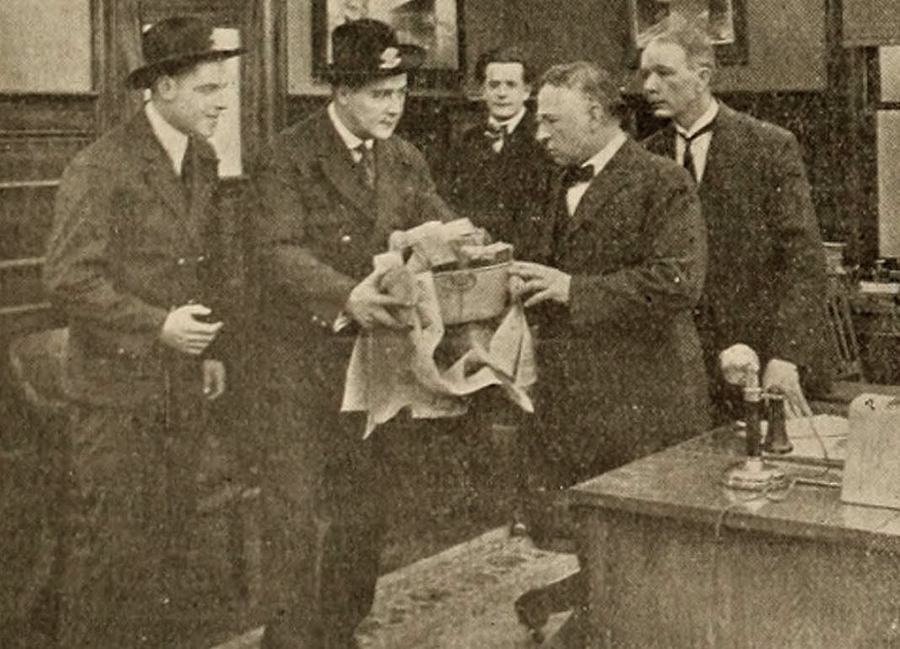
The film reaches its emotional crescendo as Lydia, pushed to the brink, embarks on an almost superhuman struggle to conquer her addiction. This internal battle, a silent war waged against her own body and mind, is portrayed with a raw, unflinching honesty that must have been revolutionary for its time. Ethel Weber's performance here is particularly poignant, conveying the sheer willpower required to break free from such a potent vice. Her eventual confession to her husband is not merely a plot device; it is an act of profound courage, a desperate plea for understanding and forgiveness that shatters the wall of suspicion between them. This moment of truth, while agonizing, is also liberating, marking the beginning of Lydia's path to redemption. It’s a testament to Weber’s belief in the human capacity for change and moral fortitude, even in the face of overwhelming adversity. This theme of personal struggle against overwhelming odds and the search for redemption is a powerful through-line, resonating with the moral dilemmas explored in films like The World, the Flesh and the Devil.
The climax of Hop - The Devil's Brew delivers a gut-wrenching blow as Lydia's confession reverberates through her family. Her father, confronted with the horrifying truth that his own illicit enterprise directly contributed to his beloved daughter's downfall, is utterly shattered. Phillips Smalley's portrayal of this broken man, stripped of his power and self-deception, is a masterclass in silent film acting. The shock, the guilt, and the crushing weight of his hypocrisy drive him to a tragic suicide, a dramatic and unequivocal consequence for his moral transgressions. This act of self-destruction not only serves as a stark moral lesson but also precipitates the swift and complete capture of his entire opium smuggling gang. The film does not shy away from the harsh realities of consequence, delivering a powerful message about accountability, even for those in positions of power. It’s a narrative arc that speaks to the destructive cycles of crime and the ultimate triumph of justice, however painful its path.
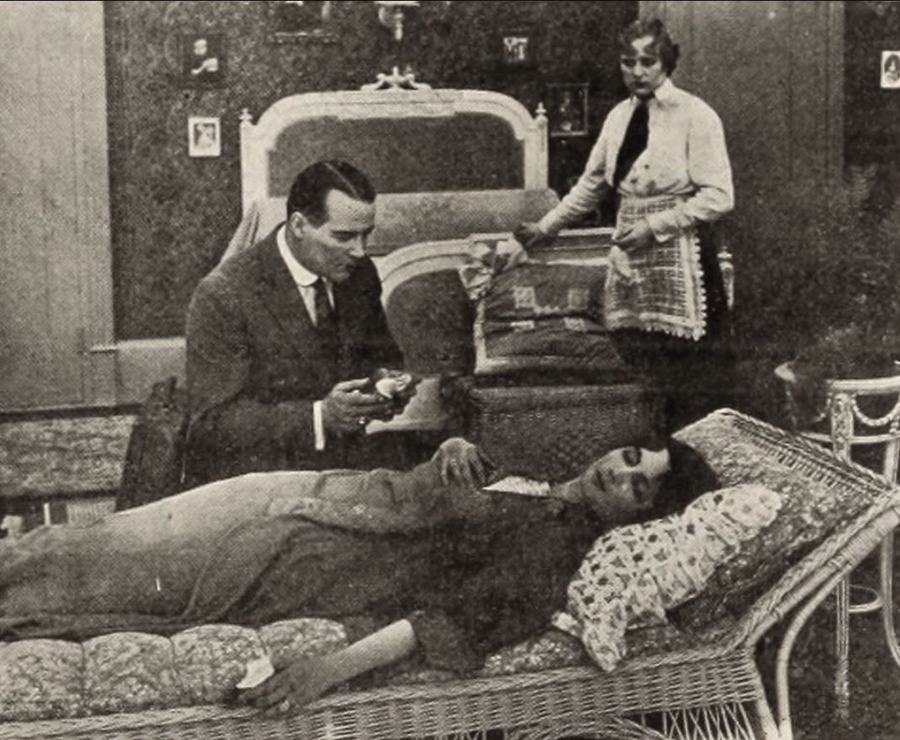
Lois Weber's genius lies not just in her compelling narratives but in her pioneering directorial techniques. She understood the power of the close-up to reveal inner turmoil, the subtle nuances of performance to convey complex emotions without dialogue, and the symbolic weight of carefully chosen mise-en-scène. In Hop - The Devil's Brew, her direction is taut, unflinching, and deeply empathetic, even as it condemns. She doesn't preach; she presents the grim realities with a documentarian's eye and an artist's soul. Her films, like Kindling, often explored social issues with a realism that distinguished them from the more melodramatic fare of the era. She used cinema as a tool for social commentary, believing in its power to educate and provoke thought. The performances she elicited from her cast, particularly Ethel Weber as Lydia and Phillips Smalley as the father, are remarkably nuanced, relying on gesture, facial expression, and body language to convey a spectrum of human emotion, from desperate craving to crushing guilt. Marie Walcamp and Charles Hammond also deliver memorable turns, further enriching the ensemble.
Even today, over a century after its release, Hop - The Devil's Brew retains an astonishing contemporary resonance. The themes of addiction, the devastating impact of secrets on families, the corruption of power, and the struggle for redemption are timeless. In an era grappling with new forms of substance abuse and the pervasive influence of hidden agendas, Weber's film serves as a powerful reminder of the enduring human capacity for both self-destruction and profound resilience. It challenges us to look beyond superficial appearances, to question authority, and to confront the difficult truths that often lie buried beneath societal facades. Lois Weber's legacy as a cinematic trailblazer who dared to tackle complex social issues with artistic integrity is firmly cemented by films like this, which continue to provoke thought and stir the conscience. It is a vital piece of cinematic history, offering not just entertainment but a profound reflection on the human condition, making it essential viewing for anyone interested in the evolution of film as a medium for social change and psychological exploration.
IMDb 5.4
1926
Community
Log in to comment.