DbcultAccessing Vault...
8.1/10
Senior Film Conservator
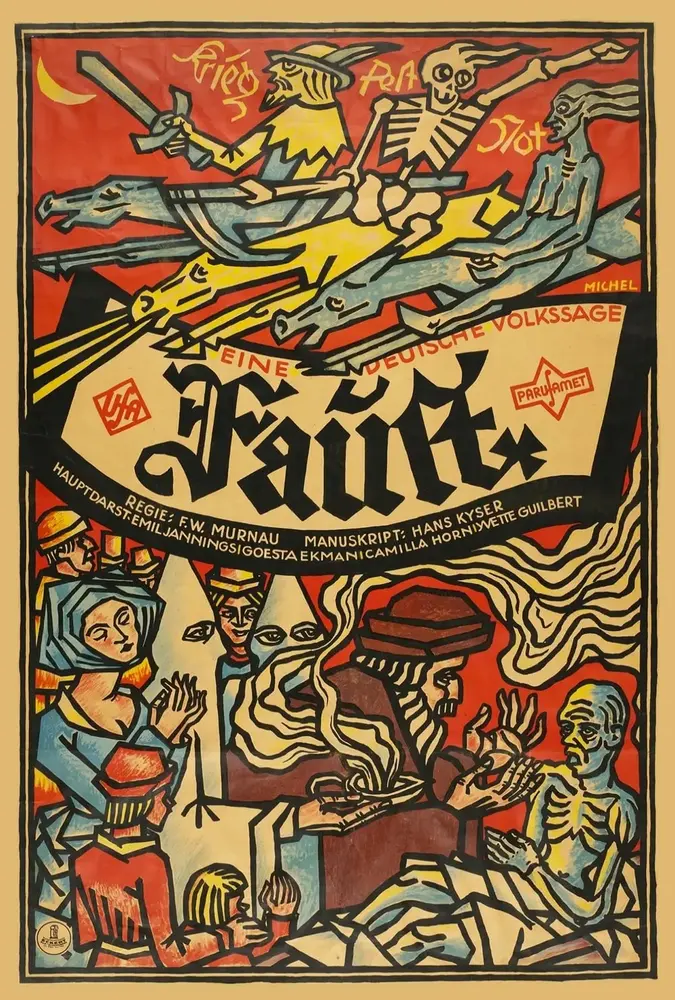
A definitive 8.1/10 rating for a film that redefined the boundaries of cult cinema. Faust remains a cornerstone of transgressive art.
Short answer: Yes, but it requires a discerning eye. 'Faust' is a complex, deeply philosophical adaptation that provides a rich, thought-provoking experience. It's ideal for those who appreciate classic literature and cinema, but may not be for casual viewers seeking light entertainment.
Werner Fuetterer stars as Dr. Johann Faust, a man whose thirst for knowledge leads him to make a deal with the devil, Mephisto, played by Hans Brausewetter. This adaptation delves into the moral ambiguities of Faust's journey, making it a compelling watch for those interested in exploring the human psyche.
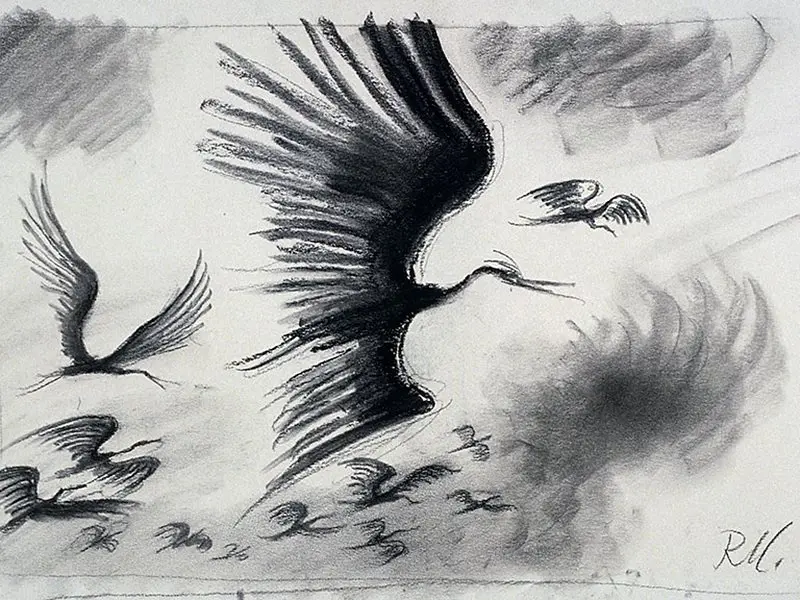
This film works because it masterfully balances its historical and mythological elements with a modern, psychological approach. The performances, particularly Fuetterer's nuanced portrayal of Faust, bring depth to the character, and the cinematography captures the eerie yet haunting atmosphere of the narrative.
Example: The scene where Faust is shown the future of his knowledge and the subsequent emotional breakdown is a masterclass in visual storytelling, effectively conveying the overwhelming and corrupting nature of forbidden knowledge.
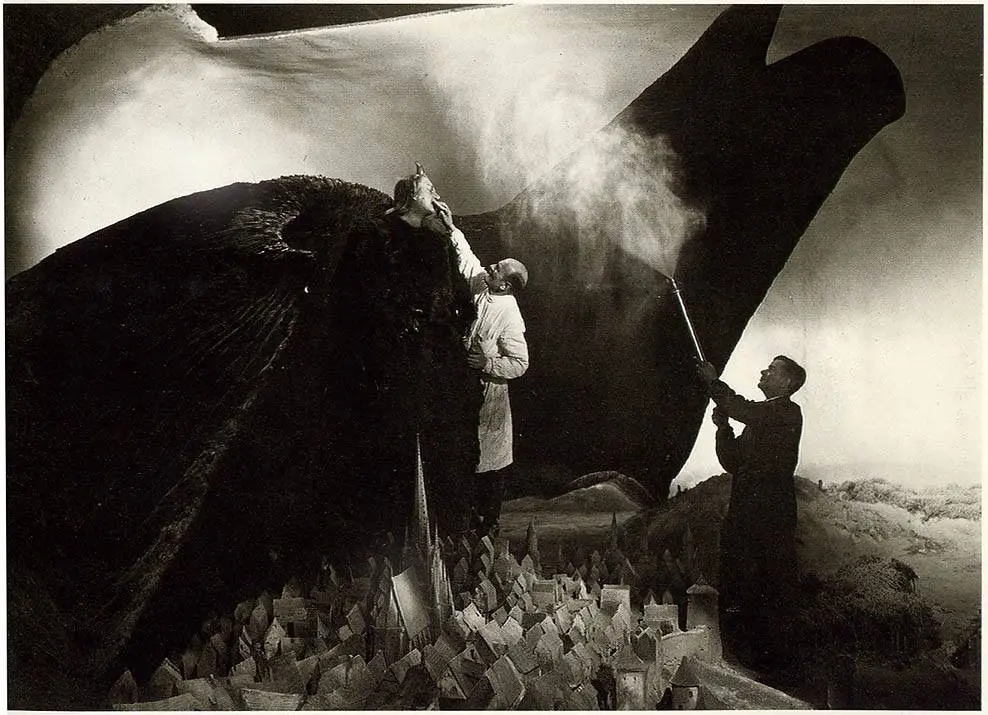
This film fails because it can feel overly dense and slow-moving for some viewers. The pacing can be a challenge, as the film takes its time exploring the philosophical and moral implications of Faust's choices. Additionally, some of the dialogue can be stilted, particularly in scenes involving God and other divine figures.
You should watch it if you are a fan of classic literature, historical adaptations, or films that delve into the depths of the human soul. It's a powerful exploration of the consequences of knowledge and the corrupting nature of power. However, if you are looking for a fast-paced, action-packed film, you may find 'Faust' too slow and cerebral.

The performances in 'Faust' are top-notch, especially from Werner Fuetterer who brings a raw and unflinching portrayal of Faust. His performance is a central anchor that grounds the film, despite the sometimes heavy-handed dialogue and somewhat flat supporting cast. Other notable performances include Emmy Wyda as Faust's wife and Frida Richard as the temptress, Marthe.
It works. But it's flawed. The film's strength lies in its philosophical depth and the nuanced portrayal of Faust's moral journey. However, the slow pacing and occasionally stilted dialogue can be off-putting for modern audiences.
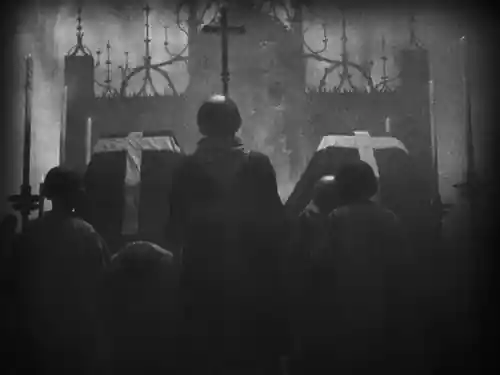
Hans Kyser's direction is meticulous, capturing the period setting with a blend of historical accuracy and modern cinematic techniques. The use of lighting and framing is particularly effective in creating a sense of unease and tension, which is essential for the narrative's psychological underpinnings.
The cinematography is a standout feature of the film, with its use of shadow and light effectively highlighting the moral dilemmas and emotional turmoil. The visual contrasts between Faust's scholarly pursuits and his descent into darkness are particularly striking.
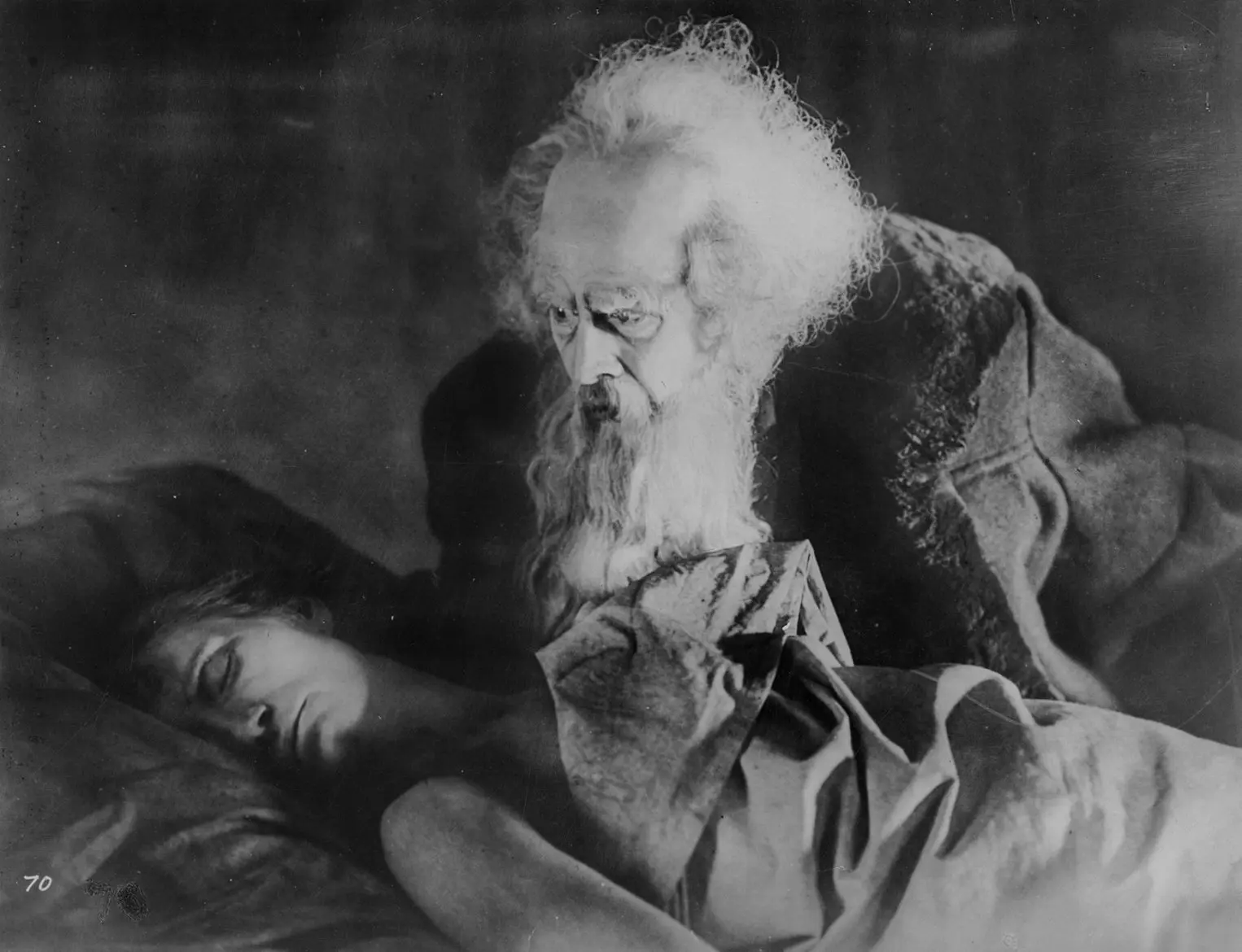
The pacing is one of the film's major challenges. While the slow, methodical approach works to build tension and explore the philosophical aspects of Faust's journey, it can feel tedious at times. The film's runtime is almost three hours, which may be too long for some viewers.
The tone of 'Faust' is somber and introspective, reflecting the moral and existential questions at the heart of the narrative. The film effectively captures the sense of foreboding and the psychological toll of Faust's choices, but it can sometimes feel heavy-handed in its approach.
Yes, for those who are willing to invest the time and patience to engage with a complex, philosophical exploration of the human condition. 'Faust' is a profound and thought-provoking adaptation that rewards close attention and a discerning eye. It's not for everyone, but for those who appreciate classic literature and cinema, it's a must-see.
Ultimately, 'Faust' is a film that requires a certain level of engagement and patience. While it may not be for everyone, its profound exploration of the human condition and its nuanced portrayal of Faust make it a valuable and thought-provoking watch for those who appreciate classic literature and cinema. It's a film that challenges the viewer to think deeply about the consequences of knowledge and the corrupting nature of power.
IMDb —
1916
Community
Log in to comment.