DbcultAccessing Vault...
6.7/10
Senior Film Conservator
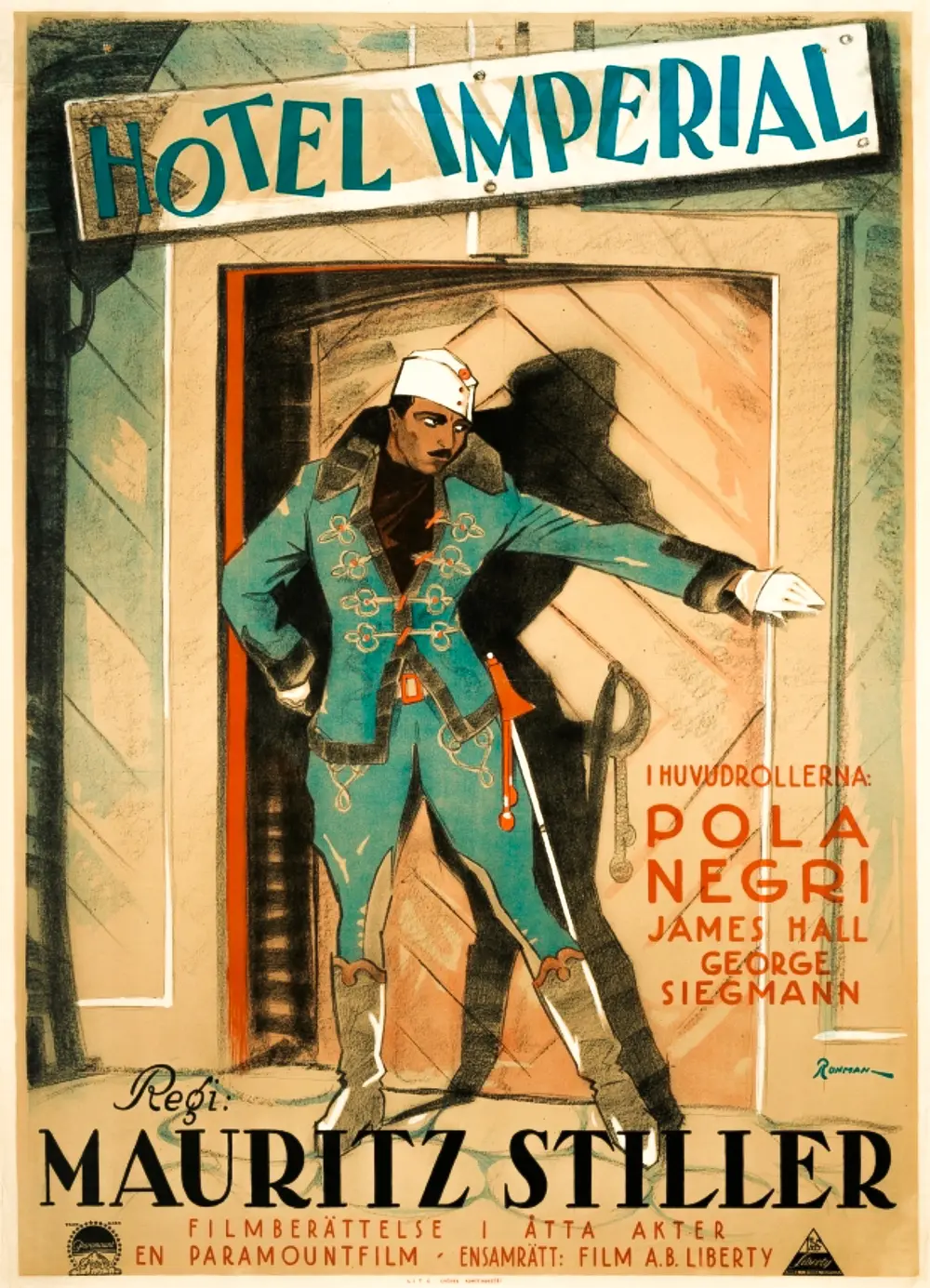
A definitive 6.7/10 rating for a film that redefined the boundaries of cult cinema. Hotel Imperial remains a cornerstone of transgressive art.
Is Hotel Imperial worth watching today? Short answer: yes, but with significant caveats that depend entirely on your appetite for silent-era melodrama and historical context. This 1927 production, starring the luminous Pola Negri, offers a fascinating glimpse into the dramatic capabilities of early cinema, yet it frequently stumbles under the weight of its own theatricality.
This film is unequivocally for those who appreciate the raw, expressive power of silent acting and the historical significance of pre-talkie filmmaking. It is decidedly not for viewers seeking modern pacing, nuanced character development free from overt gestures, or a strictly historically accurate war narrative.
Before we delve deeper, let's lay out the fundamental aspects that define Hotel Imperial.
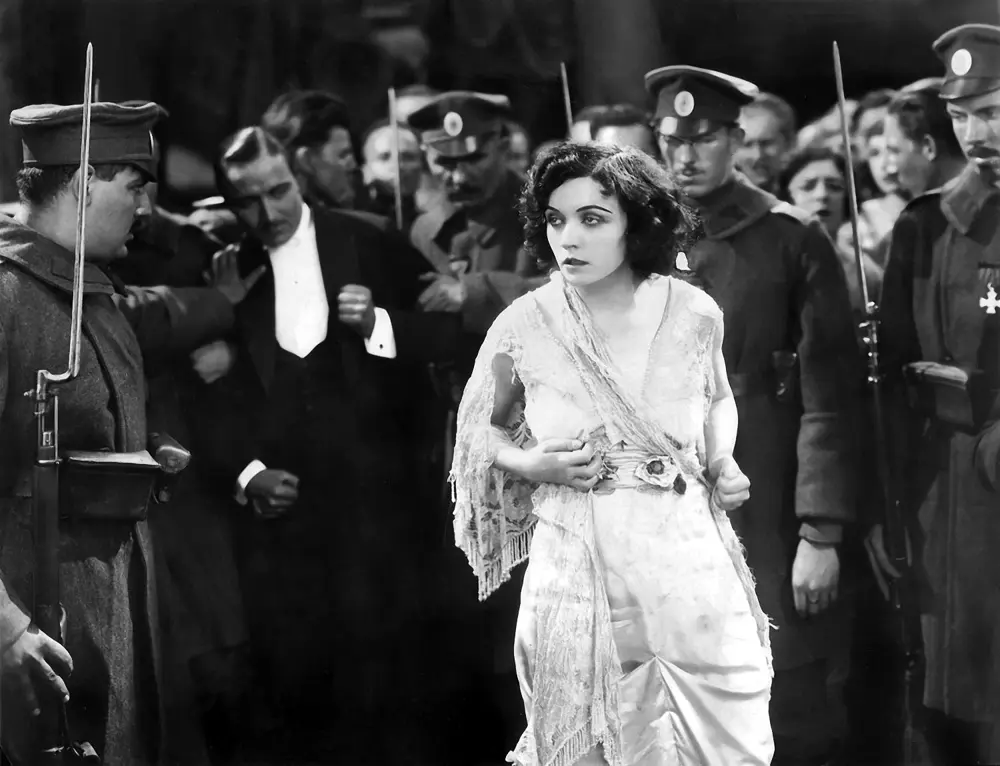
At its core, Hotel Imperial is a story of survival and unlikely connection amidst the chaos of war. Pola Negri plays Anna, a hotel maid in a Russian-occupied Austrian town during World War I. Her life, already defined by hardship, takes a dangerous turn when she harbors an Austrian officer, Lt. Erich von Strohm (James Hall), who is desperately trying to evade capture. The hotel itself becomes a microcosm of the conflict, a place where loyalties are tested, and betrayal lurks in every shadow.
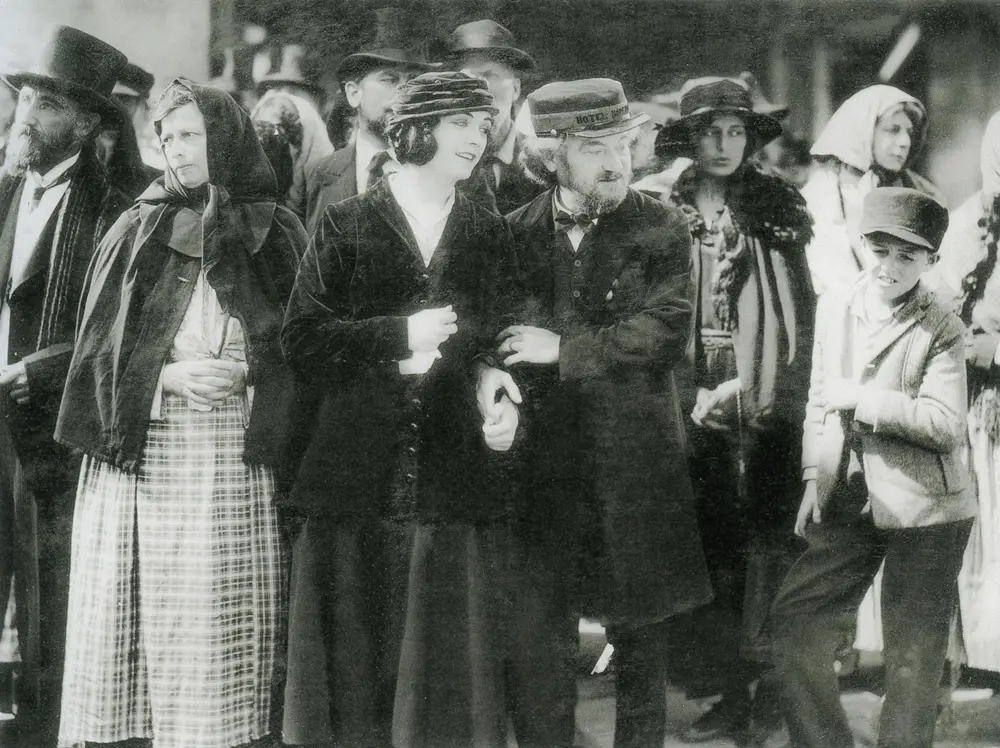
The screenplay, credited to Edwin Justus Mayer, Lajos Biró, and Jules Furthman, weaves a narrative thread of escalating tension. Anna’s quiet bravery and Erich’s desperate cunning drive the plot forward, creating a palpable sense of dread and urgency. The constant threat of discovery, personified by the suspicious Russian general (George Siegmann), keeps the audience on edge, even when the narrative beats feel familiar.
Pola Negri is, without question, the pulsating heart of Hotel Imperial. Her performance as Anna is a masterclass in silent film acting, radiating both vulnerability and an unyielding inner strength. Negri’s expressive eyes and subtle facial shifts convey more emotion than many modern actors manage with dialogue. There’s a particular scene where Anna, under interrogation, manages to hide her knowledge of Erich’s whereabouts through sheer force of will and a carefully constructed facade of innocence. It’s a moment of quiet triumph for her character and a testament to Negri’s skill.
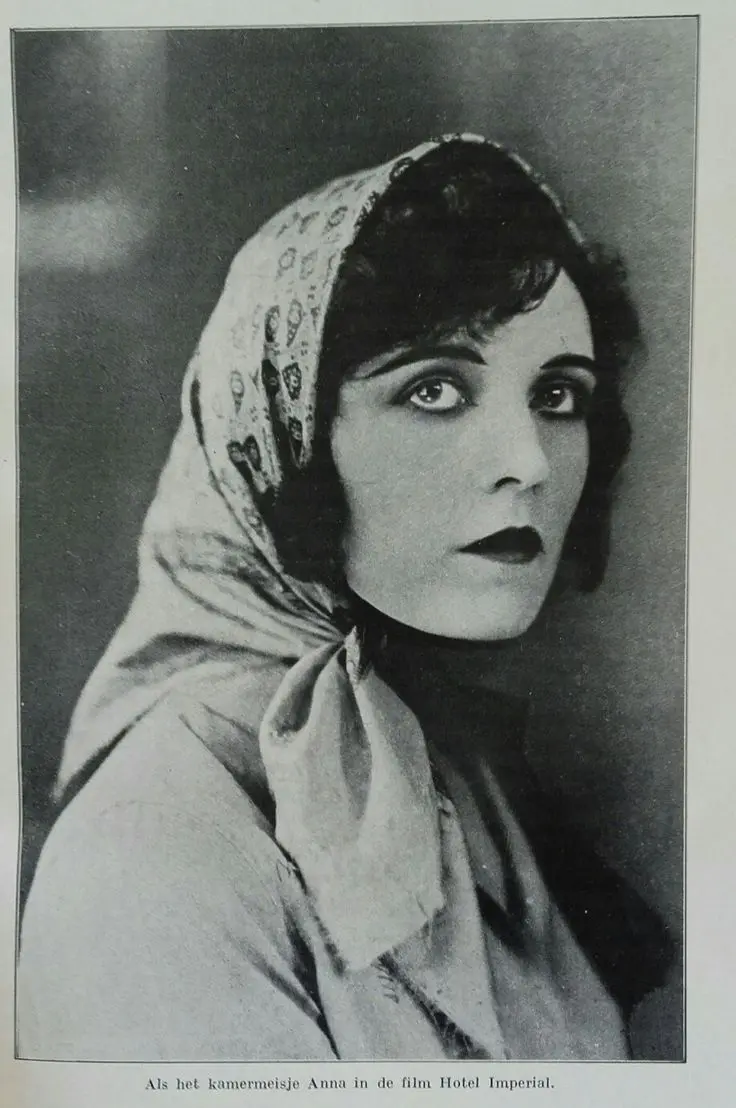
She carries the film with an almost magnetic presence, reminiscent of her powerful roles in films like The Temptress. While James Hall’s Lieutenant Erich von Strohm is a capable romantic lead, he often feels overshadowed by Negri’s intensity. His character, while integral to the plot, lacks the complex inner life that Negri imbues in Anna, making their dynamic feel somewhat unbalanced. This isn't a flaw in Hall's performance, but rather a spotlight on Negri's unparalleled ability to command the screen.
Negri's performance alone justifies watching Hotel Imperial. She transcends the melodramatic conventions of the era, delivering a portrayal that feels remarkably authentic and deeply human. Her ability to convey Anna's internal conflict and quiet resilience without a single spoken word is a powerful reminder of what made silent cinema so captivating.
Director Mauritz Stiller, though replaced by Lothar Mendes during production, established a visual language that effectively conveys the film's tense atmosphere. The cinematography, though not groundbreaking for its time, utilizes stark lighting and well-composed shots to emphasize the claustrophobia of the hotel and the pervasive sense of danger. Shadows play a crucial role, often obscuring faces or creating dramatic silhouettes that heighten the suspense, particularly in the clandestine meetings between Anna and Erich.
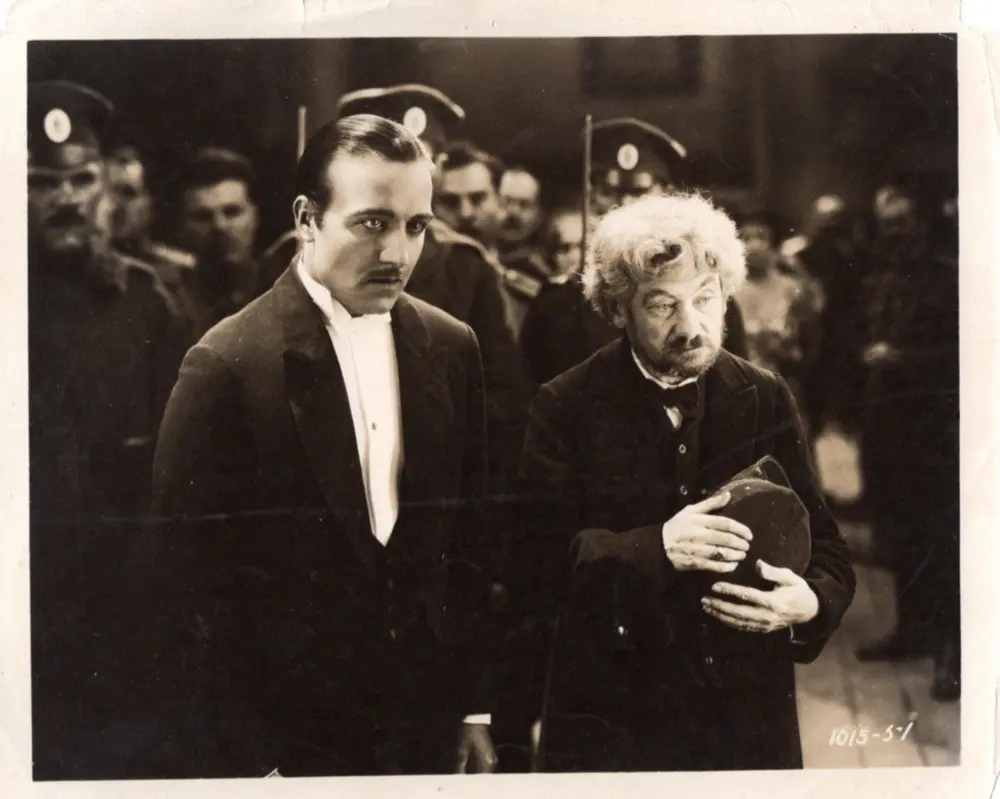
There are moments where the film’s visual storytelling truly shines. The sequence where Erich, disguised as a waiter, navigates the bustling hotel lobby, constantly on the verge of exposure, is particularly effective. The camera movements, while subtle by today's standards, help to build a sense of frantic energy and imminent peril. This attention to visual detail elevates the narrative beyond simple exposition, allowing the audience to feel the weight of the characters' predicament.
The pacing of Hotel Imperial is characteristic of many silent dramas: a deliberate, slow burn that gradually builds tension before erupting into moments of high drama. This can be a hurdle for modern viewers accustomed to faster cuts and more immediate gratification. The initial setup, establishing the war-torn environment and Anna’s daily struggles, takes its time. However, once Erich enters the picture, the narrative picks up considerably.
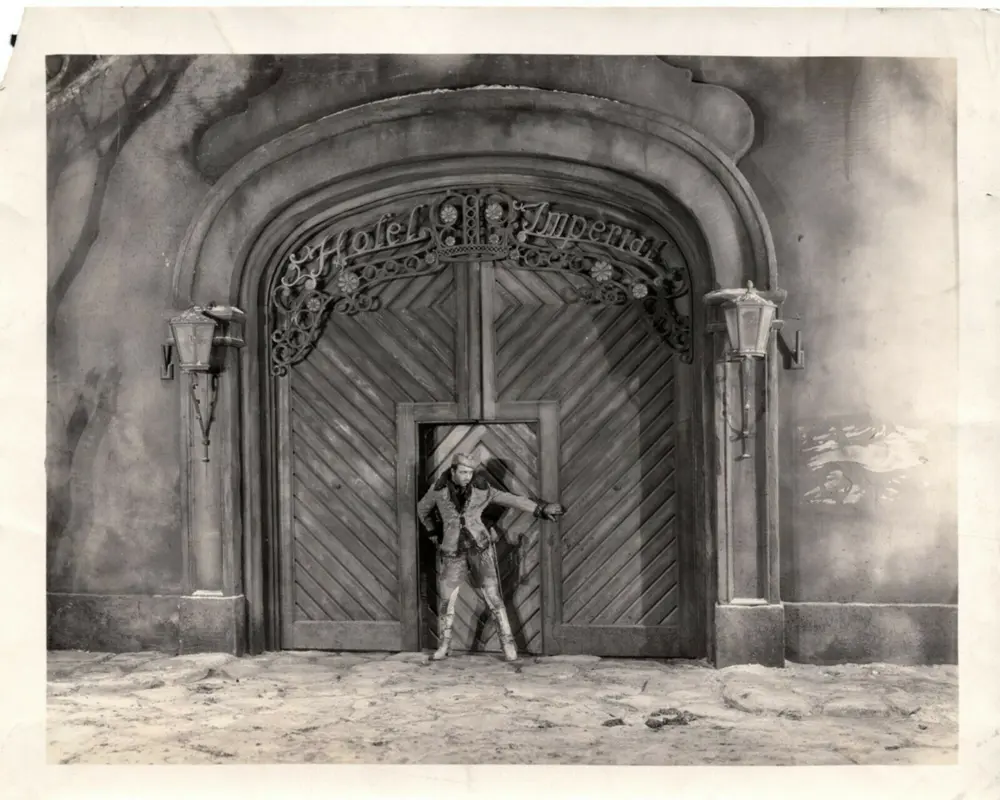
The tone oscillates between poignant melodrama and nail-biting suspense. While some scenes lean heavily into the theatricality of the era, with exaggerated gestures and overt declarations of emotion, others are remarkably understated and effective. The film understands the power of silence, using it to amplify moments of fear, hope, and despair. This tonal balance, though occasionally uneven, is ultimately what gives the film its unique flavor.
Absolutely, but understand what you’re getting into. Hotel Imperial is not a flawless film, nor does it possess the universal appeal of something like Chaplin's work. It is a product of its time, showcasing the storytelling conventions and technical limitations of the late silent era. However, its value lies in its exceptional lead performance, its compelling historical backdrop, and its ability to still evoke strong emotions.
For those willing to engage with its style, it offers a window into cinematic history and a powerful human story. Negri's portrayal of Anna alone is worth the price of admission (or the effort of finding a good print). It works. But it’s flawed. It’s a compelling, if occasionally creaky, piece of cinematic heritage that demands a certain patience but rewards it handsomely.
One surprising element in Hotel Imperial is its subtle yet effective portrayal of the mundane aspects of wartime survival. Beyond the grand gestures of heroism and villainy, the film often grounds itself in the everyday tasks of a hotel maid – cleaning rooms, serving meals, navigating the intricate social hierarchy of the staff. These moments, seemingly insignificant, underscore Anna’s quiet resilience and her ability to maintain a semblance of normalcy in an abnormal world. It's a stark contrast to the heightened drama, and it makes her eventual acts of courage feel more earned, more human. This focus on the ordinary elevates the extraordinary.
Hotel Imperial is a compelling, if imperfect, relic from the silent era. Its enduring appeal rests almost entirely on the shoulders of Pola Negri, whose magnetic performance as Anna elevates the material far beyond what it might have been otherwise. It’s a film that demands a certain appreciation for its historical context and the unique artistry of silent cinema. While it might not hold up to every contemporary standard, its moments of tension and emotional depth, particularly through Negri’s eyes, ensure it remains a valuable and often captivating watch.
For those who cherish the golden age of Hollywood and the expressive power of its early stars, Hotel Imperial is more than just a historical artifact; it’s a vibrant, if sometimes dated, piece of dramatic storytelling. It serves as a powerful reminder of how much could be communicated without a single word. Give it a chance, and you might just find yourself swept away by its quiet intensity and Negri’s undeniable charm.

IMDb —
1915
Community
Log in to comment.