DbcultAccessing Vault...
5.5/10
Senior Film Conservator
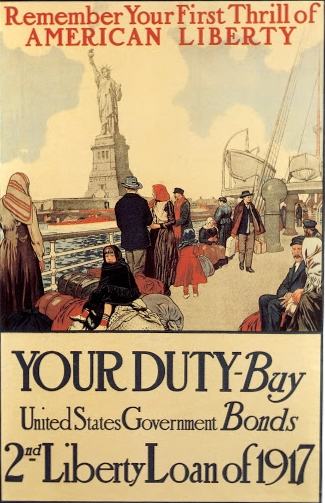
A definitive 5.5/10 rating for a film that redefined the boundaries of cult cinema. All-Star Production of Patriotic Episodes for the Second Liberty Loan remains a cornerstone of transgressive art.
In the annals of cinematic history, certain films transcend their narrative confines to become indelible artifacts of their era, reflecting the prevailing anxieties, aspirations, and urgent necessities of the societies that birthed them. "All-Star Production of Patriotic Episodes for the Second Liberty Loan" is precisely such a creation—not merely a motion picture, but a potent instrument of national will, forged in the fiery crucible of the First World War. Released in 1917, at a pivotal juncture when American involvement in the Great War was escalating, this film represents a fascinating confluence of burgeoning mass media, nascent propaganda techniques, and the unparalleled star power that was rapidly defining the silent film era. It was less a story to be passively consumed and more a direct, emotional appeal, a cinematic clarion call designed to mobilize the American public's financial resources and moral fortitude behind the war effort.
The First World War was a conflict of unprecedented scale, demanding not only immense human sacrifice but also colossal financial investment. Governments on all sides found themselves grappling with the monumental task of funding a modern, mechanized war. For the United States, which formally entered the war in April 1917, this challenge was particularly acute. The solution, in part, lay in the issuance of Liberty Bonds—government-backed securities sold to the public to raise funds for military operations. These bond drives were not just financial campaigns; they were meticulously orchestrated propaganda efforts, designed to instill a sense of shared responsibility and patriotic duty among ordinary citizens. And what better medium to reach the hearts and minds of millions than the flickering silver screen, which by 1917 had firmly established itself as America's most popular form of entertainment?
The very title of the film, "All-Star Production of Patriotic Episodes for the Second Liberty Loan," is a concise declaration of its purpose. It promises a collective effort, a galaxy of cinematic luminaries lending their immense popularity to a cause greater than any single film or performance. This was shrewd psychology: by associating the national cause with beloved figures like Mary Pickford and Douglas Fairbanks, the government could bypass skepticism and tap directly into the reservoir of public affection and trust these stars commanded. The film, therefore, operates as a fascinating historical document, chronicling not just the war itself but the sophisticated, albeit nascent, techniques of mass persuasion that would define the 20th century.
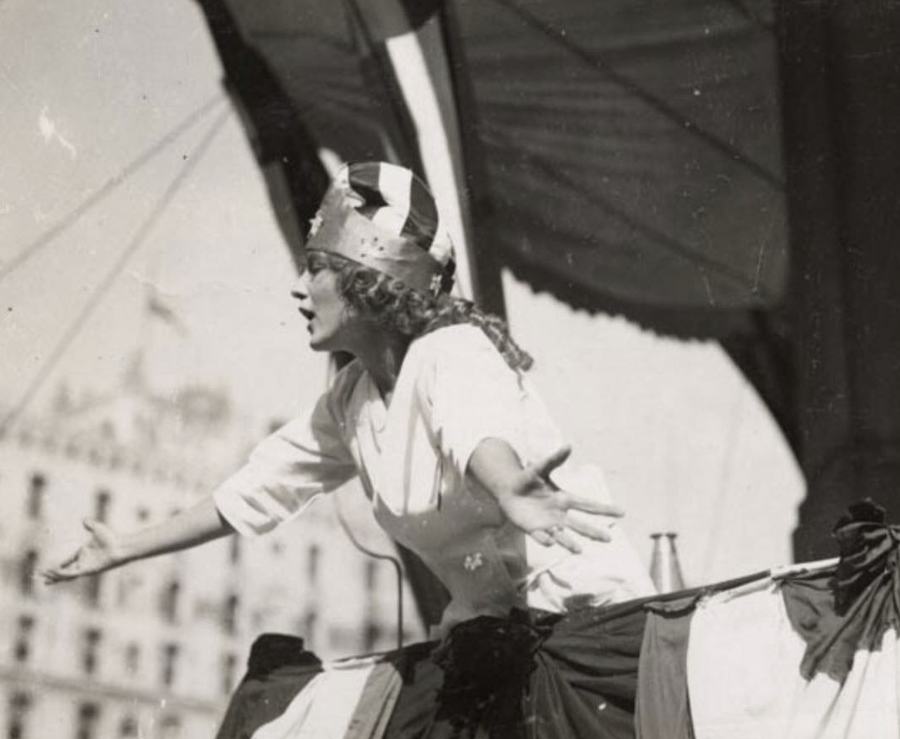
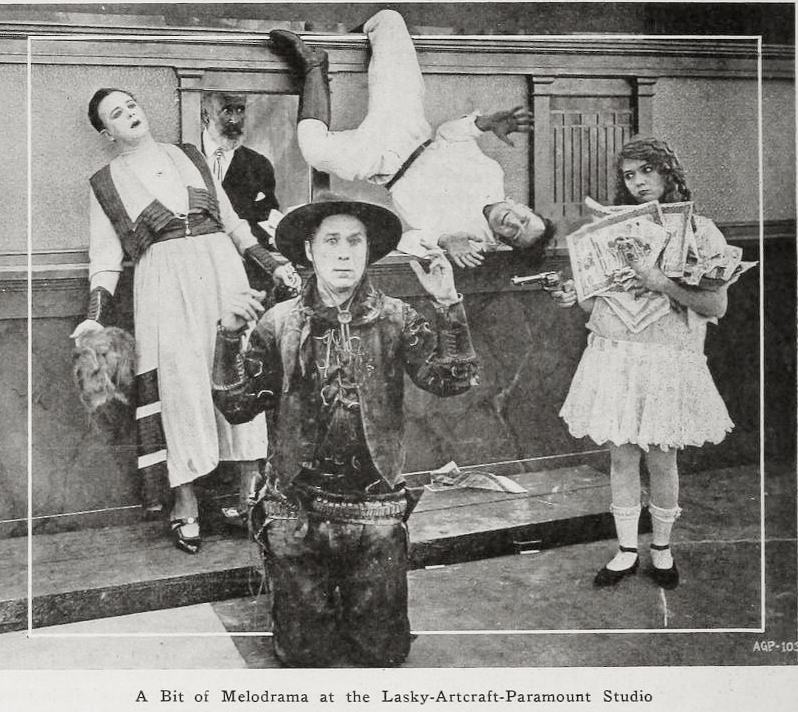
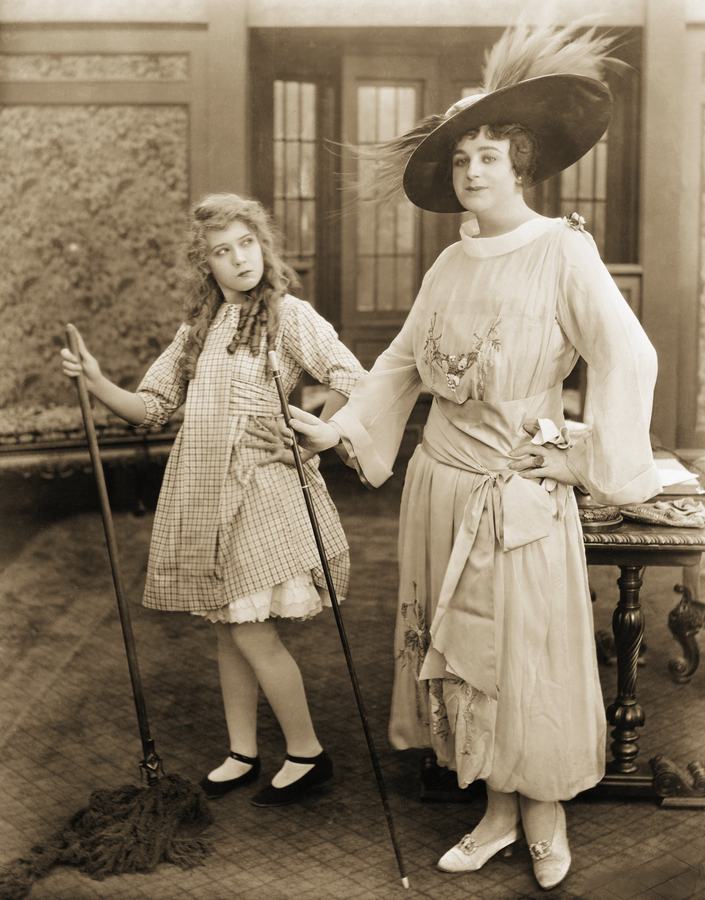
The roster of talent assembled for this production reads like a veritable 'who's who' of early Hollywood, each star bringing their unique appeal to the collective tapestry of patriotism. Mary Pickford, "America's Sweetheart," was arguably the most famous woman in the world at the time. Her image—innocent yet resilient, vulnerable yet strong—made her an ideal figure to embody the spirit of the American home front. One can easily imagine her in a segment portraying a young woman making personal sacrifices, perhaps giving up a luxury, working in a munitions factory, or tearfully yet bravely sending a loved one off to war, all while imploring her fellow citizens to do their part by purchasing bonds. Her emotional authenticity, so central to films like A Kiss for Susie, would have been powerfully harnessed here to evoke empathy and a sense of shared national purpose.
Then there was Douglas Fairbanks, the swashbuckling hero whose boundless energy and infectious optimism perfectly encapsulated the American spirit of can-do adventurism. Fairbanks, in his segments, would likely have been depicted in a more active, perhaps even allegorical, role—a figure of robust American strength, overcoming obstacles, or leading a charge against symbolic adversaries, all to underscore the vigor and resolve required to win the war and support it financially. His athletic prowess and charismatic grin, usually reserved for grand adventures, were here redirected towards a national cause, transforming the act of buying a bond into an extension of his heroic endeavors.
William S. Hart, the stoic, morally upright cowboy, represented a different facet of American character. His segments would undoubtedly have evoked the rugged individualism and unwavering sense of justice associated with the American frontier, framing the war as a righteous struggle against tyranny. Hart’s screen persona, often seen grappling with difficult moral choices and ultimately upholding a stern code of honor, as exemplified in films like The Love Hermit, would have lent a gravitas and unyielding resolve to the call for patriotic investment. He would likely have appealed to a sense of fundamental duty, a quiet, unshakeable commitment to defending American values.
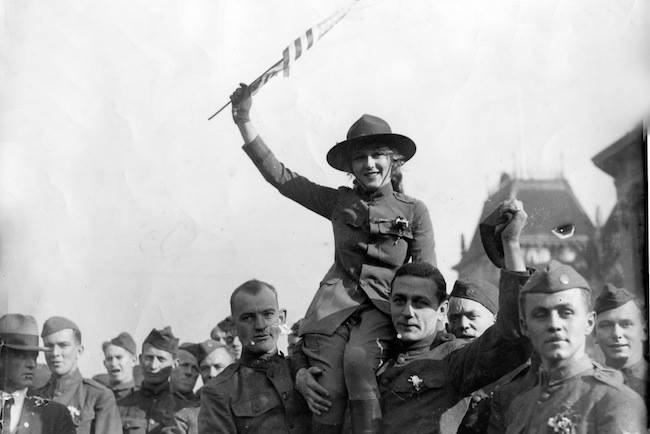
The ensemble was further enriched by veterans and unique talents. Theodore Roberts, a character actor of considerable range, often played authoritative figures—judges, patriarchs, wise elders. His presence would have lent an air of solemnity and sagacity to the proceedings, perhaps delivering a heartfelt, oratorical appeal for national unity and sacrifice, a voice of experience guiding the nation. Raymond Hitchcock, a popular stage comedian, would have been instrumental in making the message palatable and accessible, perhaps through a lighthearted sketch illustrating the ease and necessity of purchasing bonds, or a comedic character who initially resists but ultimately embraces his patriotic duty. His ability to connect with audiences through humor would have been invaluable in softening the austerity of the wartime message.
Perhaps most intriguing is the inclusion of Julian Eltinge. Known primarily for his elaborate female impersonations on stage and screen, Eltinge's participation adds a fascinating layer of complexity. While specific details of his segment are elusive, one can speculate that his performance might have offered a more nuanced, or even subtly subversive, take on national service, challenging conventional gender roles while still reinforcing the patriotic imperative. His unique ability to charm and disarm audiences, coupled with his extraordinary talent for transformation, could have been employed to demonstrate that patriotism transcends traditional boundaries, or perhaps to illustrate the broad spectrum of roles individuals could play in supporting the war, even if not on the battlefield. This inclusion speaks to the film's ambition to appeal to a wide and diverse audience, recognizing the varied ways in which Americans connected with their national identity.
This "All-Star Production" was a masterclass in early propaganda. It utilized several key techniques: bandwagon appeal (everyone is doing it, so should you), testimonial (beloved stars endorsing the cause), emotional appeal (fear of defeat, pride in country, empathy for soldiers), and plain folks (stars relating to ordinary citizens' sacrifices). The episodic structure was particularly effective; it allowed for a rapid succession of emotional registers and persuasive arguments, preventing any single segment from becoming monotonous and catering to the diverse tastes of a mass audience. Each episode, though distinct, culminated in the same clear call to action: buy Liberty Bonds. The message was unambiguous, direct, and reinforced by the compelling presence of the era's biggest celebrities.
Unlike more traditional narratives such as Dulcie's Adventure or The Coquette, which focused on personal dramas and romantic entanglements, this film eschewed complex character arcs in favor of direct ideological reinforcement. Its effectiveness lay not in subtlety, but in the sheer power of its collective voice and the persuasive weight of its performers. The film wasn't about character development; it was about national development, about cultivating a singular, unified purpose. The visual language, while perhaps not groundbreaking for its era, was entirely functional—clear, often symbolic imagery, straightforward intertitles, and expressive performances designed to convey the message with maximum impact, overcoming any potential literacy barriers.
Today, "All-Star Production of Patriotic Episodes for the Second Liberty Loan" serves as an invaluable historical document, offering a unique window into the intersection of wartime propaganda, celebrity culture, and the burgeoning power of cinema. While it may not possess the narrative complexity or artistic ambition of a feature film like The Hypocrites, which tackled profound social commentary, or the dramatic sweep of Marc'Antonio e Cleopatra, its importance lies in its direct utility and its reflection of a nation mobilizing. It demonstrates how quickly the nascent film industry, barely two decades old, could be co-opted and adapted to serve national interests, transforming entertainment into a vital public service.
The film's existence underscores a critical shift in the public perception of cinema. No longer merely a novelty or a simple amusement, it was recognized as a powerful force capable of shaping public opinion, influencing behavior, and fostering a collective identity. This realization would have profound implications for the future of film, not only in times of war but also in advertising, political campaigns, and social movements. It set a precedent for the ways in which media could be utilized to unify a populace around a common goal, a lesson that would be revisited and refined in subsequent conflicts and national crises.
Comparing it to contemporaneous films, one sees a clear divergence in purpose. While films like Help Wanted might explore domestic trials and tribulations, or The Flame of Passion delves into melodramatic human desires, the Liberty Loan film was singularly focused on a national imperative. Its narrative was not one of individual struggle, but of collective triumph. The "all-star" aspect was not a marketing gimmick for its own sake, but a strategic deployment of cultural capital for a patriotic end. The film's fragmentary nature, a series of short, impactful messages rather than a continuous plot, speaks to the urgency of its mission and the need to deliver its call to action efficiently and repeatedly.
It is also important to acknowledge what a film of this nature deliberately omits. While powerfully persuasive, it naturally glosses over the brutal realities of trench warfare, the immense suffering, and the complex political machinations that underpinned the conflict. Its purpose was not to provide a nuanced understanding of the war, but to inspire unwavering support. The film presents a sanitized, heroic, and ultimately optimistic vision of the war effort, focusing on the virtues of sacrifice and unity rather than the grim consequences of battle. In this sense, it is a testament to the power of selective storytelling, a carefully curated narrative designed to elicit a specific response.
The success of the Liberty Loan campaigns, to which this film undoubtedly contributed, was a crucial factor in America's ability to finance its war effort. This production, therefore, stands as a tangible link between the entertainment industry and national policy, a precedent for later collaborations during World War II and beyond. It reminds us that cinema, even in its earliest forms, was never merely escapism; it was, and remains, a powerful shaper of culture, opinion, and national identity. Its historical value far outweighs any perceived artistic simplicity, offering profound insights into a pivotal moment in both film history and American history.
Ultimately, "All-Star Production of Patriotic Episodes for the Second Liberty Loan" is more than just a forgotten relic; it is a vibrant, if propagandistic, snapshot of a nation uniting under duress. It showcases the extraordinary influence of early cinema and the magnetic appeal of its first superstars. To view it today is to step back into a moment when the silver screen was not only a window to other worlds but a mirror reflecting the urgent call of a nation at war, a collective plea for solidarity and sacrifice, articulated through the most glamorous voices of its time.
Community
Log in to comment.