DbcultAccessing Vault...
6.3/10
Senior Film Conservator
A definitive 6.3/10 rating for a film that redefined the boundaries of cult cinema. How Animated Cartoons Are Made remains a cornerstone of transgressive art.
There's a peculiar enchantment to witnessing the genesis of an art form, especially when that genesis is presented with the earnest, almost pedagogical charm of a bygone era. ‘How Animated Cartoons Are Made’, a remarkable artifact from 1919, isn't merely a film; it's an archaeological excavation into the very bedrock of cinematic illusion. It’s a journey, guided by the affable Wallace Carlson, into the alchemical laboratory of Bray Studios, where static lines and pigment are transmuted into the vibrant, dancing phantoms of the silver screen. To truly appreciate this short, one must cast aside contemporary notions of CGI and digital wizardry, and instead, embrace the painstaking, almost monastic devotion required to bring a single second of animation to life.
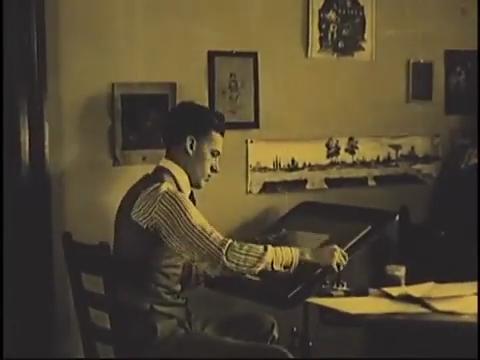
Carlson, with a disarming directness characteristic of the period, doesn't just show; he elucidates, he demonstrates, he practically invites the viewer to lean over the animator's shoulder. The film serves as both a public relations marvel for Bray Studios and an invaluable historical document, preserving for posterity the foundational techniques that would inform generations of animators. What we see is a meticulous, step-by-step unveiling of the process: from the initial, rough sketches that capture the essence of movement, through the precise inking onto transparent celluloid sheets, to the delicate application of color, and finally, the singular moment of photographic capture. Each frame, a testament to human patience and ingenuity, is a brushstroke in a larger, kinetic painting.
In an age where cinema itself was still finding its voice, animation was a truly esoteric pursuit, understood by few outside its practitioners. This film, then, was nothing short of a revelation. It pulled back the curtain on what must have seemed like pure magic to contemporary audiences. Carlson’s presence is central to its appeal; he’s not just a narrator but a participant, a showman unveiling the secrets of his craft. He moves with an easy confidence, pointing out the intricacies of the animation desk, the various tools, and the specialized cameras. There’s an almost tactile quality to his explanations, making the complex process feel accessible, even charming.
The early 20th century was a crucible of innovation, a period where new forms of media were rapidly emerging and evolving. While narrative features like ‘The Heart of Youth’ or even the more dramatic ‘The Road Through the Dark’ captivated audiences with their stories, ‘How Animated Cartoons Are Made’ provided a different kind of wonder: the wonder of understanding. It offered a glimpse into the industrial artistry that underpinned the burgeoning entertainment industry. This wasn't merely entertainment; it was education, presented with an engaging flair that prevented it from ever feeling dry or academic. The film, in its own quiet way, democratized knowledge about a highly specialized field, fostering a deeper appreciation for the animated shorts that were becoming increasingly popular.
Bray Studios, under the entrepreneurial vision of J.R. Bray, was a powerhouse of early animation, responsible for pioneering many techniques that would become industry standards. This film is a direct window into those innovations. We observe the use of cel animation, a revolutionary technique that allowed static backgrounds to be combined with moving characters, dramatically reducing the amount of drawing required for each frame. Carlson meticulously walks us through the stages: the storyboard, the rough animation, the clean-up, the inking onto celluloid sheets, the painting of the reverse side, and then the layering of these cels over a background. Each step is a testament to precision and organizational prowess, a fascinating blend of artistic flair and industrial efficiency.
The visual language of the film itself is instructive. The camera acts as a keen observer, often employing close-ups to highlight the intricate detail of the artists’ work. The rhythm of the film mirrors the methodical pace of animation production – deliberate, precise, building momentum with each revealed step. The absence of sound, characteristic of the era, only heightens the focus on the visual information, allowing the viewer to absorb every nuance of the creative process. One can almost hear the soft rustle of paper, the scratch of pen on cel, the click of the camera shutter – a symphony of silent creation.
While the film emphasizes the technical aspects, it subtly underscores the profound human effort involved. Each frame, each nuanced movement, is the product of an artist's hand and eye. Wallace Carlson himself, though the guide, represents this collective artistry. His calm demeanor and clear explanations demystify the process without diminishing the wonder of the final product. It’s a powerful reminder that even the most mechanically reproduced art forms begin with individual creativity and painstaking labor. This contrasts sharply with the often fantastical narratives of other silent films, such as ‘The Monster and the Girl’, which sought to transport audiences through pure storytelling, whereas Carlson's film grounds them in the tangible realities of creation.
The sheer volume of work involved in producing even a short animated film is staggering, especially by modern standards. Consider the hundreds, if not thousands, of individual drawings required for a mere minute of screen time. This film brings that dedication to the forefront, making the audience appreciate the animated cartoons they consume on a much deeper level. It transforms passive viewing into an active understanding of the genesis of movement, soundlessly conveying the dedication etched into every cel.
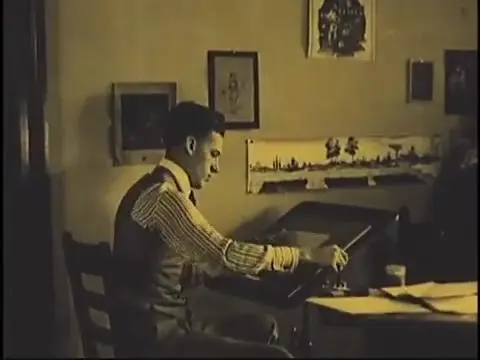
‘How Animated Cartoons Are Made’ is more than a historical curiosity; it is a foundational text in the canon of animation studies. Its principles, though refined and expanded upon over the decades, remain remarkably relevant. The core concept of sequential imagery creating the illusion of motion, the importance of timing, and the meticulous planning are all laid bare. It’s a testament to the enduring power of these early pioneers that their methods, captured in this very film, still resonate in the digital age.
The film’s instructional nature also places it within a broader category of early industrial and educational films, which sought to inform and enlighten as much as to entertain. While many silent films focused on dramatic narratives or comedic escapades, like ‘Fools and Fires’, this particular short carved out a niche by offering genuine insight into a nascent industry. It showcased the industrial capacity and artistic talent residing within Bray Studios, effectively serving as a sophisticated piece of corporate branding long before the term was even coined. This was a studio proudly displaying its craft, inviting the public into its creative sanctum.
Watching it today, one is struck by the sheer ingenuity required to overcome the technical limitations of the time. The animators worked without the benefit of computer assistance, digital drawing tablets, or even readily available film stock. Every decision, every line, every color choice was made with an acute awareness of the physical constraints and the ultimate goal: a fluid, believable illusion of life. This level of craftsmanship imbues the film with an authenticity and gravitas that is often lost in the hyper-efficient, digital pipelines of contemporary animation.
The aesthetic of early animation, as glimpsed through this instructional film, possesses a raw charm. The characters, though simple by today's standards, carry a distinct personality, a testament to the foundational principles of character design. The movements, while occasionally less fluid than later productions, convey an earnestness that is deeply appealing. The film doesn't just explain how cartoons are made; it implicitly celebrates the unique visual language they offer.
For a public accustomed to live-action cinema, the very concept of hand-drawn characters moving autonomously on screen was revolutionary. This film provided the 'decoder ring' to that magic. It allowed audiences to appreciate the labor and artistry, moving beyond mere passive consumption. Imagine the conversations sparked after viewing this: suddenly, the animated short before the main feature wasn't just a diversion; it was a marvel of engineering and imagination. This shift in perception was crucial for the burgeoning animation industry, helping to cement its status as a legitimate, complex art form worthy of serious consideration.
The film also serves as a poignant reminder of how profoundly technology shapes artistic expression. The very limitations of early film cameras and projection systems dictated the stylistic choices and production methods of animators. Yet, within these constraints, a vibrant and enduring art form blossomed. It’s a testament to human creativity's ability to transcend technical barriers, turning perceived weaknesses into unique strengths. In a way, it mirrors the struggles and triumphs seen in narrative films of the era, where compelling stories had to be told without spoken dialogue, relying instead on visual storytelling, much like ‘Vem sköt?’ or ‘Der müde Theodor’.
‘How Animated Cartoons Are Made’ is more than a historical footnote; it is a vibrant, living document of animation's formative years. It's a testament to the ingenuity of pioneers like Wallace Carlson and the collective talent at Bray Studios. Its enduring value lies not just in its historical significance but in its ability to still captivate and educate today's audiences, offering a rare glimpse into the painstaking artistry that laid the groundwork for an entire industry. It reminds us that behind every fluid movement and expressive character on screen, there’s a meticulously crafted illusion, born from countless hours of human dedication. It's a film that demands respect, not just for its age, but for the profound insight it offers into the very soul of animation.
In an era where the magic of cinema was still raw and wondrous, this film stands as a beacon of transparency, revealing the gears and levers of illusion without ever diminishing its power. It’s a must-see for anyone who has ever marvelled at a cartoon, offering an unparalleled journey into the heart of its creation. The legacy of Bray Studios and Carlson’s clear-eyed explanation continues to inform and inspire, proving that some lessons, particularly those about fundamental artistry, are truly timeless. It is a cinematic experience that transcends its utilitarian purpose, becoming a celebration of innovation and the boundless potential of the moving image.
IMDb —
1925
Community
Log in to comment.