DbcultAccessing Vault...
Cult Review
Senior Film Conservator
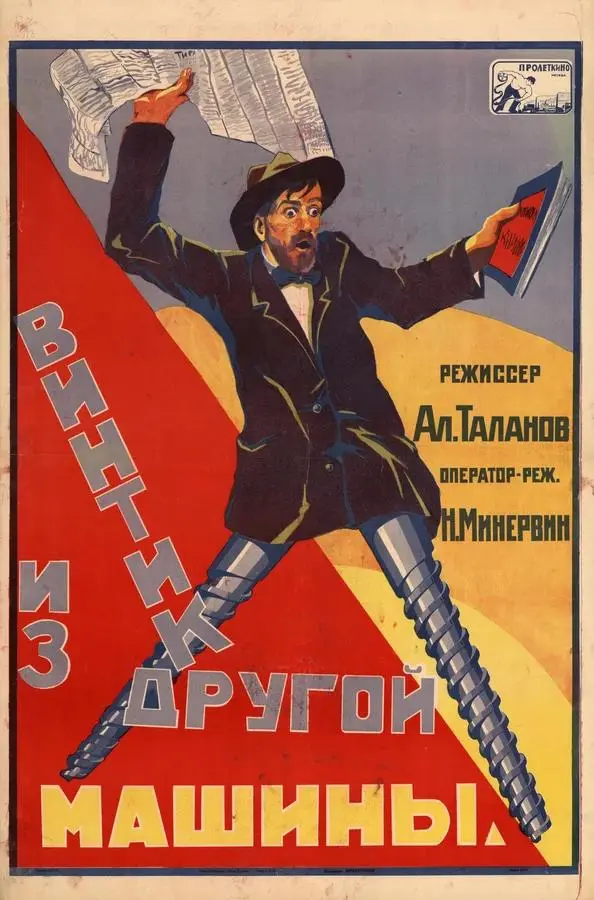
Does Vintik iz drugoy mashiny still hold up in the 21st century? Short answer: Yes, but strictly as a museum piece for those who enjoy dissecting the gears of early Soviet satire. This isn't a film for the casual weekend viewer looking for a quick laugh; it is a film for the cinematic historian and the lover of avant-garde social commentary.
This is a film for anyone fascinated by the intersection of politics and art, and it is most certainly NOT for those who lack the patience for the deliberate pacing of silent-era industrial comedies. It requires a specific mindset to appreciate the nuance of its critique.
1) This film works because it uses physical comedy to dismantle the self-seriousness of industrial bureaucracy, turning the rigid Soviet workplace into a playground of the absurd.
2) This film fails because its narrative structure is episodic and lacks a cohesive emotional core, often feeling like a collection of sketches rather than a unified story.
3) You should watch it if you appreciate early avant-garde Soviet editing or the history of satirical cinema that dares to poke fun at its own foundations.
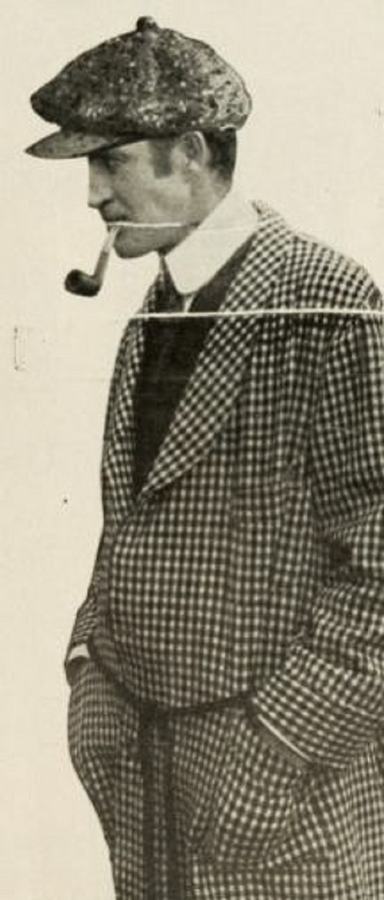
At its heart, Vintik iz drugoy mashiny is a character study of the 'little man,' a recurring trope in Russian literature that found a new, mechanical life in Soviet cinema. Pyotr Repnin delivers a performance that is both athletic and pathetic. He moves with a jittery energy that mirrors the very machines he is supposed to operate. In one specific scene, where he attempts to navigate a maze of filing cabinets, his movements are timed perfectly to the rhythmic editing, creating a sense of a human being slowly turning into a clockwork toy. It is brilliant, but it is also deeply unsettling.
The direction by the creative team, guided by Aleksandr Talanov’s writing, pushes the boundaries of what satire could achieve in 1927. Unlike the more dramatic stakes found in Sacrifice, this film keeps things light on the surface while maintaining a cold, sharp edge underneath. The set design is particularly noteworthy. The offices are cavernous and sterile, making the human actors look small and insignificant. This visual language tells the story better than any title card ever could.
Pyotr Repnin is the undisputed soul of this production. His face is a canvas of bewilderment. When he stares at a broken piece of machinery, he doesn't just look confused; he looks like he's having an existential crisis. This level of physical commitment is rare. It reminds me of the slapstick mastery in Our Gang, but with a much darker, more cynical undertone. He isn't just a clown; he's a victim of progress.
The supporting cast, including Anna Paramonova and Boris Shlikhting, provide a necessary contrast. They play the 'perfect' Soviet citizens—stiff, unyielding, and utterly devoid of the protagonist's messy humanity. When Paramonova’s character interacts with Repnin, the screen practically crackles with the tension between order and chaos. It is a masterclass in ensemble acting where the chemistry is defined by a total lack of harmony.
The cinematography in Vintik iz drugoy mashiny is surprisingly modern. The use of close-ups on gears, pistons, and levers creates a rhythmic pulse that dictates the film's energy. While it lacks the haunting atmosphere of Das Todesgeheimnis, it replaces shadows with the harsh, flat lighting of a factory floor. This choice is deliberate. There is nowhere to hide in this world. Everything is exposed, yet nothing is understood.
One standout moment involves a montage of the protagonist trying to keep up with a conveyor belt. The editing speeds up until the frames become a blur of motion. This isn't just a technical trick; it’s a visceral representation of the character's mental state. It’s a sequence that rivals the best work in The Train Wreckers for pure kinetic energy, though its goals are more philosophical than thrill-seeking.
Short answer: Yes, but only for those with a deep interest in the evolution of political satire. It is a challenging, often repetitive experience that rewards the patient viewer with a unique perspective on a pivotal moment in history.
If you are looking for a cohesive narrative with a traditional beginning, middle, and end, you will be disappointed. Vintik iz drugoy mashiny functions more like a series of interconnected vignettes. It’s a film that asks questions rather than providing answers. Why do we build systems that exclude the people they are meant to help? Why is individuality seen as a 'broken screw' in the machine of state? These questions are as relevant today as they were in 1927.
However, the film’s biggest hurdle for modern viewers is its pacing. There are long stretches where the joke is hammered home long after the point has been made. It lacks the tight, punchy delivery of Hold Tight. It takes its time, and in the age of 15-second clips, that can feel like an eternity. But if you can settle into its rhythm, there is a strange, hypnotic beauty to its mechanical repetition.
Pros:
- Visually inventive use of industrial sets.
- Bold satirical take on Soviet bureaucracy.
- Exceptional rhythmic editing that mirrors the film's themes.
- A performance by Repnin that stands the test of time.
Cons:
- Repetitive narrative beats.
- Some of the political jokes require deep historical context to land.
- Lacks the emotional resonance of contemporary dramas like The Avalanche.
Vintik iz drugoy mashiny is a fascinating contradiction. It is a product of its time that somehow feels ahead of it. It captures the anxiety of the modern age—the fear of being replaced by a more efficient model—with a clarity that is both impressive and depressing. It is a film that demands your full attention, and while it doesn't always reward that attention with 'entertainment,' it always rewards it with 'thought.'
It works. But it’s flawed. It’s a clunky, noisy, beautiful machine of a movie that reminds us that humans were never meant to be parts. We are the operators, or at least we should be. In a world of polished, focus-grouped cinema, there is something deeply refreshing about a film this jagged and uncompromising. It is a screw that doesn't fit, and that is exactly why it is important.
IMDb 6
1928
Community
Log in to comment.