DbcultAccessing Vault...
Cult Review
Senior Film Conservator
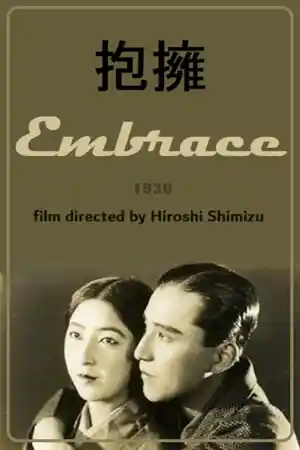
"Hôyô" is absolutely *not* for everyone. If your movie night needs car chases or big, dramatic speeches, you should probably just skip this one. But for those who appreciate a really quiet, almost painfully slow look at human feeling and the rhythm of life in a past era, this film is a surprising little gem. It’s a slow, slow burn, for sure. Think of it like a very old, slightly faded photograph.
The film opens with a shot of a garden path, just *there* for maybe 30 seconds. Nothing happens. Then a woman, Kiyoko (Kikuko Hanaoka), walks into frame, pauses, and then just keeps going. It really sets the mood. You know instantly this isn't going to rush anything. The world outside the frame feels like it's holding its breath.
Kikuko Hanaoka, as Kiyoko, does so much with tiny gestures. Her eyes, mostly. There's a scene where she's serving tea, and the way her hand trembles just a little when she places the cup down. It’s like a whole unspoken conversation right there. You see her trying to hold things together, barely.
And the silence! My goodness, the silences in this movie are *long*. Not in an artsy, self-important way, but in a way that feels real. Like when Kiyoko's mother (Utako Suzuki) asks her about marriage, and Kiyoko just looks out the window for what feels like an entire minute. It’s not forced. It’s just… quiet. You almost feel the dust motes dancing in the air, you know?
There's this one moment, quite early on, where a neighbour's child drops a toy top in the street. Kiyoko picks it up, hands it back. That's it. No big dialogue, no symbolism. Just a tiny, *real* interaction. It stuck with me, for some reason. The sound of the top hitting the cobblestones was surprisingly loud in the quiet street.
The director, Kitamura, really likes to just let the camera sit. He doesn't cut away quickly. Sometimes it feels a bit much, like in the scene where Tatsuo Saitō's character, Mr. Tanaka, is just smoking his pipe. It goes on, and on. You start wondering if he forgot to yell "cut." But then you realize, maybe that's the point. The *waiting*. The slow passage of time.
I did find myself checking my watch a couple times. Not gonna lie. But then something small would happen, a look or a rustle of fabric, and I'd be pulled right back in. The movie isn't *trying* to entertain you in a flashy way. It's more like observing a diorama. A very detailed one.
The pacing is… well, it exists on its own terms. There are these stretches where you're just watching someone walk, or prepare a meal. And you start to notice the tiny details in the background, like the wear on the wooden floorboards, or the way the light catches a specific vase. It’s almost meditative, if you let it be. 🧘♀️
One scene that really stuck out: Kiyoko is helping her mother mend some clothes. Her mother talks about the family's history, not in a grand monologue, but in small, clipped sentences while her fingers keep working the needle. Kiyoko listens, her head slightly bowed. It’s a very intimate moment, showing their bond without any big hugs or declarations. Just shared quiet work.
The scene where Kiyoko is learning to arrange flowers, under the stern eye of Utako Suzuki's character, feels very authentic. The precision, the quiet correction. You don't get a big monologue about tradition versus modernity. You just see it in the *way* the flower stems are trimmed. Every movement is deliberate, a small ritual.
Harurō Takeda plays Kiyoko's older brother, and he's got this stiff, formal air. You don't see much of him, but his presence, even when he's just walking through a room, speaks volumes about the societal expectations hanging over Kiyoko. The pressure is always *there*, lurking.
One thing that was pretty cool: the way the light filters through the paper screens. It's simple, but it creates such a distinct atmosphere. Almost like the world outside is muted, and inside, everything is contained and precise. The world feels small, in a way, almost like a carefully constructed box.
The film uses very little music
IMDb 5.8
1921
Community
Log in to comment.