DbcultAccessing Vault...
Cult Review
Senior Film Conservator
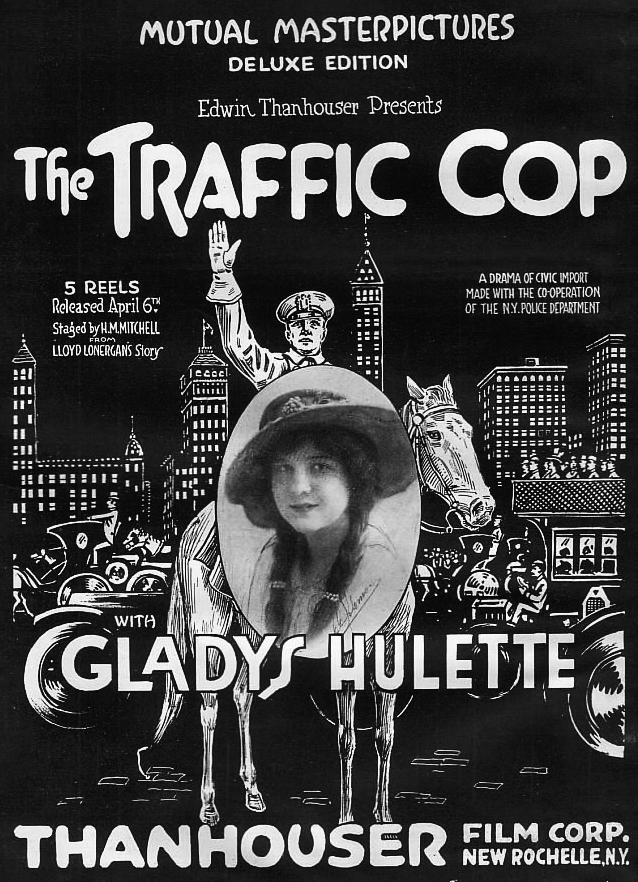
In an era when cinematic storytelling relied solely on visual poetry and evocative intertitles, 'The Traffic Cop' emerges as a compelling exemplar of early 20th-century filmmaking. Released in 1919, this silent drama, penned by the prolific Lloyd Lonergan, transcends its seemingly straightforward title to deliver a narrative rich in moral quandaries, personal sacrifice, and the relentless pursuit of truth. It's more than just a period piece; it's a window into the societal anxieties and romantic ideals that captivated audiences a century ago, crafted with a meticulous attention to character and dramatic tension that remains resonant even today. The film deftly weaves together elements of romance, familial duty, and detective procedural, creating a tapestry of human experience that is both intensely personal and broadly universal.
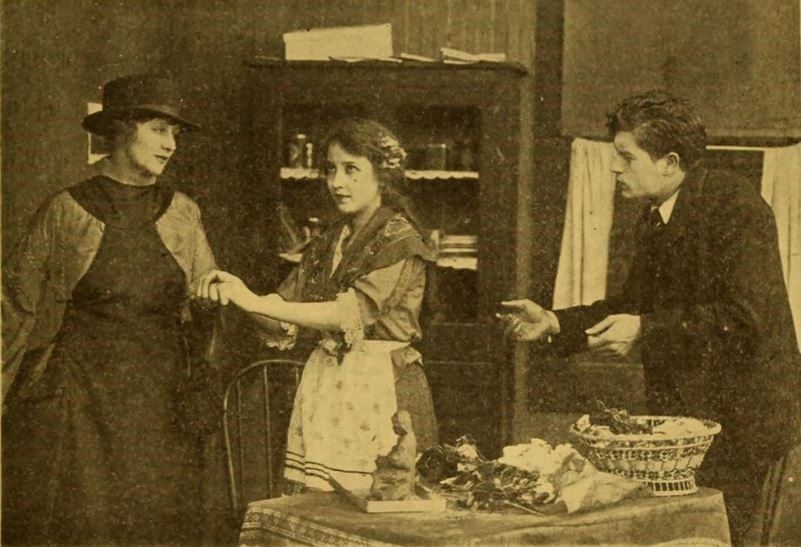
At the heart of this intricate narrative is Casey, portrayed with earnest conviction by Daniel Keleher. Casey is not merely a figure of authority directing urban chaos; he is a beacon of integrity whose daily routine on the bustling city streets is punctuated by an act of heroism. His rescue of a woman in distress, a moment often a cliché in lesser films, here feels organic, setting the stage for a romance that blossoms with tender authenticity. Gladys Hulette, as the rescued woman who swiftly becomes Casey's sweetheart, brings a delicate yet resilient presence to the screen. Her expressive eyes and subtle gestures convey a depth of emotion crucial for silent cinema, making her character immediately sympathetic and her subsequent plight all the more impactful. The initial scenes establish their bond with a charming simplicity, allowing the audience to invest emotionally in their burgeoning happiness before the storm breaks.
The narrative takes a sharp, compelling turn when the young woman discovers a shocking betrayal. Her inheritance, a symbol of security and future, has been pilfered, and the accusations, delivered with a chilling certainty by her banker uncle, point directly to Casey's own brother, a seemingly innocuous cashier. This revelation introduces a profound ethical dilemma for Casey, forcing him to reconcile his burgeoning affection for his sweetheart with his unwavering loyalty to his kin. The film excels in portraying this internal conflict without resorting to melodramatic excess. Keleher's performance during these pivotal moments is particularly noteworthy, conveying the weight of his predicament through nuanced facial expressions and body language, a testament to the power of silent acting. The sudden shift from romantic idyll to familial crisis is handled with a narrative dexterity that keeps the viewer utterly engrossed, reminiscent of the intricate plot twists found in films like When Fate Leads Trump, where external forces dramatically alter personal destinies.
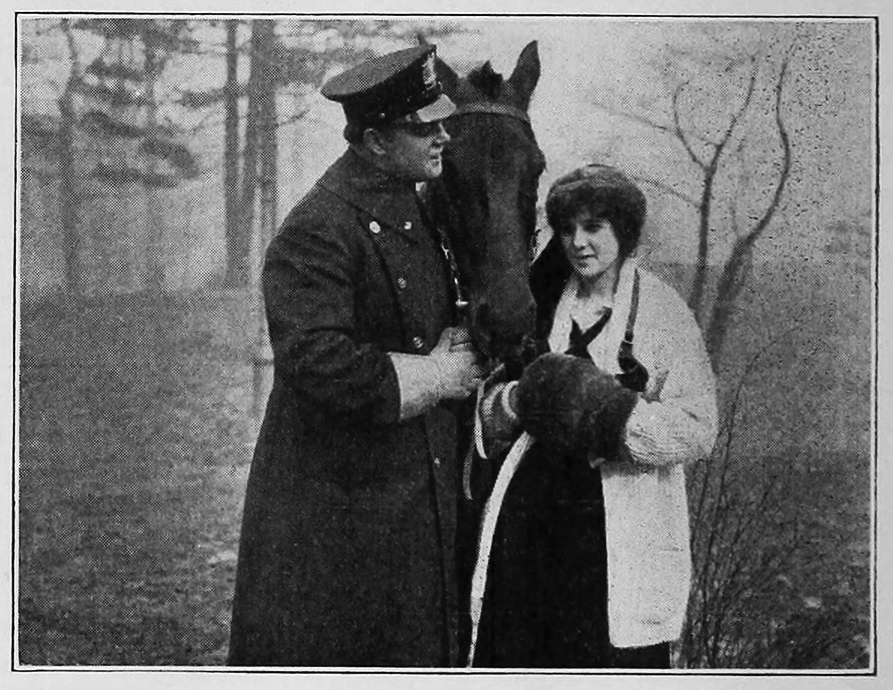
Lloyd Lonergan, the prolific writer behind numerous Thanhouser productions, crafts a screenplay that is both intricate and emotionally resonant. His ability to build suspense and develop complex characters within the constraints of silent film is truly remarkable. The plot unfolds with a methodical precision, each scene contributing to the escalating tension as Casey embarks on a personal crusade to clear his brother's name. This isn't merely a simple whodunit; it's a profound exploration of reputation, trust, and the societal pressures that can unjustly condemn an individual. Lonergan’s script for 'The Traffic Cop' demonstrates a keen understanding of human psychology, presenting a world where appearances can be deceiving and justice must be actively sought, not merely awaited. The film's pacing, while deliberate, never drags, maintaining a steady rhythm that propels the narrative forward, much like the relentless dramatic drive seen in films such as Destruction.
The supporting cast, including Ernest Howard, Theodore von Eltz, Barnett Parker, and Howard M. Mitchell, contribute significantly to the film's rich tapestry. Ernest Howard, likely portraying Casey's accused brother, would have had the challenging task of conveying innocence under duress, a role demanding subtle pathos. Theodore von Eltz, often cast in roles of authority or suspicion, likely embodies the skeptical banker uncle, his presence adding gravitas to the accusations. Each actor, through their gestures and expressions, paints a vivid picture of their character's motivations and internal struggles, enriching the overall dramatic impact. The interplay between these characters creates a believable world, where personal stakes are exceptionally high and the outcome uncertain until the final reels. This ensemble's collective effort underscores the collaborative spirit essential to silent filmmaking, where every visual cue and performance choice was critical to conveying the story's emotional core.
Beyond its narrative strengths, 'The Traffic Cop' offers valuable insights into the cinematic techniques prevalent in 1919. The direction, while uncredited in some records, would have focused on clear visual storytelling, utilizing medium shots and close-ups to emphasize character emotions and key plot points. The editing would have been crucial in maintaining narrative flow and building suspense, transitioning smoothly between scenes of domestic drama, urban investigation, and courtroom tension. The use of intertitles, far from being mere dialogue placeholders, would have served to provide exposition, articulate character thoughts, and inject dramatic irony, guiding the audience through the complexities of the plot. These titles, often elegantly designed, were an integral part of the visual experience, their brevity and impact carefully calibrated to enhance the narrative's emotional resonance. The film's visual style, while perhaps not groundbreaking for its time, would have been effective in communicating the story, with a keen eye for capturing the atmosphere of a bustling metropolis and the intimate emotional landscapes of its characters. This deliberate approach to visual communication is a hallmark of the era, seen in many contemporary films striving for clarity and impact.
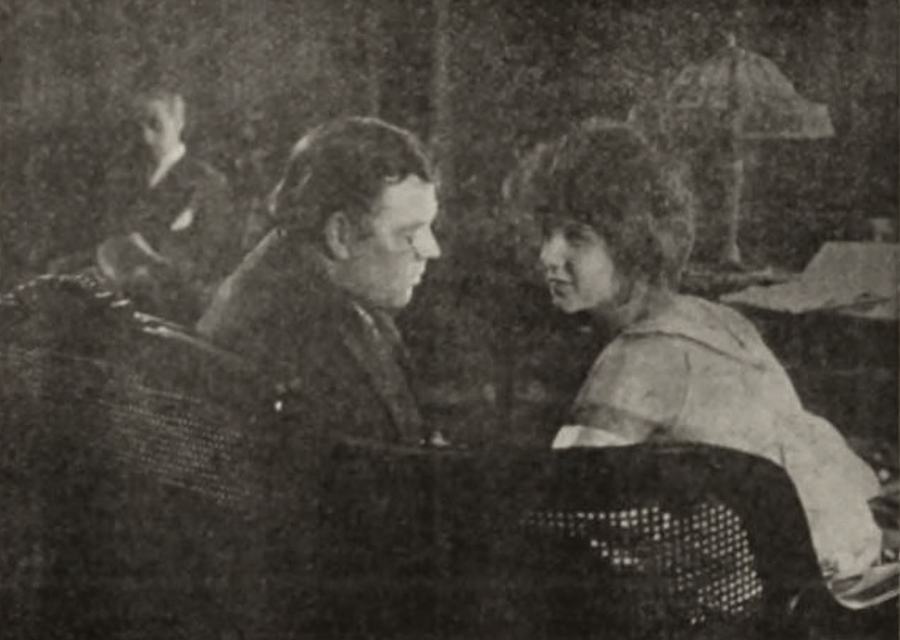
The film's setting, the vibrant and ever-evolving urban landscape, plays a silent but significant role. The city itself, with its anonymous crowds and towering institutions, becomes a character, a backdrop against which personal dramas unfold and justice is sought. This emphasis on the urban environment, a common theme in early cinema, grounds the narrative in a tangible reality, allowing the audience to connect with the characters' struggles against a familiar, yet often indifferent, world. The depiction of financial institutions and the legal system, though perhaps simplified for dramatic effect, reflects contemporary perceptions of these powerful societal structures. In this regard, it shares thematic commonalities with films like The Lure of New York, which also explored the city as a crucible for human ambition and moral testing. The visual composition of scenes, from the busy street corners to the austere interiors of a bank, would have been carefully arranged to convey both realism and dramatic intent.
At its core, 'The Traffic Cop' is a profound meditation on justice, loyalty, and the resilience of the human spirit. Casey's journey from a law enforcer to a personal detective, driven by love and familial obligation, speaks to the universal desire for fairness and truth. The film subtly critiques the ease with which accusations can be made and reputations tarnished, particularly when powerful figures are involved. It champions the individual's fight against systemic injustice, a theme that resonates across different cinematic eras and cultures. The moral ambiguity introduced by the accusation against Casey's brother forces the audience to confront questions of guilt, innocence, and the often-frail nature of circumstantial evidence. This thematic depth elevates the film beyond a simple melodrama, positioning it as a thoughtful commentary on societal ethics. The intertwining of romantic love with a quest for justice adds a powerful emotional layer, making Casey's struggle feel intensely personal and relatable. This blend of personal drama and social commentary is a hallmark of well-crafted silent cinema, demonstrating its capacity for nuanced storytelling without spoken dialogue.
The film also subtly touches upon the evolving roles of women in society. While the sweetheart's primary role is initially that of the damsel in distress, her discovery of the stolen inheritance and her subsequent emotional journey are pivotal to the plot's progression. She is not merely an object of affection but an active participant in the unfolding drama, her vulnerability balanced by an underlying strength. This portrayal, while perhaps not overtly feminist by modern standards, represents a step towards more complex female characters in early cinema, moving beyond purely decorative roles. The film showcases how personal wealth and its management were becoming increasingly central to women's independence and social standing, a theme also explored in films like The Model, which often depicted women navigating economic realities. The emphasis on family honor, particularly for Casey, underscores the deeply ingrained social values of the period, where one's reputation was intricately tied to the actions of their relatives. This societal pressure adds another layer of complexity to Casey's arduous investigation, making his quest not just about his brother, but about his own standing and the future of his relationship.
While perhaps not as widely known as some of its contemporaries, 'The Traffic Cop' stands as a testament to the sophisticated storytelling capabilities of the silent era. It is a film that rewards careful viewing, revealing layers of meaning and emotional depth through its compelling performances and well-structured narrative. For enthusiasts of silent cinema, it offers a fascinating glimpse into the period's narrative conventions, acting styles, and thematic concerns. It reminds us that powerful stories do not require spoken dialogue to resonate deeply; indeed, the absence of sound often amplifies the visual and emotional impact, inviting the audience to engage more actively in interpreting the characters' inner lives. The film's ability to maintain suspense and emotional investment over its runtime is a credit to the entire creative team, particularly Lloyd Lonergan's script and the expressive performances of Daniel Keleher and Gladys Hulette. It's a film that speaks to enduring human experiences: love, betrayal, the quest for truth, and the unwavering bonds of family, making it a valuable piece of cinematic history deserving of rediscovery. Much like other forgotten gems such as After Dark or The Woman in 47, it showcases the diverse and rich storytelling landscape of early cinema that often gets overshadowed by the more iconic features.
In conclusion, 'The Traffic Cop' transcends its simple title to deliver a rich, engaging, and thought-provoking cinematic experience. It is a compelling blend of romance, mystery, and social commentary, executed with the narrative finesse characteristic of Lloyd Lonergan's work. The film's exploration of justice, family loyalty, and the challenges of urban life remains remarkably pertinent, offering a timeless reflection on the human condition. For those seeking to delve deeper into the artistry of silent film, or simply yearning for a well-told story with genuine emotional stakes, this cinematic artifact is an essential viewing. It’s a powerful reminder that the foundations of modern storytelling were laid in these early, silent masterpieces, proving that compelling drama needs no audible voice to speak volumes to the heart and mind.
IMDb 6.2
1931
Community
Log in to comment.