DbcultAccessing Vault...
5.4/10
Senior Film Conservator
A definitive 5.4/10 rating for a film that redefined the boundaries of cult cinema. The Scarlet Car remains a cornerstone of transgressive art.
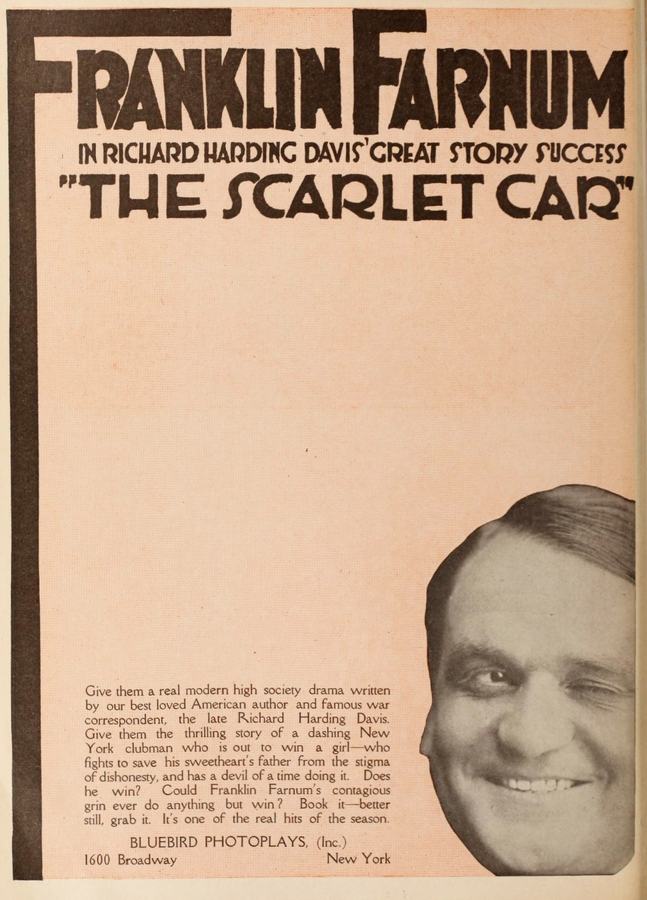
Stepping into the flickering glow of a 1917 silent film is akin to opening a time capsule, and The Scarlet Car, with its intricate web of deceit, amnesia, and nascent detective work, offers a fascinating glimpse into the dramatic sensibilities of the era. Directed by Joseph De Grasse, this Universal production, based on a story by Richard Harding Davis, plunges us into a world where financial impropriety can lead to presumed murder and a desperate fight for reputation. It’s a narrative that, even a century later, retains a certain compelling urgency, largely due to its commitment to melodrama and the burgeoning talent of its ensemble, not least the enigmatic Lon Chaney.
The film’s premise is a masterclass in escalating tension. Paul Revere Forbes, the bank's cashier, is no mere functionary; he is the moral compass, an individual whose integrity shines through the murky dealings of his superiors. When he uncovers the embezzlement of $35,000 by Cyrus Peabody, the bank president, and his son Ernest, the stage is set for a dramatic confrontation. This isn't just about money; it’s about a profound betrayal of trust, a theme that resonates deeply within the social fabric of any age. The Peabodys' reaction to Forbes's threat of exposure is visceral and immediate – a violent assault that leaves them convinced of his demise. The decision to involve a broker in the disposal of the body adds another layer of grim desperation, highlighting the lengths to which the powerful will go to protect their secrets. This initial act of violence and cover-up is swift, brutal, and characteristic of the heightened stakes often found in early crime dramas, where the line between villainy and desperation is often blurred by circumstance.
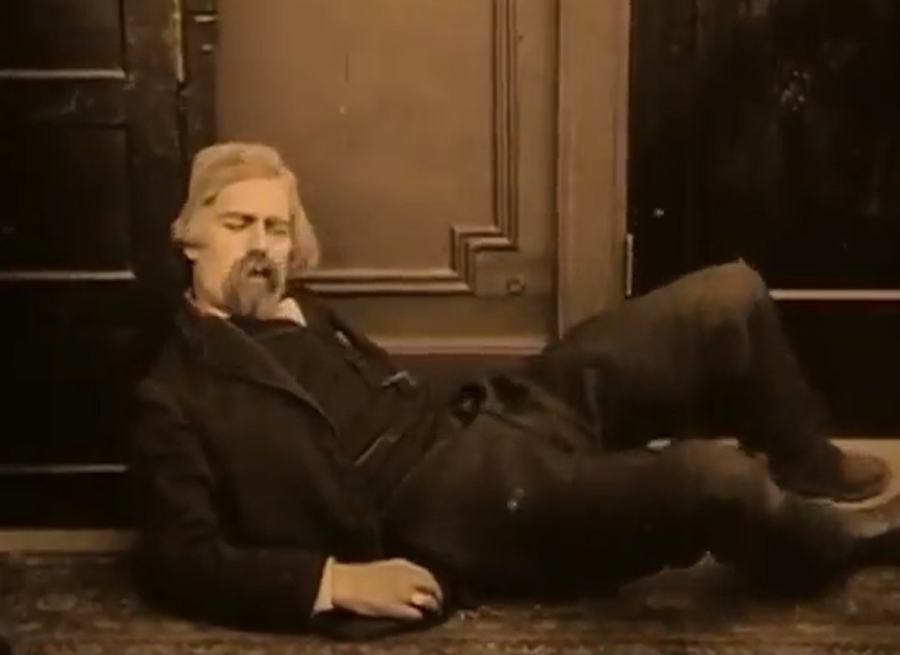
The narrative then takes a pivotal turn, one that defines many a silent-era thriller: the miraculous survival of the presumed victim, albeit with a debilitating twist. The broker, tasked with the macabre duty of body disposal, meets his own untimely end in a car crash. This accidental death is a narrative device that simultaneously clears the path for Forbes's survival and complicates the Peabodys' scheme. Forbes, alive but suffering from severe amnesia, wanders off, a blank slate in a world suddenly hostile. This amnesia trope, while perhaps cliché to modern sensibilities, was a potent dramatic tool in early cinema, allowing for profound character transformations and intricate plot developments. It immediately isolates Forbes, stripping him of identity and memory, making him a vulnerable pawn in a game he doesn't even remember playing. Meanwhile, the Peabodys, unaware of Forbes's survival, double down on their villainy, seizing the opportunity to frame him for the very theft they committed. This inversion of justice, where the victim becomes the accused, is a classic dramatic setup, designed to elicit outrage and sympathy from the audience.
The film then shifts its focus to the champions of justice: Beatrice Forbes, Paul Revere's resolute daughter, and Billy Winthrop, her boyfriend, whose transformation from idle suitor to determined investigator forms a crucial secondary arc. Their journey to uncover the truth forms the backbone of the film's second act, demonstrating the enduring power of familial loyalty and romantic devotion in the face of overwhelming odds. Edith Johnson, as Beatrice, embodies the spirited heroine, a common archetype of the era, whose strength and intelligence are vital to unraveling the conspiracy. She’s not merely a damsel in distress; she’s an active participant in her father’s vindication, a characteristic that makes her an engaging figure. Her partnership with Billy Winthrop (Franklyn Farnum) provides a dynamic duo, echoing the investigative pairings seen in other contemporary films where amateur sleuths often outwit the official channels, a popular trope that gave audiences a sense of vicarious empowerment.
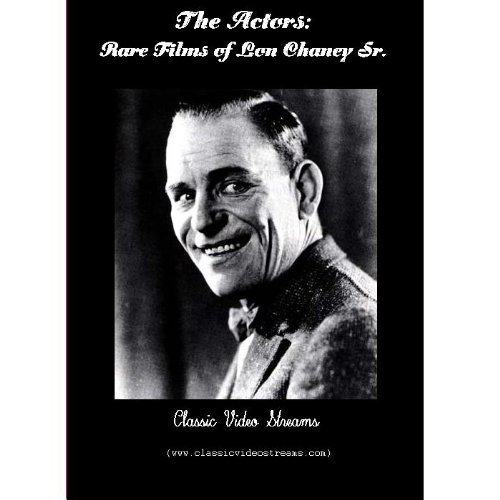
While not the central protagonist, the presence of Lon Chaney in the cast is a significant point of interest for anyone exploring early cinema. Chaney, who would later become renowned as 'The Man of a Thousand Faces,' often lent his unique intensity to supporting roles in these formative years. In The Scarlet Car, he plays one of the Peabodys’ accomplices, a figure who, though perhaps minor in screen time, undoubtedly benefits from Chaney's nascent ability to imbue even small parts with memorable menace or pathos. His performances, even in these early roles, often hinted at the psychological depth he would later master. One can imagine him bringing a certain unsettling quality to the character, a subtle undercurrent that elevates the villainy of the Peabodys. It’s these early appearances that allowed Chaney to hone his craft, experimenting with the gestural and facial expressions that were so critical to silent acting. His work here, alongside contemporaries like Sam De Grasse (who also appeared in The Plunderer), provides a fascinating counterpoint to the more straightforward heroics of the lead characters.
The film's title, The Scarlet Car, hints at the importance of the automobile in the plot, not just as a means of transport but as a symbol of modernity and, in this case, a tool for both crime and its unraveling. The car crash involving the broker is a pivotal moment, and the 'scarlet' perhaps refers to the blood spilled or the passion of the unfolding drama. Early cinema often leveraged new technologies, and the automobile was a frequent player, adding dynamism and speed to narratives. The chase sequences, or the simple act of characters speeding to a destination, were thrilling for audiences of the time. This film, like others such as Immediate Lee, often used vehicles to propel the plot forward, creating a sense of urgency and spectacle.
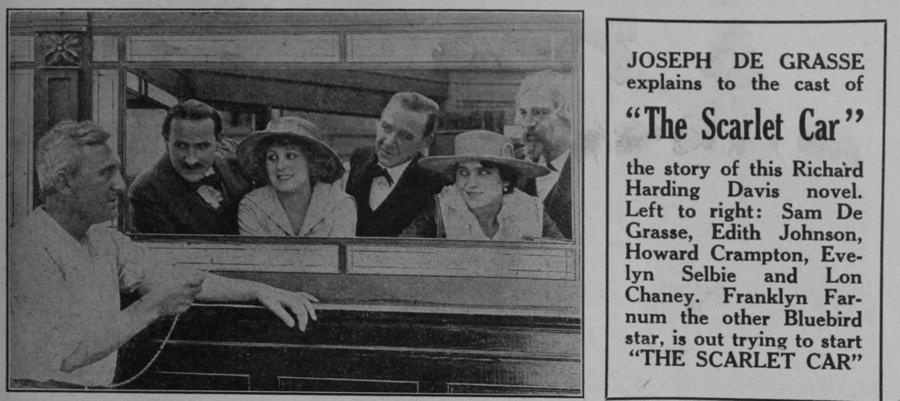
The art of silent film relies heavily on visual storytelling, exaggerated expressions, and intertitles to convey emotion and plot. The Scarlet Car, like many films of its era, would have employed these techniques to maximum effect. The performances, particularly from actors like Howard Crampton as Cyrus Peabody and Allan Cavan as Ernest Peabody, would have needed to convey their villainy through broad gestures and facial contortions, making their characters unmistakably despicable. Conversely, the earnestness of Paul Revere Forbes (William Humphrey) and the determination of Beatrice and Billy would have been communicated through expressions of unwavering resolve. The challenge for silent actors was immense: to project complex emotions and motivations without the aid of dialogue, relying solely on their physical presence and the director's guidance.
Thematically, The Scarlet Car delves into classic conflicts: good versus evil, innocence versus corruption, and the fight for justice against a powerful establishment. These are timeless themes that resonate across cinematic history, from early melodramas to contemporary thrillers. The film’s exploration of financial malfeasance also taps into anxieties prevalent in society, particularly during periods of economic fluctuation or rapid industrial expansion. The idea of trusted institutions being undermined by greed is a potent one, and films like this served as both entertainment and a reflection of societal concerns. It’s a narrative blueprint that can be seen in numerous films focusing on legal battles and corporate intrigue, such as According to Law.
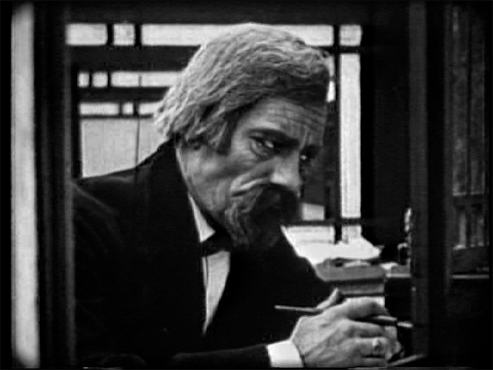
Viewing The Scarlet Car today also requires an appreciation for its place in cinematic history. 1917 was a significant year for film, a period of rapid evolution in narrative techniques, editing, and acting styles. While it may not possess the grand scale of a D.W. Griffith epic or the intricate psychological depth of later German Expressionist works, it represents the solid, commercially viable storytelling that formed the backbone of the burgeoning Hollywood studio system. Films of this type were crucial in establishing genre conventions and refining the language of cinema. They taught audiences how to 'read' a movie, how to follow complex plots through visual cues and intertitles, and how to invest emotionally in characters whose voices they would never hear.
The collaborative effort of writers Richard Harding Davis and William Parker is evident in the film's tightly wound plot. Davis, a celebrated journalist and author, brought a strong sense of narrative drive, often focusing on adventure and intrigue. Parker, a prolific screenwriter of the era, would have been adept at translating these concepts into a visual medium. Their combined talents likely contributed to the film's intricate plot mechanics and its ability to maintain suspense despite the limitations of silent storytelling. The film showcases a period when screenwriting was still finding its footing, moving beyond simple adaptations to craft original narratives specifically for the camera.
The supporting cast, featuring names like Nelson McDowell, Harry Tenbrook, and Lule Warrenton, would have provided the necessary texture and depth to the film's world. Each actor, in their own way, contributed to the tapestry of characters, from the conniving to the benevolent. These were the workhorses of early Hollywood, often appearing in numerous films within a single year, honing their craft in diverse roles. Their collective presence underscores the rich talent pool that fueled the silent era’s prolific output. For instance, Lon Poff, also in the cast, was known for his distinctive character roles, much like his contemporary The Fatal Night and The Dream Girl.
Ultimately, The Scarlet Car stands as more than just a historical artifact; it's a testament to the enduring power of narrative. It reminds us that stories of crime, punishment, and redemption have always captivated audiences, regardless of technological advancements. The film’s focus on the restoration of justice, the vindication of the innocent, and the comeuppance of the corrupt offers a satisfying conclusion, a moral equilibrium that was often a hallmark of silent-era storytelling. While modern viewers might find some of its conventions quaint or its pacing deliberate, there's an undeniable charm and earnestness to its execution. It’s a film that, when approached with an open mind and an appreciation for its historical context, offers a rich and rewarding viewing experience.
It’s a powerful reminder of how cinema, even in its infancy, was adept at crafting intricate psychological dramas and thrilling narratives. The journey of Paul Revere Forbes from respected cashier to amnesiac wanderer, and the relentless pursuit of truth by his daughter Beatrice and Billy Winthrop, creates a compelling human drama that transcends the limitations of its silent medium. The film, like many from this period such as The Law Decides or The Rights of Man: A Story of War's Red Blotch, underscores the societal importance placed on legal and moral rectitude, even when the path to achieving it is fraught with peril. The enduring appeal of these early thrillers lies in their ability to tap into universal fears and desires, presenting a world where courage and integrity can ultimately triumph over deception and greed, even if the journey is a convoluted one. The legacy of films like The Scarlet Car is not just in their plots, but in their contribution to the evolving language of cinematic expression, paving the way for the complex storytelling we enjoy today.
IMDb —
1920
Community
Log in to comment.