DbcultAccessing Vault...
7.6/10
Senior Film Conservator
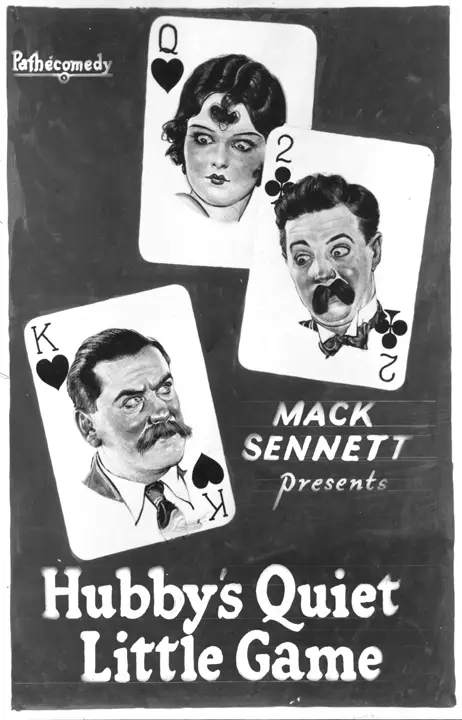
A definitive 7.6/10 rating for a film that redefined the boundaries of cult cinema. Hubby's Quiet Little Game remains a cornerstone of transgressive art.
Is Hubby's Quiet Little Game worth watching today? Short answer: yes, but strictly for those who find humor in the cringe-inducing social collapses of the silent era.
This film is for historians of the slapstick genre and fans of Vernon Dent’s specific brand of exasperated comedy. It is certainly not for those who require high-octane action or sophisticated, modern dialogue-driven plots.
1) This film works because: The central irony is perfectly timed, creating a slow-burn tension that explodes when the photograph finally hits the poker table.
2) This film fails because: The secondary characters are often indistinguishable, leading to a few moments of narrative confusion during the crowded poker scenes.
3) You should watch it if: You enjoy seeing the 'polite' facade of early 20th-century masculinity stripped away in favor of raw, petty gossip.
Hubby's Quiet Little Game is a fascinating relic. It operates on a premise that feels almost modern in its awkwardness. The dance instructor, played with a delightful lack of self-awareness, represents the catalyst for a domestic explosion he doesn't even realize he's causing.
The film excels in its pacing. Unlike some other shorts from the period, such as Roaring Lions on the Midnight Express, which rely heavily on physical stunts, this film leans into the psychology of the 'secret.'
When the instructor enters the poker game, the atmosphere shifts. We see the husband, played with a gruff oblivious nature by William McCall, acting as the king of his small domain. The dramatic irony is thick enough to choke on.
The moment the photograph is revealed is a masterclass in silent reaction shots. The camera lingers on the husband’s face as it transitions from curiosity to recognition, and finally to a cold, simmering fury that he must hide from his peers.
Vernon Dent is, as always, a reliable anchor for the comedy. He possesses a physical language that communicates more than a title card ever could. His interaction with the wife (Betty Bird) is choreographed with a subtle, suggestive energy that justifies the husband’s eventual paranoia.
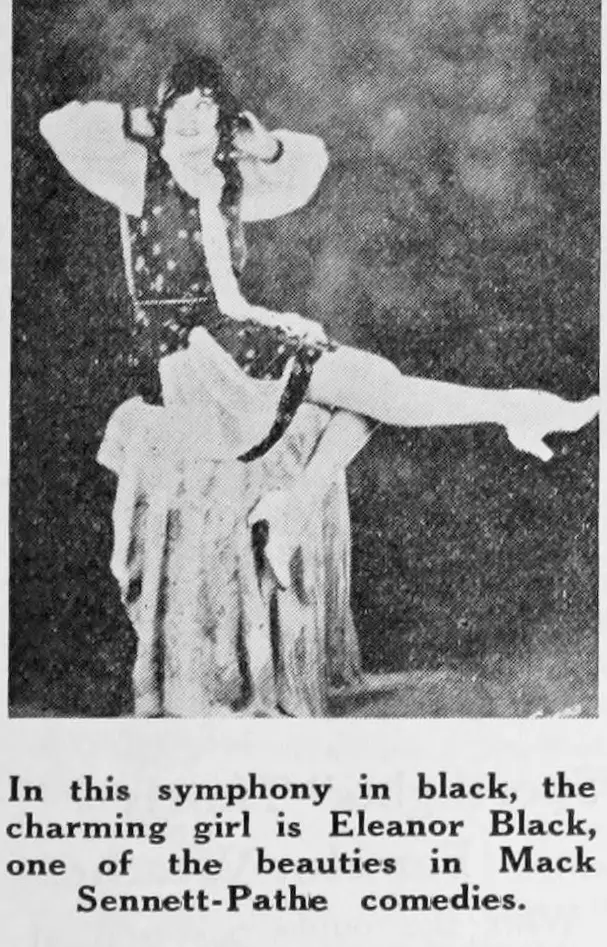
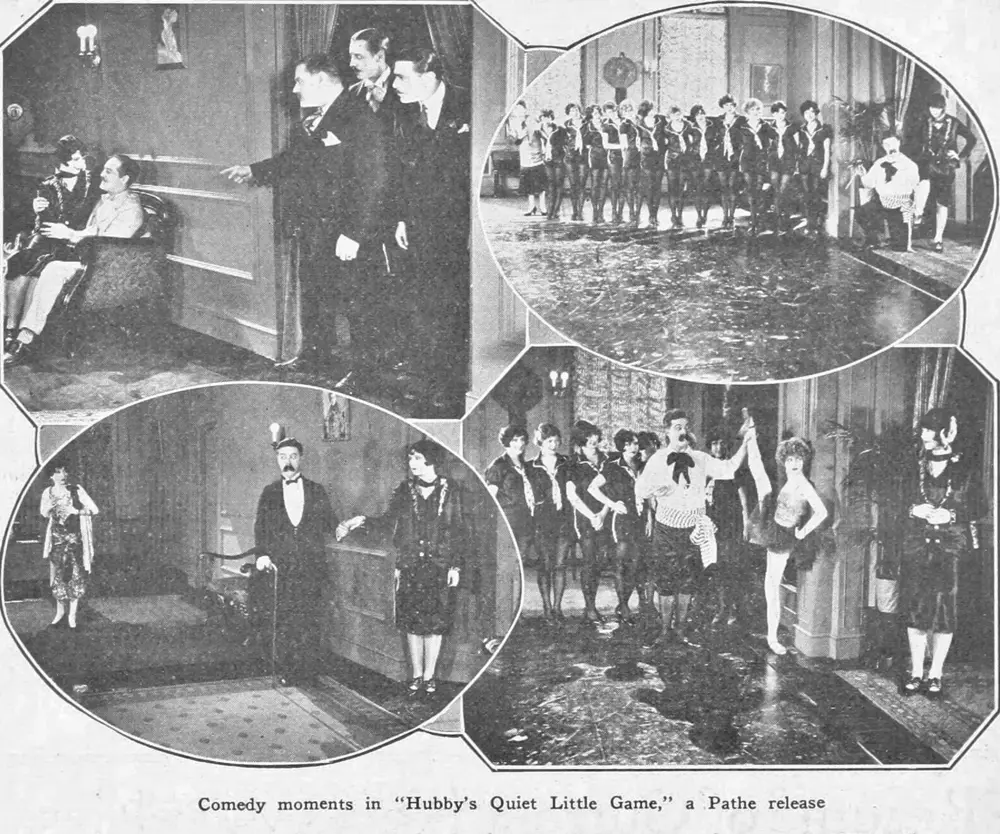
The inclusion of Eduardo and Elisa Cansino—members of the legendary dancing family—gives the 'dance lesson' scenes a level of technical proficiency often missing from silent shorts. Their movements are fluid, contrasting sharply with the stiff, rigid movements of the men at the poker table.
It is interesting to compare the ensemble work here to a film like Confessions of a Queen. While that film deals with the grand scale of royalty, Hubby's Quiet Little Game finds its drama in the cramped, smoke-filled rooms of the middle class.
The supporting cast, including regulars like Billy Bevan and Stanley Blystone, fill out the poker table with a variety of 'types.' You have the cynic, the jokester, and the silent observer. Each one contributes to the 'uncivil' discussion that forms the film’s climax.
Phil Whitman’s direction is functional but effective. He understands that the poker table is a stage. He uses medium shots to keep the entire group in frame, allowing the viewer to track the photograph as it moves from hand to hand like a live grenade.
The lighting is surprisingly atmospheric for a 1926 short. The poker room is dim, lit primarily from above to create heavy shadows under the players' eyes. This visual choice mirrors the dark, gossipy nature of their conversation.
In contrast, the home where the dance lessons occur is bright and airy. This visual dichotomy highlights the two worlds the husband inhabits: the sanitized domestic sphere and the gritty reality of his 'quiet game.'
The editing is sharp. The cut-aways to the wife at home, oblivious to her husband’s discovery, heightens the tension. It’s a technique seen in more dramatic works like The Man from Glengarry, but here it serves the comedy of errors.
What is the primary appeal of Hubby's Quiet Little Game?
The film's primary appeal lies in its cynical take on social etiquette and the clever use of dramatic irony. It subverts the expectation of a violent confrontation, opting instead for a more biting, verbal (via title cards) destruction of reputation. It is a tight, efficient piece of storytelling that remains relatable because the fear of accidental exposure is universal.
If you are exploring the works of the writers Al Giebler and Clarence Hennecke, this is a essential viewing. It shows a departure from the purely physical gags of You're Pinched and moves toward a more character-driven humor.
However, if you find silent cinema to be tedious, this won't change your mind. It requires the viewer to lean in and pay attention to the subtle shifts in facial expressions. It’s a quiet film about a 'quiet game' that ends in a very loud social disaster.
One surprising element is the lack of a 'moral' ending. Usually, films of this era would punish the wife or the instructor. Here, the focus is entirely on the husband’s humiliation and the loss of his 'cool' at the poker table. It’s almost nihilistic.
The poker table acts as a confessional. The men aren't just talking about the woman in the photo; they are projecting their own insecurities about their wives and their lives. It’s a deeply uncomfortable scene that feels ahead of its time.
The instructors’s total lack of malice makes him the most dangerous person in the room. He isn't trying to ruin a marriage; he’s just a man who likes to show off his work. This makes the resulting chaos feel like an act of god rather than a planned scheme.
It’s a mess of a situation. But it works.
Cons:
Hubby's Quiet Little Game is a sharp, cynical, and ultimately rewarding short film. It captures a specific moment in cinematic history where the comedy was transitioning from the broad physical antics of films like Harem Scarem to something more grounded in social anxiety.
While it may not have the legendary status of some feature-length silents, its tight construction and punchy delivery make it a superior example of the 1920s short-form comedy. It doesn't rely on a 'masterpiece' label to be effective; it simply tells a story of human fallibility with a wink and a nod.
Comparing it to other shorts like Lost: A Bridegroom, one can see a clear lineage of 'domestic disaster' comedy that still influences sitcoms today. The film is a reminder that whether it's 1926 or 2024, showing the wrong photo to the wrong person is a recipe for disaster.
It’s flawed. It’s grainy. But it is undeniably human. If you have twenty minutes to spare, this 'quiet little game' is well worth the ante.
IMDb 6.7
1924
Community
Log in to comment.