DbcultAccessing Vault...
Cult Review
Senior Film Conservator
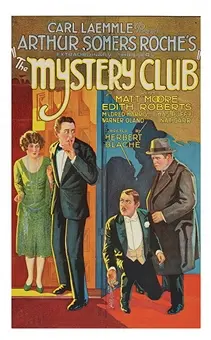
Short answer: yes, but it's a film that's more enjoyable for those who appreciate the quirks and nuances of early 20th century cinema. This silent mystery, while not a cinematic masterpiece, offers a unique glimpse into a genre that has evolved significantly since its time.
The Mystery Club is a 1929 film that follows the peculiar and convoluted plot of an organization of wealthy men who wager that crimes can be committed without detection by the police. Inspector Burke serves as the arbiter of this peculiar game, and the stakes escalate when Burke is reported murdered, and valuable jewels are stolen. The members of the club find themselves under suspicion and intrigue, leading to a series of misunderstandings and revelations.
This film works because of its unique setup and the charm of its cast. The Mystery Club is a perfect example of a film that thrives on its sense of humor and the quirky behavior of its characters. The interactions between the wealthy members, the suspicious events, and the eventual unraveling of the mystery provide a blend of mystery and comedy that is surprisingly entertaining. The performances by the cast, particularly Edith Roberts and Jed Prouty, are engaging and add to the film's appeal.
This film fails because of its dated elements and the lack of depth in its characters and plot. While the film is entertaining, it often feels like a series of events without a clear narrative arc or emotional investment. The mystery, while intriguing, is more of a puzzle to be solved rather than a compelling story with emotional stakes. Additionally, the film's reliance on physical comedy and the limitations of silent film can sometimes feel like a hindrance rather than a strength.
You should watch it if you have an interest in the history of cinema, particularly the silent era, and enjoy films with a touch of the absurd. The Mystery Club is a great example of early 20th century mystery films and offers a unique glimpse into a genre that has evolved significantly. If you are looking for a film that is more focused on the mechanics of mystery solving rather than a deep emotional journey, this film is definitely worth a watch.
The acting in The Mystery Club is one of its strongest aspects. The cast, particularly Edith Roberts and Jed Prouty, deliver performances that are engaging and add to the film's charm. Roberts, known for her work in silent films, brings a sense of elegance and mystery to her role, while Prouty's comedic timing and charm make him a standout in the film. The supporting cast also delivers solid performances, contributing to the overall appeal of the film.
Director Frank Lloyd's work in The Mystery Club is notable for its ability to balance the film's mystery elements with its comedic moments. Lloyd's direction is clear and effective, guiding the film through its various plot twists and ensuring that the audience remains engaged. However, the film's reliance on physical comedy and the limitations of silent film can sometimes feel like a hindrance rather than a strength.
The cinematography in The Mystery Club is a standout aspect of the film. The use of lighting and framing adds to the film's mysterious atmosphere, and the visual style is reminiscent of the silent era's unique aesthetic. The film's visual style is both intriguing and engaging, contributing to the overall atmosphere of the film.
The pacing of The Mystery Club is generally well-paced, with a good balance between the mystery elements and the comedic moments. However, the film can sometimes feel like a series of events without a clear narrative arc or emotional investment. The mystery, while intriguing, is more of a puzzle to be solved rather than a compelling story with emotional stakes. This can sometimes make the film feel a bit disjointed and lacks the emotional depth of modern mystery films.
The tone of The Mystery Club is a mix of mystery and comedy, with a lighthearted and quirky approach to the genre. The film's tone is engaging and entertaining, but it can sometimes feel like the film is more focused on the mechanics of mystery solving rather than a deep emotional journey. The film's tone is a strength of the film, but it can also be a weakness, as it can sometimes feel like the film is missing a more serious narrative arc.
While The Mystery Club may not be a cinematic masterpiece, it is still worth watching for those who appreciate the quirks and nuances of early 20th century cinema. The film's unique setup and the charm of its cast make it an engaging and entertaining watch. However, the film's dated elements and the lack of depth in its characters and plot can sometimes make it feel a bit disjointed and lacking in emotional investment.
Best for:
- Those interested in the history of cinema, particularly the silent era
- Fans of quirky and lighthearted mystery films
- Those who enjoy films with a touch of the absurd
Not for:
- Those looking for a deep emotional journey or a serious narrative arc
- Those who prefer modern mystery films with more depth and complexity
Standout element:
- The unique setup and the charm of its cast
Biggest flaw:
- The film's dated elements and the lack of depth in its characters and plot
It works. But it’s flawed. The Mystery Club is a fascinating and entertaining film that offers a unique glimpse into the early 20th century mystery genre. While it may not be a cinematic masterpiece, it is still worth watching for those who appreciate the quirks and nuances of early 20th century cinema. The film's unique setup and the charm of its cast make it an engaging and entertaining watch, but the film's dated elements and the lack of depth in its characters and plot can sometimes make it feel a bit disjointed and lacking in emotional investment. However, for those who enjoy quirky and lighthearted mystery films, The Mystery Club is definitely worth a watch.

IMDb 3.6
1924
Community
Log in to comment.