Summary
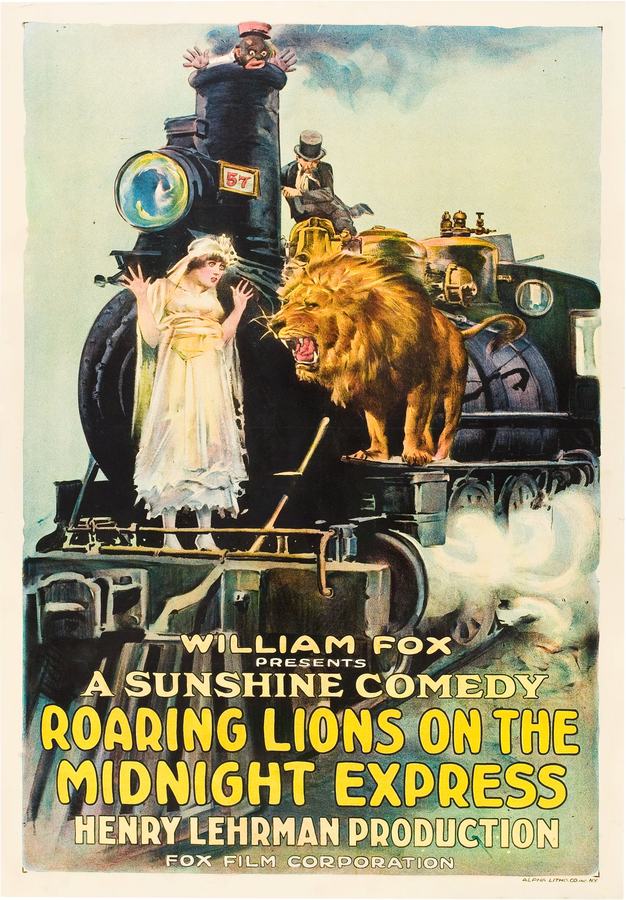
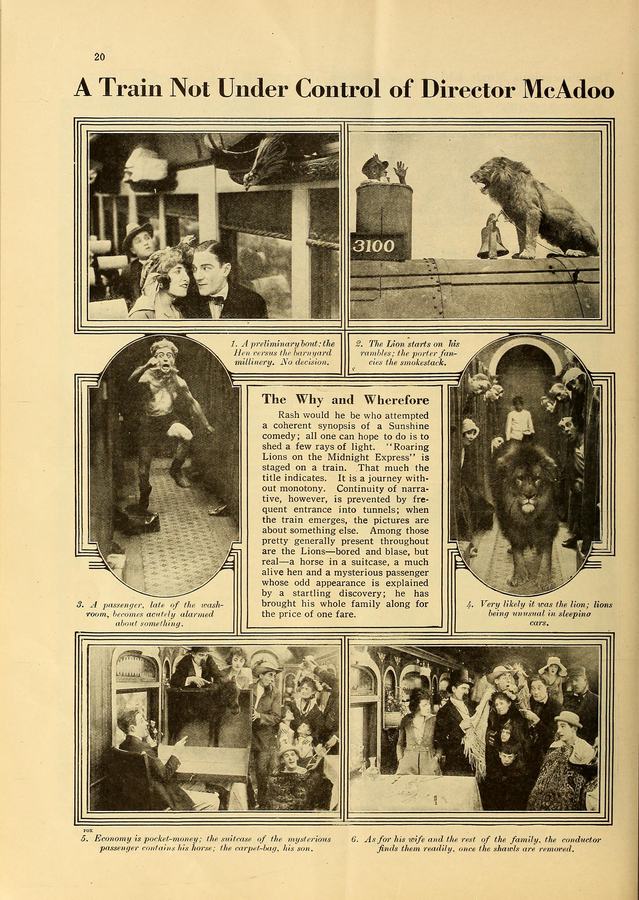
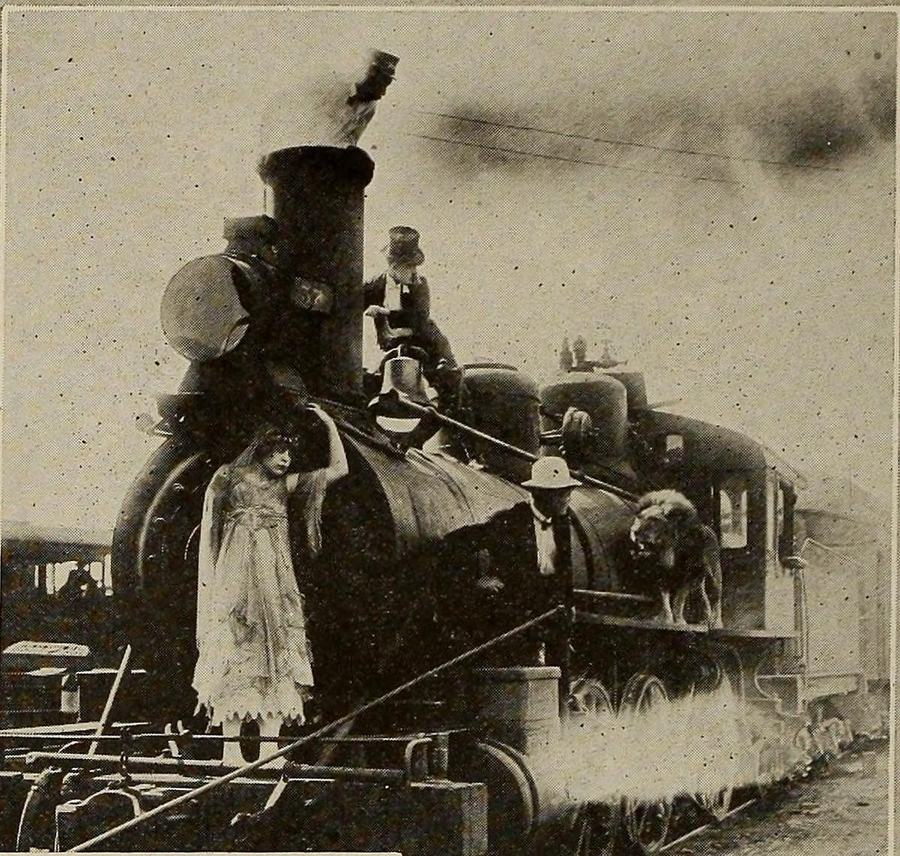
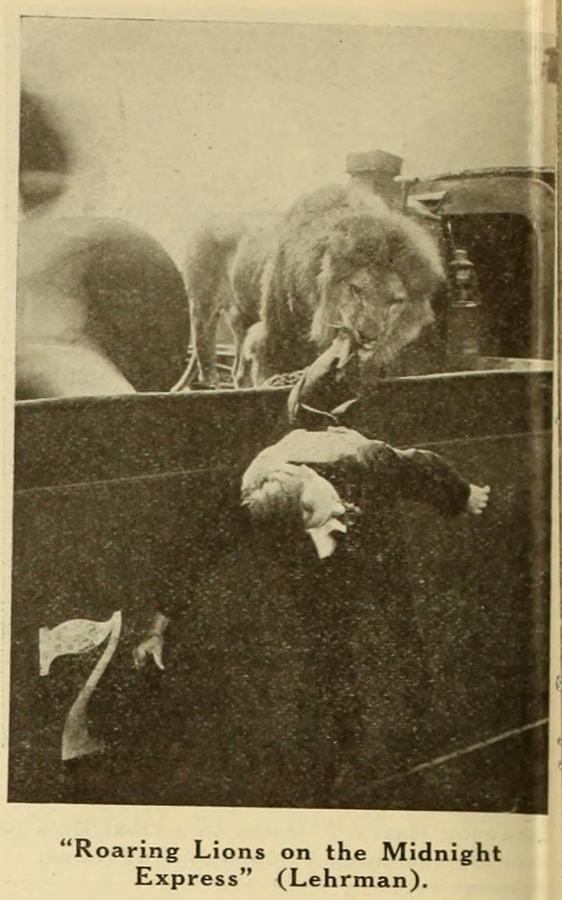
In the uproarious silent spectacle, "Roaring Lions on the Midnight Express," a meticulously planned, yet inevitably doomed, cross-country journey forms the core of its comedic chaos. The narrative unfurls with a rather eccentric circus proprietor, a figure of bombastic self-assurance, attempting to transport his prized, albeit notoriously temperamental, big cats via a notoriously rickety transcontinental railway. His long-suffering, perpetually flustered assistant, tasked with the impossible feat of ensuring both the animals' containment and the train's timely progression, becomes the unwitting focal point of escalating calamity. The journey commences with an air of precarious stability, quickly unraveling into a ludicrous ballet of slapstick and mistaken identity. A series of increasingly improbable mishaps — a faulty cage lock, an ill-timed sneeze, a rogue banana peel — precipitates the grand escape of the titular felines, unleashing pandemonium within the confines of the speeding locomotive. Passengers, a motley assortment of society’s upper crust, bumbling detectives, and an inexplicably calm old woman knitting in her compartment, react with a spectrum of terror and bewildered amusement. The ensuing chase involves frantic sprints through narrow corridors, precarious climbs atop carriages, and ingenious, if utterly impractical, attempts to recapture the majestic beasts, all choreographed with a masterful understanding of physical comedy. The film culminates in a dizzying crescendo of absurdity, as the train itself becomes a character, careening towards an improbable resolution where man, beast, and machine converge in a final, spectacular, and utterly unforgettable moment of cinematic mayhem, leaving the audience breathless with laughter and a profound appreciation for the sheer, unadulterated joy of early cinema's boundless imagination.
Review Excerpt
"
The Untamed Spirit of Silent Cinema: A Roaring Success
Stepping into the flickering glow of a silent film, particularly one as exuberantly titled as Roaring Lions on the Midnight Express, is akin to unearthing a forgotten treasure chest of pure, unadulterated cinematic joy. This particular gem, a veritable carnival of chaos and comedic brilliance, stands as a testament to the ingenuity and boundless imagination that defined the early era of filmmaking. It’s a pell-mell journey..."