DbcultAccessing Vault...
Cult Review
Senior Film Conservator

In the realm of early 20th-century cinema, 'Human Desires' emerges as a thought-provoking narrative that deftly explores the intricacies of human relationships, set against the stunning backdrop of Paris. The film tells the story of an actress, played by Marjorie Daw, who finds herself ensnared in a toxic marriage with a jealous impresario, portrayed by Russell Thorndike. Her life takes a dramatic turn with the arrival of an officer, played by Clive Brook, who saves her from the brink of suicide.
The cinematography is breathtaking, capturing the essence of Paris in a way that transports viewers to the City of Light. The film's use of lighting and composition creates a visually stunning experience, drawing the audience into the world of the characters. The performances are equally impressive, with Marjorie Daw delivering a nuanced portrayal of a woman torn between her desire for freedom and her need for love.
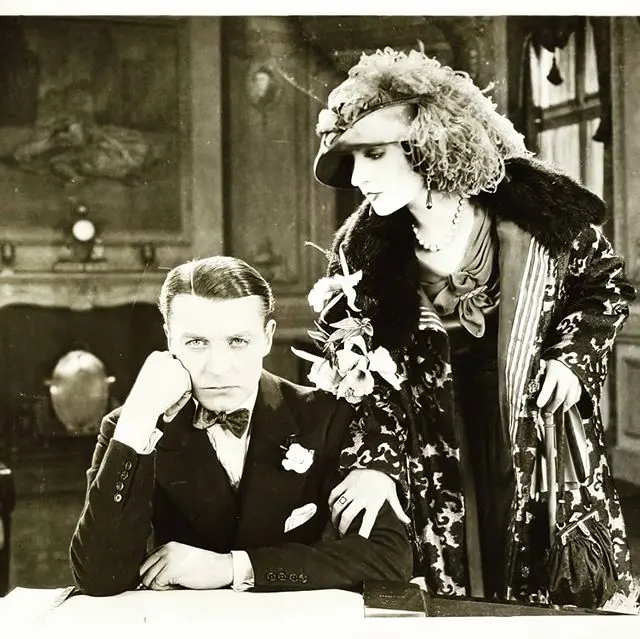
The themes of love, loss, and liberation are woven throughout the narrative, creating a rich tapestry of emotions that resonate deeply with the audience. The film's exploration of these themes is both poignant and thought-provoking, inviting viewers to reflect on their own experiences and relationships. In this sense, 'Human Desires' can be seen as a companion piece to films like Without Evidence and Ludzie bez jutra, which also delve into the complexities of human relationships and the search for meaning.
The direction, courtesy of Louis Stevens and Burton George, is masterful, guiding the narrative with a steady hand and allowing the characters to breathe and develop in a way that feels organic and authentic. The supporting cast, including Julia Compton and Warwick Ward, add depth and texture to the story, creating a sense of community and connection that underscores the film's themes.
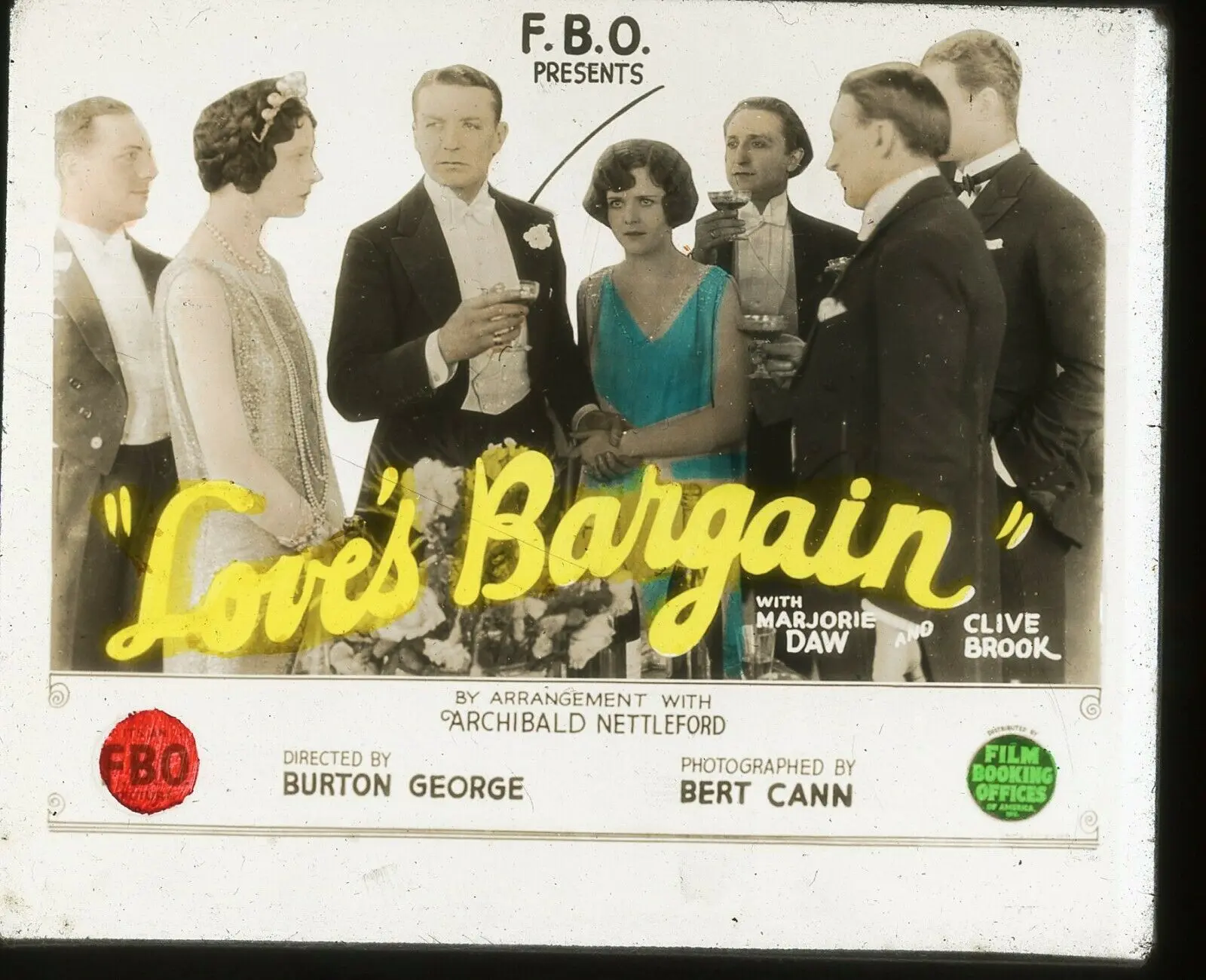
One of the most striking aspects of 'Human Desires' is its use of symbolism, particularly in the character of the impresario, who serves as a symbol of the suffocating nature of possessive love. This theme is echoed in films like Die toten Augen and The Eternal Sin, which also explore the darker aspects of human relationships. In contrast, the officer represents a redemptive force, offering the protagonist a chance to break free from her toxic marriage and find a new sense of purpose.
The film's score is equally noteworthy, with a haunting melody that complements the on-screen action and adds to the overall sense of tension and drama. The use of music in 'Human Desires' is reminiscent of films like The Shoes That Danced and Her Own People, which also feature memorable scores that enhance the viewing experience.

In conclusion, 'Human Desires' is a masterpiece of early 20th-century cinema, offering a nuanced exploration of love, loss, and liberation that continues to resonate with audiences today. With its stunning cinematography, impressive performances, and thought-provoking themes, this film is a must-see for anyone interested in the art of filmmaking. If you're looking for more films that explore similar themes, be sure to check out A Quiet Street and Marie, Queen of Rumania, which offer powerful explorations of human relationships and the search for meaning.
Ultimately, 'Human Desires' is a film that will leave you pondering the complexities of human relationships and the power of love to transform and redeem. With its rich themes, stunning cinematography, and impressive performances, this film is a true classic that continues to captivate audiences to this day.

IMDb —
1924
Community
Log in to comment.