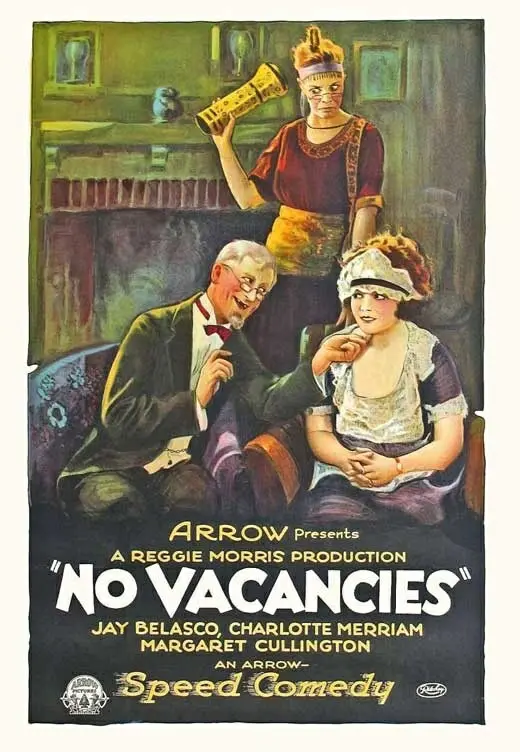
A definitive 5.4/10 rating for a film that redefined the boundaries of cult cinema. No Vacancies remains a cornerstone of transgressive art.
The year 1919, a period of profound societal flux following the Great War, often saw cinematic narratives grappling with the immediate, tangible struggles of everyday life. Among these, 'No Vacancies' emerges as a particularly insightful, if understated, commentary on one of humanity's most perennial predicaments: the quest for a home. This silent era gem, though perhaps not as widely celebrated as some of its contemporaries, offers a remarkably prescient exploration of housing scarcity, economic vulnerability, and the intricate dance of human relationships under duress. It’s a film that, despite its sepia tones and reliance on intertitles, speaks with an arresting clarity about issues that remain acutely relevant a century later.
A Newlywed's Ordeal: Love Against the Backdrop of Scarcity
At the heart of 'No Vacancies' lies the earnest, yet increasingly desperate, journey of newlyweds Jack (Jack Ackroyd) and his wife (Charlotte Merriam). Their initial optimism, characteristic of new unions, quickly confronts the harsh reality of a city seemingly devoid of any affordable dwelling. This isn't merely a backdrop; it’s an active antagonist, shaping their choices and challenging the very foundation of their nascent marriage. Ackroyd portrays Jack with a commendable blend of earnestness and mounting frustration, his physical demeanor subtly shifting from hopeful enthusiasm to a weary resignation as each door closes. Merriam, in turn, imbues Jack’s wife with a quiet resilience, her expressive eyes conveying a multitude of emotions – from initial joy to burgeoning concern and ultimately, a determined fortitude. Their predicament is not merely an inconvenience; it’s a profound threat to their domestic aspirations, forcing them into a hotel where they accept menial jobs, trading their dreams of a private sanctuary for the precarious security of employment and a roof, however temporary.
The film masterfully uses their story as a poignant anchor, grounding the narrative in a relatable human struggle. Their transition from hopeful house-hunters to hotel laborers is depicted with a stark simplicity that underscores the indignity of their situation. This forced entry into the service industry, doing the very tasks they might have expected others to perform in their own home, highlights the economic pressures of the time. The film avoids grand melodramatics, opting instead for a quiet, observational style that allows the audience to feel the weight of their circumstance. One might draw parallels to the socio-economic critiques found in films like 'The Land of Promise', which also explored the challenges of upward mobility and the harsh realities faced by those seeking a fresh start in an unforgiving urban landscape, albeit with a different set of class dynamics.
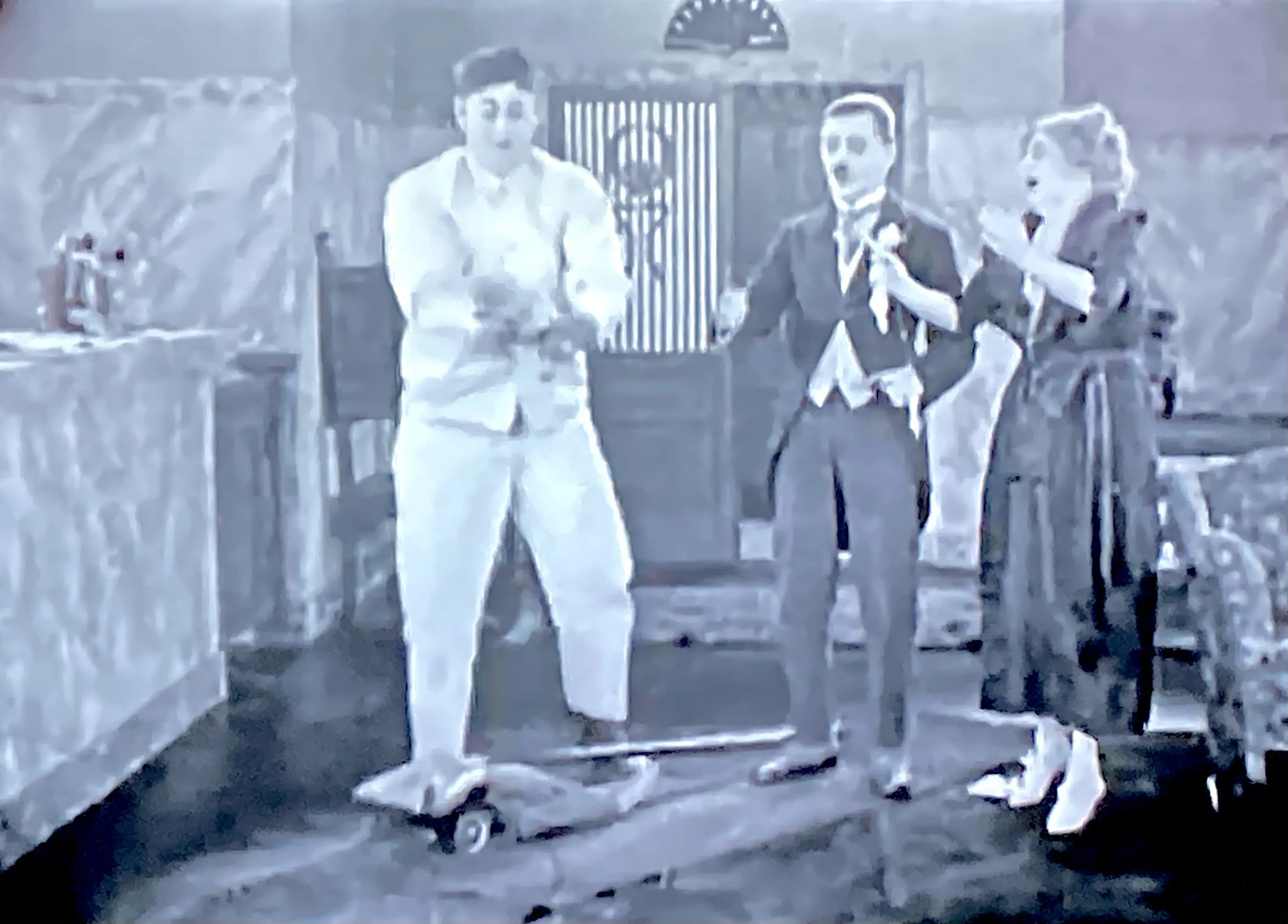
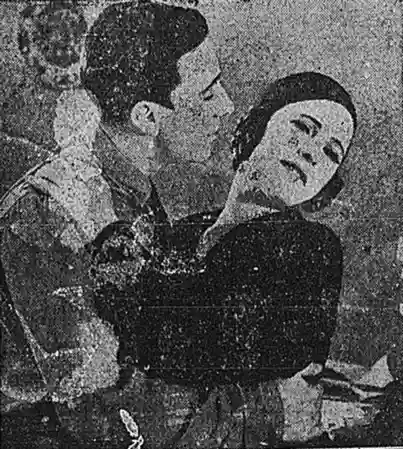
Scene from No Vacancies
Cinematic perspective: Exploring the visual vocabulary of No Vacancies (1923) through its definitive frames.
The Hotel as a Microcosm: A Stage for Human Folly
The hotel itself, an ornate but perhaps slightly faded establishment, becomes a character in its own right – a bustling, often chaotic, crucible where disparate lives intersect. It serves as a potent symbol of transient existence, a place of temporary respite that ironically accentuates the longing for permanence. Within its walls, the film introduces two additional couples, whose boisterous, often farcical, squabbles over the last remaining room provide a stark and often darkly comedic contrast to Jack and his wife's quiet desperation. This narrative choice elevates 'No Vacancies' beyond a simple melodrama, injecting it with a layer of social satire.
The Contenders: A Study in Contrasting Personas
The first rival couple, featuring Eddie Baker and Blanche Payson, embodies a particular brand of entitled exasperation. Baker, known for his robust comedic presence, likely leans into the bluster and self-importance of a man convinced of his rightful claim. Payson, a veteran character actress, complements this with a performance that might vacillate between long-suffering spouse and equally assertive claimant. Their arguments are less about genuine need and more about perceived status and stubborn pride. They bicker with a theatricality that highlights the absurdity of their situation, yet their determination is unwavering. Their performances, even in the silent medium, likely conveyed a palpable sense of comedic tension, relying on exaggerated gestures and facial expressions to communicate their fervent desire for the coveted space.
The second couple, portrayed by Margaret Cullington and Jay Belasco, brings another dynamic to the fray. Perhaps they are younger, more impetuous, or simply possess a different strategy for securing the room. Cullington might play a more cunning or charming character, while Belasco could be the exasperated partner trying to navigate her schemes. The interplay between these two couples, each employing their own tactics – from subtle persuasion to outright aggressive posturing – creates a vibrant, often hilarious, spectacle of human competition. The director's choice to pit these distinct personalities against each other for such a seemingly mundane prize elevates the narrative, transforming a simple plot point into a commentary on human nature's more petty, yet undeniably engaging, aspects. One might recall the comedic rivalries and social manners satirized in films like 'Snobs', where social climbing and one-upmanship are central to the humor, although 'No Vacancies' grounds its comedy in a more immediate, tangible struggle for physical space.
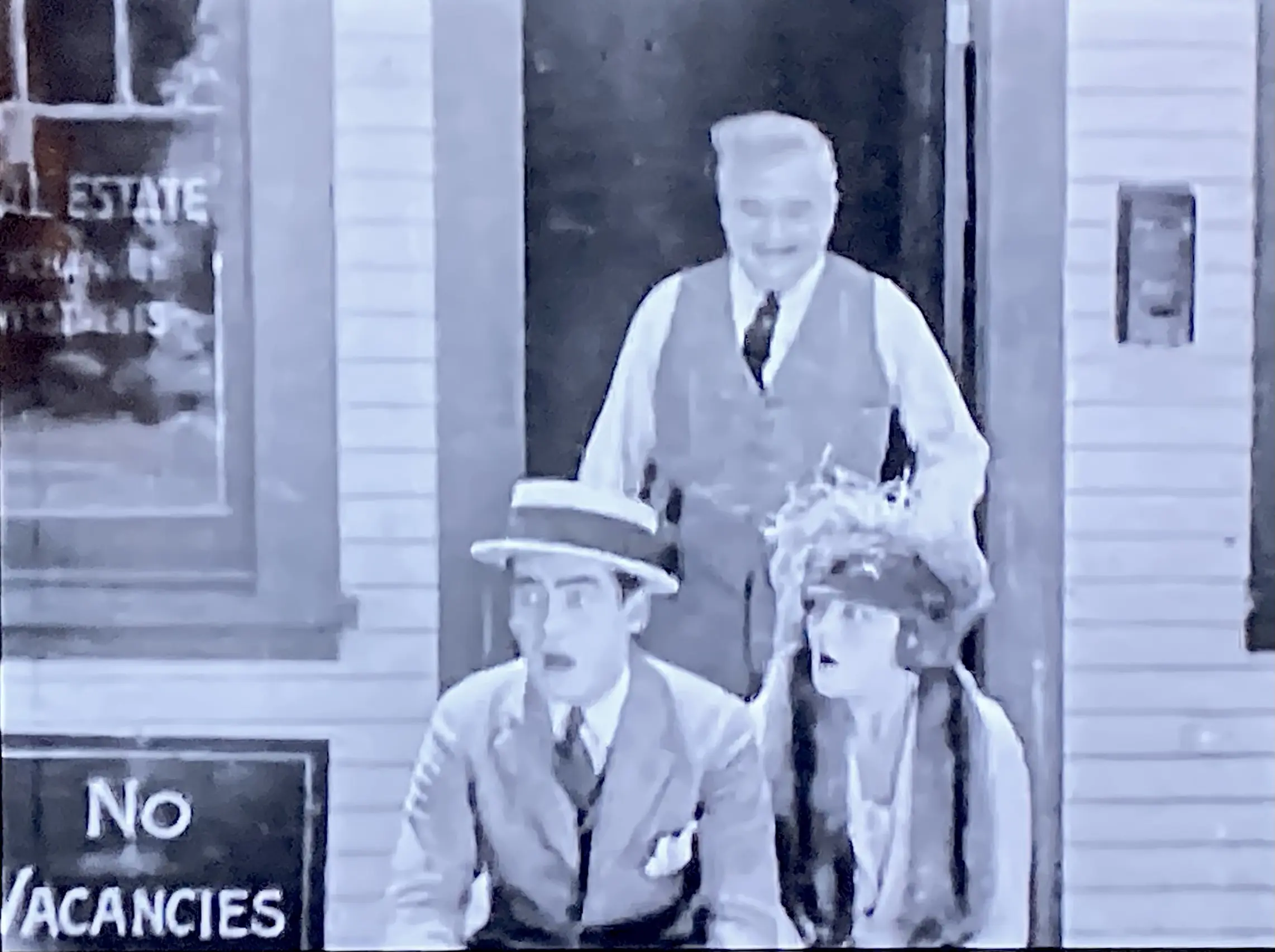
Scene from No Vacancies
Cinematic perspective: Exploring the visual vocabulary of No Vacancies (1923) through its definitive frames.
A Tapestry of Supporting Roles and Cinematic Craft
Beyond the central couples, the film benefits from a rich tapestry of supporting performances. Billy Armstrong and Jack Duffy, likely portraying hotel staff, fellow residents, or minor antagonists, would have contributed to the bustling atmosphere of the hotel. In silent cinema, these peripheral characters often play crucial roles in establishing the mood and dynamics of the setting, their reactions and interactions coloring the audience's perception of the main narrative. Armstrong, often cast in comedic or character roles, might have provided additional moments of levity or exasperation, while Duffy could have brought a sense of weary professionalism or even subtle villainy, depending on his character's function. The ensemble cast, though operating without dialogue, would have relied heavily on physical comedy, expressive pantomime, and carefully timed reactions to convey their roles effectively.
The cinematic craft of 'No Vacancies', typical of its era, would have focused on clear visual storytelling. Intertitles would have been crucial for conveying dialogue and narrative exposition, but the true artistry would lie in the actors' ability to communicate emotion and intent through gesture, posture, and facial expression. The director, whose name isn't explicitly provided, would have been tasked with orchestrating these performances, ensuring a coherent narrative flow and maintaining the film's delicate balance between pathos and comedy. The pacing, a critical element in silent films, would have been carefully managed to build tension during the couples' squabbles and underscore the quiet desperation of Jack and his wife. The use of close-ups, though perhaps not as prevalent as in later eras, would have been employed judiciously to highlight key emotional moments, drawing the audience into the characters' inner worlds.
The film's enduring power lies in its ability to transcend its immediate setting, touching upon universal themes of home, belonging, and the relentless human spirit in the face of adversity. It's a reminder that even in the most mundane struggles, there exists a profound drama waiting to be observed.
Scene from No Vacancies
Cinematic perspective: Exploring the visual vocabulary of No Vacancies (1923) through its definitive frames.
Themes of Resilience and Social Critique
'No Vacancies' is more than just a lighthearted comedy or a simple domestic drama; it functions as a subtle yet potent social critique. The housing crisis it depicts, though set in 1919, resonates with uncanny familiarity in contemporary times. It highlights the vulnerability of individuals to economic shifts and the inherent unfairness of a system where basic necessities become commodities to be fought over. The film implicitly questions societal structures that allow such desperation to fester, even as it finds humor in the human response to these pressures. This blend of social commentary and observational comedy is a hallmark of effective storytelling, allowing the audience to reflect on serious issues without being overwhelmed by didacticism.
The resilience of Jack and his wife stands in stark contrast to the petty squabbles of the other couples. Their willingness to take on menial labor, to sacrifice immediate comfort for a long-term goal, speaks volumes about the human capacity for endurance and adaptation. Their love, initially tested by external circumstances, seems to deepen and solidify through shared hardship. This narrative arc, focusing on the strength of a relationship under duress, offers a hopeful counterpoint to the more cynical portrayal of human nature seen in the competing couples. It reminds us that while competition and self-interest are ever-present, so too are cooperation, sacrifice, and enduring affection.
The film's exploration of human behavior extends to the broader concept of entitlement versus genuine need. The competing couples, secure enough to engage in protracted arguments over a room, implicitly represent a segment of society perhaps less acquainted with true hardship. Their squabbling, while humorous, underscores a certain disconnect from the profound struggles faced by others, like Jack and his wife. This nuanced portrayal of different strata of society, even within the confines of a single hotel, adds depth to the film's social commentary. One might even draw a comparison to the class distinctions and societal expectations explored in 'Vanity Fair', though 'No Vacancies' approaches these themes with a more direct, less sprawling, focus on a singular, immediate crisis.
A Lasting Impression: The Timelessness of Struggle
'No Vacancies' provides a fascinating glimpse into the social fabric of early 20th-century America, but its true genius lies in its enduring relevance. The anxieties surrounding housing, economic stability, and the pursuit of a dignified life are not confined to any single era. The film's ability to elicit both laughter and empathy from its audience, often simultaneously, is a testament to its effective storytelling and the universal nature of its themes. It’s a compelling example of how silent cinema, often underestimated in its capacity for complexity, could skillfully weave together elements of social critique, character study, and comedic relief.
The performances, particularly from Charlotte Merriam and Jack Ackroyd, anchor the film with a heartfelt sincerity that prevents it from descending into mere farce. Their quiet struggle provides the emotional core, making the viewer genuinely invest in their fate. The boisterous antics of Eddie Baker, Blanche Payson, Margaret Cullington, and Jay Belasco, while providing much of the film's overt humor, serve to highlight the contrast between those merely inconvenienced and those truly imperiled. This dynamic interplay between different levels of struggle is what gives 'No Vacancies' its depth and its lasting impact.
As a historical artifact, it offers valuable insights into the social concerns of its time, reflecting a period when the burgeoning urban landscape presented both opportunities and formidable challenges. As a piece of cinematic art, it showcases the expressive power of silent film, where nuanced gestures and carefully crafted intertitles could convey profound narratives without the aid of spoken dialogue. This film, though perhaps overshadowed by more famous titles, deserves renewed attention for its timeless narrative and its surprisingly contemporary resonance. It’s a testament to the fact that even in an era of rapid change, some human struggles remain remarkably consistent, offering fertile ground for artistic exploration across generations. The simple premise blossoms into a rich commentary on the human condition, making it a valuable, if often overlooked, entry in the annals of early cinema. Its depiction of the lengths people go to secure a basic need, and the often-humorous ways they interact under pressure, makes 'No Vacancies' a truly memorable experience.