DbcultAccessing Vault...
Cult Review
Senior Film Conservator
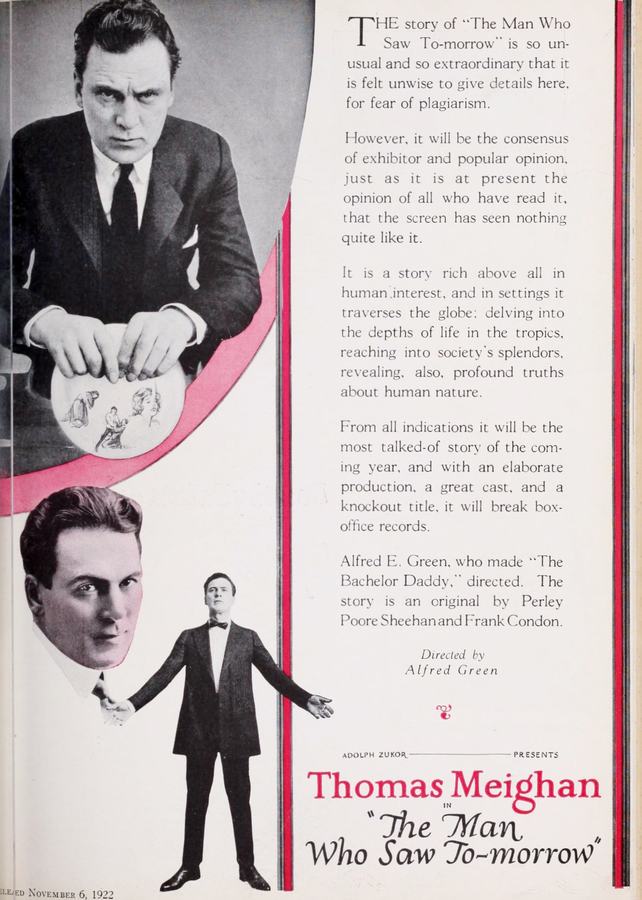
The year 1922 was a watershed moment for the silent screen, a period where the medium began to shed its stage-bound origins in favor of a more sophisticated, psychological visual language. Alfred E. Green’s The Man Who Saw Tomorrow stands as a pinnacle of this evolution, utilizing a speculative narrative framework to explore the timeless dichotomy between duty and desire. At its core, the film is an examination of the 'road not taken,' a concept that resonates as deeply today as it did a century ago. Thomas Meighan, portraying the beleaguered Burke Hammond, delivers a performance of remarkable restraint, navigating the transition from a man paralyzed by indecision to one emboldened by a glimpse into the ethereal void of the future.
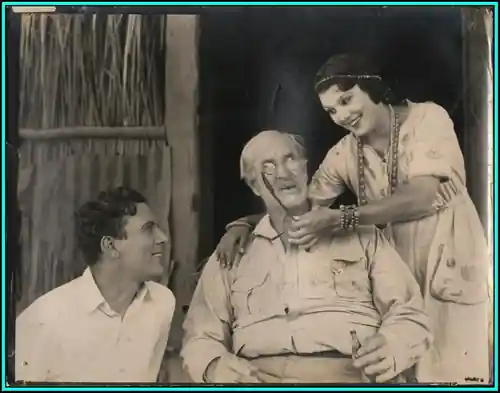
The structural ingenuity of the film lies in its use of Professor Jansen, played with a quiet, scholarly intensity by Alec B. Francis. Jansen is not merely a plot device but a surrogate for the audience’s own desire for foresight. The hypnotic trance he induces serves as the film’s central engine, allowing for a series of 'what-if' tableaus that are rendered with a distinct visual texture. When Hammond envisions his life with Lady Helen Deene, the cinematography adopts a rigid, almost architectural formality. The sets are expansive, cold, and meticulously ordered, reflecting the lack of passion that characterizes their union. In contrast, the sequences involving Rita Pring are imbued with a chaotic, organic energy. The South Seas setting—a common trope of the era seen in works like The Dangerous Paradise—is utilized here not just for exoticism, but as a metaphor for the untamed nature of the human spirit.
What makes this narrative particularly daring for its time is the ambiguity of the climax. In the 'Rita' timeline, the introduction of Jim McLeod (Alan Roscoe) brings a visceral sense of danger. The tension builds toward a gunshot—a moment of pure cinematic suspense that remains unresolved by the Professor. This refusal to provide a tidy, safe outcome for Hammond’s chosen path elevates the film from a simple morality play to a profound philosophical inquiry. It suggests that the value of life is not found in its longevity or its safety, but in the authenticity of the experience. Hammond’s decision to embrace a future where he might die, rather than a future where he is already emotionally dead, is a powerful statement on the human condition.
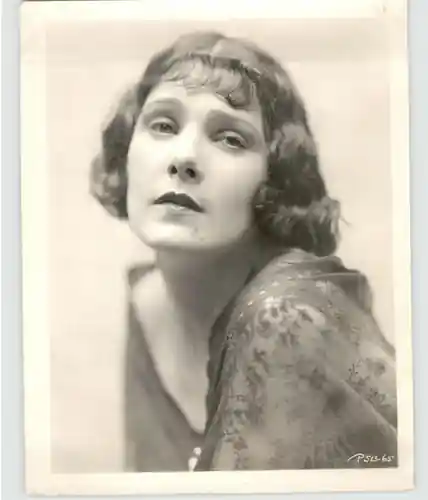
Thomas Meighan was one of the few stars of the early twenties who understood the power of the underplayed moment. In The Man Who Saw Tomorrow, his face becomes a canvas for the internal conflict of a man caught between two worlds. Unlike the exaggerated gestures common in many silent dramas, Meighan relies on his eyes to convey the weight of the visions he beholds. This subtlety is also present in the performance of Leatrice Joy as Rita. Joy brings a groundedness to the role that avoids the 'damsel in distress' cliches, presenting Rita as a woman of substance and resilience. Her chemistry with Meighan provides the necessary emotional anchor that makes the film’s conclusion feel earned rather than merely scripted.
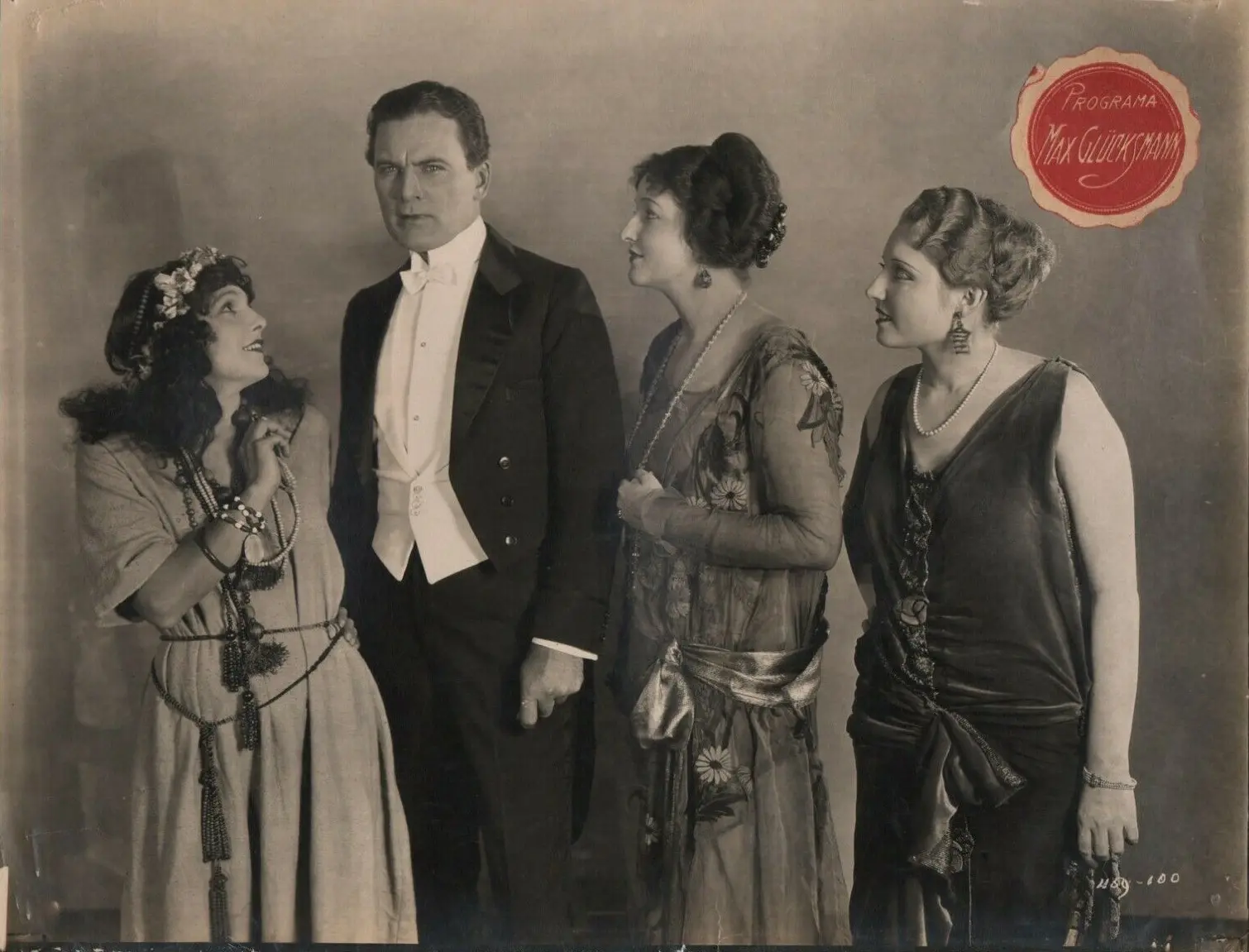
The supporting cast further enriches the tapestry. June Elvidge as Lady Helen Deene provides a fascinating counterpoint to Joy. Her performance is one of cool elegance, capturing the aristocratic detachment that ultimately drives Hammond away. We see echoes of this character dynamic in other contemporary works, such as the social hierarchies explored in The Dutiful Dub, though here the stakes are significantly more existential. The interplay between these three central figures creates a psychological triangle that is far more complex than a standard romantic rivalry.
Visually, the film is a triumph of early 1920s production design. The contrast between the London interiors and the maritime environments is stark and effective. The lighting, particularly during the hypnotic sequences, utilizes shadows to create a dreamlike atmosphere that bridges the gap between reality and premonition. This technique, while not as expressionistic as the German cinema of the same period (like Wenn Tote sprechen), shows a clear understanding of how to use light to manipulate the viewer's emotional state. The way the light catches the waves in the South Seas scenes creates a sense of shimmering possibility, which stands in sharp opposition to the flat, even lighting of the Deene estate.
The editing by Frank Condon and his team is also worth noting. The transitions between the 'real' world and the 'vision' world are seamless, maintaining a narrative flow that prevents the film from feeling episodic. This fluidity is essential for a story that relies so heavily on the concept of parallel lives. It allows the audience to become fully immersed in each potential future, making Hammond’s ultimate choice feel as though it has real, tangible consequences. The pacing is deliberate, allowing the psychological weight of each scene to settle before moving to the next, a trait that sets it apart from the more frenetic adventure films of the time like The Apaches of Paris.
To fully appreciate The Man Who Saw Tomorrow, one must consider the historical context of its release. In 1922, the world was still reeling from the aftermath of the Great War. The idea of being able to see—and perhaps change—one’s future carried a heavy emotional weight for a generation that had seen their world upended by forces beyond their control. Hammond’s struggle to choose his own destiny reflects a broader cultural desire for agency in an uncertain world. The film’s rejection of the 'safe' aristocratic life in favor of a more perilous, love-driven existence can be seen as a critique of the old world order that had led to the global conflict. It champions the individual’s right to seek happiness, even if that path is fraught with danger.
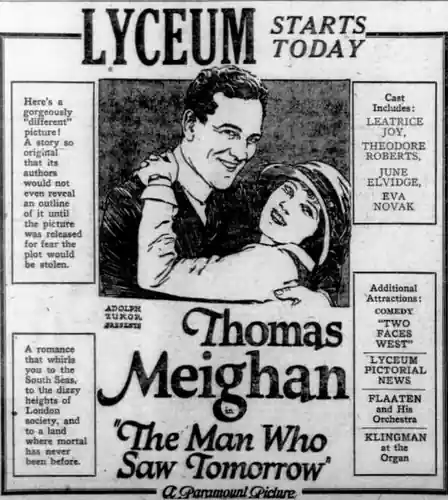
This theme of individual choice versus societal expectation is a recurring motif in the cinema of this era. We see it in the comedic struggles of Easy to Make Money and the moral dilemmas of Gambler's Gold. However, The Man Who Saw Tomorrow approaches this theme with a gravitas that is rarely matched. It doesn't suggest that the right choice is easy, or that it leads to a guaranteed happy ending. Instead, it posits that the only meaningful choice is the one made with open eyes and a full heart.
While many silent films have faded into obscurity, the DNA of The Man Who Saw Tomorrow can be seen in countless modern psychological thrillers and 'sliding doors' narratives. The film’s exploration of the subconscious and its use of non-linear storytelling were ahead of their time. It paved the way for more complex explorations of the human psyche in films like Eyes of the Heart. The character of Professor Jansen, the enigmatic guide through the mind, is a precursor to the psychoanalytic figures that would become staples of cinema in the decades to follow.
The film also serves as a reminder of the power of the silent medium to convey complex philosophical ideas through imagery alone. Without the aid of dialogue, Green and his cast must rely on the visual language of cinema to communicate the nuances of Hammond’s internal struggle. The result is a film that feels remarkably modern in its sensibilities. It challenges the viewer to look inward and consider their own 'tomorrow.' If we were given the chance to see where our paths lead, would we have the courage to choose the one that offers the most love, regardless of the cost? This is the question that The Man Who Saw Tomorrow leaves us with, long after the final frame has flickered out.
In the pantheon of 1920s cinema, this film occupies a unique space. It is less of a spectacle than La Tosca and more introspective than The Vagabond Prince. It is a quiet, thoughtful piece of art that rewards multiple viewings. The restoration of such films is vital, as they provide a window into the soul of an era that was grappling with the very same questions of fate and identity that we face today. Whether it is the maritime grit of Pidgin Island or the urban drama of The Peddler, the cinema of this period was a vibrant, experimental landscape, and The Man Who Saw Tomorrow remains one of its most compelling achievements.
Ultimately, The Man Who Saw Tomorrow is a testament to the enduring power of storytelling. It reminds us that while technology may change, the fundamental human experience—the fear of the unknown, the desire for connection, the weight of responsibility—remains constant. Alfred E. Green’s direction, combined with the stellar performances of Meighan and Joy, creates a cinematic experience that is both intellectually stimulating and emotionally resonant. It is a film that transcends its silent origins to speak directly to the modern heart. For any serious student of cinema or any lover of profound drama, this is an essential piece of film history that deserves to be seen, studied, and celebrated. It is not just a glimpse into the future of a character, but a glimpse into the future of cinema itself—a medium that would go on to explore the deepest recesses of the human mind with the same curiosity and bravery shown by Burke Hammond on his hypnotic journey.
As we look back on this masterpiece from the vantage point of a new century, we can see how it anticipated the narrative complexities of today's prestige television and independent film. It was a pioneer in the use of the subjective camera and the internal monologue, techniques that have since become standard tools in the filmmaker's kit. The Man Who Saw Tomorrow is more than just a relic; it is a living, breathing work of art that continues to challenge and inspire. It is a reminder that the most important visions are not those that show us what will happen, but those that show us who we are.

IMDb 6.1
1928
Community
Log in to comment.