DbcultAccessing Vault...
Cult Review
Senior Film Conservator
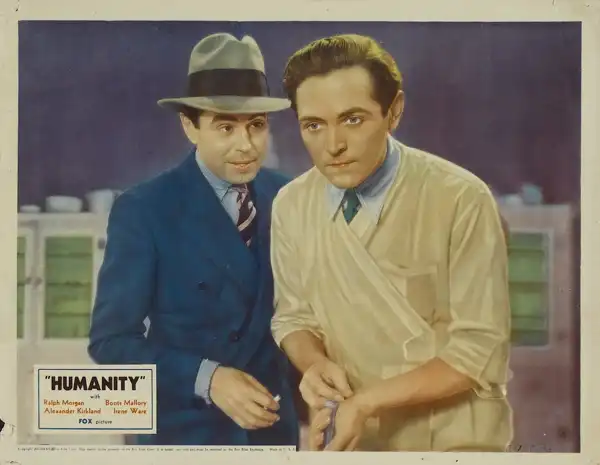
If you're into the kind of melodrama where everyone talks like they’re reading a sermon, you’ll probably find something to chew on here. If you’re allergic to heavy-handed moral lessons or scenes that drag on because someone needed to look sad for a full minute, stay away. It’s definitely a 1930s artifact, through and through.

The whole thing centers on a doctor in the Lower East Side who basically treats his son like a holy vessel. You know the type. He sacrifices everything—his comfort, his meals, probably his own sanity—to ship the boy off to Europe for an education. It’s the ultimate “I did this all for you” guilt trip, and the movie knows exactly how to milk it.
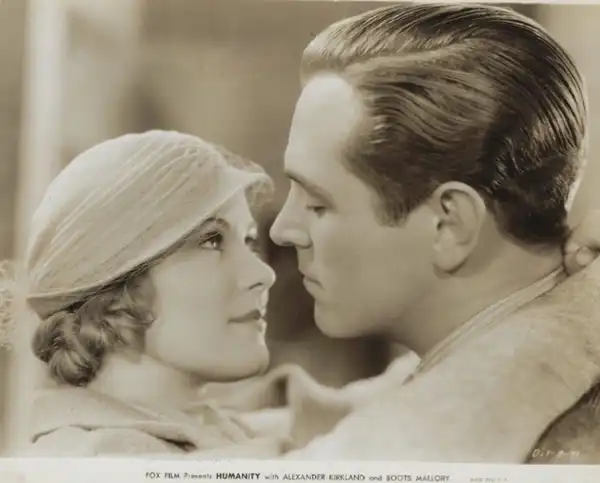
When the son comes back, he’s got a slick attitude and a girlfriend who clearly finds the Lower East Side offensive. It’s almost funny how quickly he pivots from 'devoted medical student' to 'guy who wants to wear fancy suits and ignore the poor.' He wants that Park Avenue practice, and honestly, the movie treats this like he’s joining the mob.
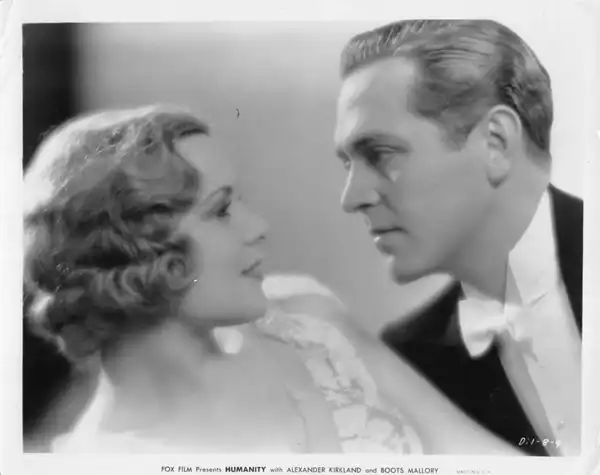
There’s a weird, stiff rhythm to the way they argue. It’s like they’re waiting for the other person to finish their monologue before they can start their own. It’s not quite real life, but it’s got this strange, stage-play energy that doesn't let up.
I couldn't help but compare it to other films of the era like Fatherhood, where the generational tension feels a bit more earned. Here, everything happens because the plot needs a villain, and unfortunately, the villain is just a guy who wants a better paycheck. Is that so wrong? The movie thinks so, and it will keep telling you that for the next hour.
The cinematography is… fine. It’s very 1933. Lots of shadows when things get serious and bright, flat lighting when the rich people are talking about money. It’s functional. Sometimes, a shot lingers on a reaction for about ten seconds too long, and you start wondering if the film reel got stuck.
Anyway, it’s not a masterpiece, but it’s a decent look at how people back then were obsessed with the idea of 'making it.' Just don't expect a nuanced take on the son’s career choices. He’s the bad guy because he doesn't want to work for free. Fair enough, I guess? 🤷♂️
IMDb 6.6
1915
Community
Log in to comment.