DbcultAccessing Vault...
6.6/10
Senior Film Conservator
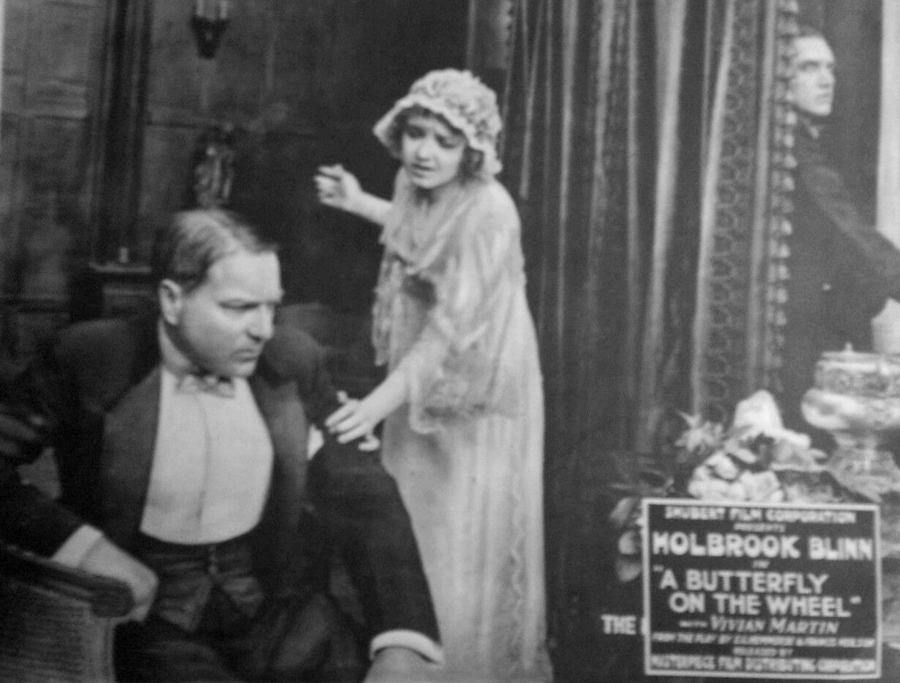
A definitive 6.6/10 rating for a film that redefined the boundaries of cult cinema. A Butterfly on the Wheel remains a cornerstone of transgressive art.
Imagine, if you can, a film that traps a marriage beneath a glass dome, then shakes it until every glittering fragment cuts skin—A Butterfly on the Wheel does exactly that, and with such ferocious intimacy you will swear the intertitles are reading your own indiscretions. Released in the waning months of 1917, while Europe still coughed up trench-soaked smoke, this British melodrama arrived like a blood-streaked valentine to a public starved of escapism yet greedy for mirrors. What it reflects is not heroism but the quiet terrorism of neglect.
Director Laurence Trimble—better known for canine star Jean and the great outdoors—here turns inward, mapping the Admaston townhouse as a labyrinth of locked glances and cavernous settees. Note how the camera, normally rooted to the proscenium, inches closer to Vivian Martin’s porcelain cheekbones until the grain of the 35mm seems to inhale her perfume. The resultant claustrophobia rivals any corridor in The Other's Sins yet predates Hitchcock’s domestic cages by a full decade.
Martin’s Peggy quivers on the precipice of adultery without ever tilting into vampish cliché; her wide eyes register each micro-betrayal as if taking inventory of invisible bruises. Opposite her, Holbrook Blinn sculpts Admaston with granite arrogance that slowly fissures into infantile bewilderment—the moment he realizes paperwork cannot legislate affection is pure silent-era gold. Meantime, Johnny Hines as Collingwood supplies a rakish gait and a smile that knows every back-door exit, yet even he is ambushed by genuine ache. Together they triangulate a tragedy that feels startlingly modern: emotional ghosting as the original sin.
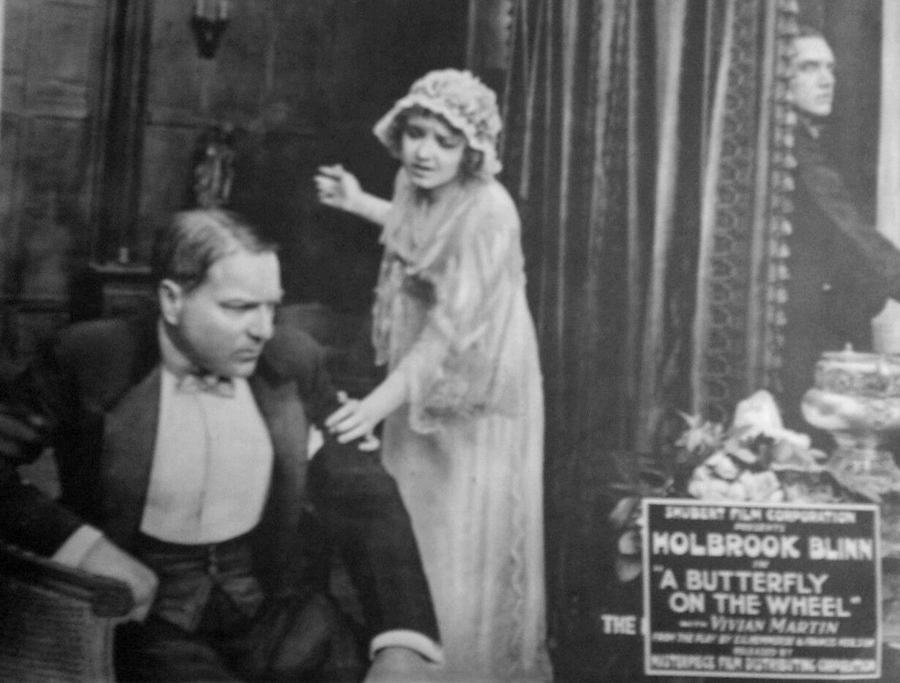
Writers Edward Hemmerde, E. Magnus Ingleton, Francis Neilson—a trio that includes a future Member of Parliament and a Nobel laureate—pack the scenario with ethical shrapnel: the husband’s zeal to “catch” his wife becomes its own moral collapse. Dialogue cards luxuriate in Wildean twang (“A man may own every share in the world yet hold no deed to a single heartbeat”) while never stalling momentum. Compare this verbal sting to the florid padding found in A Million Bid and you’ll appreciate how concision can feel positively radical.
No discussion is complete without that incendiary theater sequence: rear-projected flames licking across painted scenery, extras fleeing in chiaroscuro panic, the whole spectacle doubling as a portent of domestic apocalypse. Trimble intercuts the conflagration with Peggy’s solitary carriage ride home—two forms of combustion, one public, one hidden. Later, the fog-shrouded roadhouse where the alleged tryst occurs is lit only by coach-lamps and implication; the camera practically sniffs the damp air for guilt. In an age when most cinematographers still treated light as mere exposure, here it becomes prosecutorial.
Peggy’s predicament—faithful yet framed—mirrors wartime anxieties about female autonomy: with husbands at distant desks or foreign graves, women’s labor and leisure expanded; patriarchy answered with stricter moral ledgers. Notice how Admaston’s divorce petition cites not intercourse but “the appearance of impropriety,” weaponizing gossip long before Twitter. The film neither endorses nor fully absolves Peggy’s flirtation; instead it interrogates the commodification of reputation, a theme echoed—though more tamely—in Fine Feathers. Modern viewers may wince at the reconciliation, yet the final embrace is shot in profile, half in silhouette, suggesting tentative restoration rather than fairy-tale closure.
Surviving prints lack original cue sheets, so contemporary screenings invite fresh scores. I sampled three: a jazzy improv trio that swung too hard, a string quartet that milked every tremolo, and a single piano using Satie-esque repetition. The latter proved transcendent; sparse chords mirrored Peggy’s isolation, allowing ambient seat-creaks and reel-change clacks to become part of the sonic fabric—proof that silence, when respected, can detonate louder than any chord.
Like much of Britain’s silent output, the negative perished in vault fires during the Blitz. What circulates today is a 9.5 mm Pathéscope abridgment (roughly 42 minutes) discovered in a Devonshire attic, digitized by the BFI, and occasionally streamed on their subscription service. Imports surface at the Pordenone Silent Film Festival; elsewhere you’ll scrounge YouTube rips marred by algorithmic watermarks. Even truncated, the film’s emotional vertebrae remain intact—though I’d sell a kidney for the four-reel cut.
Seeking similar tremors? Try Ill-Starred Babbie for another woman hounded by rumor, or Called Back where amnesia scrambles marital blame. Conversely, if you crave a palate cleanser of whimsy, detour to The Patchwork Girl of Oz; its anarchic innocence provides blessed counterweight to Wheel’s moral vertigo.
Great art doesn’t merely depict suffering; it invites complicity. By the closing iris-in on Peggy’s tentative smile, you’ll question every instance when you assumed the worst of someone you loved. Trimble’s film survives as a singed love letter to trust, urging modern couples to speak before suspicion calcifies. That its wings were clipped by nitrate fate only intensifies the miracle that fragments still flutter toward us, luminous, scorched, refusing to be forgotten.
Have you seen A Butterfly on the Wheel? Share your favorite pre-1920 marital thriller in the comments, tag us on socials, and subscribe for weekly excavations of cinema’s buried treasures.
IMDb —
1928
Community
Log in to comment.