DbcultAccessing Vault...
5.5/10
Senior Film Conservator
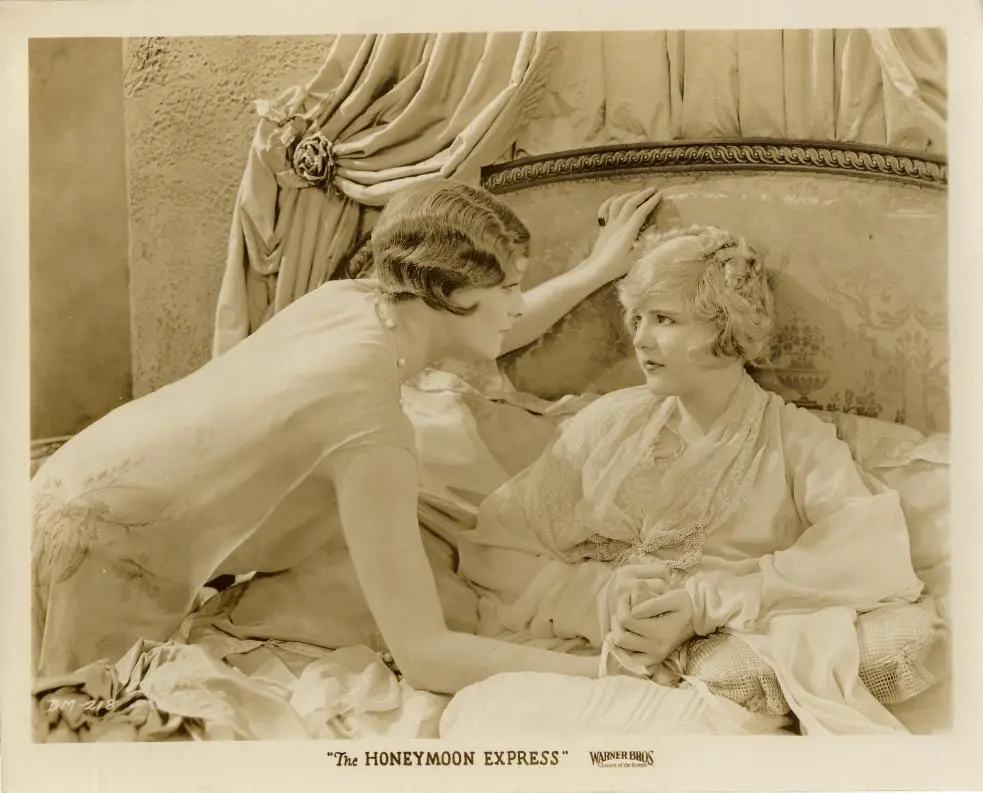
A definitive 5.5/10 rating for a film that redefined the boundaries of cult cinema. The Honeymoon Express remains a cornerstone of transgressive art.
Is The Honeymoon Express worth your time today? Short answer: Yes, but primarily as a sharp-edged character study of 1920s gender politics rather than a standard romance. This film is for viewers who appreciate the nuance of silent-era acting and the 'transformation' trope; it is not for those who demand a high-speed plot or a likable protagonist.
This film works because...
Irene Rich delivers a performance of quiet dignity that makes the wife's eventual transformation feel like a psychological breakthrough rather than a mere costume change.
This film fails because...
The husband’s eventual 'coming to his senses' feels less like a moral awakening and more like a reaction to his wife finally becoming a status symbol he can brag about.
You should watch it if...
You are fascinated by how the 1920s cinema handled the 'New Woman' archetype and want to see Mary O'Hara’s early narrative fingerprints before she became a literary icon.
The Honeymoon Express is a solid, middle-of-the-road silent drama that succeeds through its lead performance. While the plot relies on familiar melodramatic beats, the execution is polished. It provides a fascinating look at the mid-1920s obsession with marital stability and the burgeoning independence of women. For fans of the era, it is a rewarding experience that offers more depth than the typical 'cheating husband' narrative of the time.
The Honeymoon Express arrives at a pivotal moment in film history. By 1926, the silent film had reached a level of technical and emotional sophistication that was about to be disrupted by the advent of sound. This film, written by the legendary Mary O'Hara, captures the zeitgeist of a society caught between Victorian values and the hedonism of the Jazz Age. The husband, played with a frustratingly accurate sense of entitlement by John Patrick, represents the post-war man: restless, easily bored, and fundamentally selfish.
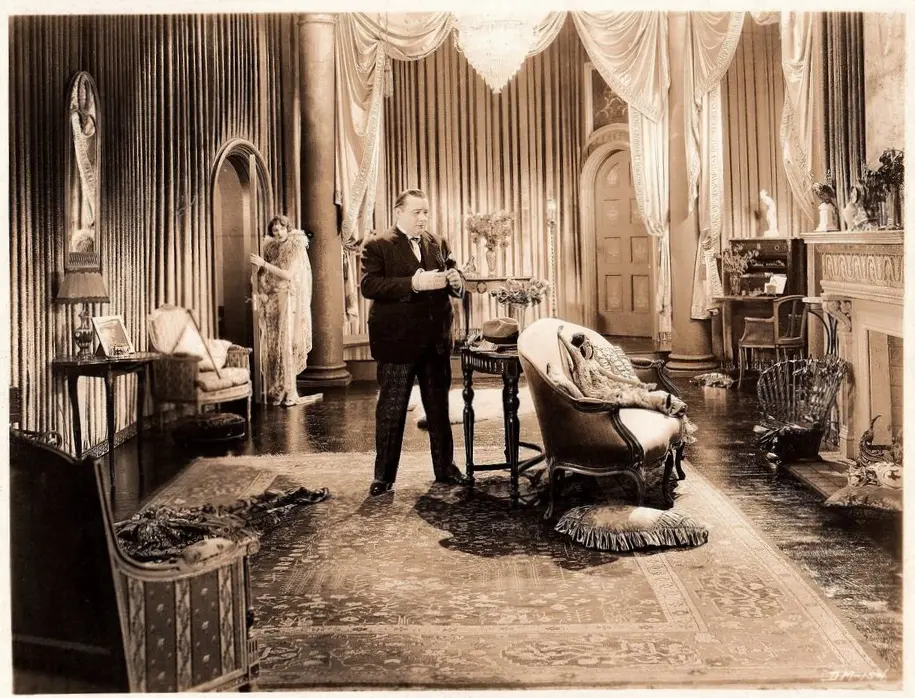
The film opens with a domesticity that feels suffocating. The lighting is flat, the blocking is static, and Irene Rich’s character is framed within the confines of doorways and windows. It’s a visual metaphor for her entrapment. When the husband wanders, the film doesn't shy away from the cruelty of his neglect. Unlike the more whimsical approach to infidelity seen in Cheap Kisses, this movie feels grounded in a more bitter reality. There is a specific scene where the husband returns home late, smelling of perfume and lies, and the way Rich looks at him—not with anger, but with a weary, soul-crushing realization—is a masterclass in silent acting.
The second act of the film is where the 'Express' of the title truly picks up speed. Once the wife decides to leave, the visual language of the film shifts. The lighting becomes more high-contrast, utilizing the glamour lighting that would define the coming decades of Hollywood. Irene Rich sheds the apron and the dowdy hair, emerging as a woman of the world. This isn't just about a new dress; it's about her posture. She stands taller. She occupies the center of the frame. She becomes the protagonist of her own life rather than a supporting character in her husband's.
This transformation serves as a sharp critique of the male gaze. The husband only becomes interested in his wife again when she is desired by other men. It is a cynical, yet honest, observation of human nature. The film argues that value is often perceived through the lens of competition. In this way, it shares a thematic DNA with films like Annie-for-Spite, where character worth is redefined through social elevation. However, The Honeymoon Express is darker because it deals with the debris of a broken marriage rather than the hope of a new beginning.
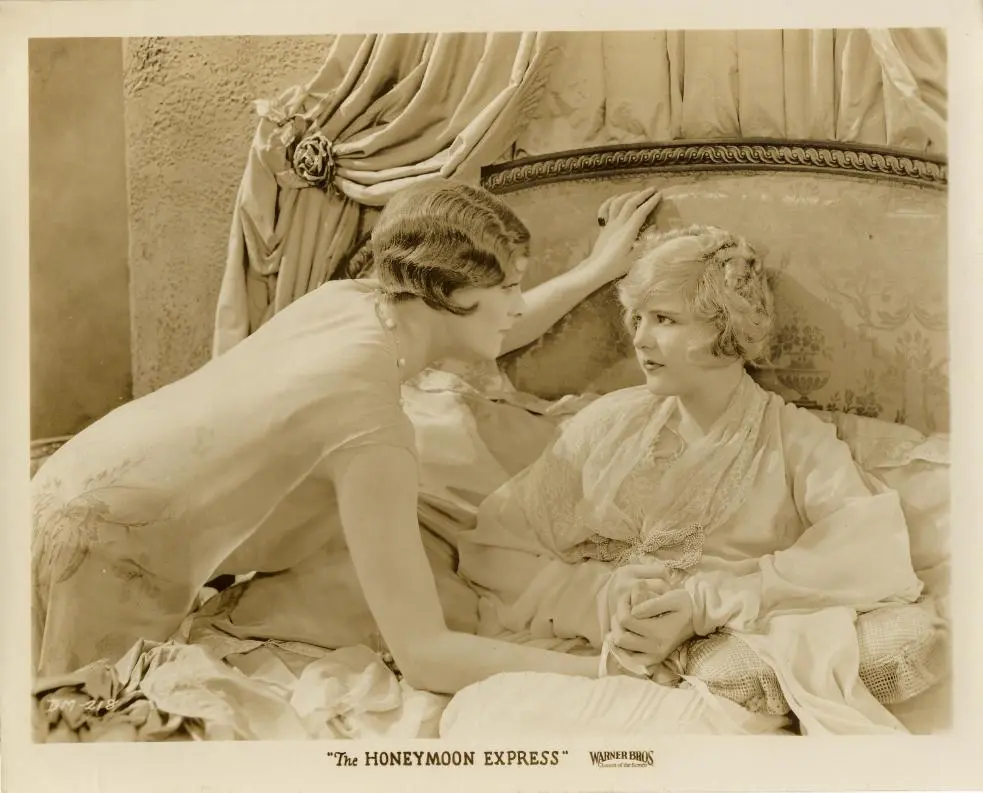
The direction by James Flood is efficient, if not revolutionary. He understands the importance of the close-up in a film that relies so heavily on internal emotional shifts. The pacing is deliberate. It takes its time establishing the misery of the marriage so that the payoff of the wife's independence feels earned. There is a sequence involving a social gathering where the husband sees his 'new' wife for the first time that is edited with a rhythmic tension that mirrors his racing heart. The use of title cards is sparse, allowing the physical performances to carry the narrative weight.
The cinematography captures the opulence of the 1920s without becoming a distraction. We see the contrast between the dusty, quiet home and the shimmering, loud social clubs. This contrast is vital. It represents the choice the characters have to make: the comfort of the known or the danger of the new. While it may not have the surrealist ambition of Mystic Faces, it possesses a sturdy, professional quality that was the hallmark of Warner Bros. in this era.
Helene Costello provides a necessary foil to Irene Rich. While Rich is the emotional anchor, Costello represents the 'glamour' that the husband thinks he wants. The interplay between these two types of femininity is one of the film's most interesting aspects. It highlights the impossible standards placed on women of the time: be the perfect, invisible homemaker, but also be the dazzling, unattainable socialite. It is a trap, and the film knows it.
Furthermore, the presence of actors like Harold Goodwin and Willard Louis adds a layer of professional polish to the production. These were seasoned performers who knew how to fill a frame without overacting—a common pitfall of the silent era. When compared to the more experimental or low-budget efforts like Trapped in the Air, The Honeymoon Express feels like a prestige product. It was designed to appeal to a broad audience while still delivering a poignant message about the state of the modern home.
Pros:
Cons:
The Honeymoon Express is a fascinating relic that still has something to say. It works. But it’s flawed. The film’s greatest strength is its refusal to let the husband off the hook too easily, even if the final resolution leans toward traditionalism. It is a much more complex film than its title suggests. It isn't a lighthearted romp; it’s a surgical examination of what happens when a man realizes he has traded a diamond for a rhinestone.
"A stinging rebuke to the philandering husband, wrapped in the shimmering silk of a 1920s transformation story. Irene Rich is nothing short of magnetic."
In the pantheon of 1926 releases, it may not have the legendary status of some of its contemporaries, but it remains a vital piece of the puzzle. It shows a film industry grappling with the changing roles of women in real time. If you’ve seen Sold at Auction and enjoyed the social commentary, this is a natural next step. It is a film of shadows and light, both in its cinematography and its morality. Ultimately, The Honeymoon Express is a journey worth taking, provided you’re prepared for a few bumps along the way.
IMDb —
1926
Community
Log in to comment.