DbcultAccessing Vault...
Cult Review
Senior Film Conservator
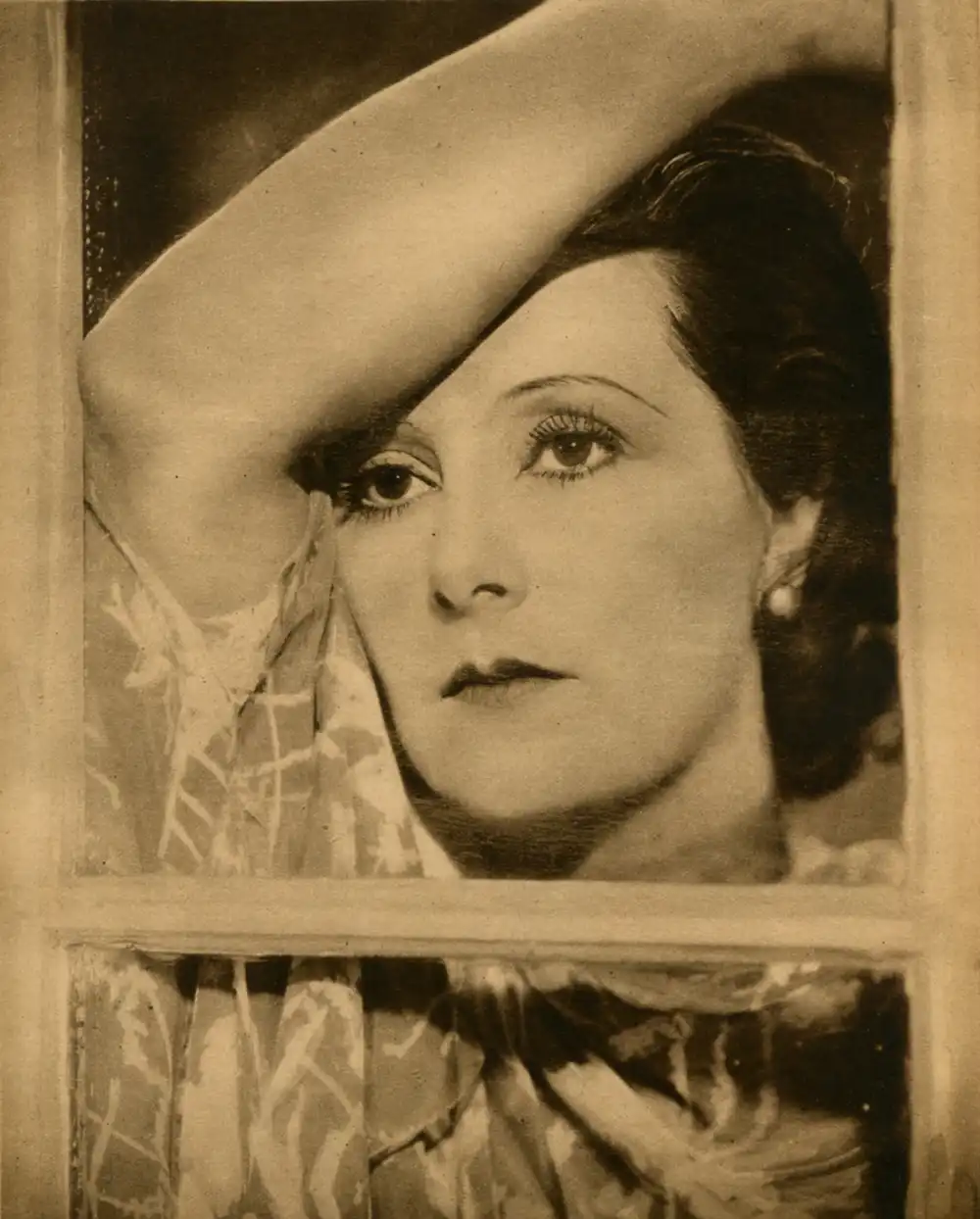
If you have a soft spot for those dusty, flickering dramas from the late 20s, then yeah, give it a go. It is perfect for a rainy Sunday when you don't want to think too hard.
But if you need things to blow up or people to talk fast, you will probably hate this one. It moves at the speed of cold honey.
The movie is called Hungarian Nights, which sounds like it should be about vampires or parties. It is actually mostly about people looking sad in very nice rooms.
We have got a cast of heavy hitters for the time. Lil Dagover is here, and she basically invented the 'intense stare' in movies like The Living Corpse.
She has this way of tilting her head that makes everything feel ten times more serious than it actually is. It is pretty impressive to watch even now.
The story involves a musician and a lot of romantic tension. There is a lot of violin playing. Like, a lot.
Sometimes the movie feels like it is just an excuse to show off the costumes. The hats in this movie are absolutely wild.
One lady wears a hat that looks like a small architectural project. I spent five minutes just wondering how she kept her neck straight.
The scenery is supposed to be Hungary, but you can tell it’s all studio work. It has that very clean, slightly fake look of German sets from 1929.
There is a scene near the middle where the lighting hits the smoke in a room. It is probably the most beautiful thing in the whole movie.
It reminded me a bit of the vibe in Destiny's Toy, but way more European. The drama feels heavier, even if the plot is actually pretty thin.
Veit Harlan is in this too, acting instead of directing. He has a very expressive face, though sometimes he looks like he’s trying to remember if he left the stove on.
The pacing is where things get a bit tricky. Some scenes just... hang there.
You keep waiting for someone to do something, but they just keep looking at the violin. Or the window. Or each other.
It is not a 'bad' movie by any means. It just feels very much like a product of its time, right before everything changed with sound.
I noticed a small scratch on the print I watched during a close-up of Trude Berliner. It actually added a bit of character to the scene, like the movie was showing its age with pride.
If you've seen Day Dreams, you know how these silent melodramas can get. They go big on the emotions because they can't use words.
Sometimes the hand gestures are a bit much. A simple 'hello' looks like someone is trying to land a plane.
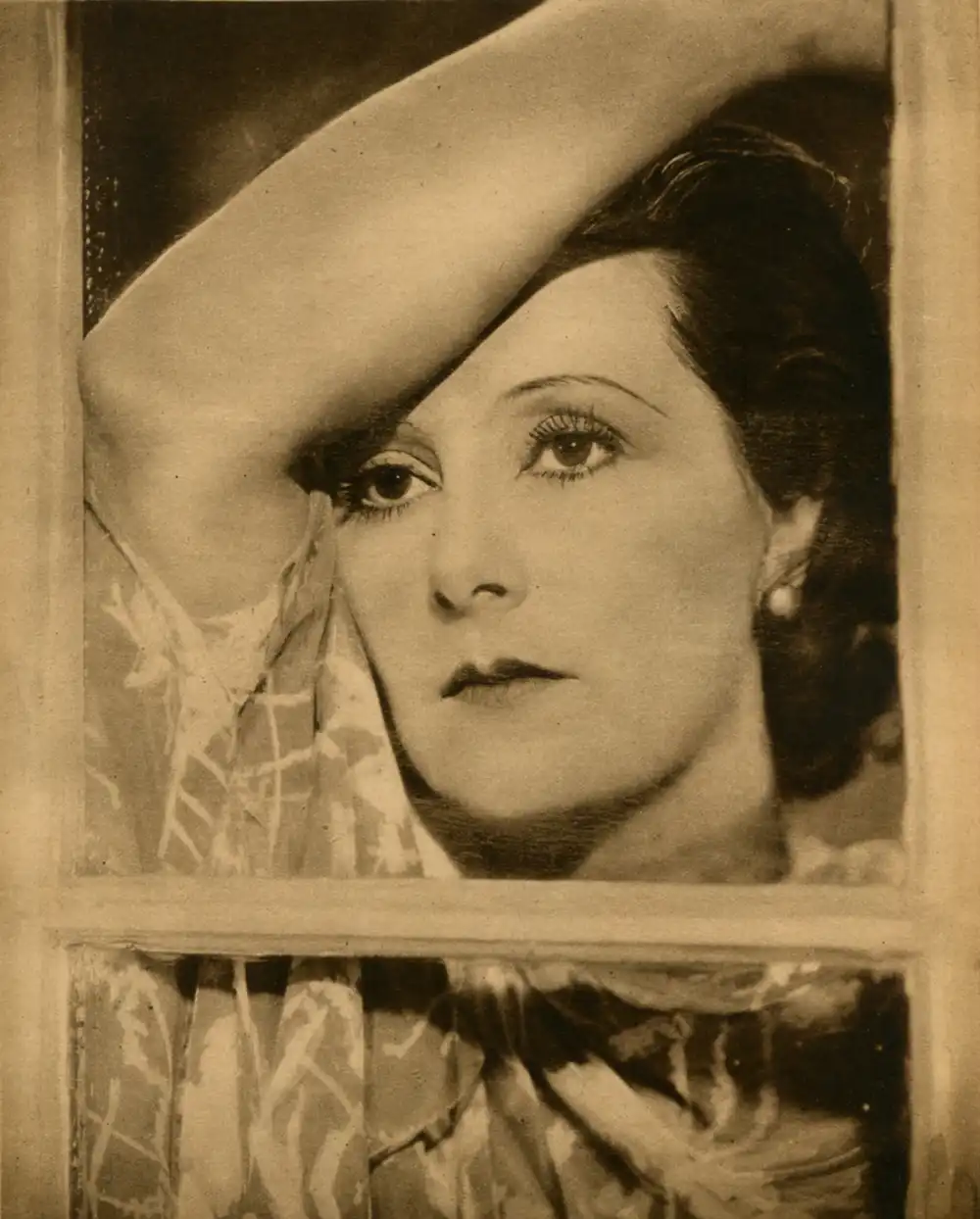
But that is the charm of it, right? It’s a different language of acting.
The writer, Franz Rauch, seems to love a good tragic twist. You can see the 'sad part' coming from about three miles away.
There is a sequence at a party that goes on way too long. The extras in the background look like they are having a much better time than the main characters.
I found myself watching a guy in the corner of the screen just eating bread. He was very committed to that bread.
It’s funny how your eyes wander when the main plot slows down. You start noticing the wallpaper and the way the shadows fall on the floor.
The movie doesn't have the weird energy of something like Ballet mécanique. It is very traditional and safe.
I think the director wanted us to feel the 'soul' of the music. It’s hard to do that in a silent film, but they try their best with the editing.
The shots of the violin strings are cut in a way that feels rhythmic. It’s a nice touch that almost makes you hear the sound.
I would say it’s a better watch than Cracked Ice if you want something with a bit more meat on the bones. But it’s not exactly a masterpiece.
It is more like a nice piece of furniture. It looks good in the room, but you don't necessarily need to talk about it all day.
One reaction shot of Harry Hardt lingers so long it becomes funny. He just keeps getting sadder and sadder until the scene finally fades out.
I wonder if the actors got tired of holding those poses. They must have had very strong facial muscles back then.
The ending is... well, it is an ending. It doesn't really wrap everything up in a neat bow, which I actually liked.
Real life is messy, and even in a 1929 movie, it’s nice when things don't perfectly align. Life isn't a script, after all.
If you are exploring the late silent era, this is a solid 'B-side'. It won't change your life, but it won't ruin your night either.
It’s got that moody, European atmosphere that you just don't get in modern films. Everything feels heavy and important.
Just make sure you have some snacks. You'll need them during the long violin bits.
I’m glad I watched it, mostly for the visuals. The way they used light back then was just different—more like painting than filming.
Anyway, it’s a decent flick. Check it out if you’re in the mood for some old-school yearning.
IMDb —
1928
Community
Log in to comment.