DbcultAccessing Vault...
Cult Review
Senior Film Conservator
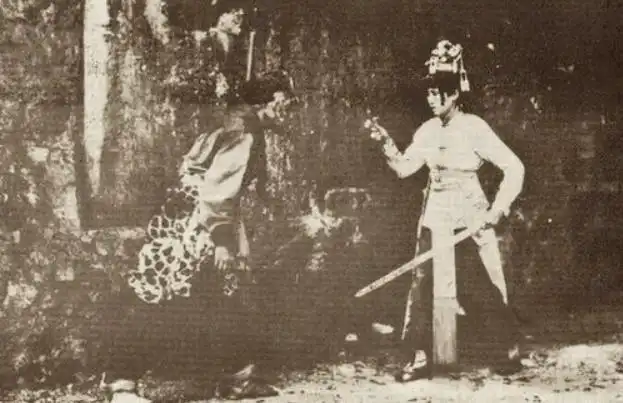
Alright, let's talk about Huoyanshan. Or rather, let's talk about the idea of it, because this one? It's gone. Poof. Vanished. So, if you’re hoping to kick back and watch a classic Chinese silent film this weekend, well, you’re out of luck. This one’s for the history buffs, the curious souls who wonder about the roots of cinematic storytelling, or anyone fascinated by how some art just slips away. If you need something tangible to watch, you’ll probably find this whole discussion a bit frustrating.
It’s a real shame, honestly. The plot itself sounds amazing, right? The Monkey King, trying to snag a magic fan from Princess Iron Fan to douse the Flaming Mountains. That's pure adventure stuff. Just imagining how they pulled off flaming mountains and flying monkeys in a silent film from that era... it sparks the imagination. 🐒🔥
The core story, drawn from "Journey to the West," is just *so* rich. You've got this incredible, often goofy, hero in the Monkey King, up against a powerful, sometimes sassy, princess. It's a formula that just works, generation after generation.
Think about it: a silent film trying to capture all that fantastical energy. The actors must have really leaned into their physical performances, big gestures, exaggerated expressions. It's a different kind of acting, totally. And the special effects? Probably simple, maybe clever wirework or some very basic optical tricks. We can only guess, can’t we?
It’s especially significant because this lost film inspired the later, well-known animation, Princess Iron Fan (1941). That’s not a small thing. A lost silent movie literally laid some groundwork for a major animated feature that pushed boundaries for its time. It makes you wonder what subtle bits, what unique touches, carried over.
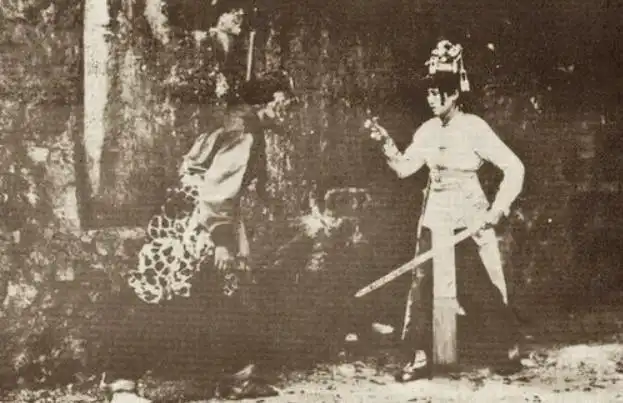
It’s almost like a ghost in the machine, this film. You can’t see it, but its presence is felt in what came after. It’s a reminder that not all art gets preserved, and some important pieces just... *disappear*.
I find myself thinking about the audience of the time. What was it like for them to see this epic story unfold on screen? Did the silent pacing make the journey feel even more vast? Or maybe the lack of sound allowed their own minds to fill in the gaps, creating a more personal experience of the adventure. It’s a romantic idea, I guess.
It's easy to dismiss a lost film as just 'lost,' but something like Huoyanshan really sticks with you. It’s not just a title on a list; it’s a missing piece of cultural history. A silent echo of a beloved story. And that, I think, makes it pretty special, even if we can't ever actually watch it. There's a certain melancholy beauty to it, isn't there?
You know, for a long time I thought all the old movies were just stored somewhere, safe. But the reality, especially for silent films from places like China, is just so much messier. A lot of incredible work just didn't make it. It's a thought that kinda lingers. Makes you appreciate what *has* survived even more.
So, while you can't really 'review' the film itself, the story behind its existence, and its disappearance, that's a whole other kind of narrative. One that says a lot about cinema's fragile beginnings.
A true shame we’ll never get to see Guilin Wang or Jingling Hong bring these characters to life. Imagine the costumes! The sets! A lost treasure, truly. 💔
IMDb —
1932
Community
Log in to comment.