DbcultAccessing Vault...
6.8/10
Senior Film Conservator
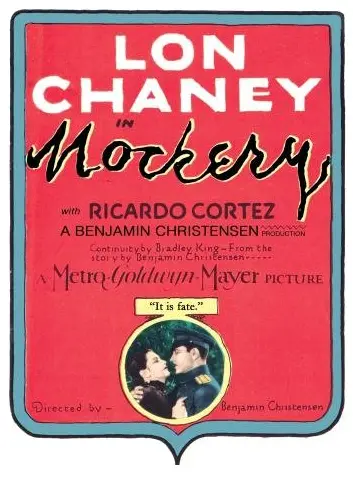
A definitive 6.8/10 rating for a film that redefined the boundaries of cult cinema. Mockery remains a cornerstone of transgressive art.
Is 'Mockery' worth watching today? Short answer: yes, absolutely, but with significant caveats. This 1927 silent drama is a powerful, often unsettling experience that showcases the raw, unadulterated genius of Lon Chaney, but its grim subject matter and deliberate pacing mean it’s not a film for everyone. It is an essential viewing for those fascinated by the psychological depths silent cinema could plumb and the societal anxieties of its era, particularly fans of historical dramas with a dark, expressionistic edge. However, if you prefer fast-paced narratives or shy away from bleak, character-driven studies centered on mental illness and obsession, 'Mockery' will likely test your patience.
From its opening frames, 'Mockery', directed by Benjamin Christensen, immerses the viewer in a world turned upside down. The Russian Revolution is not merely a backdrop; it is a character, a relentless force that strips away civility and exposes the rawest forms of human desire and desperation. The film’s narrative follows a mentally challenged peasant who, in a moment of chaotic uprising, saves a beautiful countess. This act, born of simple instinct, blossoms into a disturbing obsession that forms the core of the film's psychological horror.
This isn't a sweeping historical epic. Instead, Christensen and his writers (Benjamin Christensen, Joseph Farnham, Bradley King, and Stig Esbern) opt for an intimate, character-driven tragedy, using the grand canvas of revolution to magnify individual suffering. The contrast between the peasant’s naive devotion and the countess’s desperate plight creates a tension that is both heartbreaking and deeply uncomfortable.
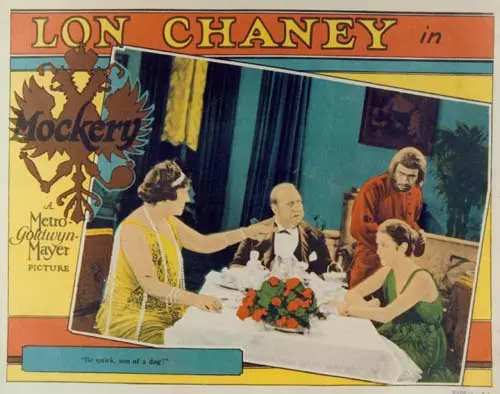
This film works because of Lon Chaney’s transformative performance, which anchors the entire narrative with a disturbing authenticity. His portrayal of the mentally challenged peasant is a masterclass in silent acting, conveying a complex inner world without a single spoken word. The film also excels in its unflinching portrayal of the Russian Revolution’s chaotic backdrop, lending a stark, almost documentary-like realism to its melodrama.
This film fails because its relentless bleakness and slow, methodical pacing can feel arduous to a modern audience. The narrative, while psychologically rich, lacks the dynamic shifts and structural innovations that might make it more accessible. Its thematic exploration of obsession, while profound, occasionally verges on the repetitive, testing the viewer’s endurance.
You should watch it if you are a devoted student of silent cinema, a fan of Lon Chaney, or someone who appreciates psychological dramas that don't shy away from the darker aspects of human nature and societal collapse. It’s a challenging watch, but one that rewards patience with profound insights into character and historical context.
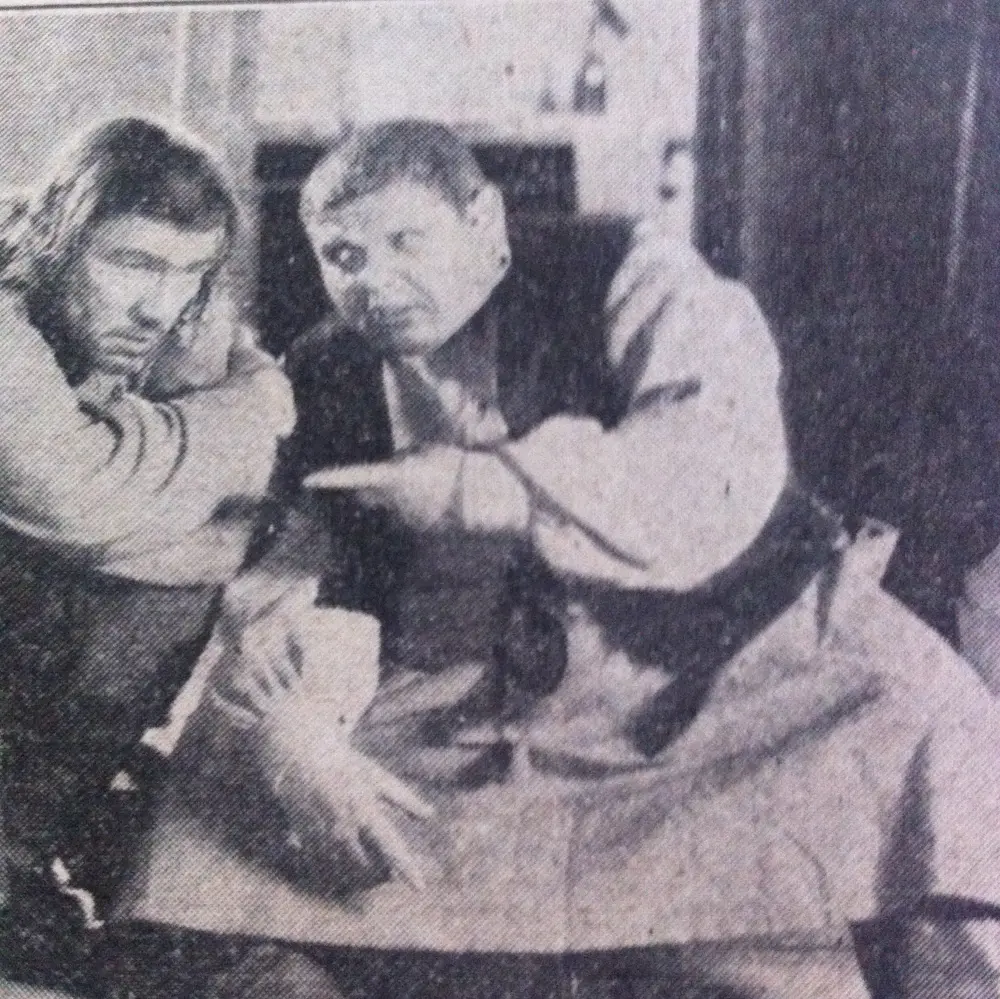
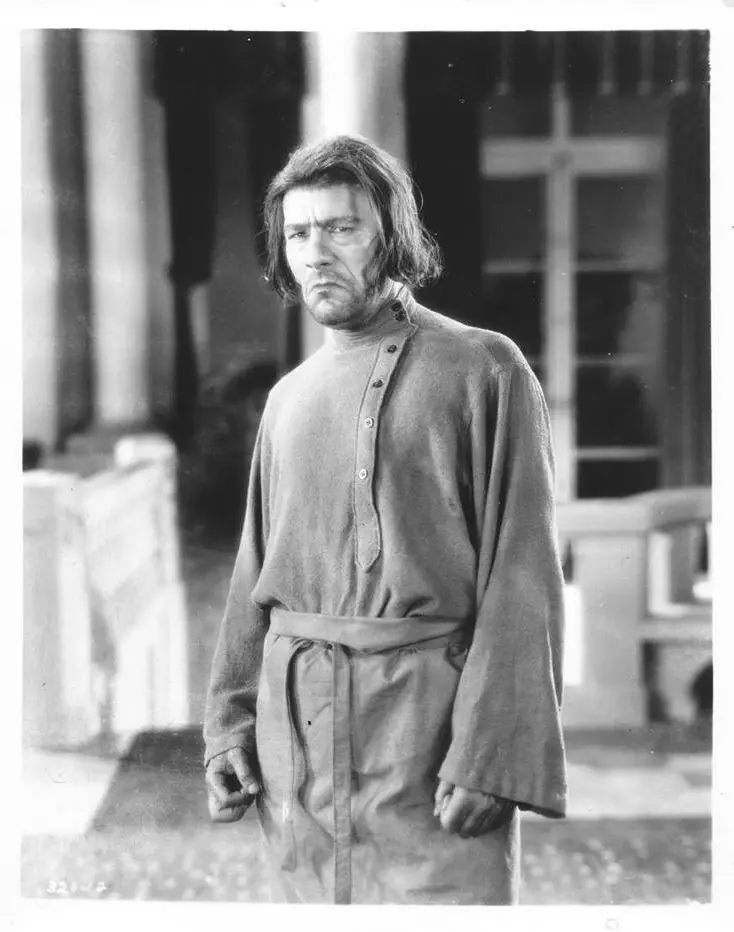
To discuss 'Mockery' without immediately elevating Lon Chaney's performance would be an oversight. Often dubbed 'The Man of a Thousand Faces,' Chaney here delivers a portrayal that is less about elaborate makeup and more about raw, physical embodiment. His peasant character, born of hardship and simple intellect, is a creature of pure instinct. Chaney conveys the character's mental state with incredible subtlety and power, using his entire body – the slumped shoulders, the wide, unblinking eyes, the hesitant, shuffling gait – to communicate a profound sense of vulnerability and burgeoning, misguided possessiveness.
Consider the scenes where he first interacts with Barbara Bedford's Countess Tatiana. There's a delicate balance Chaney strikes: the genuine desire to protect, mixed with a growing, almost childlike, misunderstanding of social boundaries and personal autonomy. It's a performance that could easily have veered into caricature, yet Chaney grounds it in a deeply human, albeit tragic, reality. He doesn't ask for sympathy, but rather compels a complex mixture of pity, fear, and even a strange admiration for his character's single-minded devotion.
His physicality is startling. He contorts his body, not for grotesque effect as in his more famous roles, but to portray a mind and body not fully in sync with the world. This is not the grand theatricality of his Phantom, but a more internalized, unsettling performance. It's a testament to his range that he could embody such disparate characters with equal conviction. The scene where he first claims the Countess, not with malice but with a bewildering sense of rightful ownership, is a masterclass in non-verbal communication, articulating a possessive love that is both innocent and terrifying.
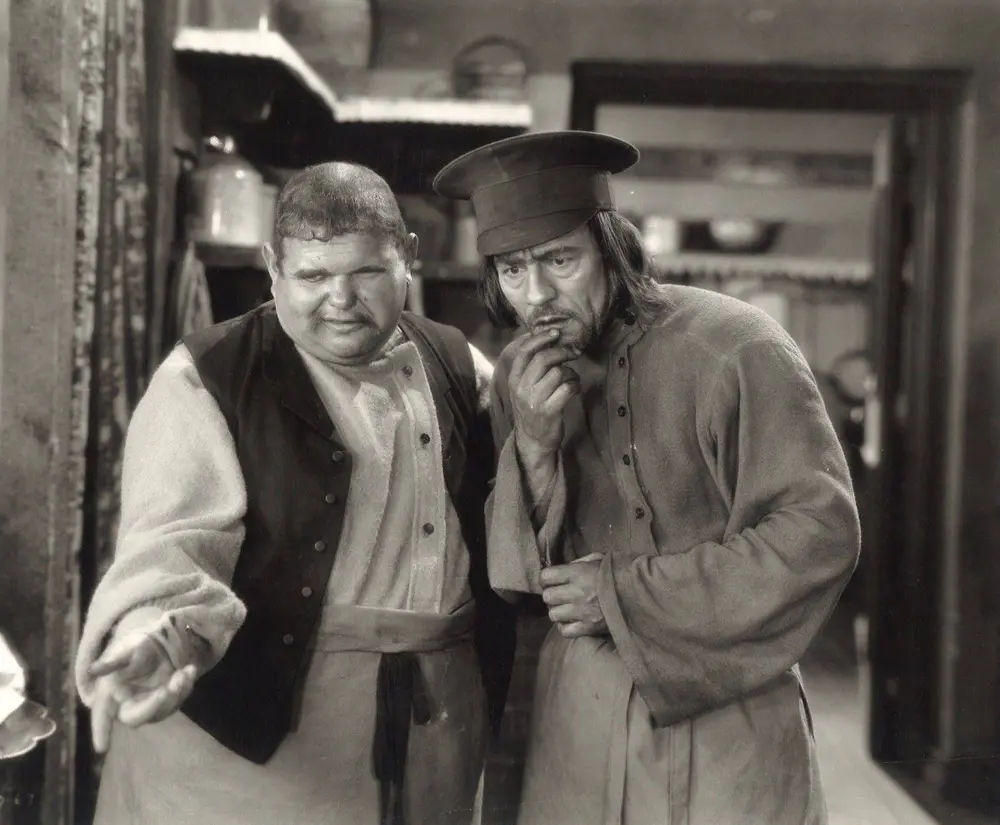
Barbara Bedford, as Countess Tatiana, provides a compelling counterpart. Her performance is one of aristocratic grace fractured by terror and desperation. She expertly navigates the fine line between revulsion and a dawning, complex understanding of her strange protector. Her silent screams and desperate pleas for freedom are palpable, creating a powerful emotional anchor against Chaney's unsettling presence. Emily Fitzroy, as the elderly servant, also adds a layer of weary resignation, embodying the plight of the old guard caught in the revolutionary tide.
Benjamin Christensen, a director known for his atmospheric and often dark works like Häxan, brings a distinct visual style to 'Mockery'. The cinematography is drenched in the expressionistic shadows characteristic of the era, effectively conveying the grim reality of the revolution. Low-key lighting creates deep contrasts, emphasizing the moral ambiguities and the pervasive sense of dread. The world of the film is not just visually dark; it feels morally murky, reflecting the breakdown of societal norms.
Christensen’s direction is methodical, allowing scenes to unfold with a deliberate, almost observational quality. He uses close-ups sparingly but effectively, often focusing on Chaney's expressive face to convey the peasant's internal turmoil. The wide shots of the revolutionary mobs, though perhaps less grand than those in later epics, are effective in establishing the scale of the chaos and the individual's insignificance within it. The camera often feels like an unseen observer, documenting the slow decay of hope and the rise of raw human instinct.
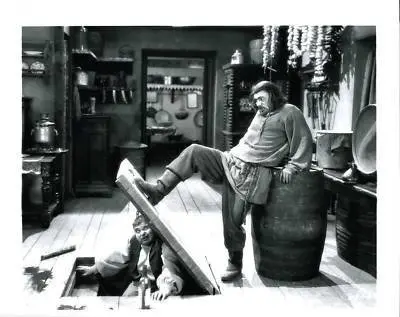
One striking aspect is the use of stark visual metaphors. The dilapidated grand estates, once symbols of wealth and power, now stand as hollow shells, mirroring the countess's own fallen status. The peasant's humble, almost animalistic dwelling contrasts sharply with Tatiana's former elegance, highlighting the vast social chasm that the revolution has, paradoxically, both erased and deepened in its own twisted way. The film's visual language is consistently bleak, eschewing any moments of true levity or beauty, which some viewers might find relentless.
The pacing of 'Mockery' is undeniably a product of its time. Silent films often relied on a more deliberate rhythm, allowing audiences to absorb the visual storytelling and the emotional nuances conveyed through acting and intertitles. Here, this methodical approach serves to build a suffocating sense of psychological tension. The obsession of the peasant doesn't explode onto the screen; it simmers, slowly consuming both him and the countess. This slow burn can be challenging for those accustomed to modern narrative speeds.
Intertitles are used judiciously, providing necessary exposition or inner thoughts, but the bulk of the storytelling relies on the actors’ expressions and physical performances. This demands a heightened level of engagement from the viewer, an active participation in deciphering the unspoken. While this can be incredibly rewarding, it also means that any lapse in attention can lead to a disconnect from the narrative's emotional core. There are moments where the repetition of the peasant’s possessive gestures or the countess’s desperate attempts at escape might feel drawn out, almost to the point of exhaustion.
However, this perceived slowness is also a strength. It forces the audience to confront the difficult themes head-on, without the distraction of rapid-fire plot developments. The cumulative effect of the film's deliberate pacing is a profound sense of despair and the inescapable nature of the characters' fates. It works. But it’s flawed. The narrative arc, while clear, lacks the dynamic shifts one might expect from a more contemporary drama, making it a test of endurance for some.
'Mockery' is a deep dive into the destructive nature of obsession, particularly when it's born from a place of ignorance and desperation. The peasant's 'love' for the countess is not love in the conventional sense; it's a primal need for an object, a symbol of beauty and status he can possess in a world where he has nothing. This twisted affection becomes a prison for both characters, highlighting how even an act of salvation can lead to profound subjugation.
Beyond the individual psychological drama, the film offers a piercing commentary on class and power during a time of radical upheaval. The countess, once at the apex of society, is stripped of everything and made utterly dependent on a man from the lowest rung. This reversal of fortunes is not presented as triumphant justice, but as a cruel irony, demonstrating that revolution often merely shifts the locus of power, rather than eradicating its abuses. The film suggests that human nature, with its inherent desires for control and belonging, remains constant, regardless of political upheaval.
An unconventional observation is how the film subtly critiques the very notion of 'saving' someone without understanding their agency. The peasant's act of heroism, while initially noble, quickly devolves into a paternalistic, almost dehumanizing control, revealing the darker side of misplaced devotion. It’s a chilling reminder that intentions, however pure, can have devastating consequences when divorced from empathy and understanding. The film is surprisingly nuanced in this aspect, refusing to paint its characters in simple black and white, even amidst its stark visual palette.
"The true horror of 'Mockery' lies not just in the external chaos of revolution, but in the internal disintegration of human connection when power dynamics are brutally inverted and love becomes a form of imprisonment."
Yes, 'Mockery' is absolutely worth watching today, especially for those with a keen interest in silent cinema and the history of psychological drama. It stands as a powerful testament to Lon Chaney's unparalleled talent and Benjamin Christensen's skillful direction in crafting a deeply unsettling atmosphere. Its themes of obsession, class struggle, and the fragility of human connection remain profoundly relevant.
However, be prepared for a challenging viewing experience. The film's bleak tone and deliberate pacing require patience and an appreciation for the nuances of silent storytelling. It’s not a casual watch, but a film that demands engagement and rewards it with a haunting, memorable narrative. It’s a significant piece of cinematic history that offers a unique lens into a tumultuous period and the dark corners of the human psyche.
'Mockery' is a challenging, yet profoundly rewarding silent film. Its power lies in its unflinching portrayal of human desperation and the terrifying nature of obsession, amplified by Lon Chaney's extraordinary performance. While its pacing and grim tone demand patience, the film offers a unique and haunting experience that resonates long after the credits roll. It’s a vital piece of cinematic history, perhaps not for every palate, but undeniably significant for its artistic merit and enduring psychological depth. Highly recommended for the discerning cinephile.
IMDb 6.5
1933
Community
Log in to comment.