DbcultAccessing Vault...
6.5/10
Senior Film Conservator
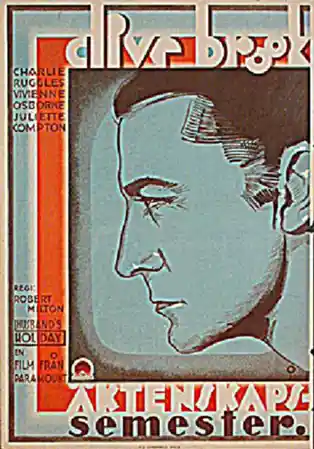
A definitive 6.5/10 rating for a film that redefined the boundaries of cult cinema. Husband's Holiday remains a cornerstone of transgressive art.
Alright, so Husband's Holiday. Is it worth tracking down today? Yeah, for a specific crowd. If you like your early 30s dramas with a healthy dose of marital mess and no easy answers, you’ll probably find something to chew on here. Anyone expecting a clear-cut hero or villain, or maybe a tidy ending, might find it a bit frustrating.
This film is one of those pre-Code gems where people actually talk about adultery, and it's not all hushed whispers. Charles Ruggles plays Myron, our main man, who's just... *so* stuffy. He’s got this air about him, like he’s always just stepped out of a dry cleaner, every hair in place.

Myron has a mistress, Helen (Adrienne Ames), and you can see from the get-go she’s tired of being the 'other woman.' She's not a vixen, just a person who made a choice and now feels stuck.
Meanwhile, his wife Christine, played by Marjorie Gateson, is just fascinating. She's not screaming or throwing things when she finds out. Instead, she gets this almost *too* calm look, and flat-out refuses to give him a divorce. It’s a quiet power move, really. You can almost feel Myron's carefully constructed world just sort of… deflate.
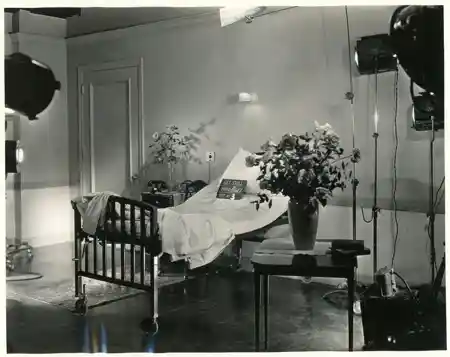
There's a moment, I remember, where Myron tries to explain himself to Christine, and it's just this long, rambling speech full of justifications. You can practically see the words hanging in the air, not quite landing. He thinks he's making a compelling case, but his wife just stares, a hint of weariness in her eyes. It's not melodramatic, just *exhausted*.
The film really captures that particular kind of early 1930s urban anxiety, I think. Everyone’s trying to keep up appearances, even when their personal lives are a complete shambles. The background details in some of the party scenes are pretty good too, just random people looking bored or gossiping.
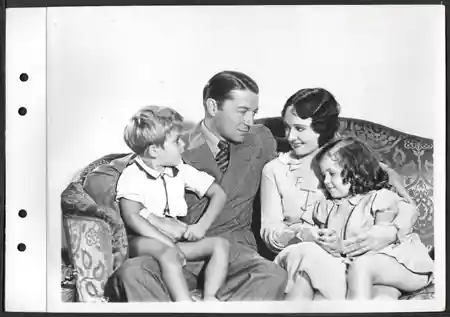
Helen, the mistress, she’s not doing great either. There's this one scene where she's waiting for Myron, and the camera just lingers on her for a beat too long. You can tell she's just done with the whole situation, just utterly over it. Her face tells *everything*.
The dialogue can sometimes feel a bit formal, like they're reading from a play. But then other times, it hits you with these incredibly blunt, almost modern lines about betrayal. It's a weird mix, but it works.
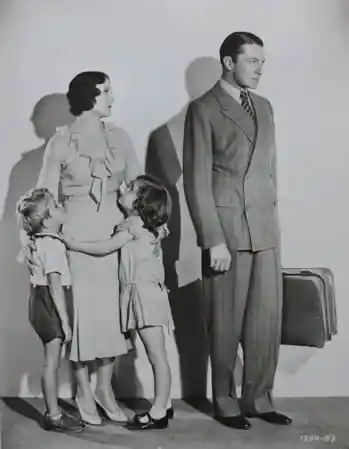
There's a subtle thread about Myron trying to reconnect with his daughter, played by Marilyn Knowlden. But it feels a bit forced, like the movie is trying to remind us he's a 'family man' underneath it all. *Doesn't quite land* how they want it to.
One odd thing: there’s a scene where someone is on the phone, and they hang up with this dramatic flourish, even though the conversation wasn't *that* heated. Happens a few times. Made me chuckle a bit at the sheer predictability of it.
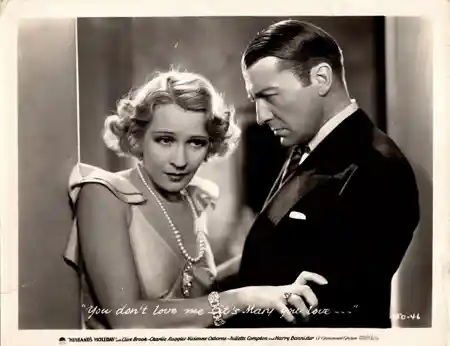
The movie doesn't really offer any grand moral lesson, which is kind of refreshing. It just lays out this messy situation and lets you sit with it. Nobody comes out looking like a saint, but nobody's a total monster either. Just people making bad choices, then living with the fallout.
It's not a flashy film. It's more of a quiet, character-driven piece that hinges on these small, often uncomfortable, interactions. You could do worse for a rainy afternoon, especially if you're curious about how films handled these sorts of sticky situations back then. It's a solid, if sometimes slow, look at marital infidelity that feels pretty grounded in its own way. Not perfect, but *real* enough.
IMDb —
1922
Community
Log in to comment.