DbcultAccessing Vault...
5.2/10
Senior Film Conservator
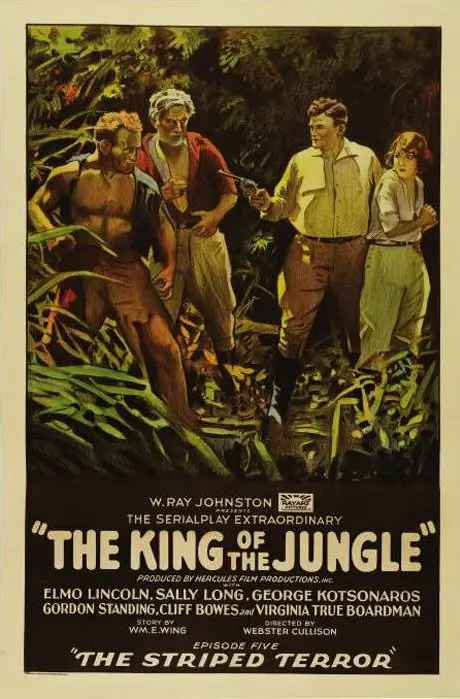
A definitive 5.2/10 rating for a film that redefined the boundaries of cult cinema. The King of the Jungle remains a cornerstone of transgressive art.
Is The King of the Jungle a lost treasure or a dusty relic that should remain buried? Short answer: It is a fascinating historical artifact that demands patience but rewards the observant viewer with a raw look at early action cinema.
This film is specifically for silent cinema completists and those who want to see the DNA of the adventure genre before it was sanitized by the Hays Code. It is absolutely not for viewers who require fast-paced modern editing or high-definition visual clarity.
1) This film works because of its unapologetic physicality and the presence of Elmo Lincoln, who brings a genuine sense of danger to every frame.
2) This film fails because its episodic structure feels repetitive, often circling back to the same survival tropes without advancing the character arcs.
3) You should watch it if you appreciate the evolution of stunt work and want to compare early jungle tropes to later iterations of the genre.
By 1927, the silent era was reaching its technical zenith, yet The King of the Jungle feels like a throwback to a more rugged, less refined style of filmmaking. While films like The Girl Who Came Back focused on domestic tension and social standing, William E. Wing’s script here is preoccupied with the elements.
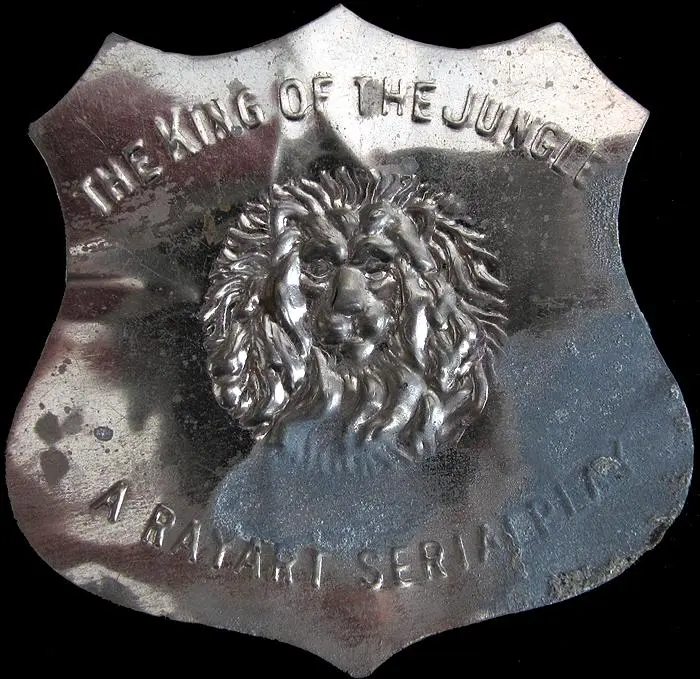
The cinematography doesn't try to be beautiful. It tries to be oppressive. The way the camera lingers on the thick foliage creates a sense of claustrophobia that modern CGI-heavy jungle films often fail to replicate.
Gordon Standing delivers a performance that is surprisingly grounded. He doesn't lean into the over-the-top gesticulation common in the era. Instead, he uses his eyes and his posture to convey a man who has grown weary of the very environment he is supposed to master.
The direction is functional, but lacks the stylistic flair seen in contemporary works like The Night Horsemen. There is a certain rigidity to the blocking that makes the action sequences feel staged, though the actual physical risk taken by the actors is undeniable.
Take, for example, the sequence involving the river crossing. You can see the genuine struggle against the current. There are no safety nets here. This is cinema as a survival sport.
However, the pacing is where the film struggles most. Because it was originally conceived with serial-like qualities, the narrative often resets itself. It lacks the cohesive drive found in The Combat, which manages its tension with much more precision.
Yes, but only if you view it through a historical lens. It provides a bridge between the early Tarzan films and the more sophisticated adventure serials of the 1930s. It is a rough draft of greatness.
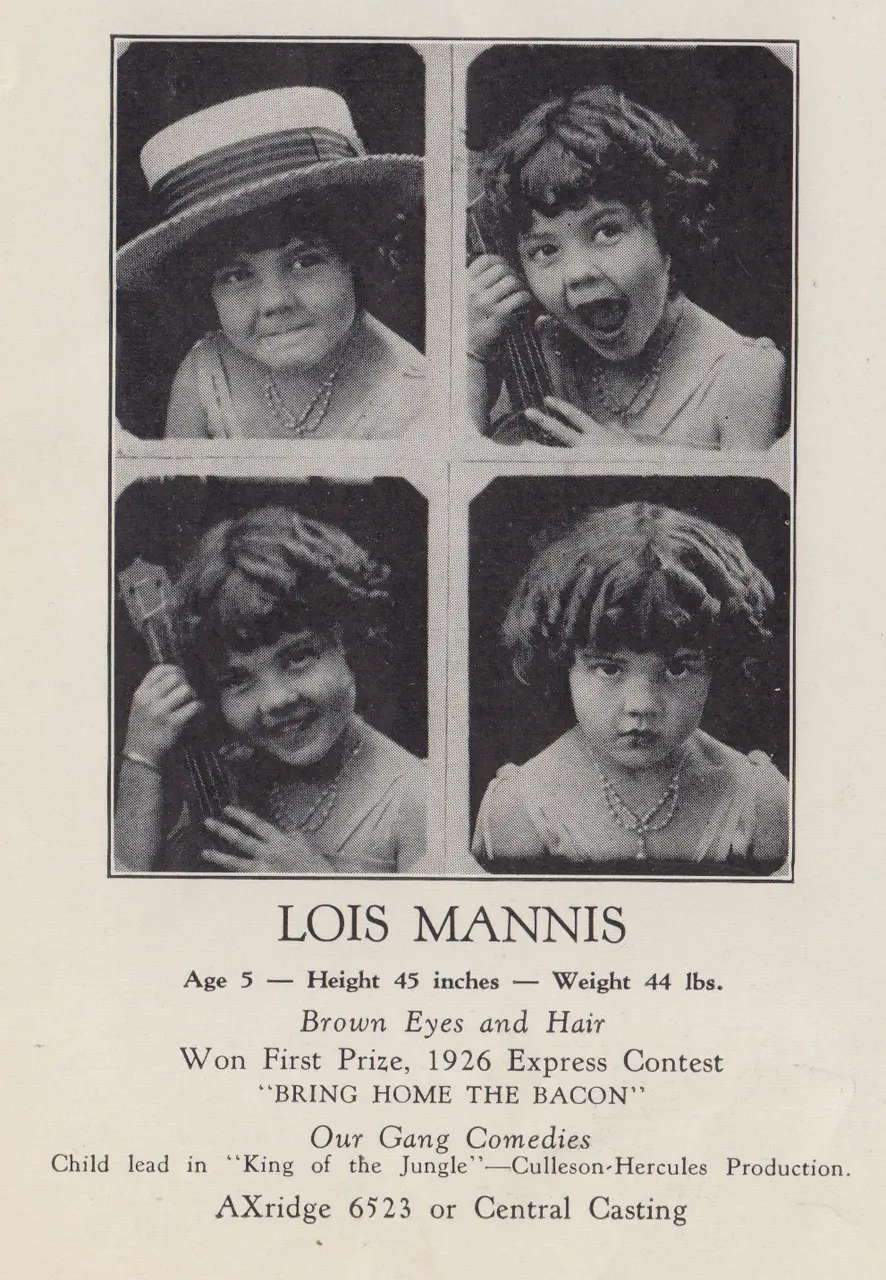
While Gordon Standing is the lead, the presence of Elmo Lincoln cannot be ignored. Lincoln, the first cinematic Tarzan, brings a weight to the production. His performance here is a meta-commentary on his own career.
He moves with a deliberate heavy-footedness that contrasts with the more agile Cliff Bowes. This dynamic creates a generational tension on screen. It’s as if the film is acknowledging the passing of the torch from the first generation of action stars to the next.
Compare this to the character work in Miami or Stranded. While those films focus on urban identity, The King of the Jungle is obsessed with the loss of identity in the face of the wild.
The film’s tone is surprisingly grim. There is very little levity. Even the moments of supposed relief feel tinged with the threat of the surrounding environment. This isn't the romanticized jungle of the 1940s; it’s a place of mud, sweat, and genuine fear.
The use of natural lighting is both a blessing and a curse. In certain scenes, the high contrast adds a layer of grit that feels very modern. In others, the lack of fill light makes the action difficult to follow, especially during the nocturnal sequences.
The editing is rudimentary. It lacks the rhythmic sophistication of The Cyclist. Cuts are often abrupt, serving the plot rather than the emotion. It works. But it’s flawed.
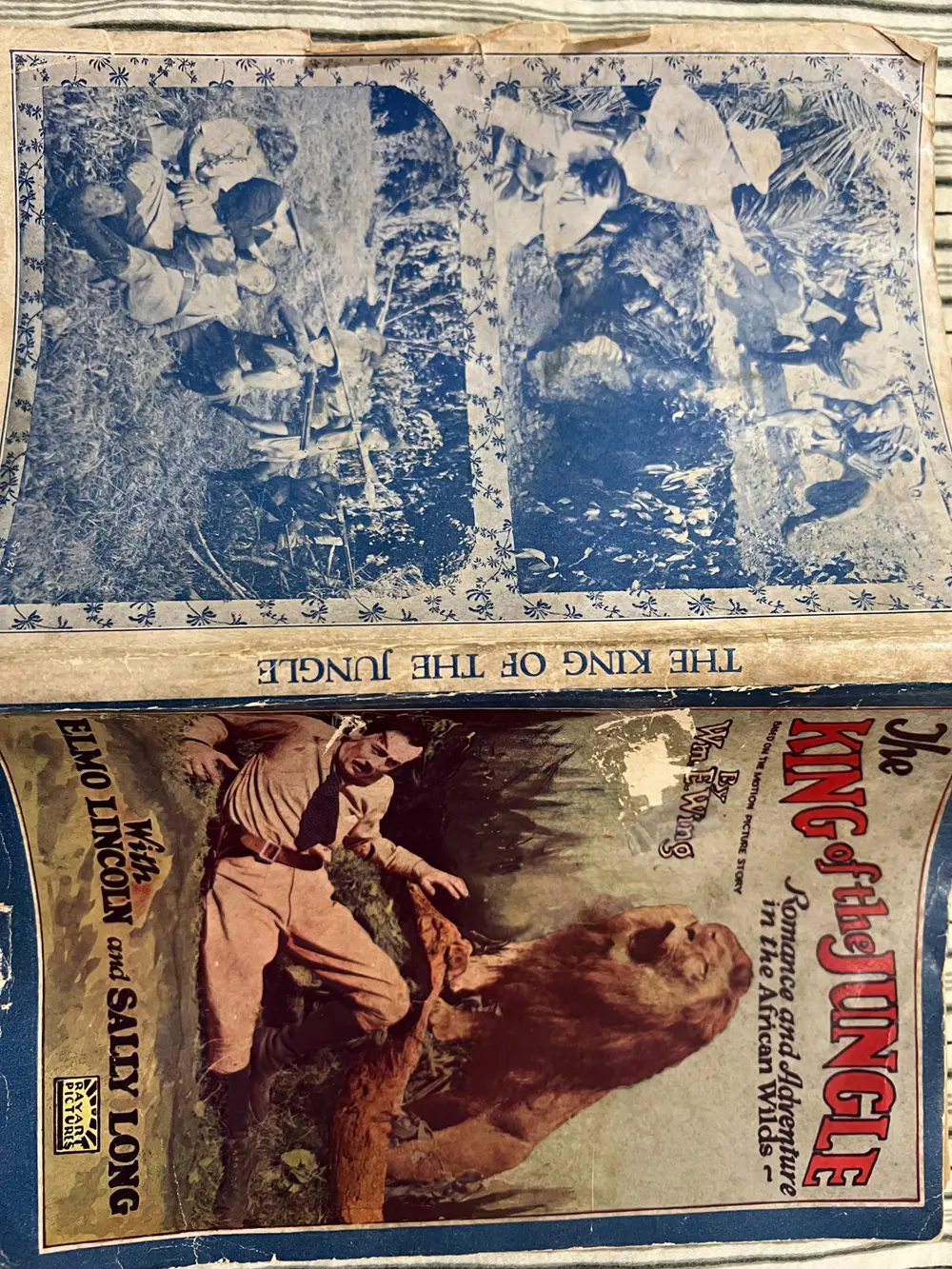
Pros: Powerful physical performances; authentic location feel; significant historical value for action fans.
Cons: Glacial pacing; repetitive plot beats; technical limitations that hinder clarity.
One surprising element of The King of the Jungle is its treatment of animals. Unlike the choreographed animal "actors" of later decades, the creatures here feel genuinely wild and unpredictable. This adds a layer of tension that is impossible to replicate today.
There is a moment where a lion approaches the camp that feels genuinely dangerous. You can see the genuine apprehension on the actors' faces. This isn't acting; it's a documented reaction to a predator.
This realism is the film's greatest strength. It’s more visceral than Tamilla and more grounded than the theatricality of Under the Rouge.
The King of the Jungle is not a masterpiece, and I won't pretend it is. It is a clunky, sometimes frustrating piece of cinema that nonetheless captures a specific moment in time. It represents the transition from the primitive thrills of early film to the structured narratives of the golden age.
If you can look past the grain and the gaps in the story, you will find a film that is surprisingly honest about the brutality of nature. It doesn't have the polish of Jean Chouan, but it has more heart—and more dirt—than most of its contemporaries.
Ultimately, it’s a must-watch for those who want to understand where our modern blockbusters came from. It’s the foundation. It’s the roots. And sometimes, the roots are the most interesting part of the tree.
IMDb —
1918
Community
Log in to comment.