DbcultAccessing Vault...
6.2/10
Senior Film Conservator
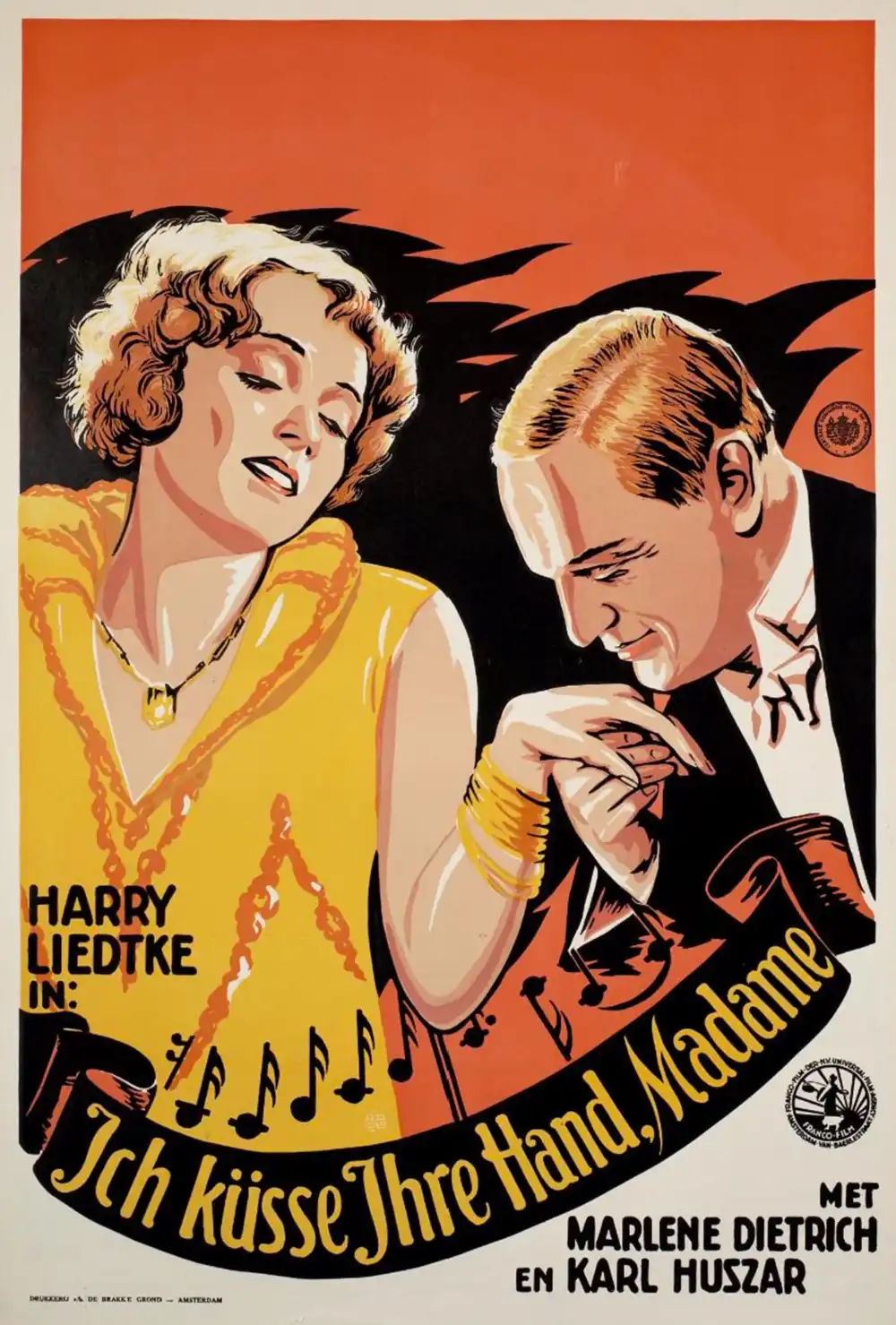
A definitive 6.2/10 rating for a film that redefined the boundaries of cult cinema. I Kiss Your Hand Madame remains a cornerstone of transgressive art.
This is an old one, a real peek into *early* talkies. If you’re a classic film buff, especially into Marlene Dietrich's beginnings, you’ll probably find I Kiss Your Hand Madame worth a look.
Others, maybe not so much. If you're hoping for a grand romance or something with snappy modern pacing, you'll be bored stiff. It's more of a historical curiosity. 🧐
So, Laurence Gerard (Marlene Dietrich) is newly divorced here and seems to be enjoying stringing along this older, rather portly fellow, Talandier. She's clearly got a bit of a mischievous streak, or maybe just bored, you know?
Then she bumps into Count Lerski. He's handsome, charming, but… well, he's working as a waiter, and he doesn't tell her.
This whole "I'm a waiter but pretending not to be" thing is the central gag. It's a classic mistaken identity setup, really. Lerski (played by Harry Liedtke, who's got that suave, slightly weary charm down) is trying to win her over without revealing his current *employment* situation. You can see why he wouldn't want to.
The movie then takes a turn when Laurence's ex-husband, in a rather petty moment, spills the beans. He lets it slip that Lerski is, in fact, a waiter.
Laurence, feeling totally duped and maybe a bit embarrassed, throws him out on his ear. **Big drama, right there.** 💔
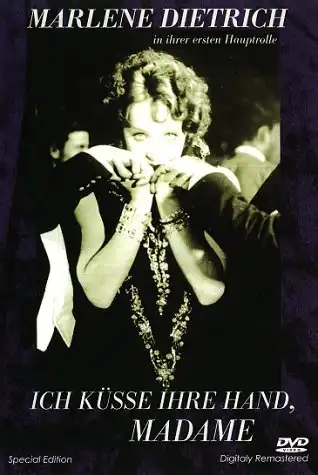
Dietrich is so young here, and you can already see glimmers of her star power. She's not quite the *femme fatale* yet, but she has this incredible presence, even then.
Her eyes just command the screen, even in these slightly clunky early sound films. It’s pretty remarkable to watch.
The sound itself is a trip. It's very much a "microphone in a box" kind of sound, if that makes sense. You can tell they're figuring things out as they go.
Sometimes the music is too loud, sometimes the dialogue is a bit muffled. It's part of the charm, honestly, a real glimpse into film's infancy.
There’s this one scene where Lerski is serving at a party, and he keeps trying to catch Laurence's eye. The camera lingers on his slightly pained expressions as he navigates the room with trays.
It's a small detail, but it really sells his embarrassment and longing. You feel a bit bad for the guy.
The humor is very much of its time. It’s not laugh-out-loud funny for a modern audience, but you can appreciate the *intent* behind the gags. The whole "will she find out?" suspense is pretty low-stakes by today's standards, which is fine.
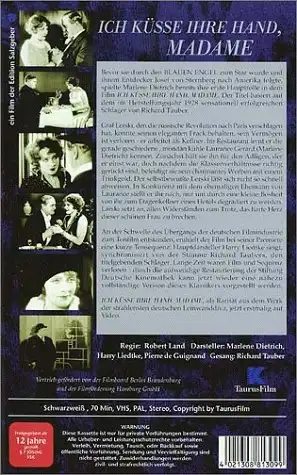
Talandier, the "fat lover" as the plot summary calls him, is almost a caricature. He's mostly there to be led around and provide some comic relief.
His exasperation is kind of endearing, actually. He’s just trying his best, bless him.
The film feels a bit like a stage play sometimes, which makes sense for the era. Long takes, not a lot of quick cuts.
The actors have to really *perform* for the camera, not just react subtly. It’s a different kind of acting style, more theatrical.
You can almost feel the movie trying to convince you this moment matters, especially when Laurence discovers the truth. Her reaction is quite strong, a mix of hurt pride and feeling betrayed. She doesn’t scream, but her posture and the way she holds herself communicate a lot. It’s a powerful silent moment, despite the sound.
One thing that sticks with me is the music. Richard Tauber, a tenor, sings the title song. It's very sweet and romantic, but also a little melancholic.
It plays a big part in setting the mood, almost like a character itself. **It’s really quite lovely.** 🎶
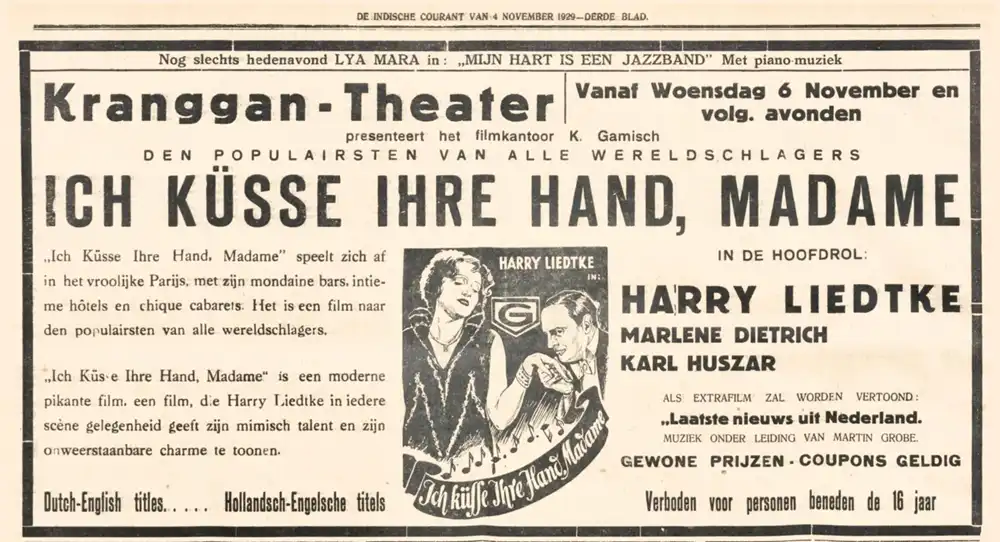
The ending wraps things up pretty neatly, as you'd expect from a film like this. It doesn't leave you with a lot to ponder. It’s a light confection, a glimpse into what cinema was doing right as sound came in.
It's not a deep film, not by a long shot. There are no profound explorations here. Just a simple story about class, mistaken identity, and a bit of romance.
But it's valuable for seeing Dietrich before she became the legend. Her raw talent is visible, even in this.
The costumes are beautiful, very 1920s elegant. Even Lerski's waiter uniform is quite sharp, I noticed.
The interior sets feel a bit grand, a bit empty. Like they built a fancy room and just put a few people in it, you know?
There's a scene where someone nervously fidgets with a teacup. It's such a tiny thing, but it feels very human, very relatable.
So, is it a masterpiece? No, probably not. Is it a good movie? For its era, absolutely.
For today? It's an **important historical artifact** for film lovers. If you're curious about early sound films and the birth of a star, give it a shot. Otherwise, maybe stick to something a bit more modern. It's not for everyone, and that's totally fine.
IMDb —
1924
Community
Log in to comment.