DbcultAccessing Vault...
Cult Review
Senior Film Conservator
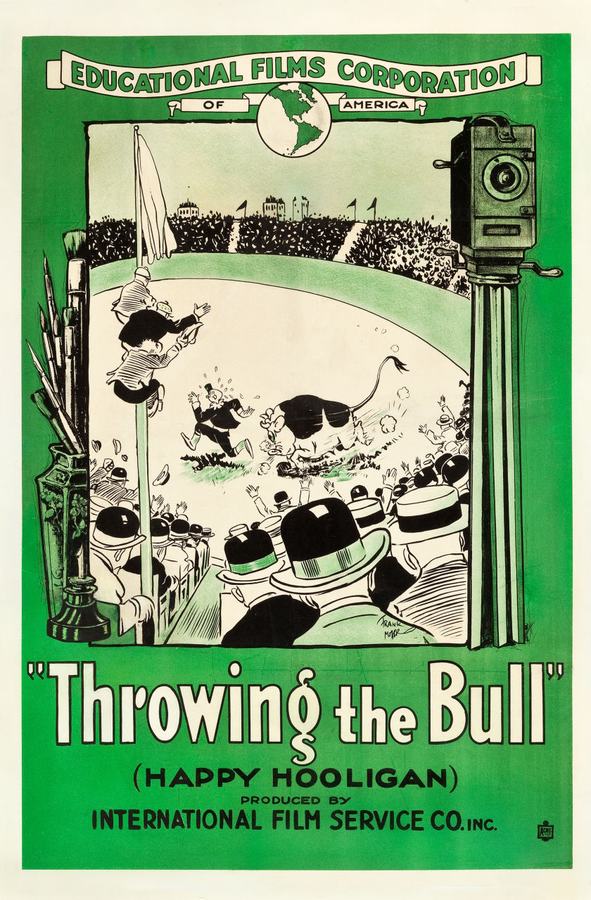
The early cinematic landscape, often dismissed as merely a precursor to sound, frequently harbored narrative gems and performances of remarkable subtlety and vigor. Among these, Gregory La Cava’s turn in 'Throwing the Bull' stands as a testament to the era’s untapped comedic potential and its surprising depth of character portrayal. While La Cava would later cement his legacy behind the camera, his on-screen presence here is a fascinating artifact, a vibrant, physical embodiment of the silent film actor’s craft. The film, penned by Frederick Opper and Louis De Lorme, navigates the treacherous waters of small-town gossip and grandstanding with a nimble wit that belies its age, offering a timeless commentary on human vanity and the inevitable collision of inflated ego with stark reality.
La Cava, portraying Barnaby 'Barney' Finch, delivers a performance that is nothing short of a masterclass in silent-era physical comedy and nuanced character development. Barney is not merely a caricature; he is a meticulously drawn portrait of a man perpetually teetering on the brink of exposure, his every gesture and facial contortion a frantic dance between confidence and sheer panic. His eyes, in particular, convey a universe of unspoken anxieties, shifting from boastful bravado to fleeting moments of terror as the consequences of his fabrications loom larger. One cannot help but draw parallels to the subtle comedic timing seen in films like We Should Worry, which similarly explores the anxieties of characters caught in precarious social situations, though La Cava's performance possesses a unique blend of desperation and charm that sets it apart. The way he uses his entire body to articulate Barney's internal turmoil – the nervous fidgeting, the exaggerated gesticulations meant to convey authority, the sudden, almost involuntary flinches – transforms the character from a simple liar into a figure of tragicomic pathos. He is a man constantly performing, not just for the town, but for himself, caught in a cycle of self-deception that the audience is invited to both lament and laugh at. This nuanced portrayal elevates 'Throwing the Bull' beyond a mere slapstick comedy, imbuing it with a surprising degree of psychological insight.
Frederick Opper and Louis De Lorme's screenplay is a marvel of concise storytelling, building suspense and comedic tension with an almost architectural precision. They understand the rhythm of silent cinema, allowing visual gags to breathe while carefully ratcheting up the narrative stakes. The central conceit – a braggart promising to tame an untamable bull – is a simple yet profoundly effective dramatic engine. It’s a classic setup, reminiscent of the narrative traps laid in films such as The Ransom, where characters find themselves in predicaments of their own making, often with escalating consequences. However, Opper and De Lorme imbue this familiar structure with fresh vitality through their keen observation of human nature and their flair for creating memorable, albeit exaggerated, character interactions. The dialogue, conveyed through intertitles, is sharp and economical, delivering punchlines with precision and advancing the plot without unnecessary exposition. The writers masterfully construct a series of escalating challenges for Barney, each one more absurd and perilous than the last, culminating in the inevitable, riotous confrontation with 'El Diablo.' This escalating comedic tension is a hallmark of well-crafted silent comedies, and 'Throwing the Bull' executes it flawlessly, ensuring that the audience remains captivated by Barney's increasingly desperate ploys.
Beyond its comedic veneer, 'Throwing the Bull' delves into profound themes that resonate as strongly today as they did over a century ago. The film is a trenchant critique of hubris, exploring how a desire for admiration can lead individuals to construct elaborate facades that ultimately imprison them. Barney's journey is a cautionary tale about the perils of living an inauthentic life, where the pursuit of superficial acclaim overshadows genuine self-worth. This thematic depth is subtly woven into the fabric of the narrative, never overshadowing the humor but always providing a grounding layer of meaning. It’s a theme that echoes in the more dramatic explorations of identity and deception found in films like Shadows from the Past, though 'Throwing the Bull' approaches it through a lens of satirical comedy rather than somber reflection. The film questions the very nature of heroism, contrasting Barney's manufactured bravery with the true courage required to face one's own shortcomings. The character of Elara Vance, Barney's love interest, serves as a moral compass, her quiet discernment ultimately exposing the hollowness of his boasts. Her journey from being charmed by Barney's tales to seeing through his deception provides a powerful emotional arc, highlighting the importance of genuine connection over superficial charm. The film posits that true admiration is earned through integrity, not through a performance of fabricated accomplishments, a message that remains eternally pertinent.
While the director is not explicitly listed, the visual language of 'Throwing the Bull' speaks volumes about the sophisticated understanding of cinematic grammar emerging during this period. The use of dynamic camera angles, particularly during the climactic rodeo sequence, creates a palpable sense of chaos and excitement. The framing often isolates Barney, emphasizing his vulnerability and isolation amidst the roaring crowd and the imposing figure of 'El Diablo.' The production design, though perhaps modest by today's standards, effectively evokes the bustling atmosphere of a small-town county fair, replete with period-appropriate costumes and props that ground the fantastical elements of the plot in a believable reality. The editing is brisk and purposeful, maintaining a lively pace that propels the narrative forward, ensuring that comedic beats land with maximum impact. One can observe a nascent understanding of visual rhythm that would become a hallmark of later comedic directors. The film's aesthetic, while simple, is incredibly effective, leveraging the inherent visual nature of silent cinema to communicate complex emotions and rapid-fire gags. The interplay of light and shadow, particularly in scenes leading up to the rodeo, adds a dramatic flair, underscoring Barney's growing dread. This careful attention to visual detail allows the film to transcend its simple premise, transforming it into a compelling spectacle. The film's visual narrative cleverly uses the environment to reflect Barney's internal state, with wide shots emphasizing his insignificance against the vastness of his lies, and close-ups revealing his escalating panic. The effective use of visual metaphors, such as the bull itself representing the insurmountable truth, speaks to a sophisticated directorial hand at play.
While La Cava's performance justly anchors the film, the supporting cast contributes significantly to the vibrant tapestry of 'Throwing the Bull.' Each character, from the skeptical townsfolk to the earnest Elara Vance, plays a crucial role in shaping Barney's predicament and amplifying the comedic effect. The interactions between Barney and the town's gossipy matriarchs, for instance, provide some of the film's most delightful moments, highlighting the pervasive nature of small-town rumor mills. The sheer variety of reactions to Barney’s increasingly outlandish claims – from wide-eyed admiration to knowing glances of suspicion – creates a dynamic social landscape. The film’s ability to populate its world with such distinct and memorable personalities is a testament to the strength of the casting and the actors' understanding of their roles within the broader comedic framework. The character of Elara, in particular, is portrayed with a quiet dignity and intelligence that makes her a compelling foil to Barney's theatricality. She is not merely a prize to be won but an active participant in the narrative, her evolving perception of Barney driving much of the film's emotional weight. Her eventual disillusionment is handled with a delicate touch, avoiding melodrama in favor of a more understated, realistic portrayal of heartbreak. This ensemble synergy is vital, much like the intricate character work seen in films such as The Gentleman from Indiana, where a strong supporting cast elevates the central narrative, providing depth and realism to the cinematic world. The film understands that even a single, charismatic performance needs a solid foundation of believable reactions and interactions to truly shine.
'Throwing the Bull' serves as a crucial reminder of the ingenuity and artistic merit present in early silent cinema. It’s a film that, despite its age, feels remarkably fresh and relevant, its humor enduring and its themes timeless. The sheer audacity of its premise, combined with the nuanced performances and clever writing, ensures its place as a significant, if often overlooked, work. For those interested in the evolution of comedic storytelling, or simply in witnessing a compelling performance from a future directorial titan, 'Throwing the Bull' offers a rich and rewarding experience. Its exploration of identity and deception, while humorous, leaves a lasting impression, prompting reflection on the masks we wear and the truths we choose to reveal. The film's influence, though subtle, can be traced through later comedies that rely on escalating misunderstandings and the comeuppance of a boastful protagonist. It’s a film that speaks to the universal human tendency to embellish, to perform, and to ultimately confront the consequences of our own narratives. Comparing its narrative complexity to films like The Missing Links, which also delves into intricate plots and character revelations, one can appreciate the sophisticated storytelling techniques employed even in the earliest days of cinema. 'Throwing the Bull' is a delightful discovery, a vibrant testament to the enduring power of classic storytelling. Its ability to elicit both laughter and thoughtful introspection is a testament to its masterful construction and its timeless appeal, solidifying its place as a quintessential example of early American comedic cinema.
In conclusion, 'Throwing the Bull' is far more than a historical curiosity; it is a genuinely engaging and expertly crafted film that deserves renewed attention. Gregory La Cava's performance is a revelation, showcasing a profound understanding of comedic timing and character depth that foreshadows his later genius as a director. Opper and De Lorme's script is a tight, witty piece of writing that expertly balances humor with underlying thematic resonance. The film's visual storytelling, its ensemble cast, and its enduring themes of authenticity versus artifice combine to create a cinematic experience that is both entertaining and thought-provoking. It stands as a vibrant example of how early cinema, even without the benefit of synchronized sound, could achieve a remarkable level of narrative sophistication and emotional impact. Its chaotic climax, a symphony of physical comedy and poetic justice, is a truly memorable sequence that encapsulates the film's spirit. Just as Unexpected Places explores the unforeseen turns of fate, 'Throwing the Bull' revels in the surprising and often comical consequences of human folly. It’s a film that reminds us of the power of a well-told story, regardless of the technological limitations of its era, proving that true artistry transcends time and medium. This film is a delightful journey back to the roots of cinematic comedy, demonstrating that the foundations of great storytelling were laid with skill and creativity long before the advent of sound. It’s a must-see for anyone who appreciates the rich history of film and the timeless art of making people laugh while making them think.
IMDb —
1919
Community
Log in to comment.