DbcultAccessing Vault...
Cult Review
Senior Film Conservator
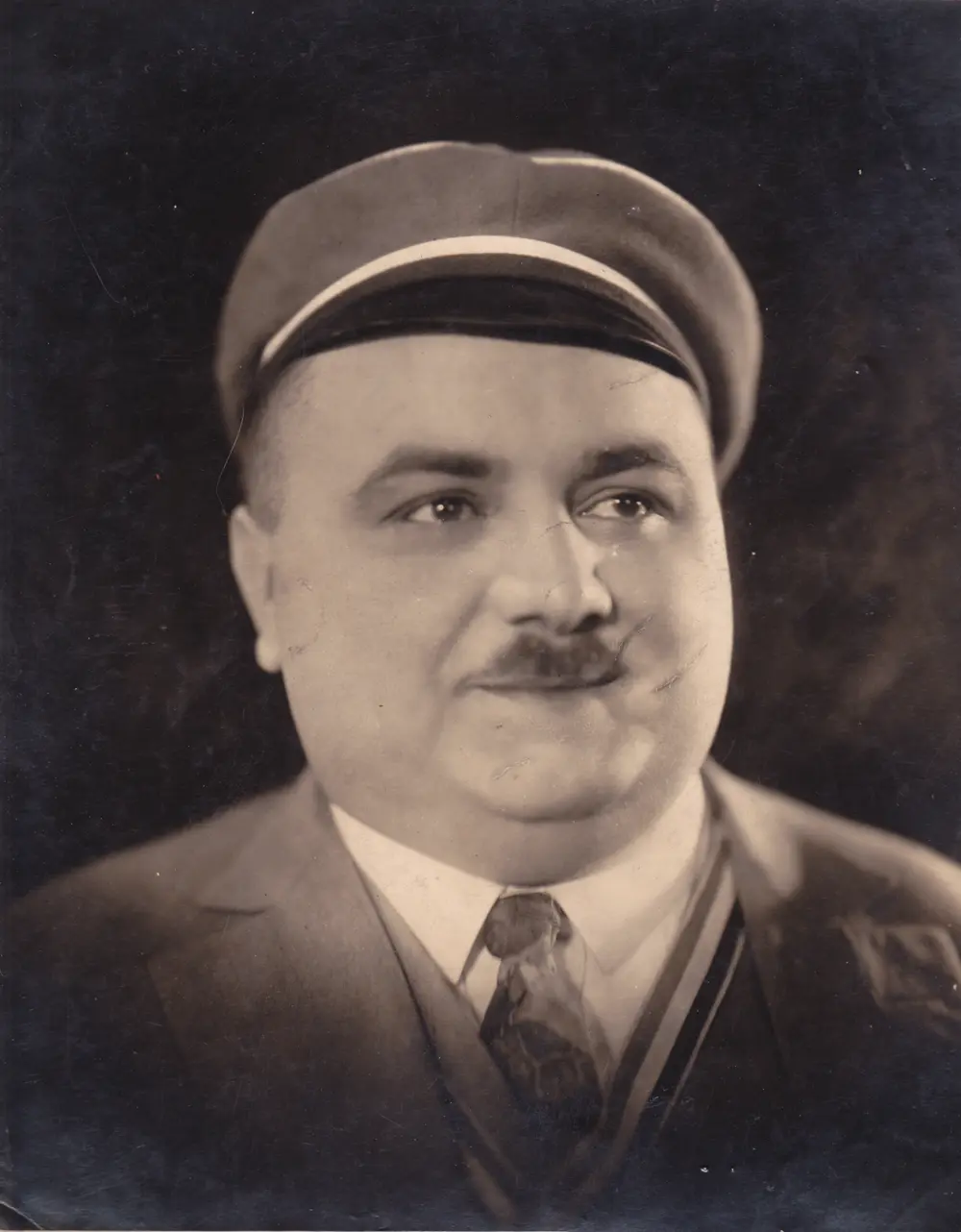
Is 'Ich hab mein Herz in Heidelberg verloren' worth watching today? Short answer: yes, but with significant caveats. This film is a nostalgic journey best suited for cinephiles with a deep appreciation for early 20th-century European cinema and those who cherish romantic dramas steeped in a particular sense of place. It’s a film that asks for patience, rewarding those willing to engage with its historical context and understated emotional beats.
However, for viewers accustomed to modern pacing and explicit narrative arcs, its deliberate unfolding and reliance on visual poetry over dialogue might feel sluggish. If you're seeking a fast-paced, high-stakes romance, this isn't it. This is a gentle, almost melancholic, stroll through a bygone era's understanding of love and longing.
This film works because of its unwavering commitment to atmosphere and the evocative power of its setting. Heidelberg itself becomes a character, its ancient streets and castle ruins imbuing the romance with a timeless, almost fated quality that few other films of its era truly captured. The directorial choice to frequently frame the lovers against the city's iconic landmarks is not merely picturesque; it serves to anchor their fleeting connection within something eternal.
This film fails because its narrative is often too thin, relying heavily on implied emotion rather than concrete development. While this can be a strength for some, it occasionally leaves the audience yearning for more substantial character interaction or a clearer articulation of the internal conflicts driving the protagonists. The pacing, while deliberate, can at times drift into languidness, testing the patience of even the most dedicated viewer.
You should watch it if you are fascinated by the evolution of cinematic romance, enjoy historical dramas that prioritize mood over plot, and appreciate performances that articulate emotion through subtle gesture and expression. It’s a perfect pick for a quiet Sunday afternoon, perhaps with a cup of tea, allowing oneself to be transported to a romanticized past.
'Ich hab mein Herz in Heidelberg verloren,' while perhaps not as widely known as some of its contemporaries, offers a compelling window into early 20th-century German filmmaking. Directed with a delicate touch, it navigates the tender landscape of nascent love against the backdrop of one of Germany's most romantic cities. The film’s strength lies in its ability to evoke a profound sense of place, making Heidelberg an almost tangible presence within the narrative.
Max Ferner’s script, though minimalist by modern standards, understands the power of suggestion. It sketches out a universal story of a heart lost and found, then perhaps lost again, without over-explaining or over-dramatizing. This restraint, particularly in an era often prone to theatrical excess, is both its charm and its occasional frustration.
The film’s title alone is a poem, and the visuals strive to match that lyrical quality. It’s a testament to the power of a good location scout and a director who knew how to frame it.
The film follows a young woman, portrayed with an endearing blend of curiosity and vulnerability by Maria Meyerhofer, as she arrives in Heidelberg. Her initial impressions of the city are painted through sweeping shots of the Neckar river, the old bridge, and the imposing castle ruins. It's a travelogue disguised as a love story, or perhaps, a love story born from a travelogue.
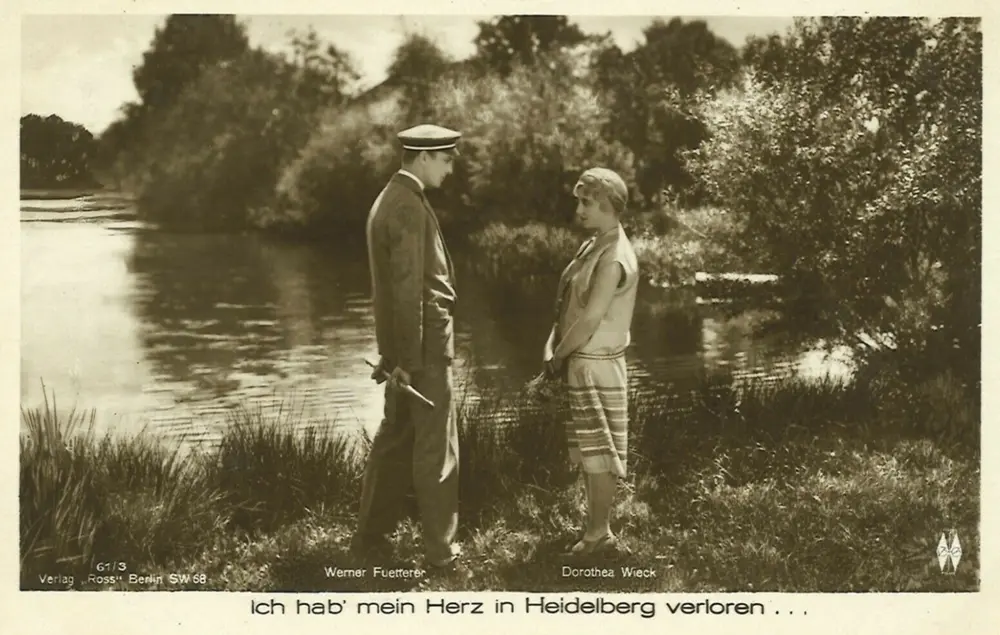
Her encounter with a local, played by Georg Irmer, ignites a romance that feels both inevitable and fleeting. Irmer, with his quiet intensity, provides a grounded counterpart to Meyerhofer's more ethereal presence. Their chemistry is built not on grand declarations, but on shared glances, silent walks, and the unspoken understanding that blossoms between two souls in a place that feels outside of time.
The ensemble cast, led by Maria Meyerhofer and Georg Irmer, delivers performances that are largely indicative of the period’s acting styles, yet with flashes of genuine insight. Meyerhofer, as the protagonist, carries much of the film’s emotional weight. Her portrayal is less about overt emoting and more about subtle shifts in posture, the quality of her gaze, and a slight tremor in her hands. One particular scene, where she gazes out over the city from the castle terrace, perfectly encapsulates her internal journey – a mix of wonder, longing, and a dawning realization of her heart’s new allegiance.
Irmer, playing the local love interest, is a study in understated charm. He avoids the melodramatic flourishes common in many films of the era, opting instead for a quiet dignity. His scenes with Meyerhofer, especially during their walks along the river, are imbued with a naturalism that feels surprisingly contemporary. It’s a performance that speaks volumes without uttering many words, relying on a gentle smile or a lingering look to convey affection and concern.
The supporting cast, including Mary Parker and Harry Halm, provide competent, if less memorable, contributions. Their roles often serve to highlight the main couple's isolation or to provide a brief comedic or dramatic interlude. Frau Heuberger-Schönemann, in her role as a kindly landlady or local figure, adds a touch of grounded realism, a common trope in these romantic narratives. Her presence often serves as a comforting anchor, reminding the audience of the everyday world outside the central romance.
Compared to the more flamboyant acting styles seen in something like The Splendid Sinner or the overt moralizing in Are Parents People?, 'Ich hab mein Herz in Heidelberg verloren' leans into a more naturalistic, albeit still theatrical, approach. This makes it feel slightly more accessible to a modern audience, despite its age.
The direction of 'Ich hab mein Herz in Heidelberg verloren' is undeniably its strongest suit. The filmmaker’s vision for Heidelberg is not just as a backdrop, but as an active participant in the romance. Every frame seems to breathe with the city's historical weight and romantic allure. There are numerous wide shots that capture the grandeur of the castle ruins and the winding Neckar river, effectively establishing the film's almost fairy-tale atmosphere.
The use of natural light, especially during the outdoor sequences, lends a timeless quality to the cinematography. Shadows play across ancient stone, and sunlight glints off the river, creating a visual poetry that complements the understated narrative. The camera often lingers on significant landmarks, such as the Old Bridge or the Philosopher's Walk, allowing the audience to soak in the beauty that so captivates the protagonist.
Pacing, as mentioned, is deliberate. The director allows scenes to unfold slowly, trusting the audience to absorb the emotional nuances without rapid cuts or exposition. While some might find this slow, it fosters a meditative quality, inviting viewers to immerse themselves fully in the romantic dreamscape. This contemplative rhythm is a stark contrast to the often frantic energy of films like The Speed Spook, highlighting the vast stylistic differences even within the same cinematic era.
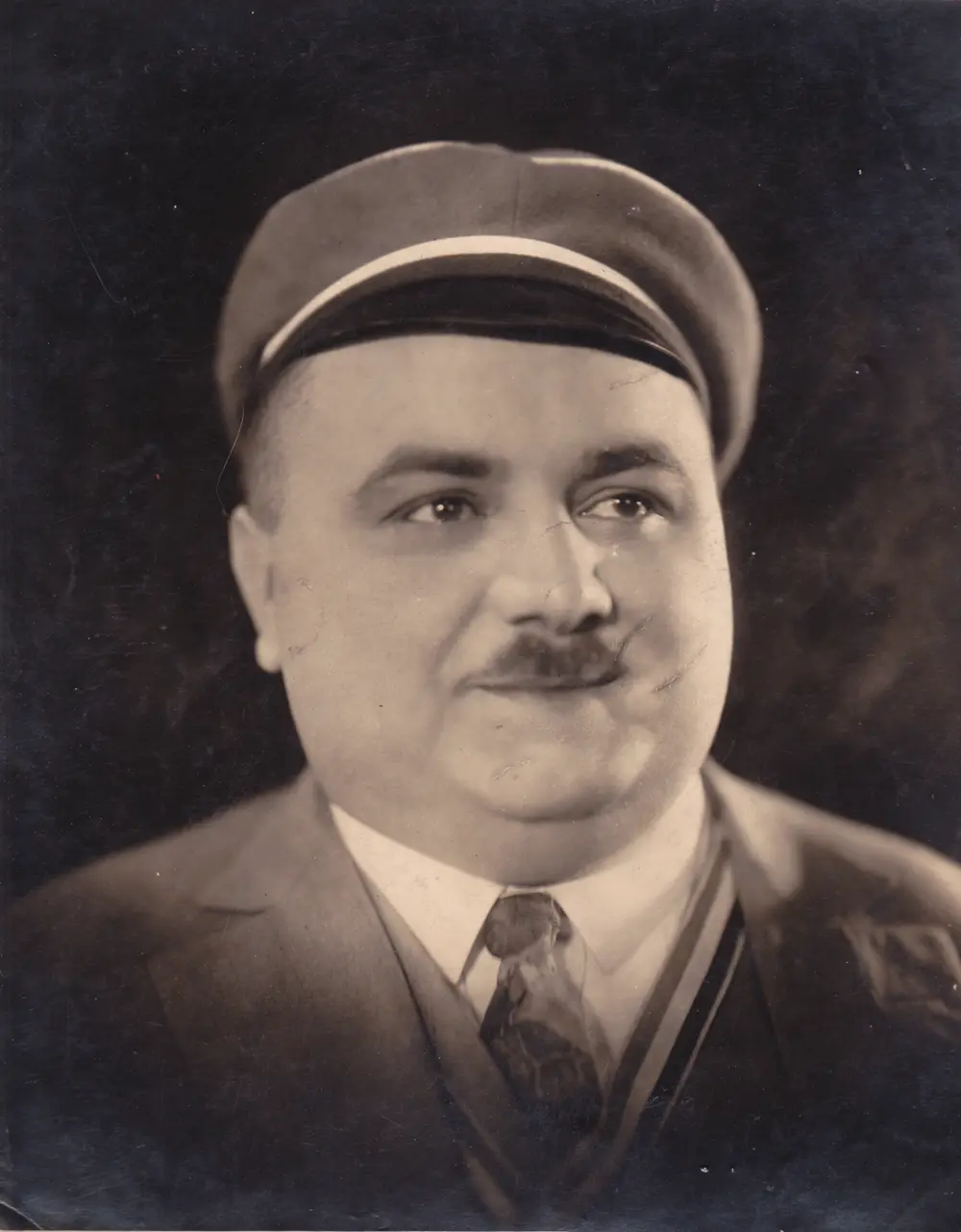
The tonal balance achieved is also noteworthy. It’s romantic without being saccharine, melancholic without being overly tragic. There’s a quiet dignity to the film’s emotional landscape, a recognition that some loves are meant to be cherished memories rather than permanent fixtures. This nuanced tone is a mark of skilled direction, allowing the film to resonate long after the credits roll.
At its core, 'Ich hab mein Herz in Heidelberg verloren' is a classic tale of transient love and the profound impact of a particular place on one's emotional life. The central theme revolves around the idea that some experiences, no matter how brief, can fundamentally alter one's perspective and leave an indelible mark. The protagonist's journey is not just about falling in love with a person, but equally, if not more so, about falling in love with a city that embodies an idealized romanticism.
The film subtly explores the tension between wanderlust and rootedness. Our protagonist, presumably a visitor, represents the former, while her love interest and Heidelberg itself embody the latter. This dynamic creates a poignant dilemma: can a heart truly belong to a place and a person it cannot permanently embrace? The title itself gives away the bittersweet nature of this conflict, suggesting a love that, by its very nature, is destined to remain a cherished memory rather than a continuous reality.
What makes this film surprisingly modern is its quiet acceptance of impermanence. It doesn't rail against fate; it simply observes it with a gentle, knowing sigh.
There's also an intriguing subtext about cultural identity. For a German audience of its time, the film likely tapped into a deep well of national romanticism, celebrating Heidelberg as a symbol of timeless beauty and intellectual heritage. For international audiences, it's an invitation to experience this romanticized Germany through the lens of a personal, emotional story. It's a surprisingly effective piece of cultural soft power, wrapped in a tender romance.
The narrative, while simple, is effective in its emotional arc. It builds slowly, allowing the audience to become invested in the blossoming affection, only to then introduce the inevitable strains of separation. The resolution, while not overtly dramatic, resonates with a quiet sorrow that feels earned. It works. But it’s flawed.
'Ich hab mein Herz in Heidelberg verloren' is more than just a film; it’s a time capsule, a romantic ode to a city, and a testament to the enduring power of simple, heartfelt storytelling. It is not a film for everyone, nor does it pretend to be. Its deliberate pace and reliance on visual poetry over explicit narrative might test the patience of some, but for those willing to surrender to its charm, it offers a deeply rewarding experience.
While its narrative might feel underdeveloped by today's standards, its strengths lie in its masterful evocation of atmosphere, its subtle performances, and its unwavering commitment to a romantic ideal. It's a film that lingers in the mind, much like a cherished memory of a place or a love that once was. It’s a quiet triumph, a beautiful, if flawed, piece of cinematic history that reminds us that sometimes, the greatest stories are those etched not in grand gestures, but in the heart.
If you are a student of film history, a lover of classic romance, or simply someone who appreciates the art of understated emotional storytelling, then 'Ich hab mein Herz in Heidelberg verloren' is absolutely worth seeking out. Just be prepared to slow down, breathe, and let the magic of Heidelberg, and its lost heart, wash over you.
Community
Log in to comment.