DbcultAccessing Vault...
Cult Review
Senior Film Conservator
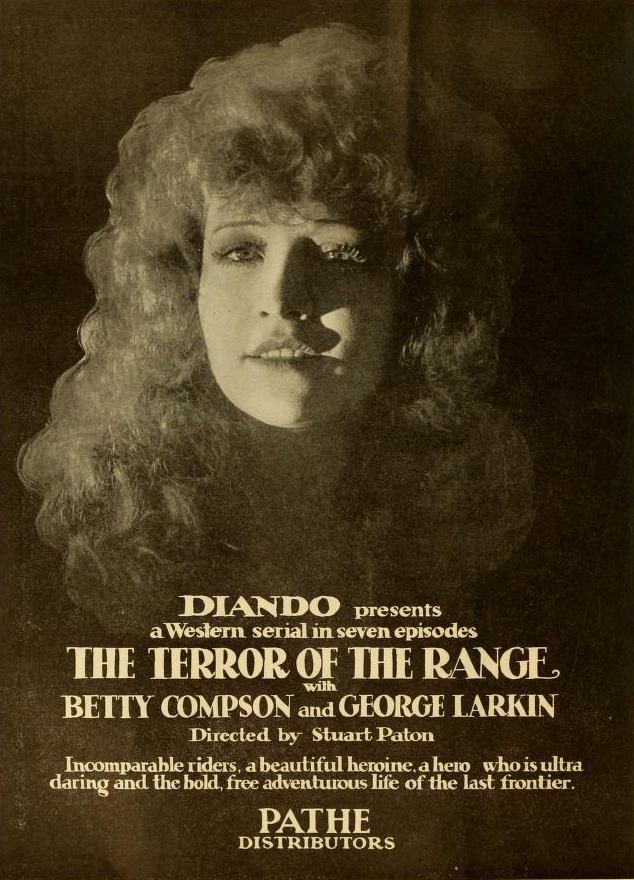
Stepping back into the cinematic annals, particularly to an era when the flickering images on a silver screen were still a relatively nascent marvel, one encounters a treasure trove of narrative experimentation and raw, unfiltered storytelling. Among these, 'The Terror of the Range' emerges not merely as a relic, but as a vibrant, albeit silent, testament to the enduring power of classic Western tropes. It’s a film that, despite its age, resonates with a primal energy, delving into themes of justice, retribution, and the indomitable spirit of the frontier. This isn't just a historical artifact; it's a robust piece of genre filmmaking that, when viewed through a contemporary lens, still manages to captivate and provoke thought.
The narrative, meticulously crafted by W.A.S. Douglas and Lucien Hubbard, unfurls with a deliberate pace, characteristic of its time, yet never sacrifices its underlying tension. We are introduced to a landscape as much a character as any human, a vast, unforgiving expanse where survival is a daily struggle and the line between civilization and savagery is perpetually blurred. Against this stark backdrop, the antagonist, Silas 'The Scourge' Blackwood, portrayed with chilling efficacy by Fred Malatesta, establishes his tyrannical dominion. Malatesta, a veteran of numerous silent features, brings a palpable menace to Blackwood, his every gesture and expression radiating an insidious blend of greed and ruthlessness. He isn't merely a villain; he's an embodiment of unchecked ambition, a force of nature as destructive as any drought or stampede that might afflict the range. His machinations, from diverting precious water supplies to orchestrating raids on smaller outfits, paint a vivid picture of the systemic oppression faced by the independent ranchers.
The arrival of John Ryder, brought to life by the understated yet potent performance of George Larkin, serves as the pivotal turning point. Larkin, often lauded for his stoic resolve and physical prowess in action roles, imbues Ryder with a quiet intensity. He’s a man of few words, his backstory hinted at through subtle glances and a burdened posture, a stark contrast to the flamboyant villainy of Blackwood. This deliberate withholding of information about Ryder’s past builds an intriguing mystique, drawing the audience into his journey of discovery and simmering vengeance. His initial interactions with Jedediah Thorne, a struggling rancher played with earnest conviction by Walter MacNamara, and Thorne’s daughter, Elara, personified by the spirited Ora Carew, lay the groundwork for the emotional core of the film. Carew, known for her strong female characters, injects Elara with a resilience that belies her vulnerability, making her a compelling figure caught in the crossfire of this territorial dispute. The budding relationship between Ryder and Elara, conveyed through stolen glances and shared adversities, adds a layer of tender humanity to the otherwise rugged narrative.
The ensemble cast, a veritable who's who of early cinema talent, contributes significantly to the film's texture. William Quinn, True Boardman, Betty Compson, Alice Saunders, and Horace B. Carpenter, though perhaps in supporting roles, each add distinct brushstrokes to this Western canvas. Compson, a celebrated actress of the era, even in a smaller capacity, would have brought a certain gravitas and emotional depth, perhaps as a sympathetic townsperson or a figure from Ryder's past, further enriching the narrative tapestry. The dynamic between the stoic hero, the compassionate heroine, and the unyielding villain is a classic triumvirate, but 'The Terror of the Range' manages to infuse it with a fresh urgency, largely due to the nuanced performances and the stark, uncompromising vision of its creators.
One of the film's most striking achievements lies in its portrayal of the West not as a romanticized playground, but as a harsh crucible where moral choices are forged in fire. The struggle for land and resources, a recurring motif in Westerns, is presented here with a stark realism. Blackwood's methods, while villainous, are rooted in a capitalist drive for expansion, reflecting the historical realities of westward expansion and the displacement of smaller entities by larger, more powerful ones. This thematic undercurrent provides a socio-economic dimension to what could otherwise be a straightforward tale of good versus evil. The film subtly interrogates the very notion of 'progress' on the frontier, questioning whether expansion at the cost of individual liberties and environmental integrity is truly justifiable.
Considering the technological constraints of its time, the visual storytelling in 'The Terror of the Range' is remarkably sophisticated. The wide-open vistas, captured with a keen eye for composition, emphasize the isolation and grandeur of the landscape. The use of natural light, the stark contrasts between sun-drenched plains and shadowy interiors, all contribute to a visual language that is both evocative and functional. Action sequences, though perhaps less frenetic than modern equivalents, are choreographed with a clarity that ensures maximum impact. The climactic showdown, a dusty ballet of horse chases, gunfire, and fisticuffs, is particularly well-executed, building suspense through judicious editing and dynamic camera placement. It’s a testament to the skill of the filmmakers that they could convey such intensity without the aid of sound, relying solely on visual cues, intertitles, and the expressive power of their actors.
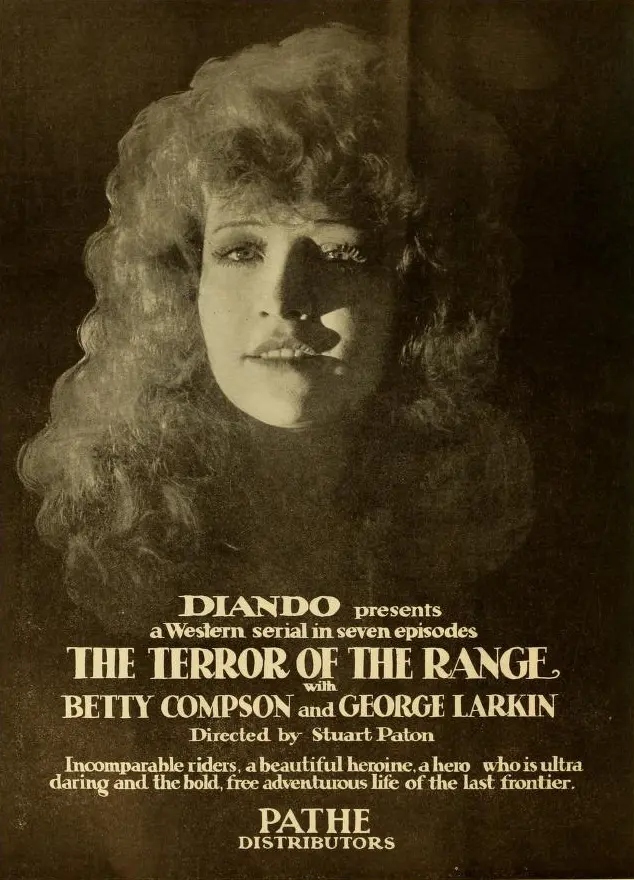
The film’s aesthetic choices also contribute to its thematic weight. The omnipresent dust, the weathered faces of the characters, the rudimentary structures of the ranches – all these elements combine to create a sense of authenticity, grounding the larger-than-life conflict in a believable reality. The visual texture of the film reinforces the idea that this is a world where survival is paramount, where the elements are as formidable an adversary as any human villain. This raw, unvarnished depiction of the West stands in contrast to some of the more idealized portrayals that would emerge later, aligning it more closely with the grittier realism found in films like The Bramble Bush, which, though a later work, similarly explores the harsh realities of life and justice outside conventional societal structures, albeit in a different context. The visual economy of silent film often necessitated a more symbolic approach, and 'The Terror of the Range' leverages this beautifully, allowing the landscape itself to carry much of the emotional weight.
In the broader tapestry of early cinema, 'The Terror of the Range' finds intriguing parallels. Its focus on a lone individual fighting against overwhelming odds for justice, even if it means stepping outside the strictures of the law, echoes sentiments found in other contemporary films. For instance, the exploration of a protagonist's hidden past and their eventual confrontation with a powerful antagonist, reminiscent of an avenging angel, shares a structural kinship with films like The Symbol of Sacrifice, where personal atonement and the pursuit of a higher moral calling drive the narrative. While 'The Terror of the Range' is firmly rooted in the Western genre, its underlying themes of moral ambiguity and the search for equilibrium resonate across different cinematic landscapes.
The portrayal of Elara, Ora Carew’s character, as a woman of strength and resolve in a male-dominated world, also invites comparison to other films of the era featuring prominent female roles. While not explicitly a legal drama, the fight for her family's land and her active participation in the struggle, rather than merely being a passive damsel, gives her a certain agency. This spirit, a nascent form of female empowerment, could be loosely aligned with the thematic undercurrents of films like The Woman and the Law, which, though dealing with specific legal frameworks, similarly places a female character at the center of a moral and societal conflict, challenging conventions of her time. The quiet dignity with which Elara faces adversity is a powerful counterpoint to the rampant male aggression displayed by Blackwood and his cronies.
Furthermore, the film's exploration of mistaken identity and the slow revelation of a character's true purpose can be seen as a precursor to narrative techniques found in later, more complex thrillers or dramas. The initial perception of Ryder as a simple drifter, only for his true, more formidable nature to emerge, is a classic dramatic device. This kind of gradual unveiling of a character’s true colors, where initial impressions are deliberately misleading, shares a kinship with the dramatic tension built in films such as Innocent, where a character's perceived guilt or innocence is constantly challenged, keeping the audience on edge. The film manages to weave these narrative threads together seamlessly, creating a compelling and unpredictable viewing experience despite the familiar genre trappings.
The lasting impact of 'The Terror of the Range' lies not just in its individual merits, but in its contribution to the evolving lexicon of the Western genre. It solidifies archetypes that would become cornerstones of countless films to follow: the lone avenger, the ruthless land baron, the resilient frontier family. The film, through its compelling performances and robust direction, serves as a foundational text for understanding the silent Western. It demonstrates how, even without spoken dialogue, the power of visual storytelling, coupled with strong characterizations, could evoke profound emotional responses and tackle complex moral questions.
Ultimately, 'The Terror of the Range' is more than just a historical curiosity; it is a vibrant, engaging piece of cinema that speaks to universal themes of justice, survival, and the human capacity for both great evil and profound courage. It reminds us that the foundational elements of compelling storytelling – a clear conflict, relatable characters, and a dramatic resolution – transcend time and technological limitations. For aficionados of early cinema, and indeed for anyone interested in the evolution of storytelling, this film offers a rich, rewarding experience, a window into a bygone era that still manages to resonate with contemporary audiences. Its legacy is not just in its existence, but in its continued ability to stir the imagination and remind us of the enduring power of the moving image. It stands as a testament to the skill of its cast and crew, particularly writers W.A.S. Douglas and Lucien Hubbard, who crafted a narrative that, even in silence, speaks volumes.
IMDb 6.3
1932
Community
Log in to comment.