DbcultAccessing Vault...
5/10
Senior Film Conservator
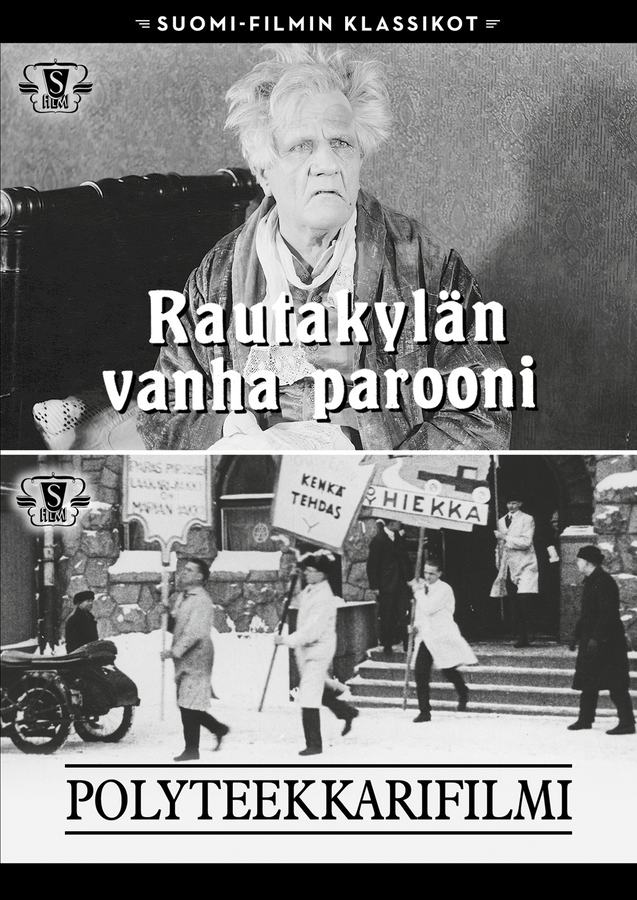
A definitive 5/10 rating for a film that redefined the boundaries of cult cinema. Rautakylän vanha parooni remains a cornerstone of transgressive art.
In the pantheon of early Nordic cinema, few works possess the atmospheric gravity and narrative sophistication of Rautakylän vanha parooni (1923). Directed during a period when the medium was rapidly evolving from mere spectacle into a complex art form, this adaptation of Sakari Topelius’s prose serves as a cornerstone of Finnish cultural heritage. It is not merely a film; it is an evocative séance that summons the ghosts of the 18th and 19th centuries into a singular, flickering visual experience.
The film opens with a visceral sense of place. The winter of 1838 is rendered not just as a setting, but as a psychological state. The Rautakylä manor, isolated by drifts of snow that seem to suppress the very sound of the world, acts as a sarcophagus for the living. Adolf Lindfors, portraying the elderly Baron Magnus Drakenhjelm, delivers a performance of remarkable restraint. Unlike the exaggerated histrionics often associated with the silent era—seen in contemporary works like The Professor—Lindfors utilizes his physical presence to convey a weight of history that words would only diminish.
The cinematography captures the interplay between the external wilderness and the internal claustrophobia of the manor. When the surprise guests arrive, the disruption of the Baron’s solitude triggers a narrative leap that is nothing short of audacious for its time. We are transported back fifty years to the court of Gustav III. This shift is executed with a seamlessness that rivals the structural complexity of Lady Audley's Secret, yet it maintains a uniquely Nordic austerity.
The transition to 18th-century Stockholm provides a startling aesthetic counterpoint. Where the 1838 sequences are defined by shadow and stillness, the flashback sequences are vibrant with the kinetic energy of courtly intrigue. Here, we see the younger Drakenhjelm embroiled in the machinations of a monarch whose reign was defined by Enlightenment ideals and theatrical excess. The set design and costuming are meticulously researched, reflecting a commitment to historical authenticity that elevates the film above mere melodrama.
The ensemble cast, including Ida Brander and Joel Rinne, populates this world with a palpable sense of urgency. The portrayal of the Gustavian court is not merely decorative; it serves as a crucible where the Baron’s character was forged—and perhaps broken. The film explores the concept of the 'sins of the father' with a thematic depth that brings to mind the sprawling urban mysteries of Les mystères de Paris, though transposed to a more intimate, aristocratic setting.
What makes Rautakylän vanha parooni particularly compelling to a modern viewer is its reliance on visual metaphor. The use of light—or the absence thereof—communicates the moral ambiguity of its characters. The flickering candles in the Stockholm ballrooms suggest a fragility of status, while the harsh, white light of the Finnish winter implies a cold, inescapable truth. This visual literacy is a testament to the direction and the source material by Topelius and Fager.
While some might find the pacing deliberate, it is this very slowness that allows the themes of temporal displacement and ancestral guilt to fester. It lacks the frenetic slapstick of The Lucky Dog or the simplistic morality of Circus Day. Instead, it invites a contemplative engagement, demanding that the viewer piece together the fragments of the Baron's memory alongside him.
In comparing this work to other silent era pieces, one might look at Kaksen på Øverland for its similar focus on rural aristocracy, but Rautakylän vanha parooni possesses a darker, more Gothic undercurrent. There is a sense of impending doom that feels more aligned with the suspense found in Hole in the Wall, yet it is grounded in a specific national identity. The film doesn't shy away from the complexities of Finnish history, specifically the period when the nation was a Grand Duchy under the Russian Empire, looking back at its Swedish past with a mixture of nostalgia and relief.
The narrative structure, which uses the 1838 frame to justify the 1788 core, is a sophisticated device. It creates a dialogue between two eras, suggesting that the present is always haunted by the unresolved conflicts of the past. This is a recurring motif in high-tier silent dramas, such as Outcast or The Breaker, but rarely is it executed with such haunting atmospheric precision.
The restoration of such films is vital, as the nuances of the original cinematography—the grain of the film, the tinting used to denote time of day or mood—are essential to the experience. In Rautakylän vanha parooni, the tinting (if preserved in the version viewed) would likely have utilized deep blues for the winter nights and warm ambers for the Gustavian interiors, a color palette that we have echoed in this review's design. The editing, though primitive by today's standards, shows a clear understanding of rhythmic tension. The way the camera lingers on Adolf Lindfors’s face as he remembers the court of Gustav III is a masterclass in psychological portraiture.
One must also acknowledge the contribution of the writers, Sakari Topelius and Karl Fager. Topelius, a titan of Finnish literature, provided a foundation of rich, descriptive prose that translated beautifully into the silent medium. The film avoids the pitfalls of being over-titled, allowing the imagery to carry the emotional burden—a stark contrast to the dialogue-heavy feel of some early talkies or poorly translated silent imports like Her New York.
Ultimately, Rautakylän vanha parooni is a film about the inescapable nature of time. The Baron is a man who has outlived his world, and the manor is his tomb. The arrival of the guests is not a rescue but a final reckoning. This thematic weight ensures the film remains relevant, transcending its status as a historical curiosity. It shares a certain DNA with the rugged individualism of John Ermine of Yellowstone, but where John Ermine finds conflict in the wilderness, the Baron finds it in the mirror and the ledger.
The film stands as a testament to the ambition of early Finnish filmmakers who sought to create a national cinema that could compete on the world stage. It possesses a gravitas that is often missing from the more commercialized productions of the era, such as Her Husband's Trademark or the whimsy of Milady o' the Beanstalk. Instead, it offers a somber, beautiful, and deeply moving exploration of the human condition.
To watch Rautakylän vanha parooni today is to engage in a form of cultural archaeology. Every frame is a fragment of a lost world, meticulously reconstructed. The performance of the cast, the visionary direction, and the haunting score (where available) coalesce into an experience that is both intellectually stimulating and emotionally resonant. It is a reminder that cinema, even in its infancy, was capable of profound philosophical inquiry.
For those interested in the evolution of the Gothic genre, or for those who simply appreciate a well-told story of mystery and memory, this film is essential viewing. It does not rely on the cheap thrills of a Shot in the Dumbwaiter or the fleeting trends of The Latest in Pants. It is a work of enduring substance, a frozen moment in time that continues to thaw and reveal new layers of meaning with every viewing. It is, quite simply, a masterpiece of the silent screen.
Reviewer's Note: This film represents a pivotal moment in Finnish cinema, bridging the gap between theatrical tradition and cinematic innovation. Its preservation is a victory for film historians and cinephiles alike.
IMDb —
1928
Community
Log in to comment.