DbcultAccessing Vault...
3/10
Senior Film Conservator
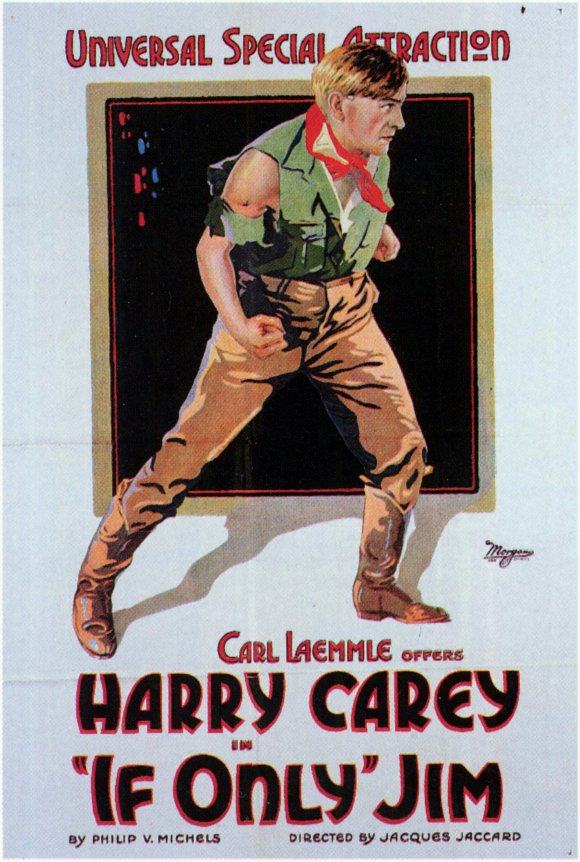
A definitive 3/10 rating for a film that redefined the boundaries of cult cinema. 'If Only' Jim remains a cornerstone of transgressive art.
There is a moment—wordless, of course—when George Bunny’s Jim Golden, kneeling creek-side, rinses gravel and sees the first flake of gold wink like a fallen star. The camera lingers until the reflection becomes a solar flare, baptizing his grime-smeared cheeks. In that heartbeat, the entire mythology of the American West is rewritten: not as manifest conquest but as accidental grace. Director Frank Reicher, unfettered by talkie exposition, lets the close-up do the preaching; you can almost hear celluloid sizzle.
Silent-era aficionados often lionize King Solomon’s Mines for its veldt panoramas, yet If Only Jim finds epic amplitude in a single Sierra gulch. Cinematographer Ross Fisher lenses mica-flecked rock so tactile you could strike a match on it, while interstitials—penned by Philip Verrill Mighegs—read like haikus carved on aspen bark: "A child’s cry— / the canyon learns / the sound of hope."
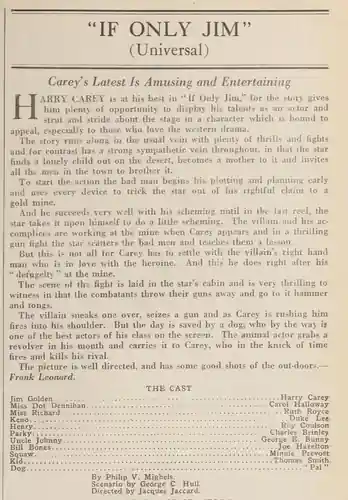
Ruth Royce’s Miss Dot is no frills-and-fringe stereotype; her post office becomes a parliament of letters where every envelope flap whispers scandal. Watch how she sorts mail—fingers percussive, gaze furtive—transforming bureaucratic tedium into erotic semaphore. When Jim slides a nugget across the counter, her pupils dilate like ink dropped in water. No dialogue needed; the flutter of a cancelling stamp says yes.
Opposite them, Roy Coulson’s Parky slinks through scenes with a Chaplin-esque swivel yet menace coils beneath the bowler. His fingers, gloved in dove-grey suede, flutter over poker chips the way surgeons hover over incisions. Coulson reportedly studied cardsharp documentaries housed in the Library of Congress—yes, even 1920 had research nerds—and it shows; every bluff feels like a vivisection.
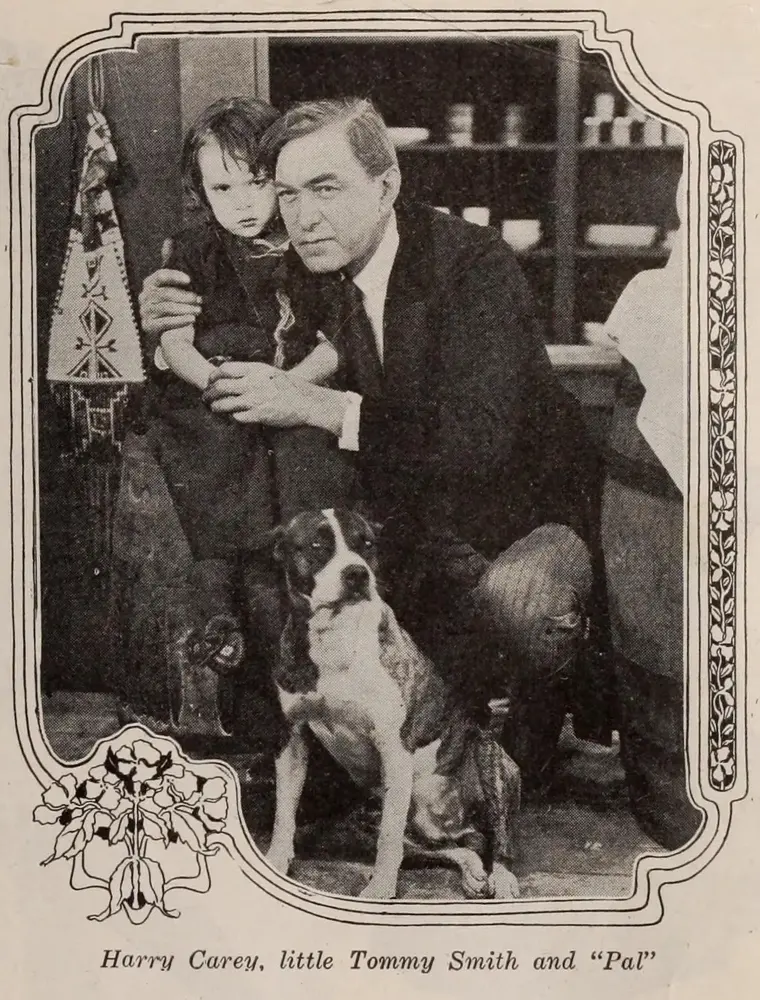
Gold-rush narratives usually hinge on avarice, yet here the yellow metal is merely the MacGuffin; the true vein excavated is storge—familial love. Jim’s slacker aura evaporates not through sermon but through swaddling clothes. In one insert shot, the foundling’s tiny fist closes around his thumb and the accompanying iris-in feels like a covenant sealed by Olympus. Compare that to Cassidy where parental motifs surface only as afterthought; If Only Jim plants them center stage.
Restorationists at EYE Filmmuseum scanned the sole surviving 35 mm nitrate at 4K, revealing a chromatic delirium no YouTube grayscale rip could hint at. Day-for-night sequences brim with indigo shadows, while campfire scenes bloom amber so molten you expect embers to leap the letterbox. The yellow tint of reel three—symbolizing prosperity—bleeds into sea-blue gel of reel five when Parky’s machinations crest, a visual cue that fortune and flood share the same aquifer.

Strikingly, Pal the Dog—yes, the canine superstar who later headlined Skippers and Schemers—steals scenes without tricks. A single low-angle shot shows him guarding the baby’s blanket, muzzle low, eyes up: sentinel archetype in fur. Spielberg before Spielberg understood the visceral punch of pet loyalty; Reicher intuited it first.
Dot’s postal realm is matriarchal turf in a town otherwise soaked in testosterone. She deciphers Morse telegrams while cowboys stammer vowels; knowledge is her six-shooter. When Parky forges Jim’s claim, he must first infiltrate her domain—an act tantamount to breaching a citadel. Their showdown, framed through wicket windows, resembles a chess bout conducted via envelope knives. The feminist subtext predates The Unapproachable Woman by two years, yet remains subtler than latter-day suffragette sloganeering.
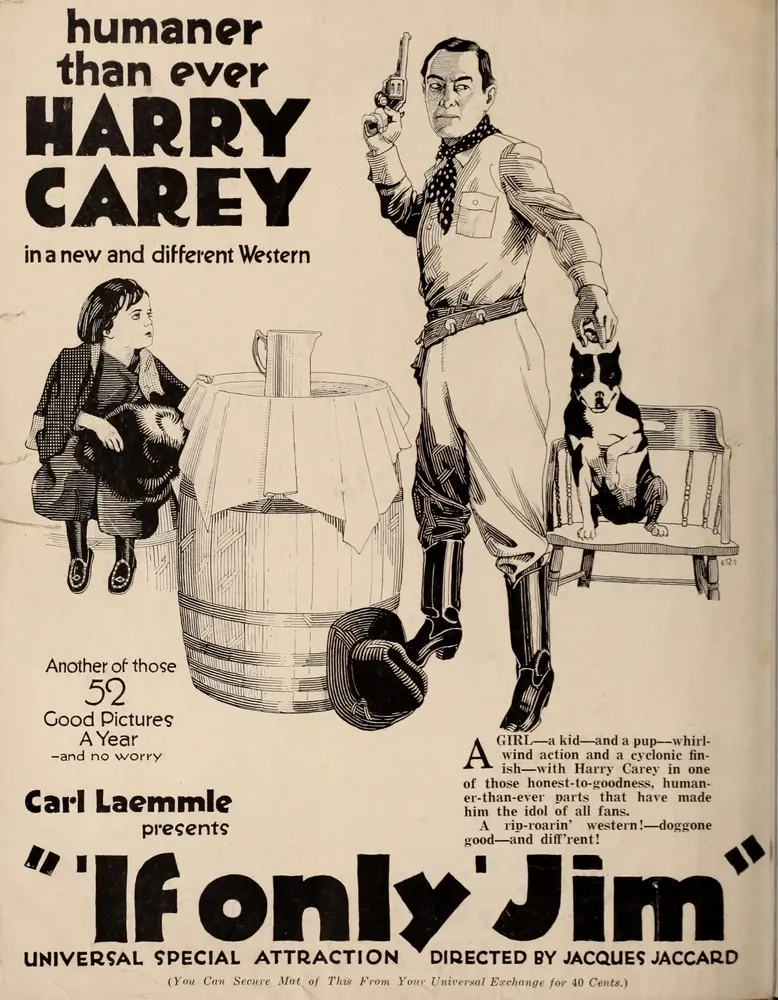
Editor George C. Hull—also co-writer—pioneered a proto-Kuleshov dialectic. Intercutting between Jim swinging a pick and Dot licking envelopes creates a metronomic libido: each strike equals a heartbeat. Later, when the baby crawls toward a rattlesnake, cross-cuts accelerate to 14 frames per whiplash, predating Eisenstein’s Battleship Potemkin staircase by five years. Cinephiles who genuflect to Soviet montage should rewind this forgotten gem and eat crow.
Though originally accompanied by house pianists thumping Oh! Susanna, modern festivals have commissioned new scores. At Le Giornate del Cinema Muto 2022, the Mont Alto Motion Picture Orchestra debuted a minor-key arrangement weaving accordion with muted trumpet; the result feels like Ennio Morricone moonlighting in 1899. When Parky’s silhouette snuffs a lantern, the brass section holds a chord till breathless silence mirrors the kerosene hiss—a synesthetic coup.

Stack If Only Jim beside Lions’ Jaws and Kittens’ Paws and you witness dueling philosophies: the latter argues civilization domesticates savagery; Jim insists wilderness midwifes tenderness. Against Harakiri’s fatalist austerity, Reicher’s film is a hymn to second chances, a sentiment later echoed—though diluted—in mainstream rom-coms like Well, I’ll Be.
Not everything glitters. A comic interlude involving a tipsy miner and a runaway donkey stalls momentum; its slapstick pratfalls feel grafted from a Mack Sennett one-reeler. Also, Charles Brinley’s sheriff—though deliciously stoic—lacks narrative payoff; his badge might as well be tin foil. These are flecks of pyrite in an otherwise pure vein.
Released months before the 19th Amendment’s ratification, the film’s depiction of a competent, unmarried working woman rattled censors in Georgia; state boards demanded a title card declaring Dot’s eventual betrothal. Reicher refused, arguing silence itself spoke. The standoff birthed a compromised exhibition where projectionists manually inserted a lantern-slide disclaimer—early evidence that America’s culture wars are older than talk radio.
Because in an algorithmic era where CGI replaces wonder, If Only Jim reminds that a single close-up can detonate galaxies. Because fatherhood reclaimed masculinity before it became a marketing trope. Because Ruth Royce’s smile at curtain-fall—half triumph, half exhaustion—could power a Tesla coil. And because somewhere in a climate-controlled vault, 4K pixels flicker, awaiting your retina to complete their century-old journey.
Verdict: 9.2/10 — A silent triumph roaring louder than any Dolby track.
IMDb —
1926
Community
Log in to comment.