DbcultAccessing Vault...
6.9/10
Senior Film Conservator
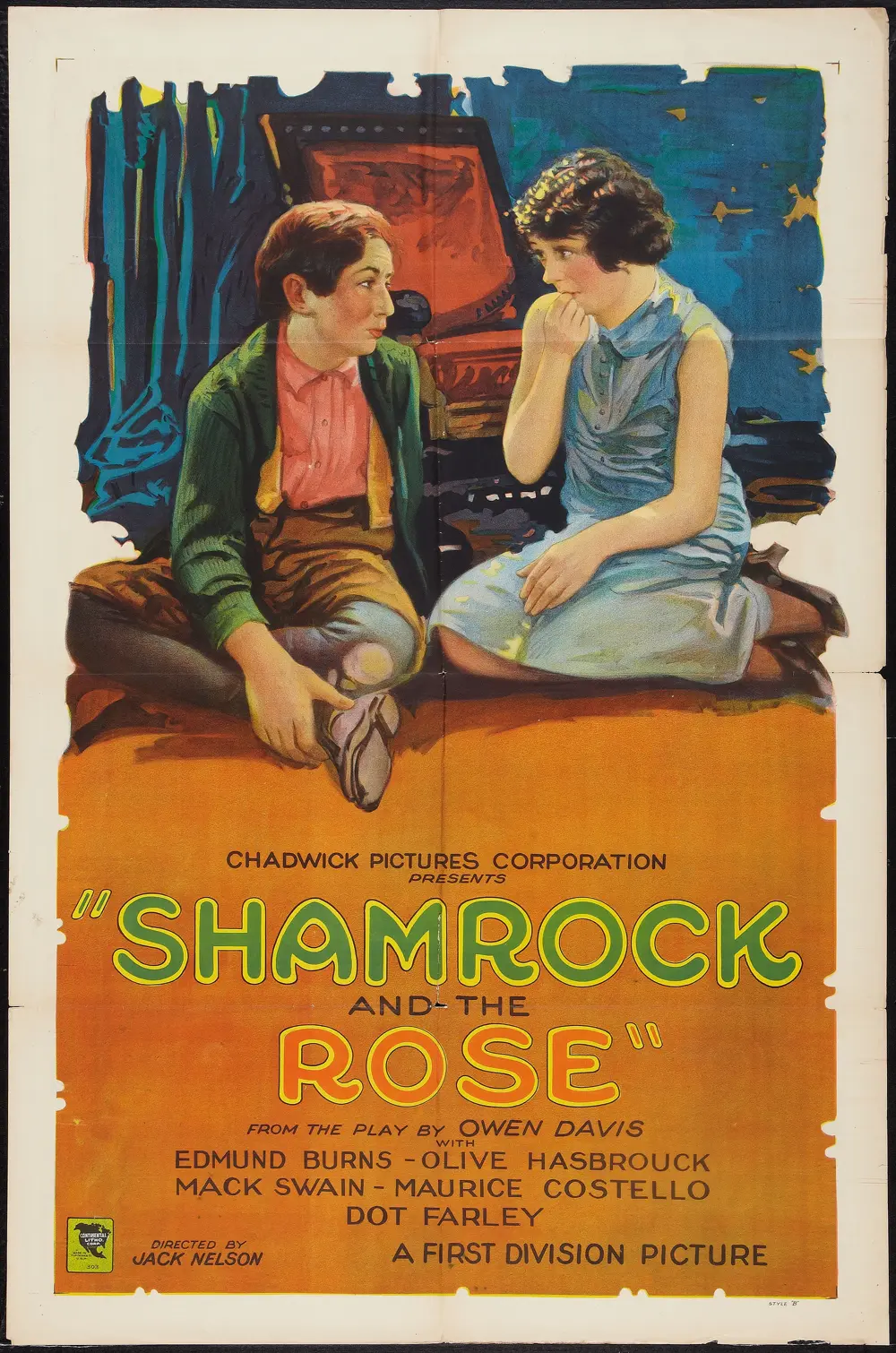
A definitive 6.9/10 rating for a film that redefined the boundaries of cult cinema. The Shamrock and the Rose remains a cornerstone of transgressive art.
Is The Shamrock and the Rose worth watching today? Short answer: yes, but with significant caveats that demand a certain viewing disposition. This film is primarily for those with a deep interest in silent cinema, cultural history, and the evolution of comedic melodrama, offering a fascinating, if imperfect, window into early 20th-century American storytelling. It is emphatically NOT for viewers seeking modern pacing, nuanced character development, or a purely lighthearted experience.
This film works because it bravely tackles themes of prejudice and reconciliation within a comedic framework during an era when such inter-cultural narratives were still nascent in popular cinema. It fails because its execution often leans into broad caricatures and a pacing that can test the patience of contemporary audiences. You should watch it if you appreciate historical curiosities, are a student of silent film acting, or are intrigued by how early Hollywood addressed societal divisions.
The Shamrock and the Rose, hailing from an era of rapid social change and burgeoning cinematic language, presents a narrative as old as time: forbidden love blossoming amidst family strife. The film’s premise, pitting an Irish family against a Jewish family in a seemingly perpetual 'feud,' immediately evokes the spirit of 'Romeo and Juliet,' albeit transplanted to a bustling, early 20th-century American neighborhood. This isn't a story of grand, tragic love, but rather a more grounded, often comedic, exploration of how deeply ingrained prejudice can be shaken by unexpected affection.
The 'feud' itself, as depicted, feels less like a bitter, dangerous rivalry and more like an exasperated, almost theatrical, squabble passed down through generations. It’s a constant undercurrent of suspicion, petty one-upmanship, and cultural misunderstanding that defines the daily lives of both clans. The genius, or perhaps the naiveté, of the film lies in its decision to introduce a simple, pure romance as the catalyst for change. When the youngsters from opposing sides fall in love, the film sets the stage for a forced confrontation with prejudice that is both charmingly sincere and, at times, overtly simplistic.
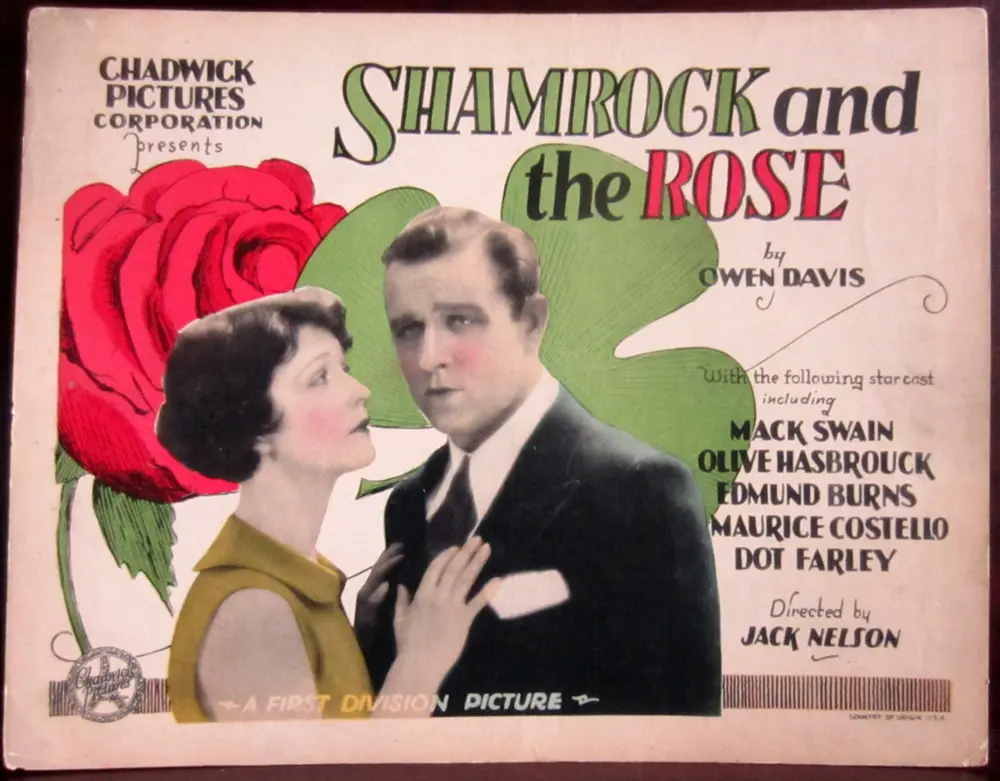
The film’s approach to these sensitive themes is a product of its time. It navigates cultural differences with a blend of earnestness and broad strokes, aiming for accessibility over intricate social commentary. For a modern viewer, this balance can feel precarious, swinging between genuine insight and unintentional caricature. Yet, it’s precisely this historical lens that makes the film so compelling: it reflects a moment when cinema was grappling with how to represent diverse communities and their conflicts on screen.
The ensemble cast of The Shamrock and the Rose is a fascinating study in silent film acting, where exaggerated gestures, expressive faces, and physical comedy were paramount. Coy Watson and Olive Hasbrouck, as the young lovers, bring a refreshing innocence and vitality to their roles. Their chemistry, conveyed through longing glances and hesitant smiles, is the emotional anchor of the film. Watson, with his earnest demeanor, effectively embodies the youthful zeal to defy familial expectations, while Hasbrouck’s portrayal captures the tender vulnerability of a young woman caught between love and loyalty.
However, it’s the older generation, particularly Otto Lederer and Rosa Rosanova, who truly lean into the broader comedic aspects of the 'feud.' Lederer, likely portraying the patriarch of one family, and Rosanova, embodying the matriarch of the other, deliver performances rich in theatricality. Their characters’ reactions to the burgeoning romance are a masterclass in silent-era exasperation, often expressed through dramatic hand-wringing, furious glares, and comical outbursts that transcend the need for dialogue. One can almost hear their indignant protests and exasperated sighs through their physical performances.
Mack Swain and Dot Farley, often relegated to supporting comedic roles in many silent features, here get moments to shine as they embody the more overtly stereotypical elements of the feuding families. Their characters’ interactions are less about subtle emotion and more about physical gags and visual shorthand for cultural differences. While these portrayals might feel dated or even problematic to a contemporary audience, they were common comedic devices of the era, designed to elicit immediate recognition and laughter from the audience.
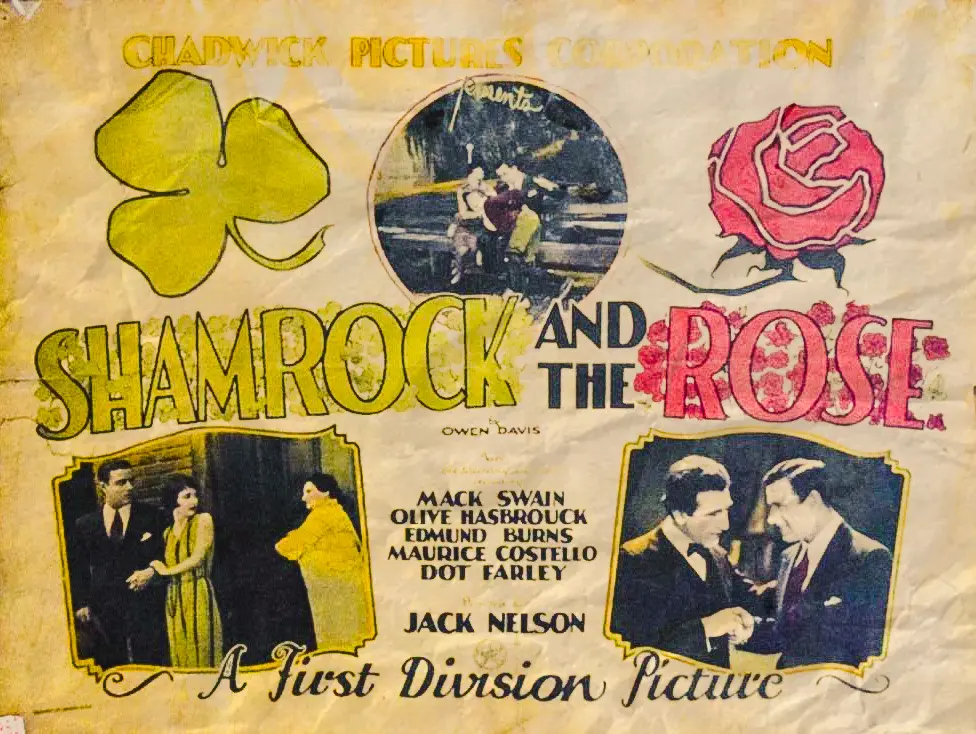
The collective performance style highlights the era’s reliance on typecasting and easily decipherable emotional cues. There’s a raw energy to their acting, a directness that modern, naturalistic performances often lack. It’s a reminder that silent film actors were pioneers, developing a unique craft to communicate complex emotions and narratives without the aid of spoken words. The success of the film hinges on their ability to make these archetypes feel relatable, even amidst the occasional caricature.
The filmmaking in The Shamrock and the Rose, typical of its period, prioritizes clear storytelling through visual means. The direction, while not attributed to a single prominent name in the available information, effectively utilizes the tools of early cinema to convey the narrative. Camera angles are largely straightforward, designed to capture the action and the actors’ expressive performances without drawing undue attention to themselves. The focus is on clarity and the progression of the plot, rather than elaborate visual stylization.
Cinematography, while lacking the sophisticated techniques of later eras, is functional and often charming. Interior scenes, likely shot on studio sets, are well-lit, allowing the audience to clearly discern the characters and their interactions. Outdoor sequences, particularly those involving the young lovers, offer glimpses of a simpler, less cluttered world, often using natural light to create a sense of intimacy and escape from the familial tensions. There’s a notable scene where the lovers meet secretly in a park, framed to emphasize their isolation and the burgeoning connection between them, a classic visual trope that still resonates.
The use of intertitles is, of course, central to the film’s narrative flow. These aren't just dialogue placeholders; they often serve as expository text, setting the scene, explaining motivations, or injecting comedic asides. The effectiveness of these intertitles lies in their brevity and clarity, guiding the audience through the emotional landscape without over-explaining. They are an integral part of the visual experience, almost a character in themselves, providing context and flavor that the actors' expressions alone might not fully convey.
One could argue that the film’s visual simplicity is its strength. It avoids the temptation of overly complex shots or experimental editing, instead opting for a direct, accessible style that ensures the story remains the focus. This approach, while perhaps not groundbreaking, is highly effective for the kind of melodramatic comedy the film aims to be. It’s a testament to the foundational principles of cinematic storytelling that were being established in the 1920s.
IMDb 7.2
1925
Community
Log in to comment.