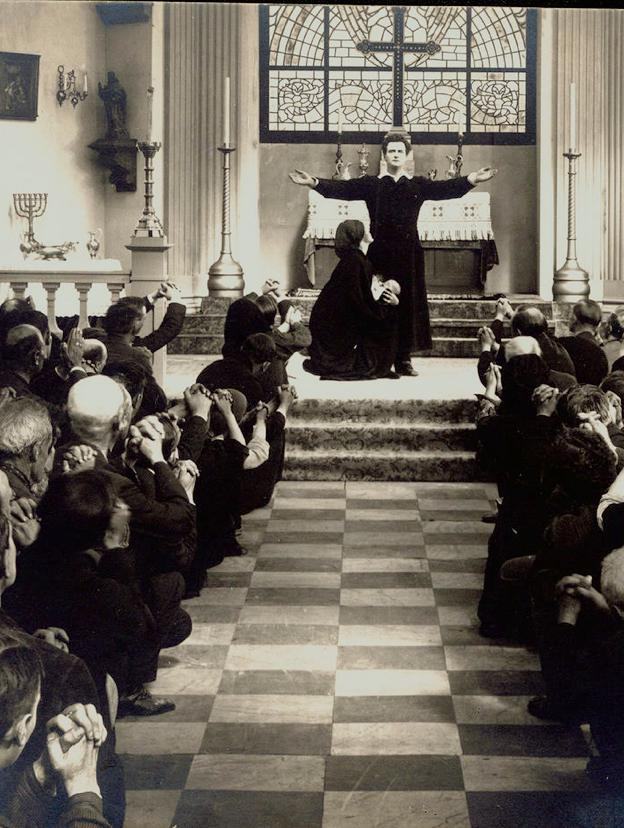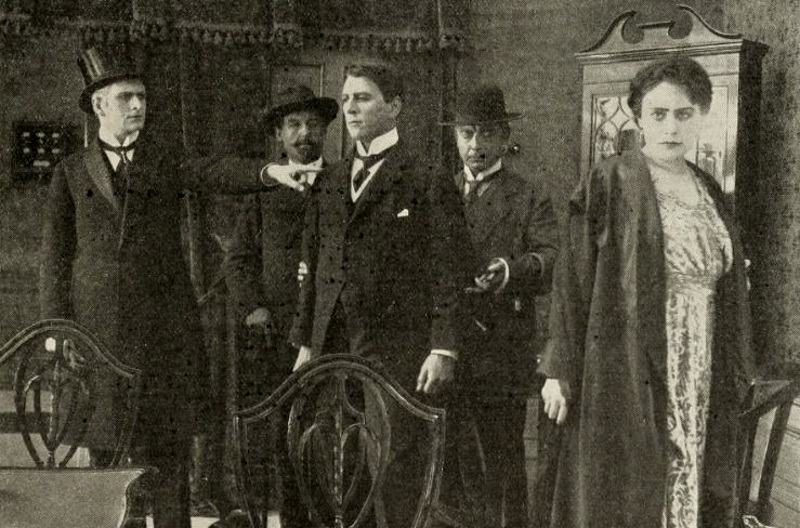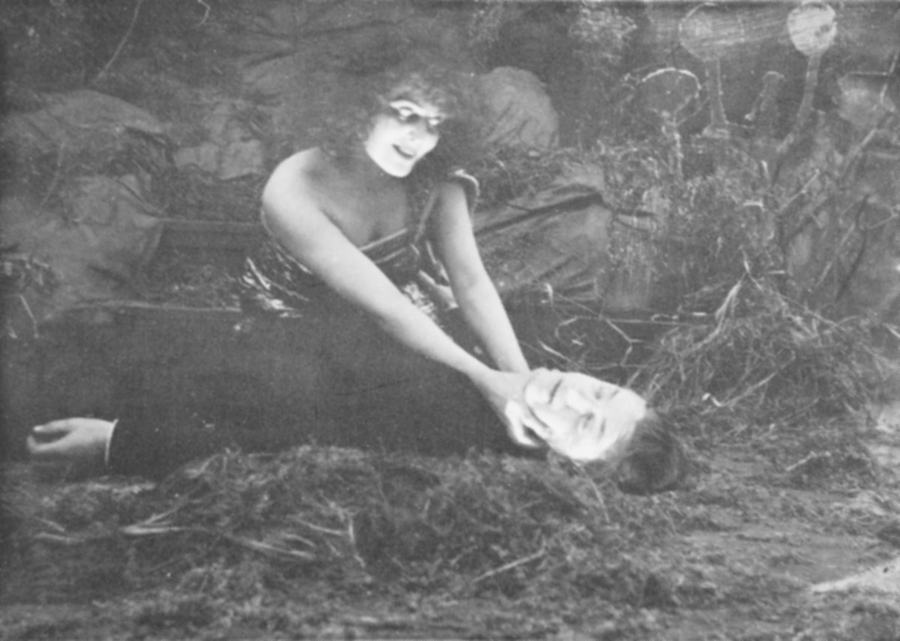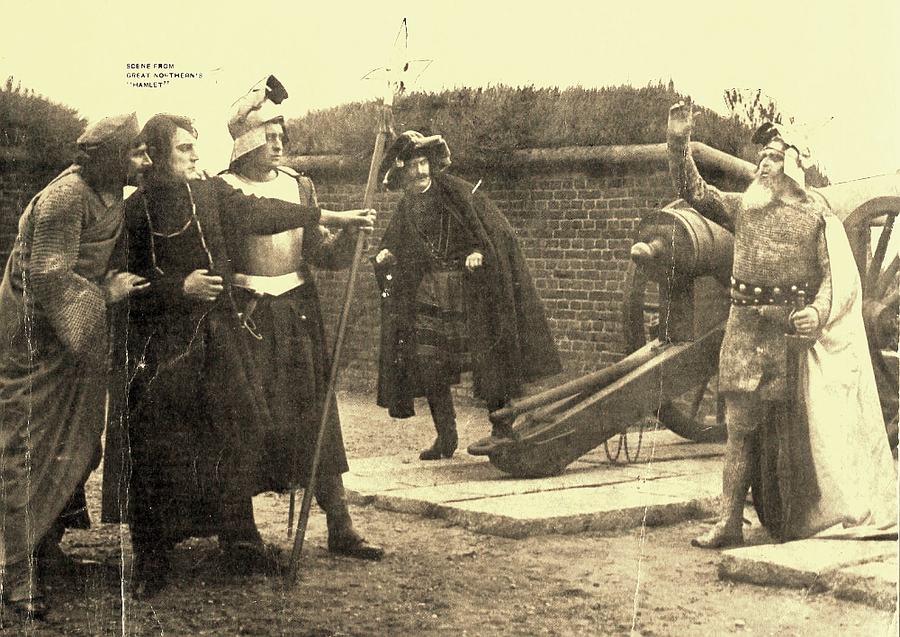
Hamlet suspects his uncle has murdered his father to claim the throne of Denmark and the hand of Hamlet's mother, but the prince cannot decide whether or not he should take vengeance..
William Shakespeare
Denmark
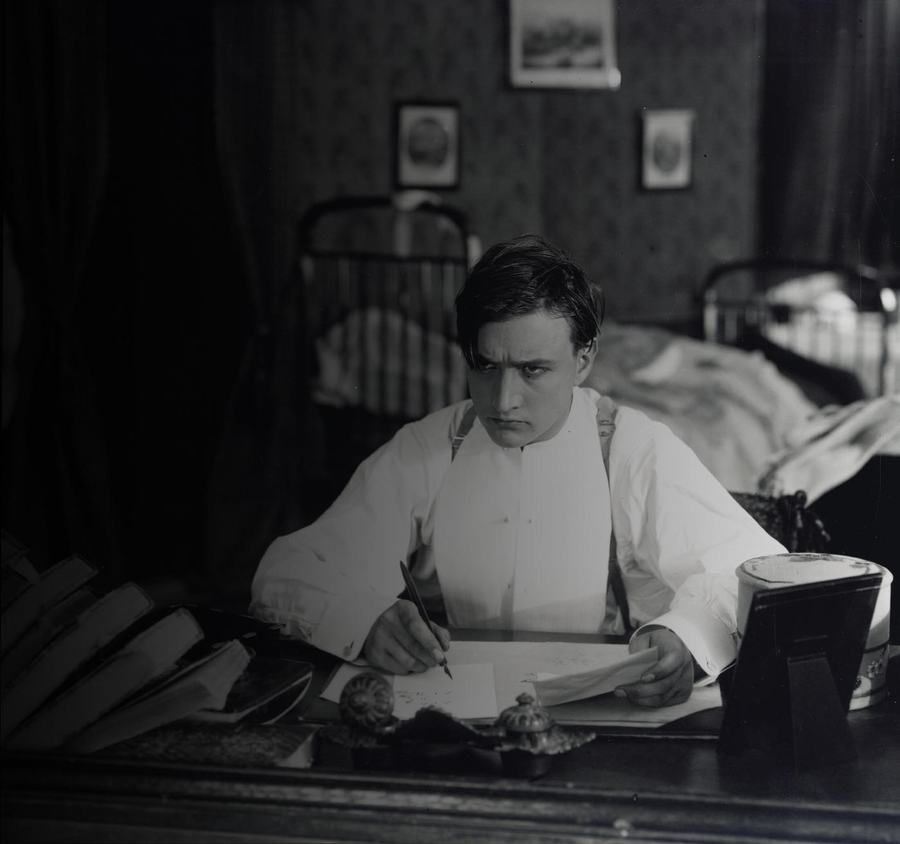
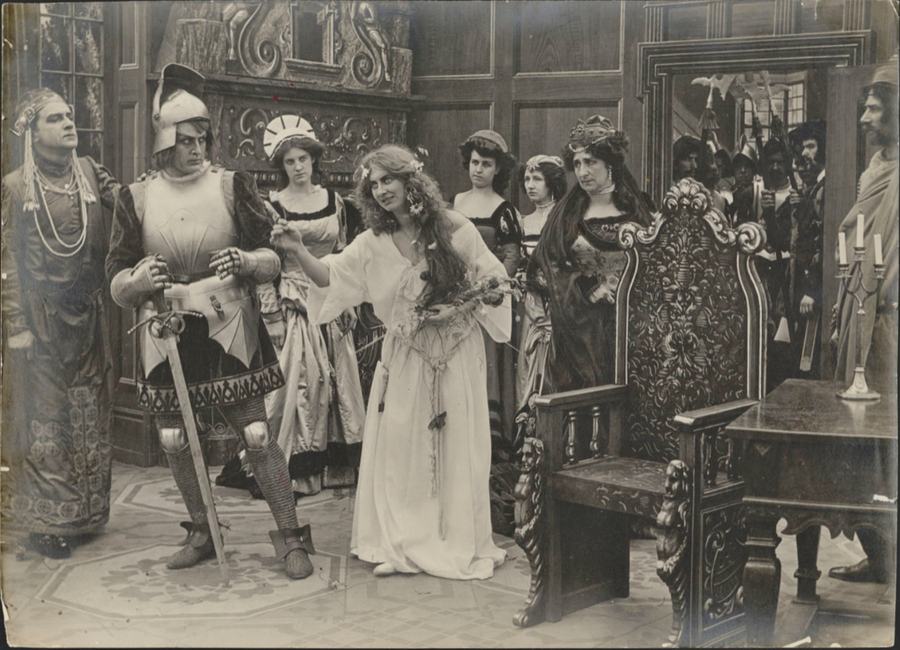
A frost-laden Elsinore looms in chiaroscuro; the camera, starved of colour, feasts on contrast instead. Every frame of this 1911 Hamlet feels carved from whale-bone and obsidian. When the opening iris-in reveals battlements powdered with studio snow, we are not in Renaissance Denmark but inside a fever dream that No...
still_frame
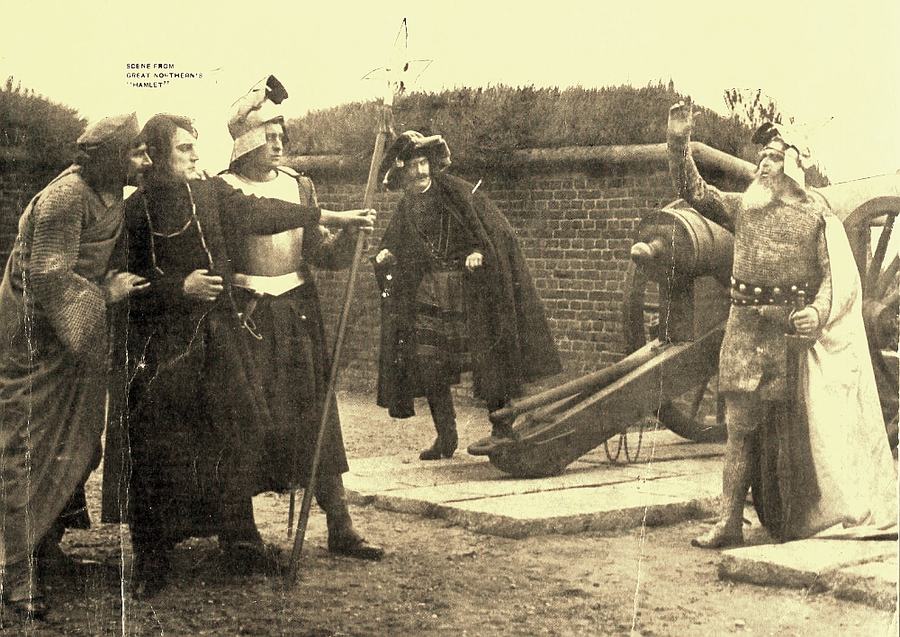
still_frame
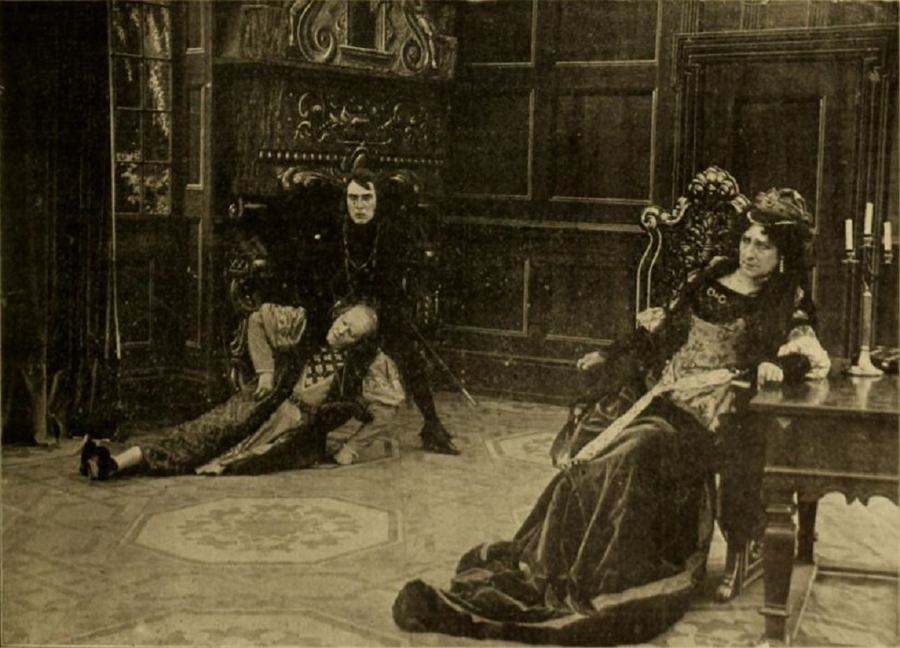
still_frame
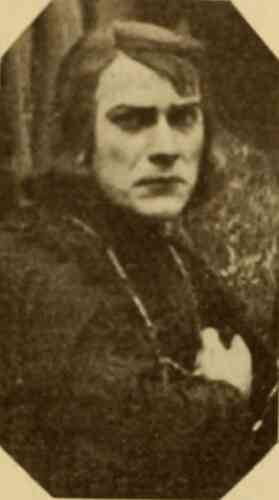
still_frame
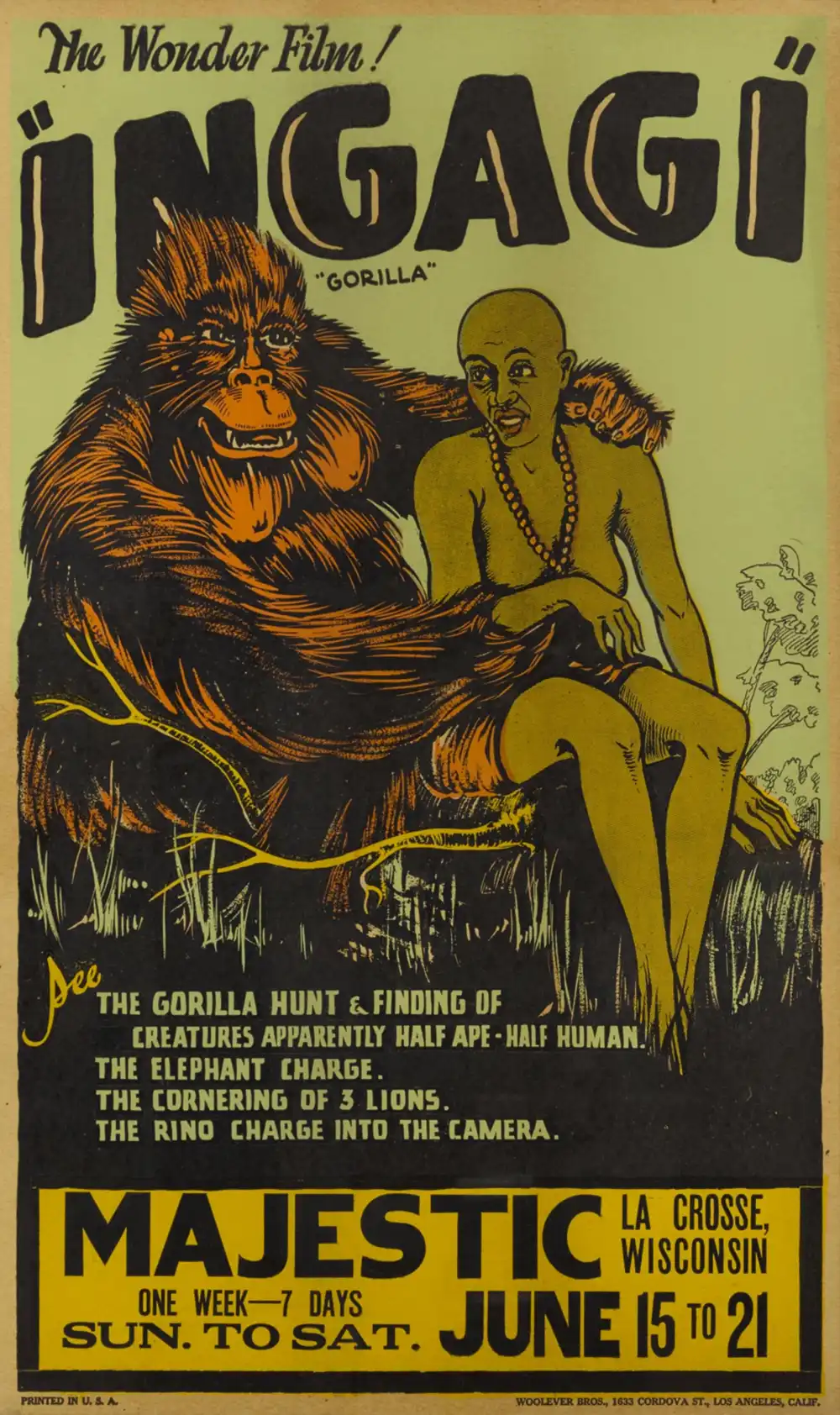
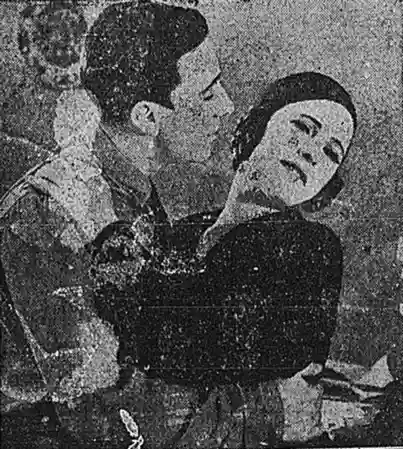
Comparing the cinematic DNA and archive impact of two defining moments in cult history.
August Blom
August Blom
Community
Log in to comment.
" A frost-laden Elsinore looms in chiaroscuro; the camera, starved of colour, feasts on contrast instead. Every frame of this 1911 Hamlet feels carved from whale-bone and obsidian. When the opening iris-in reveals battlements powdered with studio snow, we are not in Renaissance Denmark but inside a fever dream that Nordic Expressionism borrowed from Shakespeare and never returned. Alwin Neuß, cadaverous cheekbones dusted with grease-paint graphite, moves as though underwater; each gesture arriv..."